Engine 1.8 T BFB (163 hp): Experiences, issues, fuel consumption and used car buying tips
- Known as one of the most durable and reliable petrol engines from the VW/Audi group.
- Handles LPG installation very well thanks to its simple fuel injection system.
- Consumes oil – replacing valve stem seals and checking the turbo is common on older units.
- Huge potential for remapping (Stage 1), the engine easily tolerates additional power.
- The Multitronic automatic gearbox is the weakest point of this powertrain and should be avoided.
- Has both a timing belt and a camshaft chain (which can become noisy and require tensioner replacement).
Contents
- Introduction: An automotive industry icon
- Technical specifications
- Reliability and maintenance
- Specific parts and costs
- Fuel consumption and performance
- Additional options and modifications (LPG and Tuning)
- Gearbox and drivetrain
- Buying used and conclusion
Introduction: An automotive industry icon
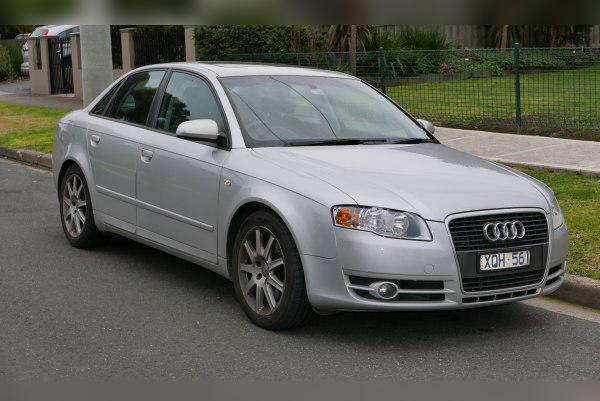
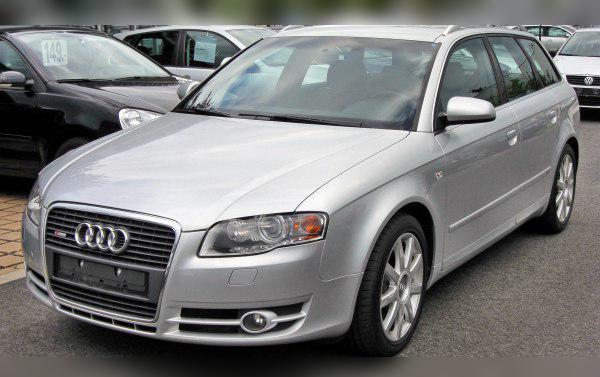
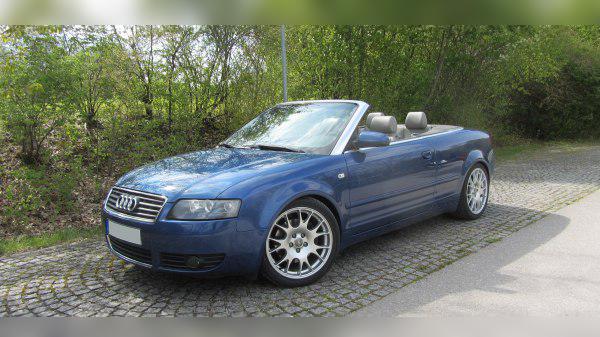
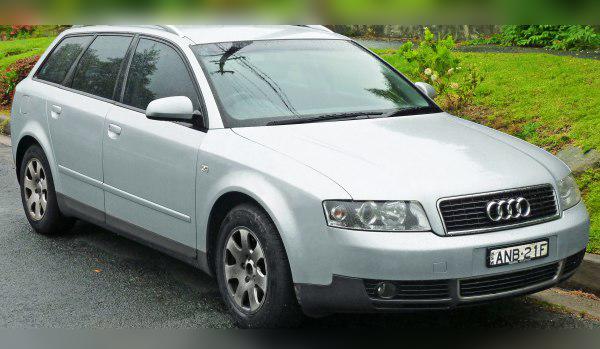
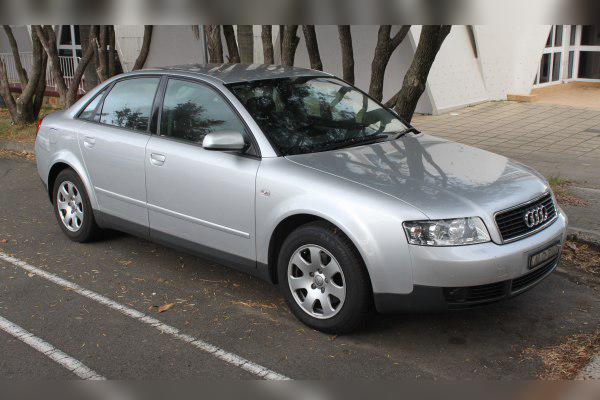
When the 1.8 T 20-valve engine is mentioned, most mechanics will nod in approval. The version with the code BFB delivers 120 kW (163 hp) and represents the golden middle of the range. It was mainly installed in the Audi A4 B6 and B7 generations, including sedan, Avant (wagon) and Cabriolet versions. This engine was the backbone of Audi’s lineup before the mass switch to TFSI technology. It is important because it offers an excellent compromise between performance, maintenance costs and longevity, and thanks to its simpler injection system it is today one of the most sought-after used engines for drivers who want a turbo petrol without the “childhood diseases” of modern direct-injection engines.
Technical specifications
| Specification | Data |
|---|---|
| Engine code | BFB |
| Displacement | 1781 cc (1.8 litres) |
| Power | 120 kW (163 hp) |
| Torque | 225 Nm |
| Fuel type | Petrol (Gasoline) |
| Injection type | Indirect injection (MPI) |
| Charging | Turbocharger with intercooler |
Reliability and maintenance
This engine is built to last, but it requires a knowledgeable owner. As far as the timing system is concerned, the 1.8 T BFB uses a timing belt to drive the engine, but at the rear of the cylinder head it also has a chain that connects the two camshafts. The major service (replacement of timing belt, rollers, tensioner and water pump) is specified by the factory at 120,000 km, but practice and experience show that it is safest to do it every 80,000 to 90,000 km or every 5 years. If the belt snaps, valve damage is inevitable.
The sump holds between 4.0 and 4.3 litres of oil, and the absolute recommendation is fully synthetic oil of grade 5W-40. As for oil consumption, be prepared – the 1.8 T uses oil. Factory tolerance allows up to 0.5 litres per 1000 km, although in practice it is normal to top up about 1 to 1.5 litres between two minor services (every 10,000 km). The most common causes of consumption are hardened valve stem seals (which let oil into the combustion chamber during engine braking) or a worn turbocharger.
The most common failures on the BFB engine include failing ignition coils. Symptoms are rough running on three cylinders, loss of power and an illuminated “Check Engine” light. It is recommended to always carry a spare coil in the boot. Also, the engine is full of vacuum hoses and PCV valves (crankcase ventilation system) which become brittle and crack over the years. Due to “false” air, the engine may have an unstable idle. Another well-known weak point is the camshaft chain tensioner. If you hear a “grunting” or rattling noise from the rear of the engine for a few seconds on cold start, the tensioner is due for replacement.
Since this is a petrol engine, the spark plugs are crucial for smooth running and for protecting the coils. It is recommended to replace them every 60,000 km, using high-quality iridium or platinum plugs designed for turbo engines.
Specific parts and costs
When it comes to more expensive parts, the good news is that this engine has been on the market for a long time and parts are widely available. However, versions with a manual gearbox have a dual-mass flywheel. Its role is to dampen vibrations, and when it wears out you will notice shuddering when taking off, knocking at idle and jerks when changing gears.
The injection system is old-school – MPI (Multi-Point Injection). This means that fuel does not go directly into the cylinder under huge pressure (as with FSI/TFSI engines), but into the intake manifold. The injectors are very reliable, rarely fail, and if they do get dirty, ultrasonic cleaning solves the problem for little money.
The engine has a single turbocharger (KKK K03). Its lifespan is closely linked to oil quality and driving style. If the oil is changed regularly and the driver respects the turbo “cool-down” rule (letting the engine idle for a minute before switching off after aggressive motorway driving), the turbo can easily last over 250,000 km. Turbocharger overhauls are now routine work and price-wise fall into the “not cheap to expensive” category, from 200 to 350 euros (depending on the market).
Since this is an older petrol engine, it does not have a DPF filter, does not have an AdBlue system and does not have the typical problematic EGR valve like modern diesels. It has a secondary air injection system (SAI pump) which operates only on cold start to heat up the catalytic converter faster, and it can sometimes trigger a fault code, but this does not drastically affect driving.
Fuel consumption and performance
This is not an economical engine, and that should be stated clearly. In the heavy A4 body, real-world city fuel consumption ranges between 11 and 14 litres per 100 km. In winter, with short trips, be prepared for an even higher figure. If paired with quattro drive or installed in the heavier Cabriolet, consumption is further penalised.
As for performance, the engine is not sluggish. With 163 hp and 225 Nm, it moves the A4 body very smoothly. The turbo spools up relatively low, providing a pleasant sense of acceleration without the need to rev it high like naturally aspirated petrol engines.
On the motorway it behaves confidently. At 130 km/h in fifth gear (on 5-speed gearboxes), the engine runs at about 3,100–3,300 rpm. Fuel consumption on the open road drops to a reasonable 7 to 8.5 litres. It is not too loud, and the sound insulation in A4 models does a great job of suppressing engine noise.
Additional options and modifications (LPG and Tuning)
Due to the already mentioned high city consumption, LPG is always a key question. This engine is absolutely perfect for LPG installation. Thanks to MPI injection, installing a sequential LPG system is simple, does not require expensive hardware (like on TFSI engines) and the engine runs flawlessly on gas. The installation cost falls into the “not expensive” category, from 400 to 600 euros (depending on the market). It is only important to replace spark plugs regularly and to use a quality vaporiser due to the presence of the turbo.
When it comes to remapping (Stage 1), the BFB is excellent material. The stock 163 hp is actually a “detuned” factory map. Without any mechanical modifications, just by optimising the software (remap), this engine safely reaches 190 to 205 hp, while torque rises to around 280–300 Nm. The driving feel changes dramatically, the car becomes much more responsive to throttle input, and the engine handles these parameters without issues, provided that the turbo and clutch are in good condition.
Gearbox and drivetrain
In Audi models, the BFB engine was paired with front-wheel drive or quattro (AWD), and with three types of gearboxes: manual (5 or 6 speeds), Multitronic automatic (front-wheel drive only) and Tiptronic automatic (mainly with quattro).
Manual gearboxes are virtually indestructible and rarely cause problems. Their only serious expense is the clutch kit and dual-mass flywheel when they wear out. A complete replacement falls into the “expensive” category, from 400 to 700 euros (depending on the market). Mechanics often ignore the oil in the manual gearbox, but it is recommended to change it every 100,000 km to keep shifting smooth and precise.
The Multitronic gearbox is this car’s biggest nightmare. It is a CVT (Continuously Variable Transmission) with a chain. It is very prone to control unit (TCM) failures due to overheating and to wear of the internal chain. Symptoms of failure are juddering when taking off (as if the car is “hiccupping”), fluctuating revs without acceleration and strong vibrations. Repairs are very expensive. If you own or are buying a Multitronic, changing the oil every 60,000 km is absolutely essential, but even that does not guarantee it will not fail. The Tiptronic (conventional automatic) is much more robust.
Buying used and conclusion
When looking at a used car with the 1.8 T BFB engine, pay attention to the following:
- Cold start: Listen to the rear of the engine. If the camshaft chain rattles for longer than 2–3 seconds, expect to replace the chain tensioner.
- Exhaust smoke: Bluish smoke at idle after standing for a while or when lifting off the throttle indicates worn valve stem seals. Blue smoke under full throttle points to a turbo or piston ring problem.
- Vacuum and idle: The engine should idle very smoothly. Any fluctuation in idle speed usually means it is drawing “false” air through cracked hoses or the PCV system.
- Diagnostics (VCDS): It is essential to check turbo boost parameters and any misfire codes, which indicate bad ignition coils.
- Avoid Multitronic: If possible, always choose a manual gearbox or a quattro version with the proper Tiptronic automatic.
Conclusion: The 1.8 T BFB (163 hp) engine is intended for enthusiasts of traditional mechanics who want smoothness, decent performance and the option of cheap running on LPG. Due to its age, most examples will require some initial investment (hoses, coils, resealing the valve cover and addressing oil consumption), but once mechanically sorted, this is an engine you can rely on and one that will outlive many modern powerplants. It is perfect for drivers who enjoy modifications and are not afraid of regularly checking under the bonnet.