Audi 2.0 TFSI (BGB, BWE, BWT, BPG) 200 HP: Experiences, problems, fuel consumption and used car buying tips
Key points (TL;DR)
- Power and driving dynamics: Excellent performance, 200 HP and 280 Nm make the Audi A4 B7 quite quick, the engine is anything but “lazy”.
- Timing system: The engine uses a hybrid setup – it has both a timing belt (front) and a chain (rear, between the camshafts).
- Critical weak point: The high-pressure fuel pump cam follower must be checked regularly, otherwise it destroys the camshaft.
- Oil consumption: Often consumes oil due to worn piston rings or a faulty PCV valve. Using a liter every few thousand kilometers on a used car is not uncommon.
- Fuel consumption: Expect 11–13 l/100 km in city driving. It’s not economical, and LPG (autogas) conversion is expensive and complicated due to direct injection.
- Gearboxes: Avoid the Multitronic automatic in front‑wheel‑drive versions. Look for a manual gearbox or a Tiptronic automatic paired with quattro all‑wheel drive.
Contents
Introduction: About the 2.0 TFSI engine (EA113)
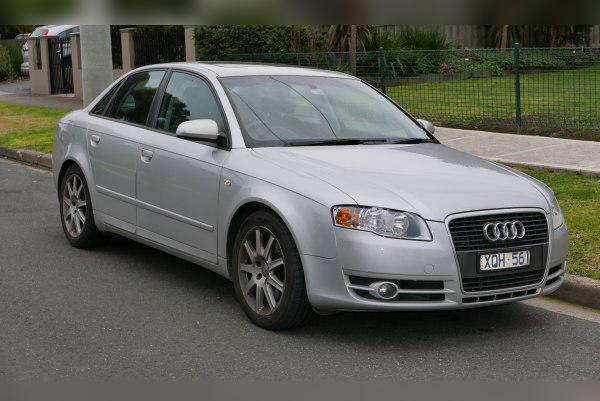
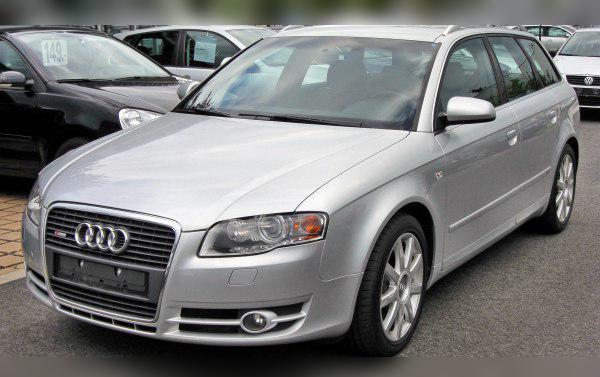
The 2.0‑liter engine designated TFSI (Turbo fuel stratified injection) from the EA113 generation was a real revolution when it appeared. It combines direct petrol injection with a turbocharger, which gives it strong torque at very low revs, similar to diesel engines, but with the recognizable petrol sound and rev range. You’ll most often find it under the bonnet of the Audi A4 (B7), in sedan, Avant (estate) and Cabriolet versions. Codes such as BGB, BWE, BWT, BPG denote variants of this engine developed for different markets and emission standards, but the basic block and mechanicals remain the same.
Technical specifications
| Specification | Value |
|---|---|
| Displacement | 1984 cc |
| Power | 147 kW (200 HP) |
| Torque | 280 Nm (at 1800–5000 rpm) |
| Engine codes | BGB, BPG, BWE, BWT |
| Injection type | Direct injection (FSI) |
| Induction | Turbocharger with intercooler |
| Fuel type | Petrol (recommended 98 RON) |
Reliability, maintenance and common failures
Timing belt or chain?
This is one of the most common questions, and the answer is: it has both. The main engine timing (crankshaft to exhaust camshaft) is driven by a timing belt. However, on the rear side of the engine (towards the cabin) there is a short chain with a tensioner that connects the exhaust and intake camshafts. A major service includes replacing the timing belt, rollers, tensioner and water pump, usually done at 90,000 to 120,000 km. Still, the rear chain and its hydraulic tensioner wear over time. If you hear a rattling noise similar to a diesel engine on cold start in the morning, it’s time to replace that chain and tensioner – and that is quite expensive (depends on the market).
Engine oil and consumption
This engine takes exactly 4.6 liters of oil. The factory recommended 5W‑30 (VW 504.00), but experienced mechanics, due to the age of these engines and frequent wear, recommend switching to a good quality 5W‑40 (VW 502.00) for better protection at higher temperatures (the turbo needs it).
Oil consumption is the “Achilles’ heel” of TFSI engines. The factory claims that up to 0.5 l per 1000 km is normal, which is absurd. In practice, if it uses about 1 to 1.5 liters per 10,000 km, that’s acceptable. The most common causes of increased consumption are a stuck PCV valve (oil vapor separator), valve stem seals, and in the worst case, stuck oil control rings on the pistons.
Spark plugs and ignition coils
Since this is a turbo petrol engine, the spark plugs are under heavy load. They are replaced every 60,000 km. However, the real headache on this engine are the ignition coils. They often fail, causing the engine to jerk, lose power and turn on the “Check Engine” light (misfire). It’s recommended to always carry a spare coil in the boot or replace all of them together with the spark plugs.
Specific parts and costs
Biggest weak point: High‑pressure fuel pump cam follower
This you must know! The high‑pressure fuel pump (HPFP) is driven directly by the camshaft via a small metal bucket (cam follower). This part wears out. If it wears through completely, the pump plunger hits the camshaft directly, damaging both components. Repairing this is very expensive (depends on the market). Prevention: remove the pump and inspect/replace the cam follower every 30,000 to 40,000 km. The follower itself is not expensive, but it saves the engine.
Turbocharger and fuel injection system
The engine uses a K03 turbocharger. The turbo itself is quite robust and can easily exceed 200,000 km if the oil is changed every 10,000 km and the car is not switched off immediately after hard driving (it needs a couple of minutes to cool down). What often fails is the Diverter Valve (DV) – the boost relief valve. Symptom: the car feels like a naturally aspirated engine, with no boost.
The injection system is direct (FSI). The injectors operate at high pressure and are not as failure‑prone as diesel injectors, but the downside of direct injection is carbon buildup on the intake valves. Symptoms are rough idle and loss of power. The cure is mechanical intake cleaning (decarbonization) every 80,000 km or so.
EGR, DPF and AdBlue?
Since this is a petrol engine, it does not have a DPF filter, AdBlue system or a conventional EGR valve like you see on diesels. Emissions and gas recirculation are handled via the aforementioned PCV system and the EVAP fuel vapor recovery system. Catalytic converters can clog over time, especially if the engine has been consuming a lot of oil for a long period.
Real‑world consumption and performance
Is the engine “lazy” for the weight of the Audi A4 B7? Absolutely not. With 200 HP and 280 Nm available from just 1800 rpm, the car pulls very strongly. The driving feel is similar to a stronger TDI, but with the ability to rev up to 6500 rpm.
The price you pay is fuel consumption. Real‑world city consumption is between 11 and 13 liters per 100 km. On short trips in winter, with an automatic gearbox and quattro, it can approach 14 liters.
On the motorway things are much better. At 130 km/h in sixth gear the engine cruises at about 2700–2900 rpm (depending on the gearbox). At that speed consumption is around 7.5 to 8.5 l/100 km. The cabin is very well sound‑insulated and the engine is barely audible.
Extras: LPG and remap (Stage 1)
LPG (autogas) conversion
Is the 2.0 TFSI suitable for LPG? In short: It’s not worth it for most drivers. Due to direct injection, the petrol injectors must periodically inject fuel to cool themselves, otherwise they will burn out in the cylinder head. That’s why LPG systems for TFSI engines are very specific, hard to set up, and their installation is very expensive (depends on the market). On top of that, the car will still use about 10–20% petrol while running on gas.
Tuning (Stage 1)
This engine is a fantastic platform for modifications. With a simple software remap (“chip tuning” – Stage 1), the engine safely jumps from 200 HP to 240–250 HP, while torque goes beyond 350 Nm. However, before remapping the engine must be in perfect condition (especially coils, PCV valve, diverter valve and the infamous cam follower).
Transmissions: Which to choose and maintenance costs
The Audi A4 B7 with this engine came with three types of gearboxes, and the choice of gearbox has a huge impact on reliability and running costs:
- 6‑speed manual gearbox: Very reliable and precise. Paired with both FWD and quattro. Yes, the engine has a dual‑mass flywheel. Replacing the clutch kit and dual‑mass flywheel is expensive (depends on the market), but after replacement you’re good for over 150,000 km.
- Tiptronic (automatic): This is a classic 6‑speed torque‑converter automatic made by ZF. It is fitted only to quattro versions. It is very durable and can handle high torque. Service (oil and filter change) must be done every 60,000 km. The service cost is reasonable.
- Multitronic (CVT automatic): Fitted only to front‑wheel‑drive versions. This is a continuously variable transmission. Although it provides incredibly smooth driving, it is the worst choice. It is prone to electronic failures (TCM module) and to chain stretching/breakage inside the gearbox. Repairs are very expensive (depends on the market). If you still decide to buy one, proof of oil changes every 60,000 km is absolutely mandatory.
Buying used and conclusion
What to check before buying?
When you go to see an Audi with the 2.0 TFSI engine, it’s crucial that the car is completely cold. Listen to the engine during the first 10–15 seconds. If you hear a loud metallic rattle from the rear of the engine, the cam chain is due for replacement. Pull out the dipstick while the engine is running; the engine should change sound slightly (shake a bit), and if nothing happens or there is strong blow‑by from the dipstick tube, the PCV valve is faulty.
Be sure to hook the car up to diagnostics and look for fuel pressure drop errors – this indicates a worn pump and camshaft. Finally, check the exhaust. A sooty exhaust is normal on TFSI engines, but bluish smoke after idling for a few minutes points to worn valve stem seals.
Who is this engine for?
The BGB, BPG, BWE and BWT codes bring one of the most enjoyable engines to drive in its class. It offers fantastic performance, effortless overtaking and smooth operation. It is intended for drivers who know what they are driving and who are willing to regularly check the oil level, maintain the high‑pressure pump and use quality fuel. If you are looking for an engine that you will just start and drive until the next service without ever opening the bonnet, this is not the engine for you. If you enjoy driving, choose a version with a manual gearbox or a Tiptronic/quattro combination and you will enjoy every kilometer.