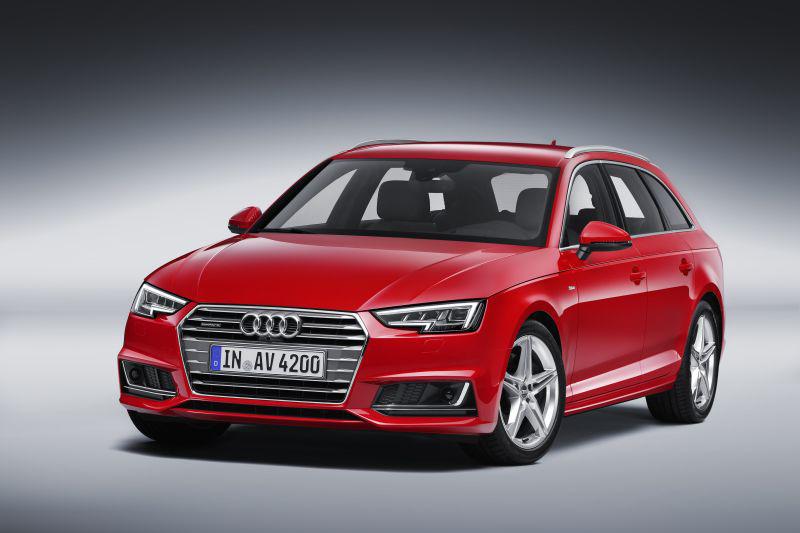
Audi 3.0 TDI V6 (CSWB) 218 HP: Experiences, issues, fuel consumption and used-car buying tips
- Excellent balance between V6 smoothness and reasonable fuel consumption, ideal for A4 and A5 models.
- The timing system is driven by a chain whose replacement is complex and very expensive (Depends on the market).
- The injection system and turbocharger have proven to be extremely reliable on long distances.
- The biggest headaches for owners are caused by the emissions systems: EGR, DPF and AdBlue.
- The gearbox is sensitive to skipped maintenance – regular oil changes in the S tronic transmission every 60,000 km are mandatory.
- Thanks to electronic limiting, this engine has massive potential for Stage 1 remapping.
Contents
- Introduction: The golden middle of Audi’s lineup
- Technical specifications
- Reliability and maintenance
- Specific parts and costs
- Fuel consumption and performance
- Additional options and modifications
- Transmission: S tronic on test
- Buying used and conclusion
Introduction: The golden middle of Audi’s lineup
The engine designated CSWB is one of the most interesting options in Audi’s recent history. It was designed for the B9 generation of the A4 and the F5 generation of the A5. It is a 3.0‑liter V6 TDI unit from the well-known EA897 evo family, but factory “detuned” to 218 HP and 400 Nm of torque. Its main task on the European market was to offer the refinement and sound of a true V6 engine, but with running costs closer to 2.0‑liter four‑cylinders. It is the perfect compromise for drivers who want strong motorway performance, but do not want to pay the highest insurance premiums and taxes that come with the more powerful 272 HP versions.
Technical specifications
| Characteristic | Data |
|---|---|
| Displacement | 2967 cc |
| Power | 160 kW (218 HP) |
| Torque | 400 Nm |
| Engine code | CSWB |
| Injection type | Common Rail (piezo injectors) |
| Aspiration | Variable-geometry turbocharger (VGT) + intercooler |
Reliability and maintenance
One of the first questions every mechanic hears is: does this engine have a belt or a chain? The CSWB engine uses a complex chain system located at the rear of the engine, right next to the gearbox. This means there is no classic “major service” with a fixed interval, but that is not necessarily an advantage. The chain has its own service life, which usually ends between 200,000 and 250,000 km. The first symptom of a stretched chain or worn tensioners is metallic rattling on cold start (lasting longer than 2–3 seconds). Replacing the chain requires removing the engine from the car, which makes this job very expensive (Depends on the market).
As for lubrication, this V6 takes about 6.1 to 6.5 liters of oil (depending on the filter and drainage), and the recommended grade is 5W‑30 or 0W‑30 with the mandatory VW 507.00 specification. Although the manufacturer tolerates a certain oil consumption, in practice this engine should not use more than 0.5 liters per 10,000 km. If it consumes more, the problem is usually not worn piston rings, but leaks. The best-known issue with this engine is oil and coolant leaking into the so‑called “V‑valley” (the space between the cylinder banks), where the seals of the oil cooler and EGR valve tend to fail.
When it comes to the injectors, Audi fitted this engine with high‑quality piezo Common Rail injectors. They have proven to be very reliable and rarely fail before 250,000 km, provided that high‑quality diesel is used and the fuel filter is changed regularly. Symptoms of bad injectors include rough idle, increased fuel consumption and white smoke at first start.
Specific parts and costs
A modern diesel is a small laboratory, which means there are many peripheral components that can burn a hole in your wallet. The turbocharger is just one of them; it is located in the engine’s “V” valley for better throttle response. It is very durable and often survives 300,000 km, provided you let it cool down at idle for a minute or two after fast motorway driving before switching the engine off.
The components that cause real trouble for drivers are the EGR valve and DPF filter. The CSWB is often used in city driving, which is disastrous for the DPF because it cannot complete regeneration. The EGR valve tends to clog with soot, which leads to the infamous “Check Engine” light, power loss and jerking at low revs. Cleaning solves the problem only temporarily; in the end the valve has to be replaced, which is not cheap (Depends on the market).
As an engine that meets strict Euro 6 standards, the CSWB is equipped with an AdBlue (SCR) system. This is perhaps the weakest point of the whole vehicle. NOx sensors, the pump in the AdBlue tank or the tank heater often fail. The symptom is a warning on the instrument cluster stating that the engine will no longer be able to start in, for example, 1,000 km. Fixing AdBlue system faults is always expensive (Depends on the market), and neglecting this system can leave the vehicle immobilized.
Fuel consumption and performance
Is 218 HP too little for a car weighing over 1.6 tons? The short answer: no. The secret lies in the 400 Nm of torque available from just 1,250 rpm. The engine is never “lazy”; on the contrary, acceleration is linear and strong, whether it is a sedan (A4) or an A5 Sportback.
Real‑world city fuel consumption will hardly go below 8.5 l/100 km, and in heavy traffic (especially with quattro drive) you can expect up to 10 l/100 km. The weight of the V6 block and all‑wheel drive takes its toll. However, the motorway is its natural habitat. At 130 km/h in seventh gear, the engine cruises at a very relaxed ~1,800 rpm. This is where the savings show – fuel consumption on the open road drops to an excellent 6.0 to 6.5 l/100 km, and the cabin remains acoustically completely isolated from the engine.
Additional options and modifications
Since the CSWB is actually a “software‑limited” sibling of the more powerful 3.0 TDI engine, it is a real gem for tuning enthusiasts. A properly executed Stage 1 (ECU remap) can safely raise power to around 280–300 HP, and torque from 400 to an impressive 550 to 600 Nm. After this, the car completely changes character and becomes much more aggressive. It is important to emphasize that although the engine itself can handle even more, torque must be carefully managed in software (spread out) so as not to destroy the gearbox, which was factory‑designed for lower values.
Transmission: S tronic on test
With this engine in A4 and A5 models you almost exclusively get a 7‑speed S tronic (DSG) dual‑clutch automatic gearbox (code DL382). Manual gearboxes combined with this V6 on this platform practically do not exist. Since the S tronic uses a dual clutch, this model also has a dual‑mass flywheel to dampen the V6’s vibrations. When the flywheel is worn, you will hear knocking when starting and switching off the engine, as well as vibrations at idle. The clutch kit and dual‑mass flywheel are wear items, but replacement is very expensive (Depends on the market).
As for the gearbox itself, the most common failures involve the mechatronics unit and clutch packs. The driver will notice this as unpleasant jerking when coming to a stop (especially when shifting from 2nd to 1st gear) or as hesitation when flooring the accelerator. To avoid mechatronics failures, the key factor is gearbox servicing. The oil and filters in the S tronic must always be changed every 60,000 km. Any delay of this service leads directly to costly gearbox failures.
Buying used and conclusion
Before you hand over your money for a used Audi with the CSWB engine, a cold‑start test is absolutely crucial. Let the car sit overnight and stand by the hood when it is started for the first time. If you hear a sharp chain rattle lasting more than a second or two, immediately factor in the cost of timing chain replacement. Then take a flashlight and carefully inspect the engine’s V‑valley under the decorative cover – if you see traces of oil or dried pink coolant, be prepared for the cost of resealing the oil cooler.
The test drive must include stop‑and‑go city driving so you can check how the S tronic behaves. Finally, be sure to connect the car to genuine (VCDS) diagnostics and check DPF saturation (clogging) and the condition of the piezo injectors via idle corrections.
Who is this engine for? An Audi with the 3.0 TDI CSWB unit is ideal for people who cover serious mileage on open roads and appreciate the smoothness that a 2.0 TDI four‑cylinder simply cannot offer. On the other hand, if you need a car primarily for short urban trips, the complexity of this engine and its associated emissions systems will cause you more trouble than enjoyment.