Audi 45 TDI (DCPE) engine: Experiences, issues, fuel consumption and used-car buying tips
Key points in short (TL;DR)
- Powerful and unstressed V6: With 170 kW (231 hp) and 500 Nm, this engine offers top-class performance with excellent refinement.
- Timing chain drive: The timing is driven by a chain located at the rear of the engine. Replacement is complex and very expensive (depends on the market).
- Best for open road use: Due to the DPF, EGR and AdBlue systems, this engine does not tolerate exclusively stop‑and‑go city driving.
- Excellent gearbox: It is paired with the proven 8‑speed Tiptronic (ZF) automatic transmission, which is extremely reliable if serviced regularly.
- Tuning potential: Since this is a detuned version of the 3.0 TDI engine, a Stage 1 remap brings a huge power increase without compromising reliability.
Contents
- Introduction and basic information
- Technical specifications
- Reliability and maintenance
- Specific components (costs)
- Fuel consumption and performance
- Additional options and modifications
- Transmission and drivetrain
- Buying used and conclusion
Introduction and basic information
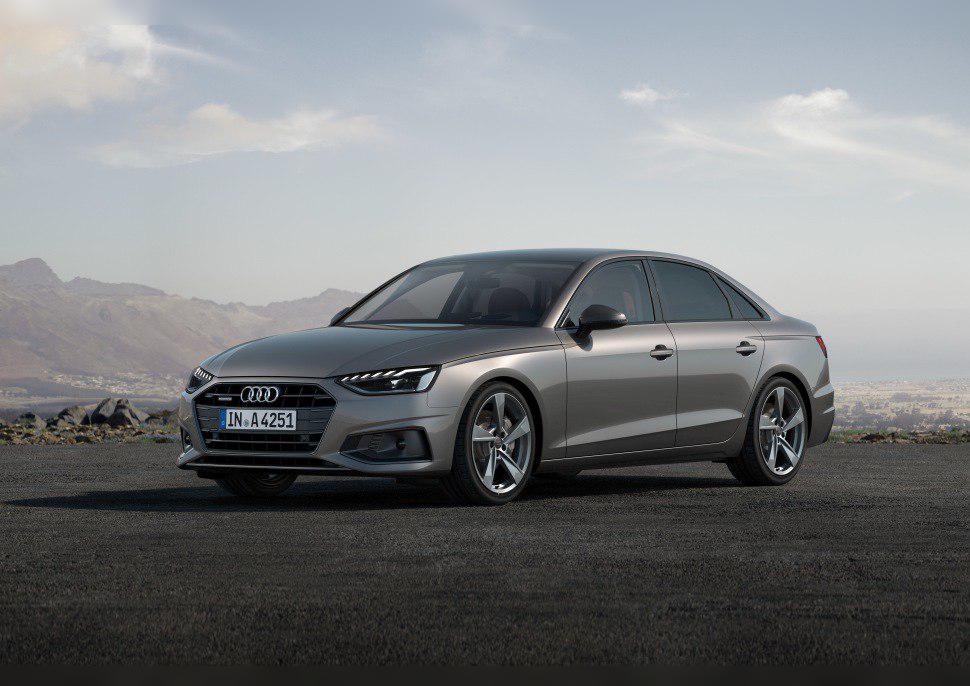
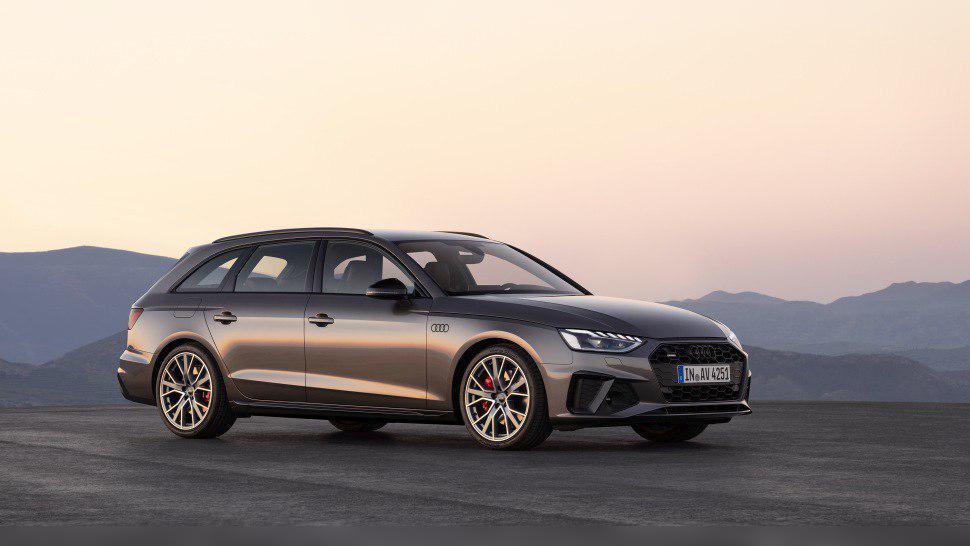
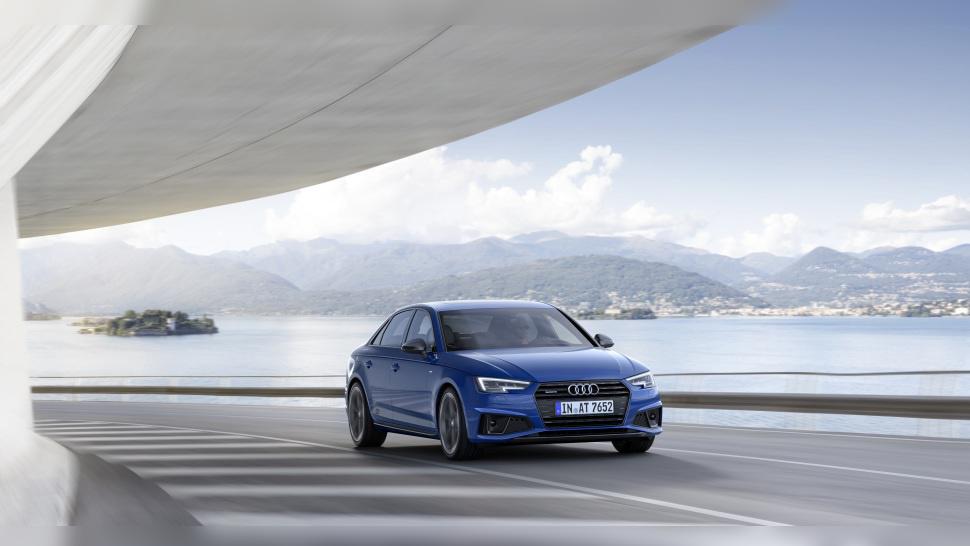
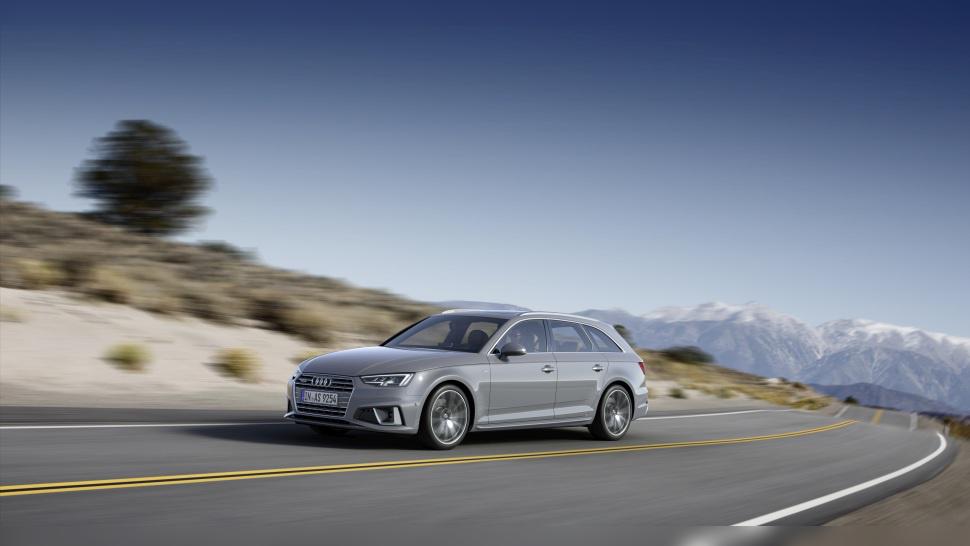
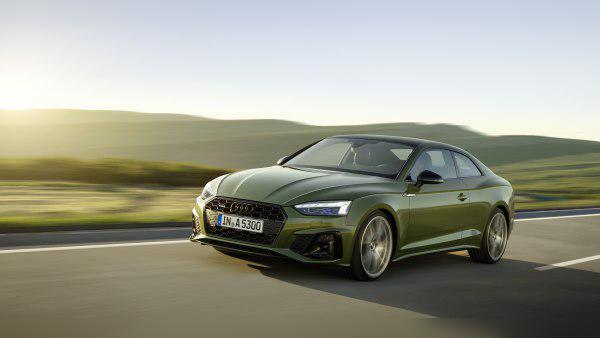
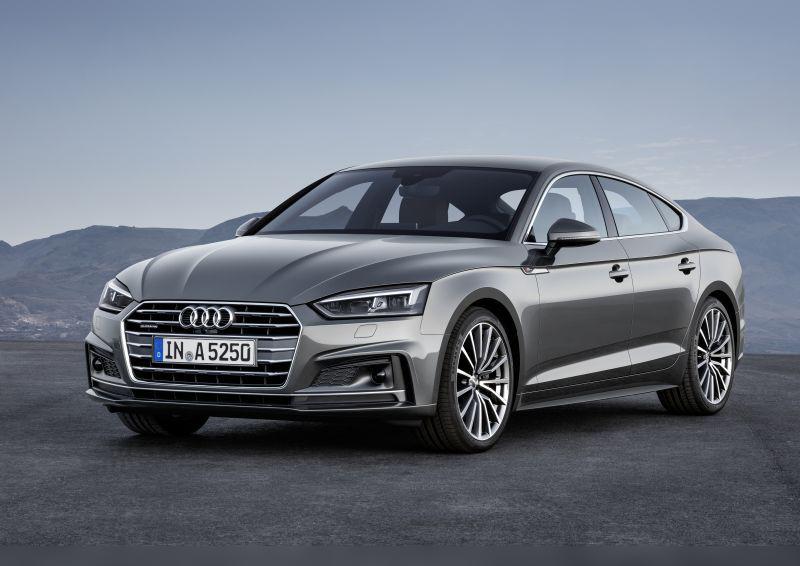
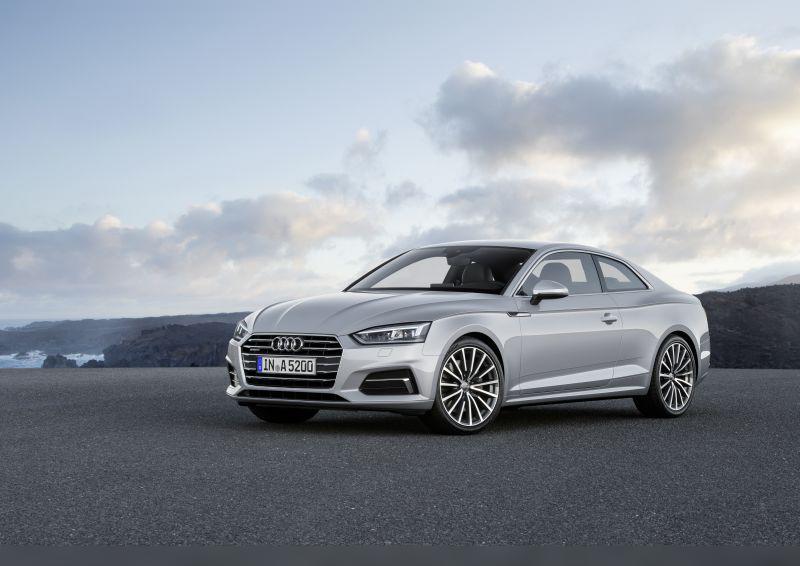
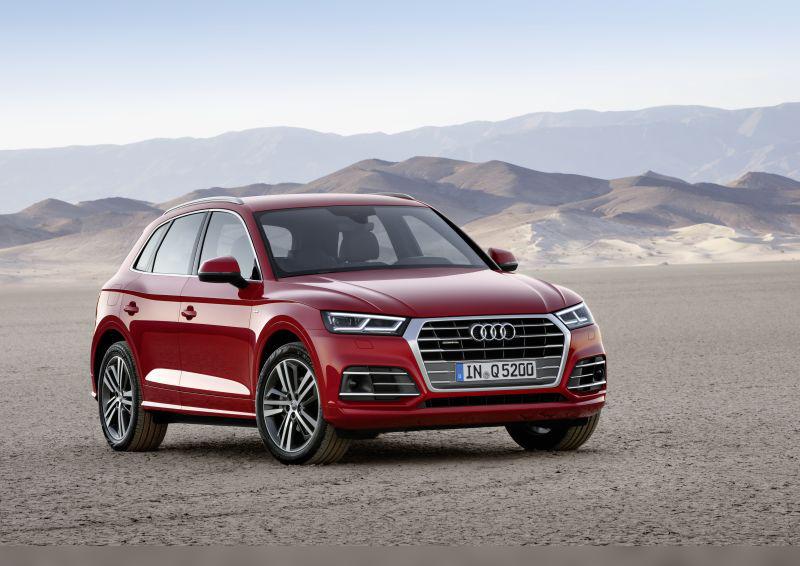
The engine with the code DCPE represents a modern evolution of the famous V6 TDI power unit from the Volkswagen Group. According to Audi’s new nomenclature, it carries the 45 TDI badge on the trunk. This engine was mainly installed in D and E segment models, namely the Audi A4 (B9 facelift), A5 (F5 facelift) and the popular Q5 (FY) SUV. With its 231 hp, it is actually a “detuned” version of the more powerful 50 TDI model, which means it is mechanically extremely robust, as the crankshaft, engine block and core components are designed to withstand significantly higher power.
Technical specifications
| Parameter | Value |
|---|---|
| Engine displacement | 2967 cc |
| Power | 170 kW (231 hp) |
| Torque | 500 Nm |
| Engine code | DCPE |
| Injection type | Common Rail (piezo injectors) |
| Charging system | Turbocharger with variable geometry (VGT), intercooler |
Reliability and maintenance
This 3.0 V6 TDI unit does not use a conventional timing belt; instead, timing is handled by a system of drive chains. The complete set of chains, guides and tensioners is located at the rear of the engine (towards the cabin/gearbox). This means that for replacement – which is effectively a major service – the gearbox and often the engine itself have to be removed. This makes the major service very expensive (depends on the market).
The major service is not done at a strictly prescribed mileage, but when symptoms appear. Most often, the chain starts to make noise (a characteristic rattling and clattering) on cold start at around 200,000 km to 250,000 km. As soon as you hear a noise at startup that lasts longer than two seconds, it is time for the workshop.
The sump capacity is around 6.1 to 6.5 liters of oil (needs to be checked by VIN, depending on the exact filter specification). It is recommended to use only fully synthetic oil of grade 0W‑30 or 5W‑30 that meets the VW 507.00 standard, which is mandatory because of the DPF. Always change the oil at a maximum of 15,000 km; forget about “LongLife” intervals of 30,000 km if you want to preserve the turbo and the chain. As a rule, this engine does not consume much oil between services. A loss of up to 0.5 liters per 10,000 km is normal. If the car is losing more oil, the most common causes are a leak at the oil cooler in the so‑called “V‑valley” of the engine or a worn turbocharger.
As for the injectors, the DCPE uses highly precise piezo injectors. They have proven to be extremely durable and, with good‑quality fuel, can easily exceed 250,000 km without any issues. Symptoms of bad injectors are rough idle, increased white smoke in winter and slight body vibration. Their downside is that piezo injectors cannot be easily and reliably refurbished, so buying new or factory‑refurbished ones is a costly investment (depends on the market).
Specific components (costs)
At the heart of this engine lies a massive variable‑geometry turbocharger (VGT) mounted inside the V‑block. Its service life is long and exceeds 250,000 km, provided the engine is not switched off immediately after hard driving (to prevent oil from coking in the turbo) and that the oil is changed on time.
Contamination is the main enemy of modern diesels, and the DCPE unit is no exception. This engine is equipped with both a DPF filter and an EGR valve. If you drive the car mainly in the city, the DPF will quickly fill up with ash, and the EGR cooler can crack, which leads to coolant mixing with exhaust gases and a gradual loss of antifreeze.
An even bigger weak point is the AdBlue system (SCR catalyst). This system is very sensitive. The heater in the AdBlue tank, the pump or the NOx sensors in the exhaust often fail. The symptom is a warning on the instrument cluster that the car will not be able to start in 1000 km. Fixing these problems is usually expensive (depends on the market). Maintenance comes down to filling up with verified, fresh AdBlue fluid; never allow the tank to run completely dry.
Regarding the dual‑mass flywheel, in combination with the automatic gearbox (Tiptronic) this engine does not use a classic dual‑mass flywheel and dry clutch as seen on manuals, but a hydrodynamic torque converter. Because of this, you will not have the typical problem and cost of a knocking dual‑mass flywheel and clutch replacement as with weaker diesels paired with manual transmissions.
Fuel consumption and performance
For a car equipped with a V6 engine, quattro all‑wheel drive and a weight of over 1700 kg (in the A4) or even close to two tons (in the Q5), city fuel consumption ranges from 8.5 to over 10 l/100 km. The start‑stop system helps, but the laws of physics cannot be cheated in stop‑and‑go traffic.
Is this engine “lazy”? Absolutely not. With 500 Nm of torque available from very low revs, any acceleration, even in the heavy Q5, is very convincing. In‑gear acceleration when overtaking on country roads is impressive.
The DCPE shows its true character on the motorway. The gearbox has a very long eighth gear, so at 130 km/h the engine cruises at a very low 1600 to 1800 rpm (depending on the model, wheel size and vehicle aerodynamics). At these speeds the engine is barely audible, and fuel consumption drops to an excellent 6.0 to 6.5 l/100 km.
Additional options and modifications
Since this engine is, in essence, very similar in hardware to the 286 hp version, it is a fantastic candidate for “chipping” (Stage 1 software remap). Without any mechanical changes (hardware), simply by optimizing the maps in the ECU, this engine can safely be taken to around 280 to 300 hp and gain more than 600 Nm of torque. If the tuning is done by a reputable specialist, the engine handles it without any stress, and the Tiptronic gearbox is designed to cope with that level of torque anyway.
Transmission
This engine comes exclusively paired with an automatic gearbox, and not just any. Due to the huge torque (500 Nm), Audi installed the proven 8‑speed Tiptronic transmission here (manufactured by ZF, also known as the ZF 8HP), while the less powerful 4‑cylinder versions received the 7‑speed S‑Tronic (dual‑clutch DSG).
The Tiptronic is a true hydraulic automatic with a torque converter. Because of this, it offers exceptional smoothness when moving off and maneuvering. Failures are very rare. Sometimes you may feel a harsher shift from second to first gear when coming to a stop, which is usually a sign that the software needs an update or that the oil has long since lost its viscosity.
Gearbox servicing is mandatory! Although the manufacturer often states that the oil is “lifetime”, any experienced mechanic will tell you that the oil in the gearbox, together with the pan and integrated filter, must be changed at intervals of 80,000 to a maximum of 100,000 km. This service is not cheap (depends on the market), but it is the only way to preserve a gearbox that operates under high load due to the heavy body and powerful engine.
Buying used and conclusion
What must you check before buying?
- Cold start: Insist that the car be completely cold when you inspect it. If you hear metallic rattling from the rear of the engine in the first few seconds of running, the chain is due for replacement, which changes your bargaining position on the price.
- Fluid leaks: Remove the plastic engine cover and try to shine a light into the area between the V‑cylinders (under the intake manifold). If you see accumulated oil or pinkish traces of antifreeze, the car has a leak at the EGR cooler or the oil cooler.
- Diagnostics: Connect a proper diagnostic tool and check the Ash Mass in the DPF, injector corrections and any faults in the AdBlue system. Do not buy this kind of car blindly, without diagnostics.
- Gearbox behavior: While the car is cold, shift into D, then into R. There must be no knocks or jerks.
Final conclusion
The Audi 45 TDI with the DCPE engine is a first‑class long‑distance cruiser. This power unit is not intended for those who drive 5 km a day to work and back through city traffic – in that scenario the DPF and AdBlue will kill it. It is intended for people who drive on regional roads, frequently use the motorway and cover serious mileage. With regular maintenance and timely gearbox servicing, this is one of the most reliable and most refined V6 diesels on the used‑car market.