2.0 TFSI (DEMA, DKYA, DLVA) 190 HP: Experiences, problems, fuel consumption and used car buying guide
- This is the “B-Cycle” (Budack cycle) version of the famous EA888 engine, focused on maximum efficiency and reduced fuel consumption.
- Oil consumption, which was the Achilles’ heel of older TFSI generations, is drastically reduced here and brought down to a minimum.
- The timing is chain-driven, and in this third generation of the engine (Gen 3B) it has been significantly improved and rarely fails, but it still requires inspection.
- Pairing with the S tronic gearbox provides an excellent driving experience, provided that the transmission oil has been changed regularly.
- Carbon buildup on intake valves remains an inevitable process due to the direct injection system.
- It is not recommended for LPG (CNG) conversion because of the high cost of specific systems and technical complexity.
Contents
- Introduction: Get to know the 2.0 TFSI with 190 HP
- Technical specifications
- Reliability and maintenance
- Specific parts and potential costs
- Fuel consumption and performance
- Additional options and modifications (LPG and remapping)
- Gearbox and power delivery
- Buying used and conclusion
Introduction: Get to know the 2.0 TFSI with 190 HP
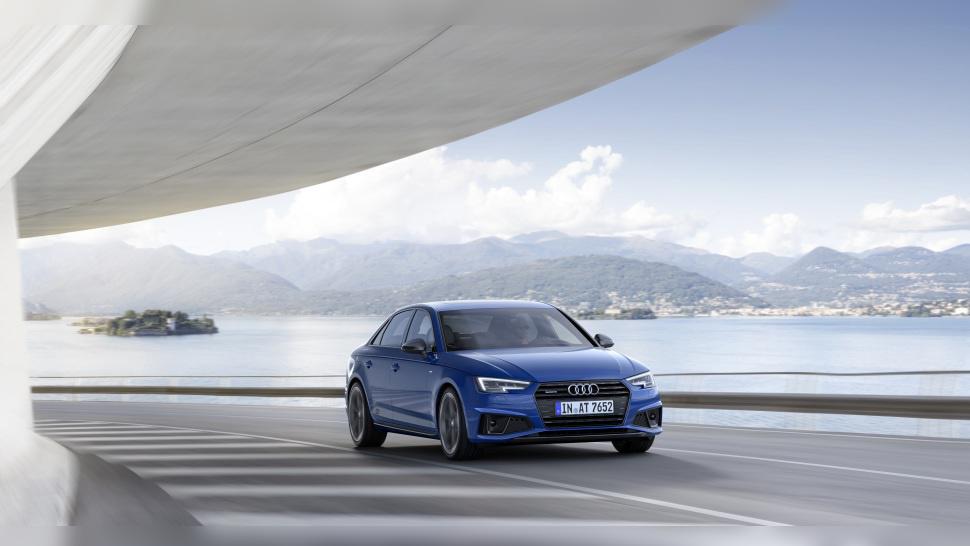
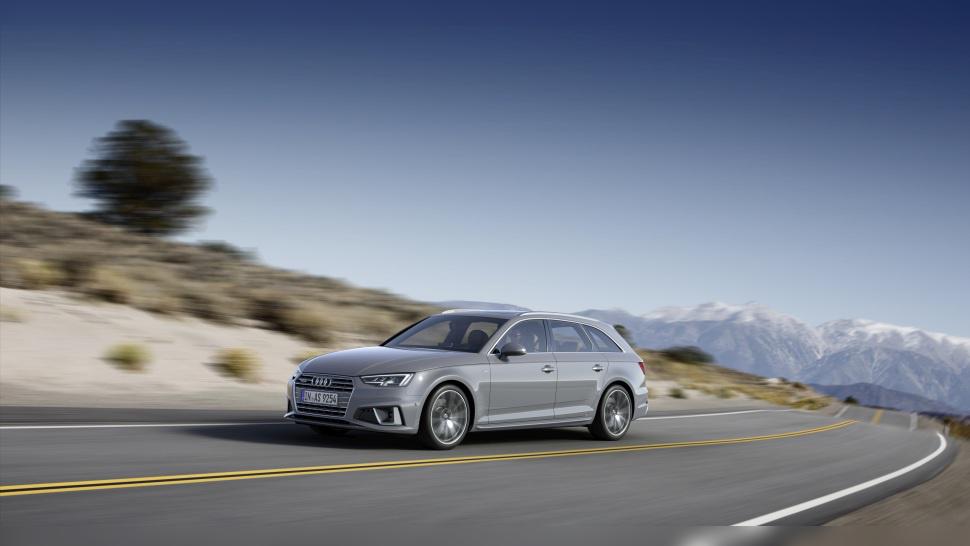
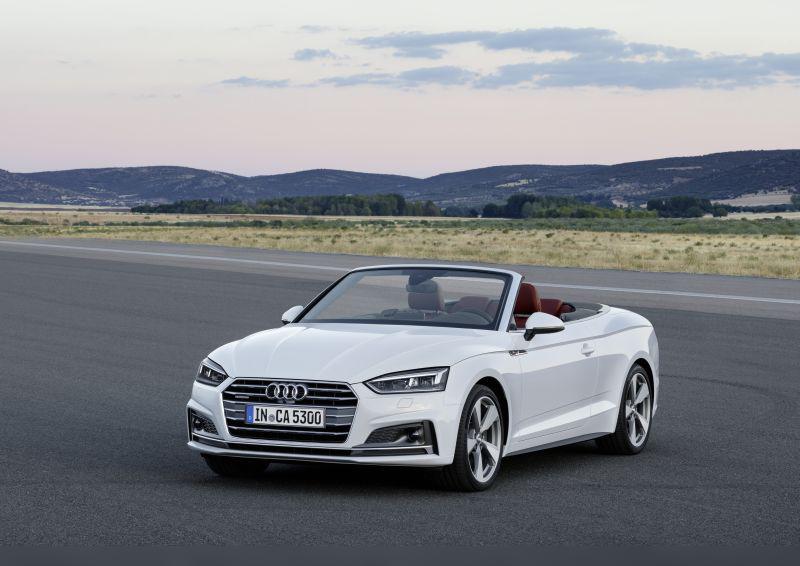
When you hear the designation 2.0 TFSI, the first association for many drivers and mechanics is often the oil-burning engines from around 2010. However, engines with the codes DEMA, DKYA and DLVA belong to the so‑called EA888 Gen 3B generation (often also called the “Ultra” version). These engines, installed mainly in the Audi A4 (B9) and Audi A5 (F5) range (including the facelift versions from 2018 and 2019, as well as Mild Hybrid systems), represent a technological peak when it comes to the compromise between 190 HP and exceptionally low fuel consumption.
Technical specifications
| Parameter | Data |
|---|---|
| Engine displacement | 1984 cc |
| Engine power | 140 kW (190 HP) |
| Torque | 320 Nm |
| Engine codes | DEMA, DKYA, DLVA |
| Injection type | Direct fuel injection into the cylinders (TFSI) |
| Intake | Turbocharger and intercooler |
Reliability and maintenance
Chain or belt?
This power unit uses a timing chain drive for the camshafts. The good news is that the VW/Audi group finally solved the chain stretching and jumping issues that plagued earlier models in this engine generation. The chain is reliable, but not eternal. It is recommended to check it via diagnostics (monitoring camshaft angles) at around 150,000 km. Rattling noises from the engine area during a cold start are a clear symptom that the chain has slackened and that the tensioners are not doing their job in time.
Most common failures
Although very robust, there are things you need to pay attention to. The biggest weakness of this engine is coolant leakage at the thermostat housing and water pump. The water pump module is made of plastic which, over time and due to thermal shocks (heating and cooling cycles), weakens, deforms and starts leaking coolant. The second problem is carbon buildup on the intake valves. Since the engine has direct injection, the fuel does not wash the valves. Symptoms include rough idle, loss of power and an illuminated “Check Engine” light. It is recommended to perform walnut blasting decarbonization every 100,000 km.
Major service and oil change
Since the engine uses a chain, the classic “major service” comes down to replacing the timing components when needed (usually above 150,000 to 200,000 km). However, the auxiliary belt (which drives the alternator and A/C), its rollers and tensioner should be preventively replaced at 90,000 to 120,000 km. The oil sump of this engine holds about 5.2 liters of engine oil. In newer versions with a Mild Hybrid system, the manufacturer often requires low‑viscosity oil of grade 0W-20 (VW 508.00/509.00 specification) to reduce emissions and friction, although in some models without a particulate filter you may also find 5W-30 (VW 504.00). The data varies, so it is necessary to check by VIN and in the owner’s manual.
Oil consumption and spark plugs
Unlike the previous 2.0 TFSI engines, oil consumption has been normalized because the designers changed the construction of the piston rings. It is normal for it to consume between 0.5 and 1 liter per 10,000 km, depending on driving style. Anything above that indicates a potential problem with the PCV valve (oil separator) or, in rare cases, the piston rings. Spark plugs must be replaced every 60,000 km. Skipping this interval puts extra strain on the ignition coils, which can then burn out, resulting in misfire errors.
Specific parts and potential costs
Yes, this engine comes with a dual‑mass flywheel, whether you choose a manual or automatic gearbox. The flywheel’s job here is to smooth out the high torque (320 Nm is an impressive figure for a petrol engine), and the symptoms of wear are jerking when moving off and metallic knocks when switching the engine off.
The injection system is exclusively high‑pressure direct injection. The injectors themselves and the high‑pressure pump are very durable, but sensitive to poor‑quality petrol. As for the turbocharger (a single turbo with intercooler), its service life easily exceeds 200,000 km if you have not neglected oil changes and if you let the engine idle for about ten seconds after spirited driving (to allow the turbine shaft to cool down).
Since this is a petrol engine, it does not have an EGR valve that often clogs (exhaust gas regulation is done through camshaft phase overlap), and it does not have an AdBlue system that could cause issues. However, it should be noted that later models (especially from 2019 onwards) may have an OPF/GPF (gasoline particulate filter) to meet Euro 6d‑TEMP standards. It does not cause headaches anywhere near as much as a DPF on diesels, because exhaust temperatures on petrol engines are incomparably higher, so it regenerates itself on the go.
Fuel consumption and performance
This 2.0 TFSI engine excels at balancing power and efficiency. Thanks to the aforementioned B‑cycle valve operation, at low and medium loads the intake valves close earlier, saving fuel.
Real‑world city fuel consumption in a heavier car such as the Audi A4 Avant or A5 Sportback ranges from 8.5 to 10.5 liters per 100 kilometers. The Mild Hybrid (MHEV) system in facelift versions (running on a 12V system) allows the engine to switch off frequently while coasting and when slowing down towards traffic lights, which further shaves off some fuel in heavy traffic.
The engine is by no means “lazy”. The 320 Nm of torque is available from as low as 1,450 rpm (which is diesel territory). Because of this, the car pulls strongly, throttle response is quick and there is plenty of power in reserve for overtaking. On the motorway it is an absolute cruising champion. Thanks to excellent sound insulation and the long gear ratios of the seven‑speed S tronic gearbox, at 130 km/h the engine spins at just over 2,000 rpm. Fuel consumption on the open road then drops to an impressive 6 to 7 liters per 100 km.
Additional options and modifications (LPG and remapping)
LPG (CNG) conversion
Although it is theoretically possible, installing LPG on this engine is completely uneconomical and technically not recommended. Due to the advanced direct injection system, you would need an expensive system that injects LPG in liquid phase directly through the petrol injectors (in order to cool them at the same time). The price of such a system is very high (depending on the market), and the payback period is too long considering the already low petrol consumption of this car.
Remapping (Stage 1)
This engine has huge potential. Although it is factory‑limited to 190 HP, the basic architecture of the engine shares many components with more powerful versions in the group. With a safe Stage 1 ECU remap, power can easily and safely be raised to around 240 to 250 HP, and torque can go up to 400 Nm. The only thing you need to pay attention to in that case is the condition of the clutch and gearbox, as they take the hit from the increased torque.
Gearbox and power delivery
With this engine in the A4 and A5 body styles you could get a six‑speed manual gearbox or the much more common seven‑speed dual‑clutch automatic (S tronic, specifically code DL382). The manual gearbox is mechanically almost indestructible, and the only cost there is replacing the clutch kit and dual‑mass flywheel (which is expensive, depending on the market).
Automatic S tronic (DSG) and failures
The S tronic (DL382) offers fantastically quick and seamless gear changes. However, its most common problem is the so‑called mechatronic unit, the control module combined with valves located inside the gearbox itself, as well as wear of the dual‑clutch pack. The driver will notice the fault as an unpleasant “shudder” just before the car comes to a stop (for example when shifting from second to first gear) or as a delay and jolt when engaging “D” and “R”.
As mentioned, the automatic gearbox also has a dual‑mass flywheel. Replacing it, and especially repairing the mechatronic unit, is very expensive (depending on the market). To avoid this, it is essential to change the oil and filter in the S tronic gearbox every strict 60,000 kilometers. Anyone who skips this will inevitably shorten the life of the gearbox.
Buying used and conclusion
When buying an Audi A4 or A5 with this 2.0 TFSI engine, it is crucial to check the following:
- First start (cold start): Ask the seller not to start the car before you arrive. At the first morning start, open the bonnet and listen. A metallic scraping and rattling sound lasting longer than one to two seconds indicates the need to replace the timing chain.
- Coolant traces: Use a flashlight to inspect the area around the engine block under the intake manifold. If you notice dried white or pink traces, the water pump and thermostat housing are leaking coolant.
- Automatic gearbox behavior: During the test drive, try creeping uphill. The gearbox must not vibrate. When braking hard to a stop at traffic lights, the car must not jerk harshly on downshifts.
- Diagnostics: Always connect the car to a proper scanner and check for misfire errors, which point to dirty intake valves and worn spark plugs/coils.
Who is this engine for? The DEMA, DKYA and DLVA codes with their 190 HP and 320 Nm represent the “golden middle” in Audi’s engine lineup. This engine is perfect for drivers who cover between 15,000 and 20,000 kilometers per year, want top‑class cabin quietness and smooth running that no diesel can offer. It is free from classic EGR valve and DPF filter issues, yet offers fuel consumption and torque very close to the good old 2.0 TDI unit. If you find an example with a complete service history and you are ready to regularly invest in the recommended oil, this is one of the best and most rational choices you can have under the bonnet of an A4 or A5.