Audi 2.0 TFSI (DKNA) 245 HP: Experiences, issues, fuel consumption and used car buying tips
Key points in short (TL;DR)
- Reliability: A significantly improved generation of the famous EA888 engine. Most of the early issues with oil consumption and timing chain stretch have been resolved, but it requires strict maintenance.
- Most common failures: Coolant leaks from the thermostat/water pump housing, PCV valve failure, and carbon buildup on intake valves.
- Drivetrain and gearbox: Almost exclusively paired with the 7-speed S tronic (DSG) gearbox, which requires regular oil changes every 60,000 km to preserve the mechatronics.
- Performance: With 245 HP and 370 Nm, this is an extremely flexible and fast engine, perfect for body styles like the A4 and A5. It is anything but “lazy”.
- Emissions (MHEV and OPF): Equipped with a Mild Hybrid system and OPF (gasoline particulate filter) due to strict Euro 6 standards, which complicates and increases the cost of LPG installation, so LPG is strongly not recommended.
- Maintenance costs: More expensive to maintain than average. Failures of the S tronic gearbox, dual-mass flywheel or hybrid system can be very costly (depends on the market).
Contents
- Introduction: About the DKNA engine
- Technical specifications
- Reliability and maintenance
- Specific parts and costs
- Fuel consumption and performance
- Additional options and modifications
- Gearbox: S tronic and dual-mass flywheel
- Buying used and conclusion
Introduction: About the DKNA engine
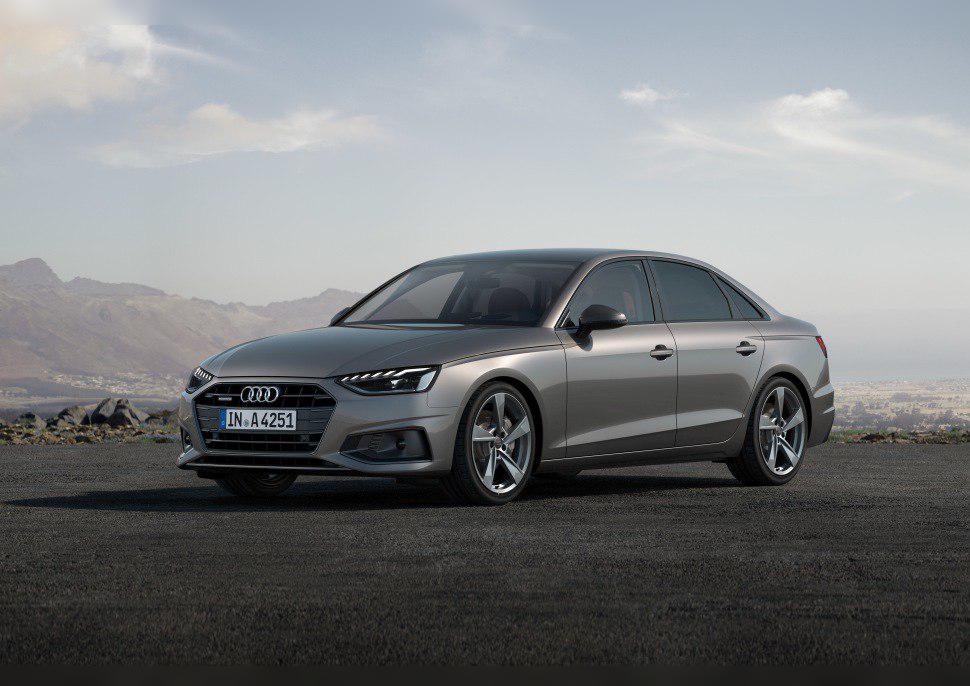
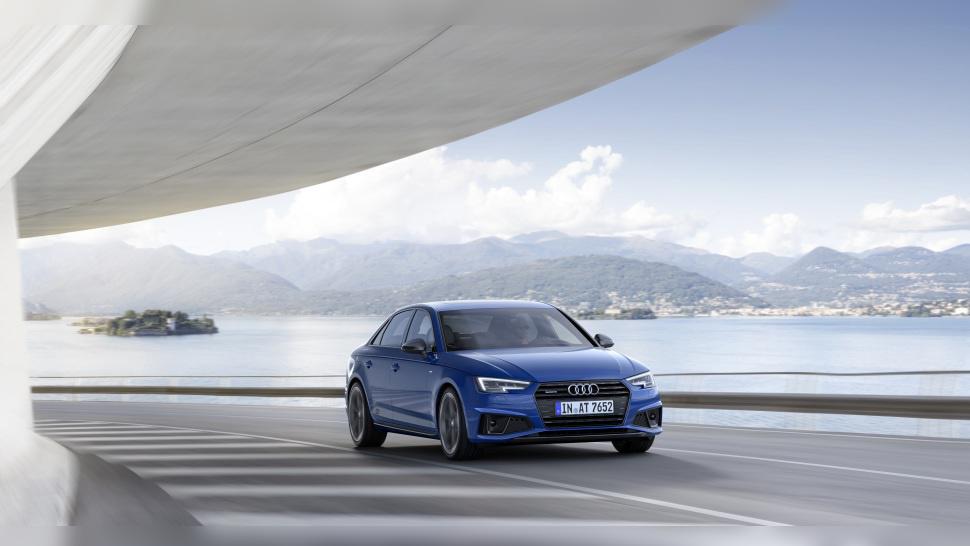
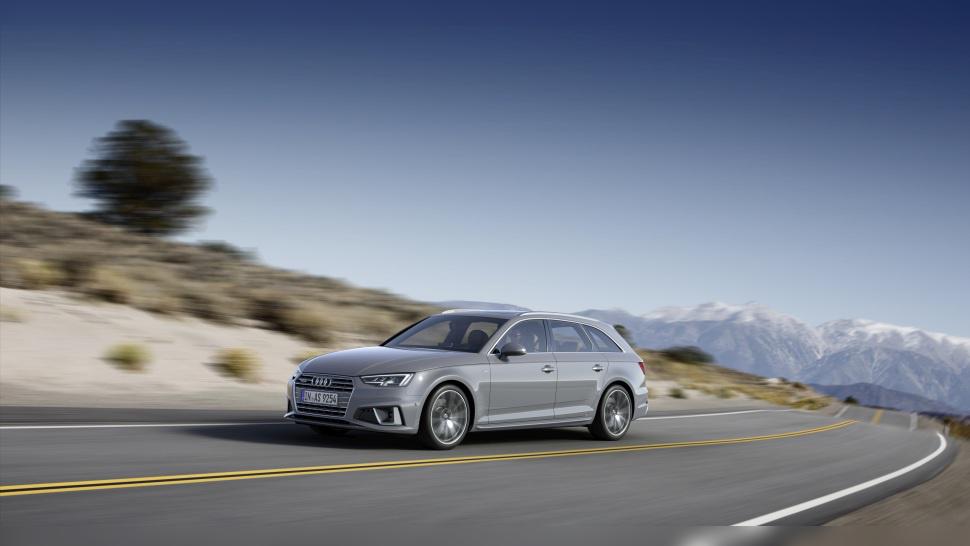
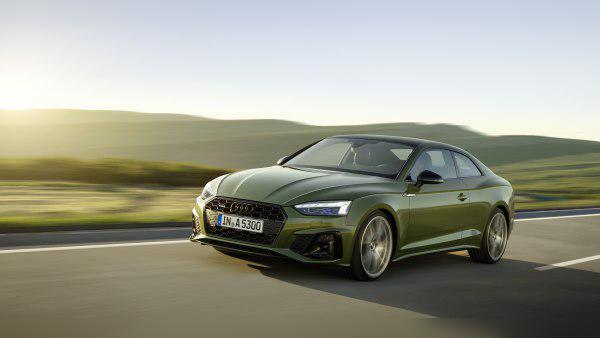
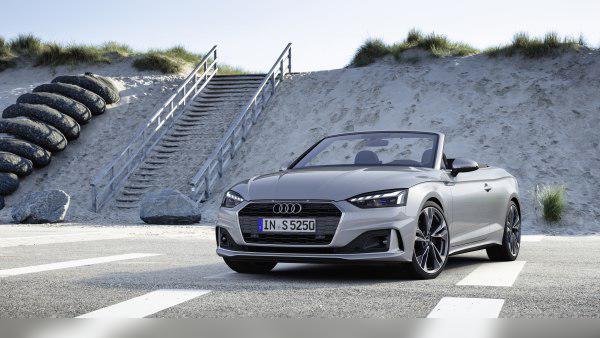
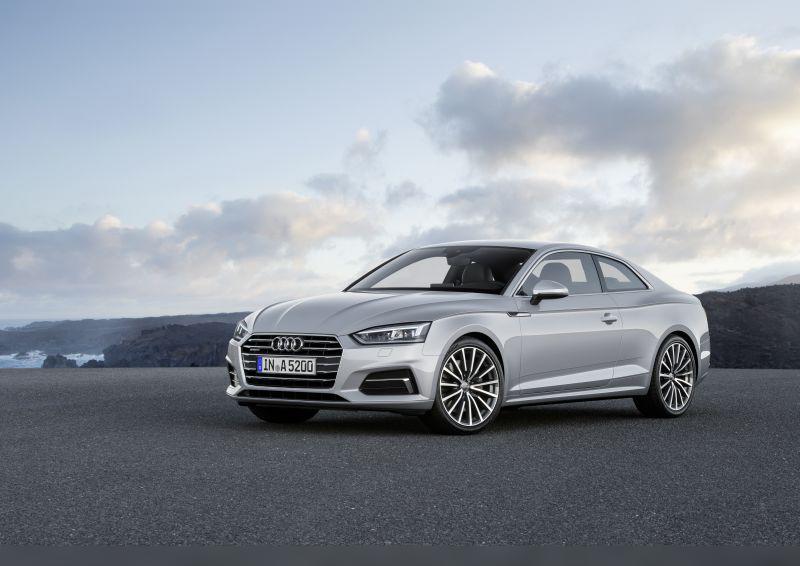
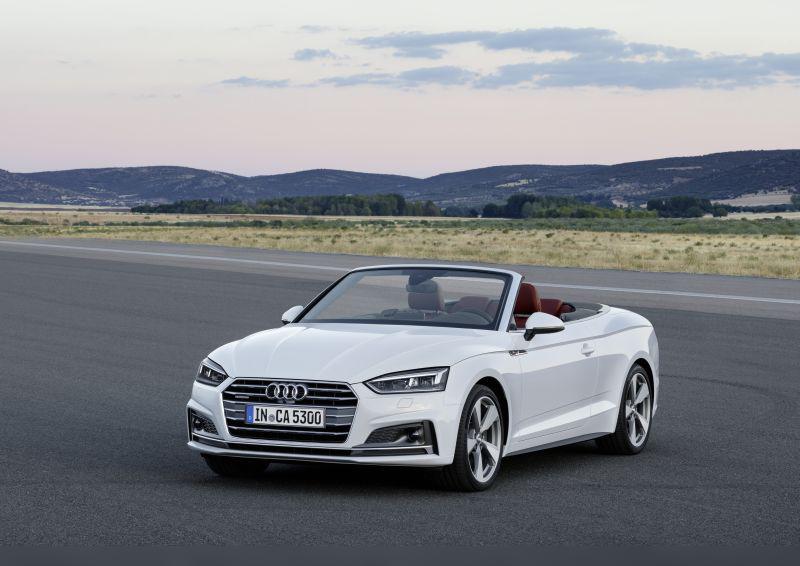
The engine with the code DKNA belongs to the well-known and widely used VW/Audi EA888 engine family (third generation, transition to the fourth, also known as Gen 3B). It was mostly installed in facelifted Audi A4 (B9) and A5 (F5) models from 2018 and 2019 onwards. With its 180 kW (245 HP), this unit represents a “golden middle ground” – it offers performance that seriously encroaches on sports sedan territory, while still keeping fuel consumption reasonable thanks to the integration of a 12V Mild Hybrid (MHEV) system. Whether it’s in a sedan, Avant (wagon) or Cabriolet, the DKNA is an engine designed for smooth highway cruising and sharp acceleration when needed.
Technical specifications
| Specification | Data |
|---|---|
| Engine code | DKNA (EA888 Gen 3B/4) |
| Engine displacement | 1984 cc (2.0L) |
| Power | 180 kW (245 HP) |
| Torque | 370 Nm |
| Fuel type | Petrol (recommended 98+ octane) |
| Injection type | Direct injection (TFSI) |
| Forced induction | Turbocharger (IHI) + intercooler |
Reliability and maintenance
Timing chain or timing belt?
The DKNA engine uses a timing chain. On early generations of EA888 engines, the chain was a nightmare, but in this specification (from 2018 onwards), the timing system has been significantly improved. The guides are thicker and of better quality, as is the chain tensioner itself. Still, the chain is not eternal. There is no strictly prescribed replacement interval (“major service” in the classic sense), but visual inspection and checking the camshaft angle via diagnostics is recommended at around 150,000 km. If you hear a sharp metallic rattle on cold start that lasts longer than 2–3 seconds, it’s time to replace the complete chain set, which is expensive (depends on the market).
Most common failures
This unit is mechanically quite robust, but it has its “gremlin” issues:
- Water pump and thermostat housing: This is the Achilles’ heel of all EA888 engines. The housing is plastic and, due to large temperature variations (oil operating temperature often exceeds 105 °C), it deforms and cracks over time. The symptom is a gradual loss of coolant (you can smell a sweet vapor under the hood). Replacement requires removal of the intake manifold and is quite expensive (depends on the market).
- PCV valve (oil vapor separator): The membrane inside the valve tears. Symptoms are rough, fluctuating idle, increased oil consumption and a characteristic “whistling” sound from the engine bay due to unmetered air.
- Carbon buildup on intake valves: Since this is a direct-injection engine, petrol does not wash the intake valves. Over time, soot and oil vapors accumulate. Symptoms are “stumbling” on cold start and a slight loss of power. “Walnut blasting” cleaning is recommended every 80,000–100,000 km.
Service intervals, oil and spark plugs
This engine takes 5.2 liters of oil. Due to strict standards and the MHEV system, the manufacturer requires a very rare 0W-20 oil (VW 508.00 spec), although many experts recommend switching to 5W-30 (VW 504.00) if you drive in warmer climates, with a slight compromise in fuel consumption and emissions.
Does it consume oil? Yes, it does. Consumption of 0.1 to 0.2 liters per 1,000 km is considered completely normal for this high-performance turbo engine. If it consumes more than 0.5 liters, that indicates a problem (often the aforementioned PCV valve or, in worse cases, stuck oil rings). Do the minor service strictly every 10,000 to 15,000 km, and forget the factory “LongLife” 30,000 km interval if you want the engine to last.
Since this is a petrol engine, spark plugs are replaced every 60,000 km. If the engine is tuned (chiptuning), the interval should be halved to 30,000 km to avoid coil failures.
Specific parts and costs
Dual-mass flywheel
Yes, this model has a dual-mass flywheel, which is designed to absorb torsional vibrations and is most often integrated with the automatic S tronic gearbox. Its lifespan is around 150,000–200,000 km, depending on driving style. Symptoms of a worn flywheel are metallic rattling when driving over speed bumps, jerking when setting off, and vibrations at idle. Replacement is very expensive (depends on the market).
Turbocharger and injection system
The engine has a single but very efficient water-cooled IHI turbocharger. Its service life is long, often exceeding 200,000 km without overhaul, provided you change the oil regularly and don’t switch off a hot engine immediately after hard highway driving. Occasional issues occur with the electronic actuator (wastegate), which can stick and put the car into limp mode (loss of power).
The injection system operates at enormous pressure (over 200 bar). The injectors rarely fail on their own, but they are sensitive to poor-quality fuel. It is recommended to use 98 or 100 octane petrol to prevent detonation (knocking).
DPF, EGR and AdBlue (emissions systems)
Since the DKNA is a petrol engine, it does not have a DPF filter and does not use AdBlue (that’s reserved for diesels). The EGR system is also not a classic external valve that gets clogged with soot; instead, exhaust gas recirculation is done internally through variable valve timing (VVT).
IMPORTANT: Due to Euro 6d-TEMP standards, this engine is equipped with an OPF/GPF (Gasoline Particulate Filter). This is a particulate filter for petrol engines. Unlike a diesel DPF, an OPF is much less prone to clogging because petrol engines run at higher exhaust temperatures, so the filter regenerates more easily by itself. However, exclusively city driving can “choke” it, and the pressure sensors before the OPF filter occasionally fail.
Fuel consumption and performance
With 370 Nm of torque available from as low as 1,600 rpm, this engine behaves like a strong diesel at low revs, but it has a power band that stretches to almost 7,000 rpm. It is anything but lazy; on the contrary, it easily handles the weight of the A4 or A5 body (which exceeds 1,600 kg with quattro). Acceleration is forceful, and overtaking is safe and quick.
- City driving: Expect real-world consumption between 9.5 and 11.5 l/100 km, depending on traffic and how heavy your right foot is. The MHEV (Mild Hybrid) system helps by shutting off the engine when stopping and coasting, saving a few deciliters of fuel.
- Highway: This is the car’s natural habitat. At 130 km/h, the gearbox is in seventh gear and the engine spins at a very relaxed ~2,100 rpm. Consumption then is around 7.0 to 7.5 l/100 km.
Additional options and modifications
LPG (autogas) installation
Is the DKNA suitable for LPG conversion? Short answer: No. Direct injection, an OPF filter in the exhaust and a complex MHEV system make LPG system calibration extremely difficult. Even systems with direct liquid LPG injection are extremely expensive, and the risk of valve seat damage and constant “Check Engine” lights is high. If you are buying this car to save money on fuel with LPG, you are choosing the wrong engine.
Chiptuning (Stage 1)
EA888 engines are widely known as some of the best units for modifications. With a safe ECU remap (Stage 1 software), this engine can easily and safely go from the stock 245 HP to around 300 to 310 HP, and torque rises to over 420 Nm. The gearbox (DL382) can handle this torque without issues, but you will notice more frequent ESP intervention due to the huge power increase at low revs.
Gearbox: S tronic and dual-mass flywheel
It is almost impossible to find a DKNA engine paired with a manual gearbox in newer model years; Audi typically mates it to the 7-speed S tronic (code DL382) automatic dual-clutch gearbox with wet clutches. Versions with all-wheel drive use the so-called “quattro ultra” system, which electronically disconnects the rear axle to save fuel.
S tronic maintenance and issues
This gearbox is extremely fast and precise, but it does not forgive neglect. The oil in the S tronic gearbox must be changed strictly every 60,000 km. If this is skipped, metal shavings from the clutches will clog the channels inside the mechatronics (the electro-hydraulic brain of the gearbox). Repair or replacement of the mechatronics is very expensive (depends on the market).
The most common symptoms of gearbox problems are jerking when setting off (especially uphill), harsh shifts from 1st to 2nd gear, or hesitation during sudden throttle input (kickdown). Replacing the clutch pack and dual-mass flywheel on an S tronic is a major and very costly job (depends on the market).
Buying used and conclusion
What to check before buying?
- Cold start: Ask the seller not to start the car before you arrive. As soon as you start the engine, listen for chain rattle (up to 2 seconds is tolerable; longer means a problem).
- Coolant smell: Open the hood while the engine is hot. If you notice a sweet smell of burnt coolant, you can be sure the water pump housing is leaking.
- Gearbox behavior: Try setting off on a slight incline without pressing the accelerator. If the car jerks or vibrates, the clutch pack is near the end of its life.
- Service history: For this engine, a proper service book with oil changes at a maximum of 15,000 km and gearbox servicing at 60,000 km is the only guarantee of good condition. Skip examples maintained on “LongLife” intervals.
Who is this engine for?
The Audi 2.0 TFSI (DKNA) with 245 HP is a fantastic choice for drivers who cover a lot of highway mileage, want serious driving dynamics and a premium sense of speed, without paying taxes and running costs for larger V6 engines. It is not ideal for short city trips (where the OPF and direct injection will suffer), and it is not meant for those expecting cheap maintenance like with the old 1.9 TDI. Maintaining this kind of technology is costly, but in return you get one of the most modern and most flexible four-cylinder engines on the market today.