Audi 3.0 TFSI V6 EA839 (CWGD) 354 HP – Experiences, problems, fuel consumption and used-car buying tips
Key points (TL;DR)
- Potent and flexible engine: With 354 hp and 500 Nm, it delivers excellent performance thanks to the twin-scroll turbo in a “Hot-V” configuration.
- Rocker arm issue: Early models (built up to mid-2018) have a factory defect on the rocker arms that can cause catastrophic engine failure. Mandatory check!
- Timing chain is at the back: There is no classic major timing service, but when the chain wears out, the engine has to be removed from the car, which means high labor costs.
- Gearbox is bulletproof with proper maintenance: Paired exclusively with the fantastic ZF 8HP Tiptronic, you can forget about dual-mass flywheel worries and S-Tronic jerks.
- City fuel consumption is not low: Expect between 12 and 16 l/100 km, while on the highway it is quite economical.
- Excellent tuning platform: The engine handles remapping extremely well (Stage 1 easily takes it beyond 420 hp).
Contents
- Introduction: About the EA839 CWGD engine
- Technical specifications
- Reliability and maintenance
- Specific components (costs)
- Fuel consumption and performance
- Additional options and modifications
- Gearbox and power delivery
- Buying used and conclusion
Introduction: About the EA839 CWGD engine
The engine with the code CWGD belongs to the modern EA839 family of V6 units developed by Porsche in cooperation with Audi. This 3.0 TFSI replaced the previous, very popular generation (EA837) that used a mechanical supercharger. The main change is the switch to a single large twin-scroll turbocharger positioned inside the “V” of the engine block (the so‑called Hot-V setup). This architecture drastically shortens the exhaust gas path, eliminating turbo lag and providing massive torque at very low revs.
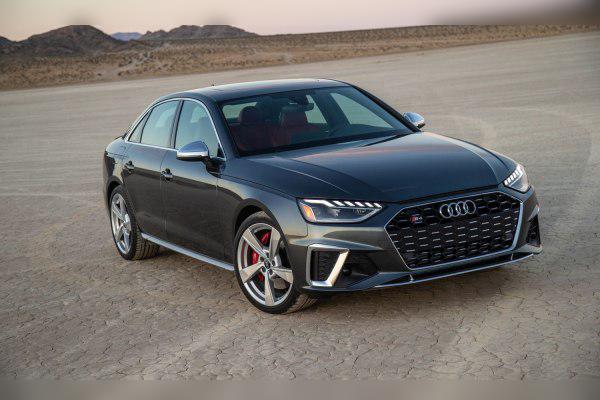
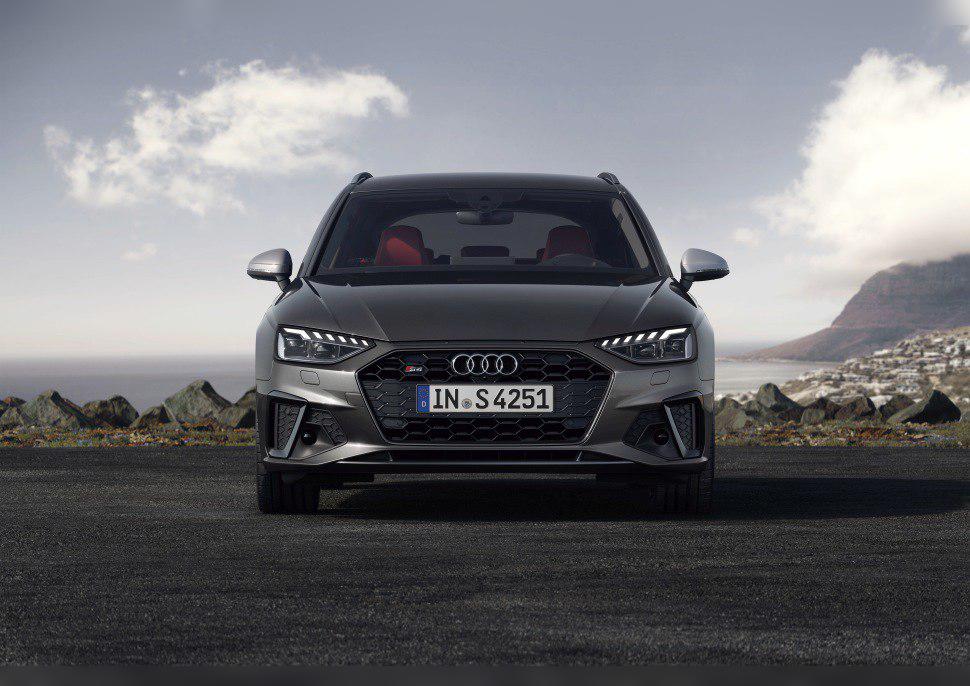
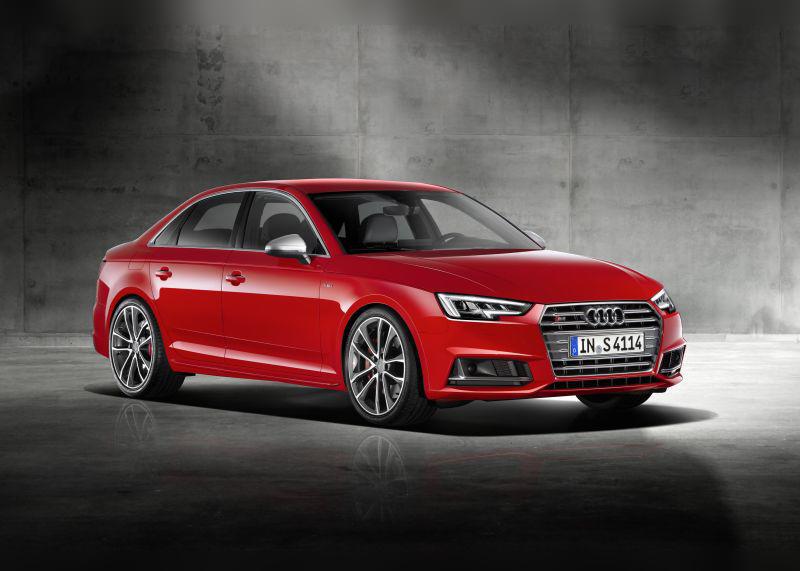
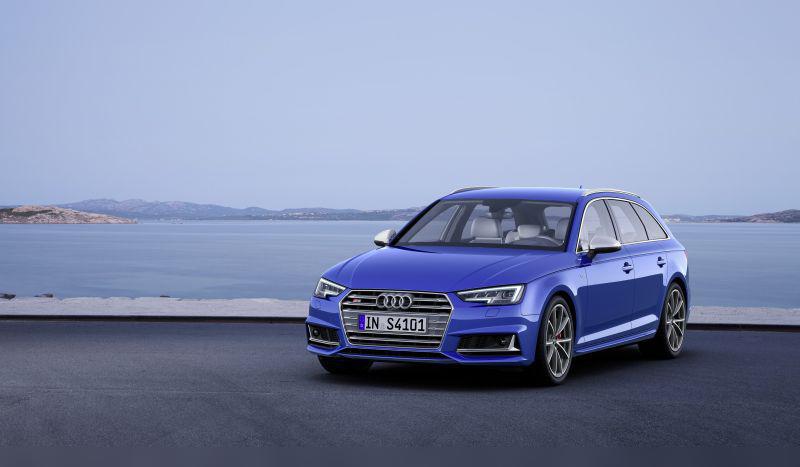
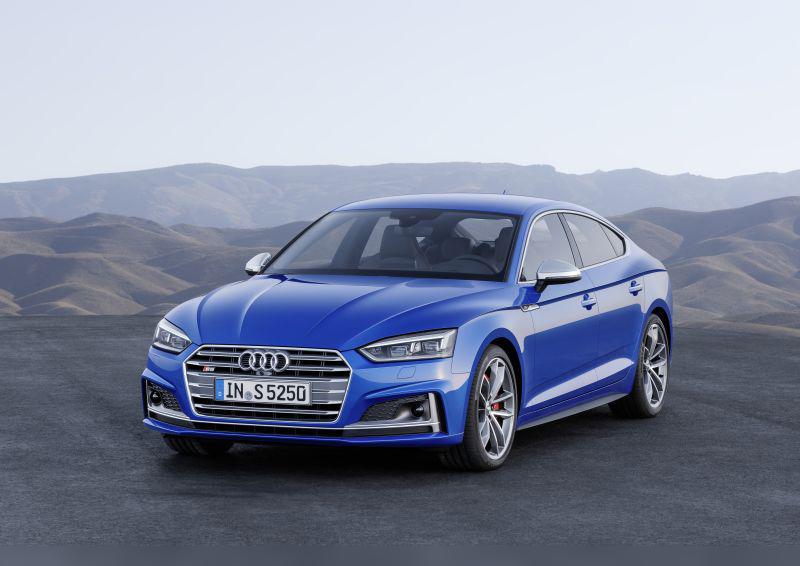
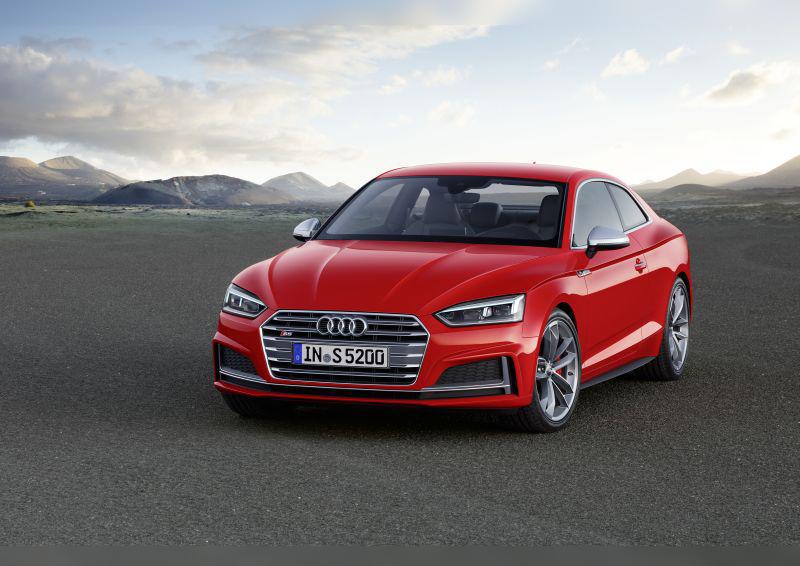
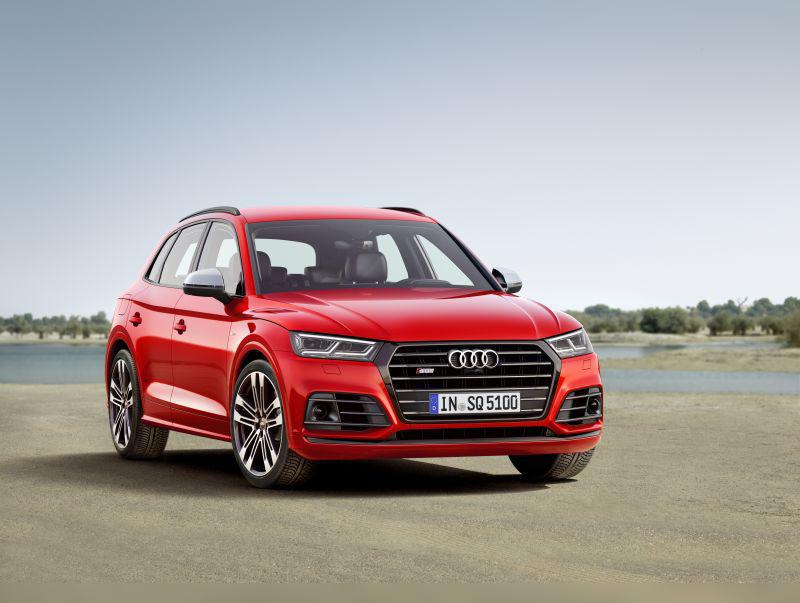
It was primarily installed in performance “S” models of the D segment: Audi S4 and S5 (B9/F5 generations, pre- and post-facelift), as well as in the sporty SUV Audi SQ5 (FY generation). It is important to note that for the European market, after 2019/2020 Audi started fitting TDI engines in “S” models due to strict emission regulations, so this petrol engine remained a true gem for enthusiasts who want a smooth yet brutally fast petrol powertrain.
Technical specifications
| Characteristic | Data |
|---|---|
| Displacement | 2995 cc (3.0 L) |
| Engine power | 260 kW (354 hp) at 5400–6400 rpm |
| Torque | 500 Nm at 1370–4500 rpm |
| Engine codes | CWGD (EA839) |
| Injection type | FSI (high-pressure direct injection) |
| Charging system | Twin-scroll turbocharger with intercooler |
Reliability and maintenance
Timing: chain or belt?
This engine uses a timing chain, not a timing belt. The specific feature (and a nightmare for mechanics) is that the chain is located at the rear of the engine, towards the cabin. Because of this, there is no predefined interval for a “major timing service”. The chain is replaced only when it starts to stretch, which you will notice as a sharp rattling noise on cold start (lasting longer than 2–3 seconds). Replacing the chain requires removing the entire engine from the car, which means very high labor costs. The average service life of the chain, if oil is changed on time, exceeds 200,000 km.
Most common failures
This unit is generally very reliable, but it has a few specific weaknesses:
- Rocker arms: This is the best-known and most dangerous issue on early versions of this engine (models from 2016 to mid-2018). The bearings inside the rocker arms wear out, disintegrate and cause damage to the camshaft or even total engine failure. The symptom is a characteristic ticking noise from the top of the engine. The revised rocker arms are thicker and solve the problem. If you are buying an early model, this is the first thing you must check!
- Coolant leaks: The tight packaging inside the “V” creates huge heat. The plastic thermostat housing and water pump become brittle over time. If you notice a sweet coolant smell around the bonnet or the coolant level is dropping, the problem is usually in this assembly. Repair costs range from 400 to 800 euros (depending on the market).
- PCV valve (oil separator): Its failure can lead to increased oil consumption, rough idle and a whistling noise from the engine due to strong vacuum in the block.
Oil, viscosity and consumption
Oil capacity is about 7.25 liters. The recommended viscosity depends on climate and driving style. The factory usually recommends thin 0W-20 (VW 508.00 spec) for emissions and fuel economy. However, for harsher conditions and spirited driving, experienced mechanics recommend switching to 5W-30 or even 5W-40 high-quality oils that better withstand high temperatures. In practice, an oil service is done every 10,000 to a maximum of 15,000 km, never at 30,000 km as prescribed by the so‑called “LongLife” interval.
As for oil consumption, the EA839 is drastically improved compared to older TFSI generations. Still, it is not immune. It is normal to consume about 0.5 to 1 liter per 5,000 to 8,000 km with spirited driving. If the engine uses 1 liter per 1,000 km, you have a serious problem (stuck piston rings, turbocharger or PCV valve).
Spark plug replacement
Since this is a turbocharged petrol engine with direct injection, cylinder pressures are high. It is recommended to replace spark plugs every 60,000 km. If the engine has been remapped (tuned), the replacement interval should be halved to 30,000 km to avoid coil failures and spark blowout at high revs.
Specific components (costs)
Does the engine have a dual-mass flywheel?
In the models where it was installed, this engine does not have a classic dual-mass flywheel as we know from manual gearboxes or S-Tronic (DSG) gearboxes, because it is paired exclusively with a hydraulic automatic (Tiptronic) that uses a torque converter. The converter absorbs vibrations. Therefore, you do not have the cost of replacing a clutch kit and dual-mass flywheel.
Fuel injection system
This is an FSI engine, which means the injectors spray fuel directly into the cylinder. The injectors themselves are not particularly problematic and rarely fail. However, the big downside of all direct-injection engines is carbon buildup on the intake valves. Since petrol does not wash them, the valves get dirty. Symptoms are rough idle, misfires on cold start and loss of power. The valves need to be physically cleaned with walnut blasting every 80,000 to 100,000 km. The cost of this treatment is moderate (depending on the market).
Turbocharger and service life
It uses a single massive twin-scroll turbocharger. It is located in the center of the engine, which makes it very responsive. It is very robustly built and rarely fails before 200,000 km, provided the engine is properly maintained. What kills this turbo is shutting off a very hot engine immediately after hard driving – always let the engine idle for a minute or two before switching it off so the oil in the turbo can cool down.
Emissions: EGR, DPF and AdBlue
As a petrol engine, it does not have an AdBlue system or a classic DPF like diesels do. It also does not have an external EGR valve with a cooler that can clog; exhaust gas recirculation is handled internally (via valve timing overlap). However, models produced after September 2018 (Euro 6d‑TEMP) are equipped with a OPF (or GPF) gasoline particulate filter. It is far less problematic than a diesel DPF because petrol engines run at higher temperatures, so it regenerates more easily in normal driving, but it does somewhat mute the exhaust sound compared to earlier models.
Fuel consumption and performance
City driving
Do not expect economy. Real-world consumption in stop‑and‑go city traffic with these heavy cars (S4/S5/SQ5) will be between 12 and 16 liters per 100 km. If you enjoy hard acceleration from traffic lights, consumption easily exceeds 18 liters.
Is the engine “lazy”?
Absolutely not. Thanks to the huge 500 Nm of torque available from just 1370 rpm, this engine behaves like a diesel at low revs, yet revs and breathes like a thoroughbred sports petrol engine at the top end. Even in the heavy SQ5 SUV, the car takes off every time you touch the throttle.
Highway driving
This is its natural habitat. The eight-speed gearbox allows extremely low revs. At a cruising speed of 130 km/h, the engine spins at just 1800 to 2000 rpm (depending on tyre size and body style). In these conditions the cabin is perfectly quiet, and fuel consumption drops to a very reasonable 8.5 to 9.5 l/100 km.
Additional options and modifications
Should you install LPG?
In short: No. Due to high-pressure direct injection, a classic sequential LPG system is not possible. You need systems that inject LPG in liquid phase directly through the petrol injectors (e.g. Prins). The price of such systems is extremely high, they are very complex to calibrate, and the savings do not pay off because they completely defeat the purpose of this performance engine. Buying an S4 or S5 with the intention of installing LPG is a bad idea.
Remap (Stage 1)
This is one of the best engines on the market when it comes to tuning. From the factory it is quite “choked”. With a basic remap only, without changing a single mechanical part (Stage 1), power safely jumps from 354 hp to an impressive 420 to 440 hp, and torque to 650–700 Nm. The engine block and internals are extremely strong. If you decide to do this, keep in mind that you must change the oil every 8,000 km and the spark plugs every 30,000 km.
Gearbox and power delivery
Which gearboxes are used?
A manual gearbox is not available on this generation of models. There is also no Audi dual-clutch S-Tronic. The reason is clear: torque and the way power is delivered. That is why Audi paired this engine exclusively with a top-class conventional automatic – the ZF 8HP Tiptronic (8-speed).
Gearbox failures and maintenance
The ZF 8HP is considered one of the most reliable gearboxes ever made. Problems are extremely rare and mostly the result of poor maintenance. If you feel jolts or harsh downshifts from 2nd to 1st when coming to a stop, the issue may be in the gearbox software, accumulated dirt in the mechatronics or worn solenoids. It is very important to check the condition of the gearbox mounts. Since there is no dual-mass flywheel or clutch kit, the main cost lies solely in regular servicing.
The oil and filter in the gearbox (in the pan) must be changed every 60,000 to at most 80,000 km. Audi dealerships often claim the oil is “lifetime”, which every experienced mechanic considers absurd. The cost of this service is 350 to 550 euros (depending on the market).
Buying used and conclusion
What exactly should you check before buying?
- Listen to a cold start: Arrange to see the car early in the morning when the engine has not been started for hours. If you hear chain rattle lasting longer than a second or two, or rhythmic metallic ticking (rocker arms), walk away from the deal or demand a serious price reduction (repairs run into thousands of euros).
- Check the “V” of the block: Remove the upper plastic engine cover and, using a flashlight, look into the space between the cylinder heads (under the intake manifold). If you see pink dried residue, the water pump or thermostat housing needs replacement.
- Diagnostics is mandatory: Even if the “Check Engine” light is off, connect ODIS or VCDS. Monitor misfire counters. If there are many on a particular cylinder, the engine needs valve cleaning or the coils/spark plugs are at the end of their life. Also check the camshaft timing chain adjustment values.
- Suspension and front axle: Since this is quite a heavy engine (on the B9 chassis almost all of it sits ahead of the front axle), the front suspension is under heavy load. Check the upper and lower control arms.
Who is this engine for?
The Audi 3.0 TFSI V6 EA839 is an impressive piece of engineering. It is not as uncompromisingly brutal as the RS models (which use its 2.9‑liter biturbo sibling), but it offers a fantastic balance between everyday comfort and serious performance. It is perfect for drivers who want a fast and powerful car for long journeys and highways, and who also want the beautiful sound of a V6 petrol. It is not cheap to maintain, it requires a deeper pocket for fuel, brake, suspension and tyre costs, but with meticulous maintenance, avoiding early rocker-arm versions and regular oil changes, this is an engine that will put a smile on your face every time you press the throttle.