Audi 2.3 E (NG engine) 133 HP – Experiences, problems, fuel consumption and buying used
Key points (TL;DR)
- Great sound and cult status: The famous Audi inline “five” (5 cylinders), known for its durable engine block and distinctive sound.
- Nightmare called KE-Jetronic: The fuel injection system (fuel distributor head) is the weakest point due to age, and there are fewer and fewer mechanics who know how to repair it.
- LPG and this engine don’t mix well: Installing a basic venturi LPG system usually leads to backfires and damage to the intake, while a sequential system is unprofitable and difficult to implement.
- Oil consumption: Due to age, valve stem seals and piston rings often wear out, so topping up oil becomes a regular occurrence.
- High fuel consumption: In city driving, expect between 12 and 15 liters per 100 kilometers.
- Cheap mechanical maintenance: No dual-mass flywheel, no turbocharger, and no complicated emission systems, which makes basic servicing cheaper.
Contents
- Introduction: A legend from Ingolstadt
- Technical specifications
- Reliability, maintenance and common failures
- Specific parts and fuel injection system
- Fuel consumption, performance and driving impressions
- LPG and tuning
- Gearbox and drivetrain
- Buying used and conclusion
Introduction: A legend from Ingolstadt
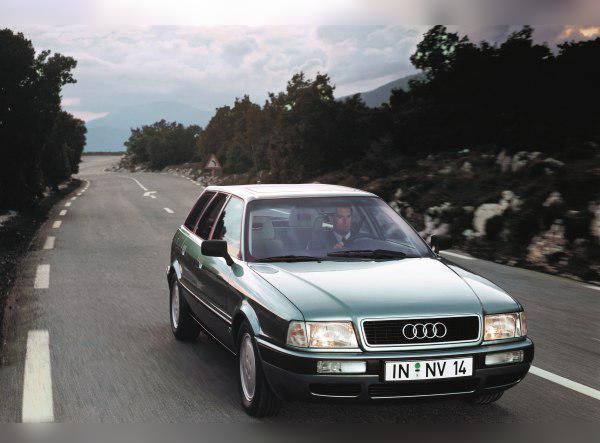
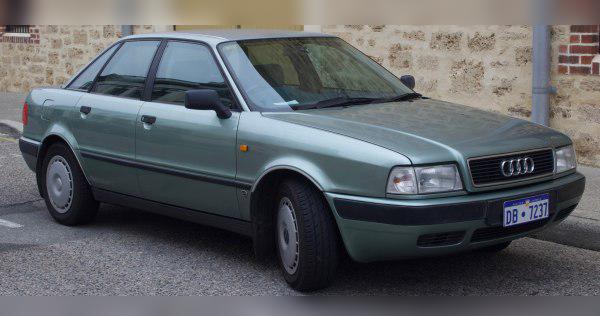
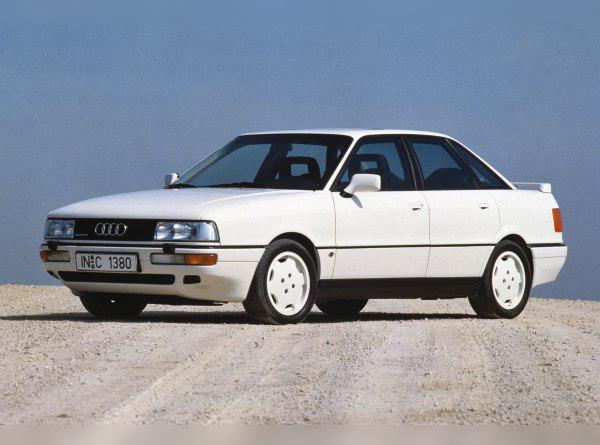
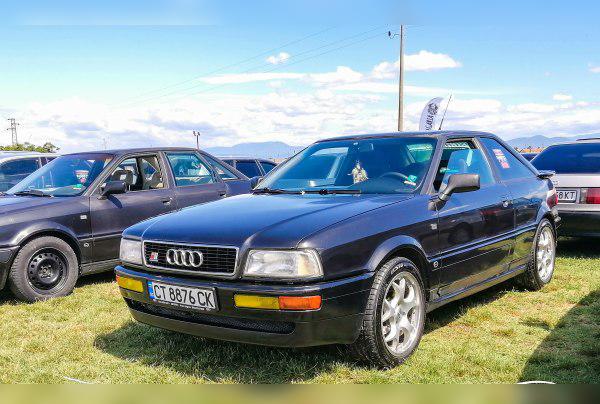
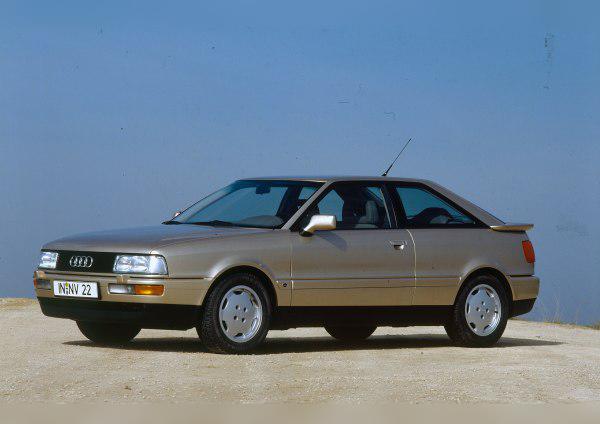
When Audi’s history is mentioned, the inline five-cylinder engines are the absolute jewel in the crown. The engine with the code NG, 2.3 liters in displacement with 133 HP, was installed in the late eighties and early nineties in models such as the Audi 80 and 90 (B3 and B4 generations), the elegant Audi Coupe and the beautiful Audi Cabriolet. This engine was designed in an era when there was no skimping on materials, so the engine block is practically indestructible. However, due to the specific engineering solutions of that time, age has taken its toll, and today it requires the attention of a true enthusiast, not a driver who only wants transport from point A to point B.
Technical specifications
| Parameter | Data |
|---|---|
| Engine code | NG |
| Displacement | 2309 cc (2.3L) |
| Configuration | Inline, 5 cylinders (R5) |
| Power | 98 kW / 133 HP at 5500 rpm |
| Torque | 186 Nm at 4000 rpm |
| Injection type | Bosch KE III-Jetronic (continuous mechanical-electronic) |
| Induction | Naturally aspirated |
| Fuel | Petrol (gasoline) |
Reliability, maintenance and common failures
The mechanics of the NG engine itself are robust, but the auxiliary systems are prone to aging. The engine uses a classic timing belt. Considering the age of these cars, the major service is done preventively every 60,000 to 80,000 km, or every 5 years. A snapped belt leads to serious damage in the cylinder head (bent valves), so this is not something to take lightly.
As for lubrication, the system holds about 4.5 liters of oil. Due to wider tolerances and age, mechanics usually recommend semi-synthetic oil of 10W-40, and for engines with very high mileage even 15W-40 in warmer climates. Oil consumption is a common occurrence. Over time, valve stem seals harden and piston rings wear out, which manifests as bluish smoke from the exhaust on cold start or sudden throttle application. Consumption of around 0.5 liters per 1000 km is considered an acceptable tolerance for such an old engine, but anything above that calls for a “refresh” of the cylinder head (repair costs depend on the market, but are generally not very high).
As a classic petrol engine, it requires regular spark plug replacement. It is recommended to install quality spark plugs every 30,000 to 40,000 km. Bad spark plugs directly affect the operation of the sensitive injection system, causing rough running and misfiring. Also, the ignition leads, rotor arm and distributor cap must be in perfect condition, otherwise you will have major starting problems in damp weather.
Specific parts and fuel injection system
If there is one reason why owners tear their hair out, it is the Bosch KE-Jetronic fuel injection system. This is an early hybrid of mechanical injection with electronic mixture correction. The heart of the system is the so‑called fuel distributor head (K-head). The injectors are mechanical, they open at pressure and over the years they lose the ability to atomize fuel into a fine mist and start to “pee” instead. Symptoms of KE-Jetronic problems are: very long cranking when cold and hot, fluctuating idle speed (engine “racing” on idle), hesitation when you press the throttle and high fuel consumption.
An additional problem is so‑called false air. Due to countless cracks in the old rubber hoses and the intake manifold, the engine draws in unmetered air, which completely confuses the airflow sensor plate and the electronics. Solving these issues is a nightmare because new parts are extremely expensive or unavailable, and there are fewer and fewer mechanics who know how to adjust the fuel distributor head properly, and their services are expensive (depending on the market).
The good news is that this engine is free from many modern headaches. There is no turbocharger, no DPF filter, and since this is a petrol engine from the eighties, it has nothing to do with AdBlue fluid. This is old-school, raw mechanics. Some models have an early version of an EGR valve (most often for the US market) or an evaporative emissions system, but that rarely presents a critical problem.
Fuel consumption, performance and driving impressions
If you are looking for an economical vehicle, steer well clear of the NG engine. Real-world city fuel consumption rarely drops below 12 l/100 km, and in winter conditions or with poorly adjusted injection, it easily climbs to 15 liters. On open roads and highways, consumption can drop to around 7.5 to 8 l/100 km.
Is the engine “lazy”? With 133 HP and 186 Nm, the NG offers very linear and smooth acceleration. In lighter models (such as the Audi 80 B3 and the Coupe without Quattro), the car feels quite lively. However, in the heavier Audi Cabriolet or models with Quattro all-wheel drive, it can feel somewhat sluggish at low revs. The engine really “comes alive” and shows its character above 3000 rpm, when that distinctive, throaty five‑cylinder sound comes to the fore.
On the motorway, the car behaves like a stable cruiser. At 130 km/h with the five-speed manual gearbox, the engine spins at around 3500 to 3800 rpm. Sound insulation in these Audis is excellent for that era, but the engine note is clearly audible – although for fans of this sound, that is a pleasure rather than noise.
LPG and tuning
Should you install LPG on an NG engine? The answer is: NO, unless it is absolutely necessary. Because of the aforementioned KE-Jetronic system, a basic (venturi) LPG kit is a ticking time bomb. Fuel and air are mixed before the intake valves, so backfires in the intake manifold are common. These backfires literally bend or break the airflow sensor plate under the fuel distributor head, after which the car will never run properly on petrol again. There are specific modifications (so‑called “blends” and safety valves), but running on LPG is never perfectly smooth. Installing a sequential LPG system is too expensive, requires drilling the manifold and complex electronic emulators, so it is completely uneconomical for such an old car.
As for ECU tuning (Stage 1), you can forget about it. This is an old-school naturally aspirated engine. Any software manipulation (which is rudimentary on this ECU anyway) will bring at most 5 to 7 HP, which you will not even notice. The only way to significantly increase power is through mechanical modifications (head work, camshafts), which is a very expensive hobby.
Gearbox and drivetrain
The NG engine is most commonly paired with a five-speed manual gearbox which, in mechanic’s terms, is “indestructible”. The most common problems are related to the external shift linkage, which develops play, making gear selection imprecise. As for more serious issues, after 300,000+ km the synchros for second or third gear can fail (grinding when shifting).
There were also automatic gearboxes with 3 or 4 speeds. By today’s standards, these transmissions are extremely slow, increase fuel consumption and blunt the engine’s performance. Automatic gearbox failures are most often related to the torque converter or the valve body, and repairs are expensive (depending on the market).
The great news is that these models have a solid (conventional) flywheel, not a dual-mass one. Replacing the clutch kit (pressure plate, disc, release bearing) for the manual gearbox is not expensive (market-dependent) and is done only when the clutch starts to slip or when the pedal becomes too heavy. The manufacturer considered the oil in the manual gearbox to be “lifetime fill”, but given that these cars are over 30 years old, changing the oil is absolutely recommended. For automatics, servicing the gearbox (oil and filter change) is mandatory every 60,000 km if you want it to last.
Buying used and conclusion
When you go to inspect an Audi with the 2.3 NG engine, make sure to insist that the engine is completely cold before starting. That is when all the flaws of the fuel distributor head become visible. If it cranks for a long time, stalls at idle or runs unevenly (shakes) until it warms up – prepare for serious headaches and expenses related to the injection system. Be sure to rev it out and watch whether blue smoke (valve stem seals and rings) or black smoke (overly rich mixture due to faulty injection) comes out of the exhaust.
As for the bodywork itself, the B3 and B4 models are fully galvanized. If you see rust on the fenders or sills, that is not a typical issue of the model, but a sign that the car was once heavily damaged and poorly repaired.
Who is this car for? Today this engine is bought by enthusiasts, youngtimer collectors and fans of the legendary sound of Audi’s “five‑cylinder”. It is not a car for someone on a tight budget looking for an economical solution for everyday city traffic, because fuel costs and the search for specific parts and skilled mechanics will drain you very quickly.