Engine 1.6 THP 150 HP (5FX EP6DT): Experiences, problems, fuel consumption and used-car buying tips
Key points (TL;DR)
- Performance: Very dynamic engine, offers an excellent driving feel and delivers torque early.
- Timing system: Chain-driven, extremely prone to stretching and requires careful monitoring.
- Injection: Direct injection, the weakest point is the high-pressure fuel pump.
- Oil consumption: Often increased due to wear of valve stem seals and piston rings.
- LPG: Installation is not worthwhile because of the direct injection system.
- Maintenance: Requires strictly regular maintenance; not for drivers who cut corners on servicing.
Contents
- Introduction and engine history
- Technical specifications
- Reliability and maintenance
- Specific parts and costs
- Fuel consumption and performance
- Additional options, LPG and remapping
- Transmissions and drivetrain
- Buying used and conclusion
Introduction and engine history
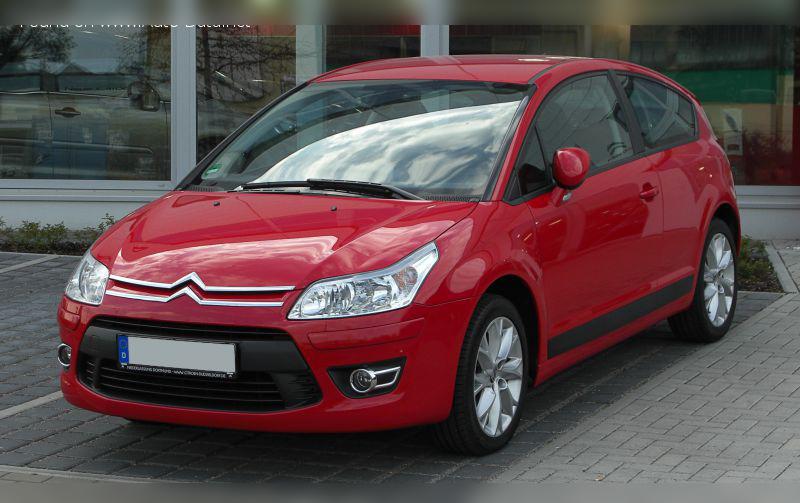
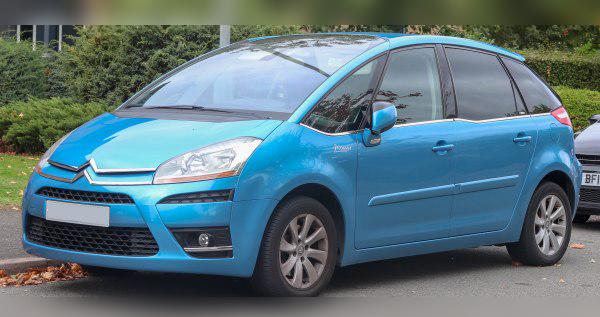
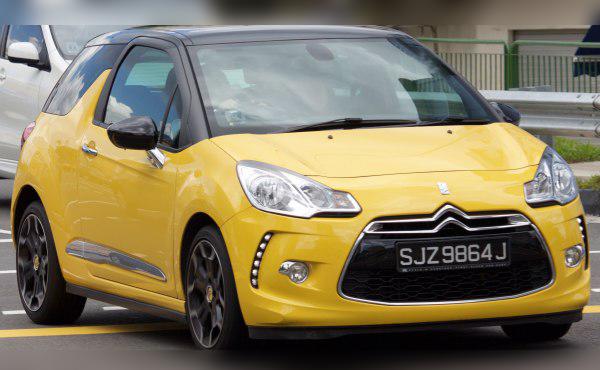
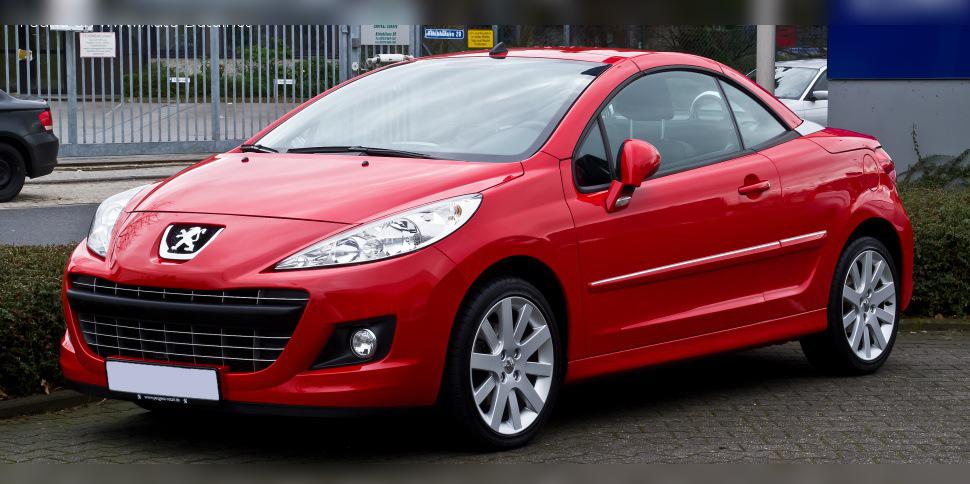
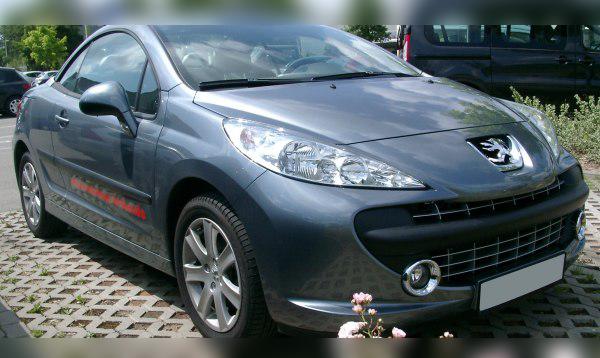
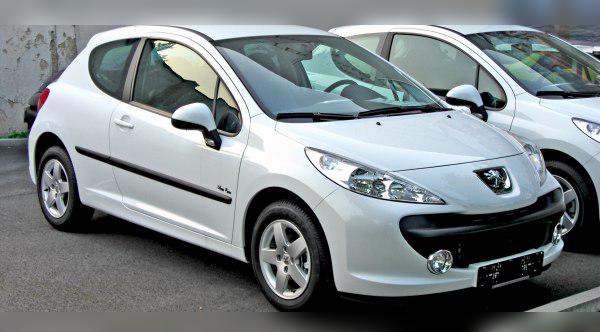
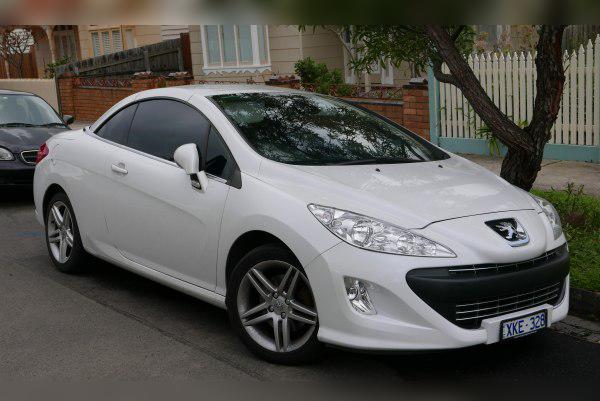
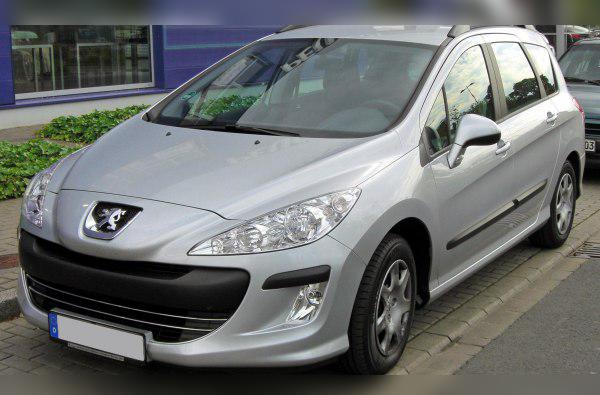
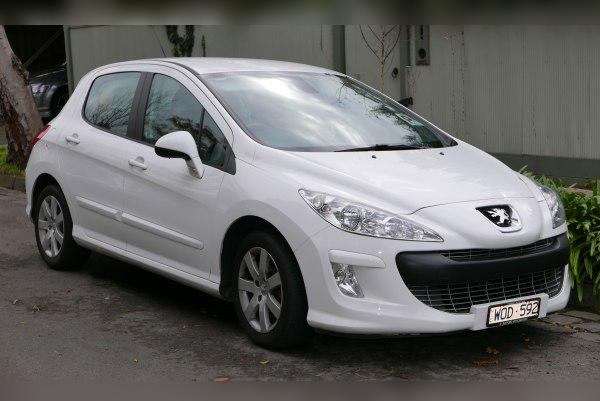
The engine designated as 5FX (EP6DT) is part of the famous (and often notorious) "Prince" family of engines, developed in cooperation between the PSA group (Peugeot-Citroën) and BMW. The idea was to create a compact, lightweight and highly efficient turbo petrol engine to replace older, larger-displacement naturally aspirated units. It was installed in a wide range of vehicles in the late 2000s, from the sporty small Peugeot 207 RC/THP and elegant Citroën DS3, all the way to heavier family cars such as the Peugeot 308 and Citroën C4 Picasso.
Although on paper and on the road this is a fantastic engine, in practice the early phase of this unit brought a series of engineering flaws that today give mechanics and owners serious headaches. This is an engine that demands exceptional care and does not forgive neglect in maintenance.
Technical specifications
| Specification | Data |
|---|---|
| Engine displacement | 1598 cc |
| Power | 110 kW (150 HP) at 5800 rpm |
| Torque | 240 Nm at 1400 - 4000 rpm |
| Engine code | 5FX, EP6DT |
| Injection type | Direct injection |
| Charging | Turbocharger (Twin-Scroll) + intercooler |
| Timing drive | Chain |
Reliability and maintenance
Does this engine have a timing belt or a chain?
This engine uses a chain for the timing drive. Unfortunately, this is also one of its weakest points. The design of the chain tensioner is such that it loses pressure over time, and the chain itself is prone to stretching. The symptoms appear as rattling and a characteristic "diesel sound" from the engine bay, especially at the first cold start in the morning. Ignoring this sound leads to the timing jumping, which can cause a catastrophic collision of valves and pistons.
Most common engine failures (EP6DT)
Apart from the mentioned chain, these are the most common issues with this engine:
- High-pressure fuel pump (HPFP): Fails relatively often. Symptoms are loss of power (engine goes into limp mode), jerking under acceleration and harder starting.
- Carbon buildup on intake valves: Since the engine has direct injection, fuel does not wash the intake valves. Oil vapors from the PCV system deposit and harden on the valves. The car starts to lose power, idle becomes unstable and combustion quality worsens. The solution is mechanical cleaning (often by the "walnut blasting" method).
- Thermostat housing: Prone to cracking and coolant leaks, as well as failure of the integrated temperature sensor.
Major service, oil and service intervals
Although chain-driven engines technically do not have a fixed major service interval like belt-driven ones, in practice the complete chain kit (chain, tensioner, guides, sprockets) is usually replaced between 80,000 and 120,000 km, or as soon as rattling is noticed at cold start.
The engine takes about 4.25 liters of oil. The recommended grade is 5W-30 (most often with the Total Ineo ECS specification) or 0W-30, strictly synthetic low-ash oil (Mid-SAPS or Low-SAPS) in order to slow down soot buildup. Due to the sensitivity of the chain and turbo, the oil service must be done every 10,000 to 12,000 km at most, never at 30,000 km as the manufacturer once suggested.
Oil consumption
Yes, this engine does consume oil, and that is a chronic issue. The causes lie in the poor design of valve stem seals that harden early due to high operating temperatures, as well as piston oil control rings that get stuck. The manufacturer claims that up to 0.5 liters per 1000 km is normal, but any experienced mechanic knows that consumption higher than 1 to 1.5 liters between services (10,000 km) indicates the need for an engine refresh.
Spark plugs
Since this is a turbo petrol engine with direct injection, the spark plugs are exposed to extreme conditions. It is recommended to replace them every 40,000 to 60,000 km. Worn spark plugs directly stress the ignition coils, which also tend to fail as a consequence.
Specific parts and costs
Dual-mass flywheel
Yes, models with manual gearboxes that use this 1.6 THP engine have a dual-mass flywheel. Its task is to dampen the impact of the high torque (240 Nm), but this means that replacing the clutch kit and dual-mass flywheel is expensive (depends on the market).
Injection system
As mentioned, the direct injection system is sensitive. The injectors themselves rarely fail completely, but they can become partially clogged due to poor fuel, which causes rough idle. The most problematic and most expensive element of this system is the high-pressure fuel pump (very expensive, depends on the market), which does not have a long service life.
Turbocharger
The engine has a single turbocharger, but of Twin-Scroll technology, which allows it to spool up incredibly quickly without the so-called "turbo lag". Its lifespan is decent, but under one condition: regular oil changes. The biggest problem is the strainer in the turbo oil feed line. This strainer clogs up from dirty oil, the turbo is left without lubrication and fails. As a preventive measure, mechanics often remove this strainer or shorten the replacement interval of the feed line. In addition, the wastegate rod on the turbo develops play over time, causing the engine to lose boost and log a fault.
DPF, EGR and AdBlue
Since this is a petrol engine, it does not have a DPF filter and does not have an AdBlue system. As for the EGR, it does not have a classic external EGR valve that clogs up, but the exhaust gas recirculation effect is achieved using a variable valve timing (VVT) system. However, as already mentioned, the effect is similar to a clogged EGR on a diesel because the engine suffers from clogged intake valves due to carbon deposits.
Fuel consumption and performance
Real-world fuel consumption
Because of its high efficiency on paper, people expect the fuel consumption of small city cars, but in reality the 1.6 THP can be thirsty. In city driving (especially in heavier vehicles such as the C4 Picasso or Peugeot 308), real consumption is between 9.5 and 11.5 l/100 km. On open roads, with a light right foot, it can be brought down to around 6 l/100 km.
Engine behavior and "sluggishness"
This engine is anything but sluggish. Thanks to the Twin-Scroll turbo, the full torque of 240 Nm is available from an incredible 1400 rpm (almost like a diesel engine). Whether it is in a small Peugeot 207 (where it feels like a real rocket) or in a large seven-seat Citroën C4 Grand Picasso, it offers smooth acceleration and easily copes with the vehicle’s weight.
Motorway driving
On the motorway the engine is very quiet and refined. At 130 km/h, depending on whether the vehicle has a five-speed or six-speed gearbox, the revs are in the ideal range of 2800 to 3200 rpm. There is enough power for safe overtaking even uphill, without the need for constant downshifting.
Additional options and modifications
LPG installation
Installing LPG on the 5FX (EP6DT) is not recommended for the average user. Due to direct injection, classic sequential systems cannot be installed because the petrol injectors must occasionally inject petrol so they do not overheat and melt. The solutions are special dedicated systems for direct injection (which also use some petrol while driving, e.g. 10–15%) or liquid injection systems that use the factory injectors. Both solutions are extremely expensive (very expensive, depends on the market) and are hard to make pay off in the long run, while adding another layer of potential failures to an already sensitive engine.
Remapping (Stage 1)
Hardware-wise, the block and turbo of this engine can withstand a Stage 1 remap, which usually raises power to 180 to 190 HP, and torque close to 300 Nm. However, extreme caution is strongly advised. If the engine is not absolutely mechanically sound beforehand (new chain, clean intake valves, healthy high-pressure pump, oil consumption sorted), remapping will destroy it quickly, leading to piston failure due to detonation. Only perfectly maintained examples should be modified.
Transmissions
Depending on the vehicle, the engine was paired with different gearboxes, which drastically changes the ownership experience.
Manual gearboxes
Most commonly you will find 5- or 6-speed manual gearboxes. They are generally reliable. The most common issues are difficulty engaging certain gears when the selector cables wear out or the clutch is worn. As mentioned, the cost of replacing the clutch and dual-mass flywheel is an expense you must factor in when buying used.
Automatic and automated gearboxes
This is where things get complicated. Models such as the Peugeot 308 and 207 were fitted with the older AL4 / AT8 conventional 4-speed automatic. It is slow, increases fuel consumption and is prone to overheating and failure of the hydraulic solenoids in the mechatronics. The symptoms are harsh jolts when changing gears.
On Citroën Picasso models you will often find the EGS (electronically controlled / automated manual) with 6 speeds. This is not a classic automatic but a manual gearbox operated by a robot. It is very rough and jerky when shifting. Failures usually involve the electric actuator motors (robot) and accelerated clutch wear (expensive, depends on the market).
Transmission maintenance
Regardless of what the service book says ("lifetime oil"), on a manual gearbox the oil should be changed every 80,000 km. If the car has a conventional automatic (AL4), the oil must strictly be changed every 60,000 km, while the automated EGS requires calibration (learning the clutch biting point via diagnostics) at each regular service to make it operate more smoothly and extend clutch life.
Buying used and conclusion
What exactly should you check before buying?
- Completely cold start: Arrange with the seller to keep the engine cold before you arrive. Listen to the first 5–10 seconds of operation. If you hear chain rattling similar to an old diesel, it is a sign that a major expense is coming soon.
- Exhaust smoke: Have someone else press the accelerator hard while the car is stationary. The appearance of bluish smoke means the engine is burning a serious amount of oil (rings or valve stem seals).
- Test drive (full throttle in 3rd gear): The car should pull smoothly from 1500 to 5000 rpm. Any jerking, "hiccuping" or illumination of the check engine light indicates a problem with the high-pressure pump, turbo or heavy carbon buildup.
- Service history: Do not buy this car without proof of regular maintenance. If oil services were done every two years or 30,000 km, feel free to skip that example.
Final verdict: Who is this engine for?
The 1.6 THP 150 (5FX EP6DT) engine is a "wolf in sheep’s clothing". It offers great driving dynamics, excellent torque and a level of refinement that is hard to find among its contemporaries. However, this is not an engine for people who just want cheap transport from point A to point B.
Because of the engineering flaws in its early phase (chain, oil consumption, pump, direct injection), it requires an owner who has a trusted mechanic, who will regularly check the oil level, service it earlier than prescribed and be prepared for occasional more expensive repairs. If you find a flawlessly maintained example and continue to look after it, you will enjoy every kilometre. Otherwise, this engine can very quickly become a nightmare for your budget.