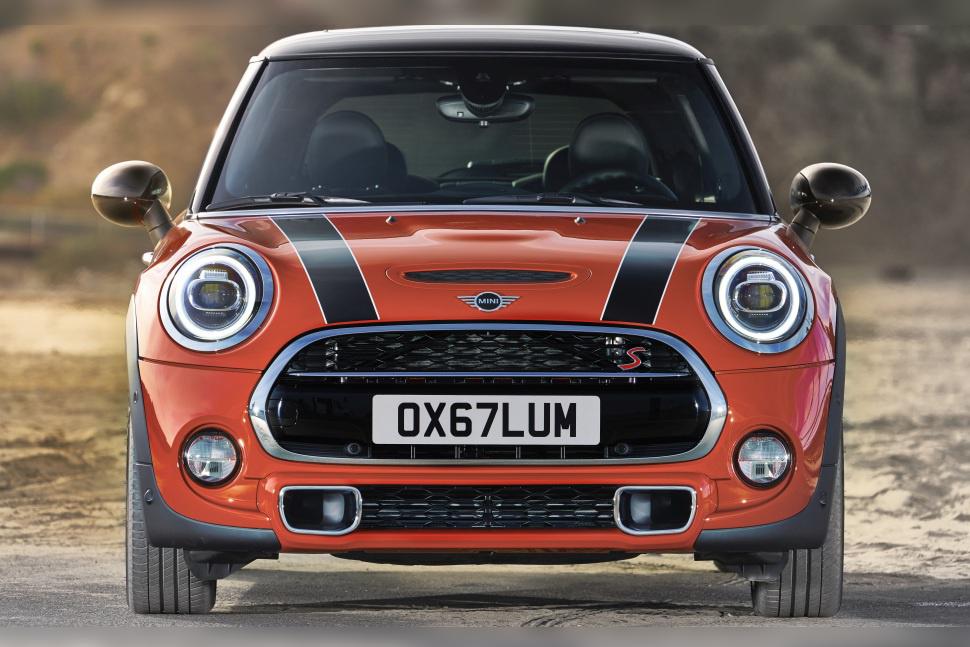
BMW and Mini 1.5 Diesel: Engine B37C15A (116 HP) – Owner experiences, issues, fuel consumption and used-car buying tips
Key points (TL;DR)
- The three-cylinder 1.5 diesel (B37C15A) is an extremely economical unit, ideal for highway and moderate city driving.
- It uses a timing chain instead of a timing belt, which is much more reliable than on older engine generations, but it should still be inspected after 200,000 km.
- The main weak spots are related to emissions systems: the EGR valve (frequent clogging and cooler leaks) and the DPF filter due to short city trips.
- Newer versions feature an AdBlue system that effectively reduces emissions, but can be a source of very expensive failures (pump, sensors).
- Fuel consumption is low: in the city it is around 6 to 7 l/100 km, while on open roads it can drop below 5 l/100 km.
- Automatic transmissions are excellent, but require strict maintenance (oil change every 60,000 km) to avoid failures.
Contents
- Introduction: About the B37C15A engine
- Technical specifications
- Reliability and maintenance
- Specific components and costs
- Fuel consumption and performance
- Additional options and modifications
- Transmission and power delivery
- Buying used and conclusion
Introduction: About the B37C15A engine
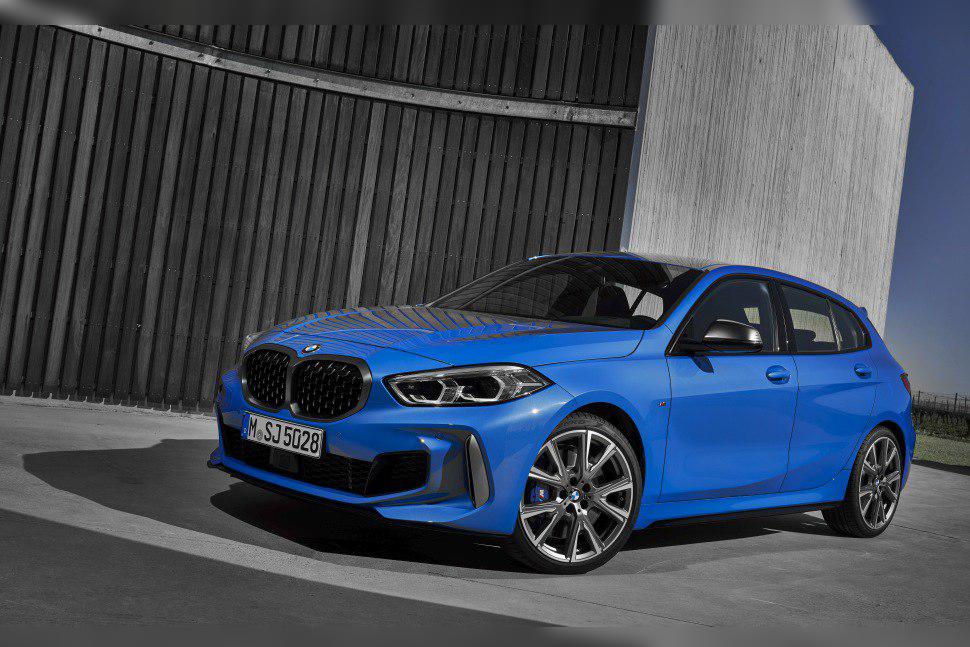
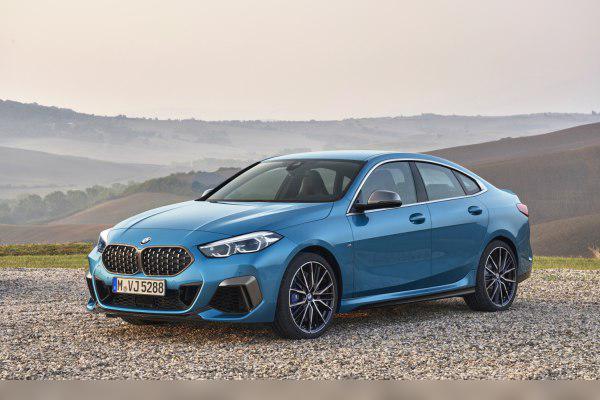
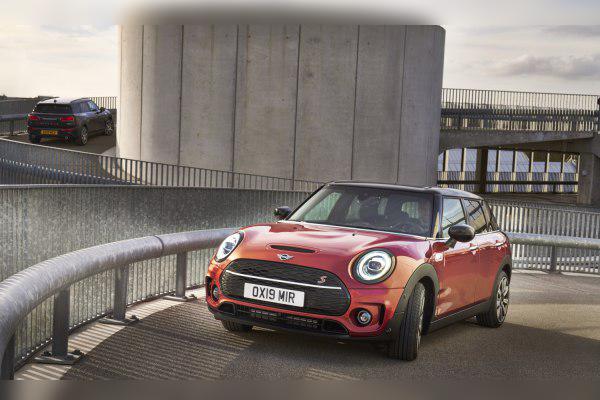
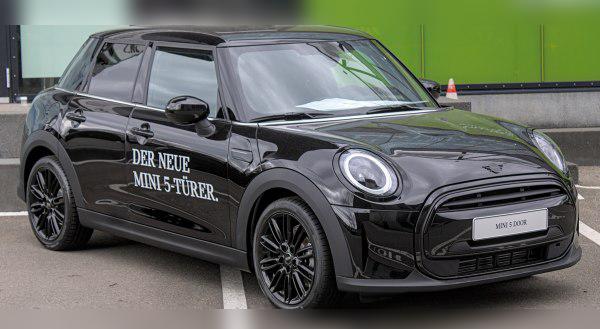
The engine with the code B37C15A is BMW’s answer to the need for compact, economical and clean power units. It is part of a modular engine family (it shares its architecture with the four-cylinder B47 engine, but is “missing” one cylinder). It is mounted transversely, mainly in vehicles based on the UKL platform (front-wheel drive or all-wheel drive). You can find it in a wide range of models from the BMW 1 Series (F40) and 2 Series Gran Coupe (F44) to the entire modern Mini lineup (Hatch, Clubman, Convertible, Countryman).
This is not a racing engine, but with its 116 horsepower and solid torque it offers an excellent compromise between registration costs, fuel consumption and everyday usability. Thanks to the lower weight of the aluminum block, this unit also puts less strain on the front suspension compared to the heavier two‑liter versions.
Technical specifications
| Parameter | Value |
|---|---|
| Engine displacement | 1496 cc |
| Power | 85 kW (116 HP) |
| Torque | 270 Nm |
| Engine code | B37C15A |
| Injection type | Common Rail direct injection |
| Charging | Turbocharger (Variable geometry), intercooler |
Reliability and maintenance
Timing system: belt or chain?
This engine, in true BMW fashion, uses a timing chain. The chain is located at the rear of the engine (towards the gearbox), which makes replacement more complex. The good news, however, is that the B37 is incomparably more reliable in this respect than the notorious N47 series. There is no fixed interval for a “major service” in the sense of mandatory chain replacement at a certain mileage. Replacement is done as needed, most often preventively between 200,000 and 250,000 km, or earlier if you hear a characteristic metallic rattle on cold start (a symptom of chain stretch or a weak tensioner).
Regular service: oil and intervals
The engine takes about 4.4 liters of engine oil. It is recommended to use only fully synthetic oil with viscosity 5W-30 or 0W-30 that meets the BMW Longlife-04 (LL-04) or LL-12FE specification, especially because of the DPF filter. The factory interval is often set to 25,000 to 30,000 km, but any serious mechanic will tell you that is too long. For long turbo and chain life, change the oil every 10,000 to 15,000 km. B37 engines generally do not consume much oil; consumption of 0.2 to 0.5 liters per 10,000 km is considered completely normal and depends on driving style.
Most common failures and fuel injection system
As for diesel injectors, this engine uses a modern Bosch Common Rail system with solenoid injectors. They have proven to be very durable. With quality fuel and regular fuel filter changes, the injectors can easily last more than 250,000 km. Symptoms of worn injectors include rough idle, increased “knocking” when the engine is cold, and white or gray smoke from the exhaust on first start in the morning.
Specific components and costs
Dual-mass flywheel
Yes, the B37C15A engine combined with a manual gearbox (as well as some dual‑clutch automatic versions) uses a dual‑mass flywheel. Its lifespan is usually between 150,000 and 200,000 km, and it is damaged by driving at very low revs and hard acceleration from low revs (so‑called flooring the throttle in a high gear). Replacing the complete clutch kit with flywheel is rated as: expensive to very expensive (depends on the market).
Turbocharger
The system has a single turbocharger with variable geometry (VGT). Turbo lifespan is excellent, often exceeding 200,000 km without overhaul, provided the engine oil is changed regularly. Failures manifest as loss of power (the car goes into limp mode) and excessive whistling under acceleration.
EGR and DPF system
This is the sorest point of the B37 engine. The EGR valve and its cooler are prone to clogging and cracking. If you notice the engine slowly losing coolant (antifreeze) without visible leaks under the car, the problem is often the EGR cooler, which lets coolant into the intake (BMW even issued service campaigns for this). The DPF filter often clogs if the car is driven exclusively in city conditions on short trips, because the system fails to reach the roughly 600 °C needed for regeneration. DPF repairs or replacement are rated as: very expensive (depends on the market).
AdBlue system (SCR)
Newer versions of this engine (mainly facelift Mini models from 2018/2019 and the BMW F40) compliant with Euro 6d standards feature an AdBlue system for NOx reduction. This system causes issues due to crystallization of the fluid at the exhaust injector, or due to failure of the level sensor in the tank and NOx sensors. When the system detects a fault, a countdown appears on the instrument cluster showing how many kilometers you can still drive before the car will no longer start. Maintenance means topping up only fresh AdBlue fluid, and repairs are: very expensive (depends on the market).
Fuel consumption and performance
In the city and on open roads
Real-world fuel consumption in city stop‑and‑go traffic ranges from 6.0 to 7.5 l/100 km, depending on vehicle weight (the Mini Hatch uses less than the heavier Countryman). This engine copes very well in the city, turbo lag is minimal, and 270 Nm of torque is available from around 1,750 rpm.
Is the engine “sluggish”?
In models such as the Mini 3‑door/5‑door (F55/F56) or BMW 1 Series, 116 HP is perfectly adequate for lively everyday driving. However, in the larger Mini Countryman (F60), when the car is loaded with passengers and luggage, the engine can feel slightly “sluggish” during uphill overtakes and requires planning and a downshift.
Motorway driving
On the motorway the engine is very smooth for a three‑cylinder (thanks to the balance shaft and excellent engine mounts). Cruising at 130 km/h in top gear (depending on whether it’s a 6‑, 7‑ or 8‑speed) the engine spins at about 2,000 to 2,200 rpm. Noise is minimal, and motorway consumption stays at an excellent 5.0 to 5.5 l/100 km.
Additional options and modifications
Remapping (Stage 1)
Thanks to its strong mechanical base (block and crankshaft are very robustly designed), the B37C15A responds very well to a so‑called Stage 1 software remap. It can safely be increased to around 140 to 150 HP, while torque rises to approximately 320 to 330 Nm. This modification drastically improves in‑gear acceleration. However, before remapping it is absolutely essential to check the condition of the DPF filter and the turbocharger, because higher boost pressure accelerates the failure of worn components.
Transmission and power delivery
Types of gearboxes
Different gearboxes were paired with the B37C15A depending on model and production year:
- 6‑speed manual: Extremely reliable and precise.
- 6‑speed Aisin automatic: Installed in earlier models. A conventional automatic with a torque converter.
- 7‑speed DCT (Steptronic) automatic: Dual‑clutch gearbox used in newer models (BMW F40, newer Minis). Extremely fast, but mechanically more complex.
Transmission failures and maintenance
Manual gearboxes rarely cause headaches. The biggest expense there is replacing the clutch kit and dual‑mass flywheel when they wear out. As for automatics, they do require maintenance. If the oil is not changed regularly, DCT gearboxes suffer mechatronics and clutch pack failures, while Aisin gearboxes develop harsh shifts due to clogged valves in the valve body. Recommended replacement intervals:
- Manual gearbox: Oil change recommended at 100,000 km.
- Automatic gearboxes: Mandatory oil and filter change every 60,000 to 80,000 km. The cost of this service is: expensive (depends on the market).
Buying used and conclusion
What to check before buying?
When inspecting a used car with the B37 engine, forget about cosmetic details and focus on the mechanics:
- Cold start: Listen to the engine during the first few seconds after starting. Any metallic rattling from the rear of the engine indicates a stretched chain.
- DPF diagnostics: Connect the car to OEM (or high‑quality dedicated) diagnostics and check the pressure before the DPF and the time since the last successful regeneration.
- Coolant level: Check the coolant expansion tank. Low coolant may indicate a problem with the EGR cooler.
- Automatic gearbox test drive: The gearbox must shift smoothly and imperceptibly. Jerks when shifting from D to R or when stopping are a red flag.
Conclusion
The BMW B37C15A engine (116 HP) is an excellent choice for drivers who regularly cover decent mileage on open roads and highways, where its outstanding efficiency and refinement really shine. If you plan to use the car only for two‑kilometer trips in city traffic, avoid this diesel, as issues with the DPF, EGR and AdBlue systems will quickly drain your wallet. With regular maintenance (shortened oil change intervals) and occasional “blow‑out” runs on the motorway, this engine is an extremely reliable companion.