BMW 116d (B37D15A) 1.5 116 HP – Experiences, problems, fuel consumption and used car buying guide
- Low fuel consumption: Extremely economical engine, ideal for everyday driving.
- Timing chain drive: The timing chain is located at the rear of the engine, which makes replacement more expensive.
- 3-cylinder vibrations: Due to the odd number of cylinders, the engine is less refined and wears out engine mounts faster.
- EGR system and cooler: Prone to coolant leaks, a frequent subject of factory recalls.
- Automatic gearbox: The 8-speed ZF automatic is excellent and a much better choice than the manual gearbox.
- Modifications: The engine handles Stage 1 remap very well, which masks the initial “sluggishness”.
Contents
- Introduction
- Technical specifications
- Reliability and maintenance
- Specific parts (Costs)
- Fuel consumption and performance
- Additional options and modifications
- Gearbox
- Buying used and conclusion
Introduction
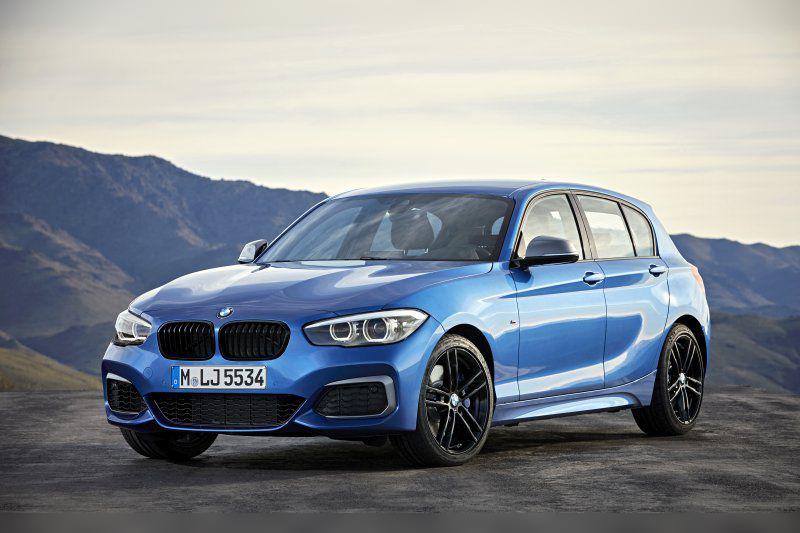
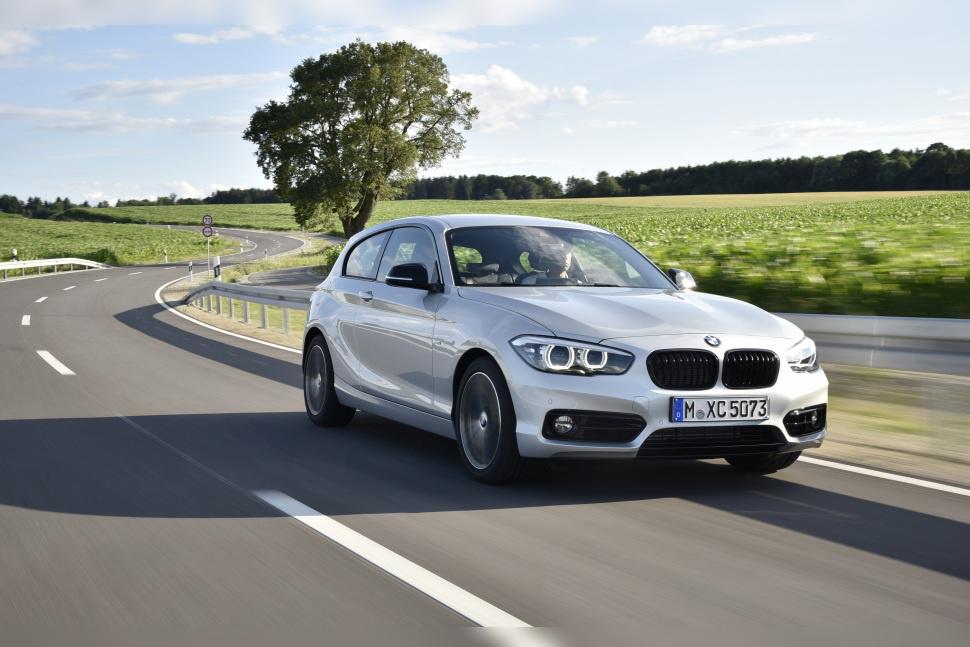
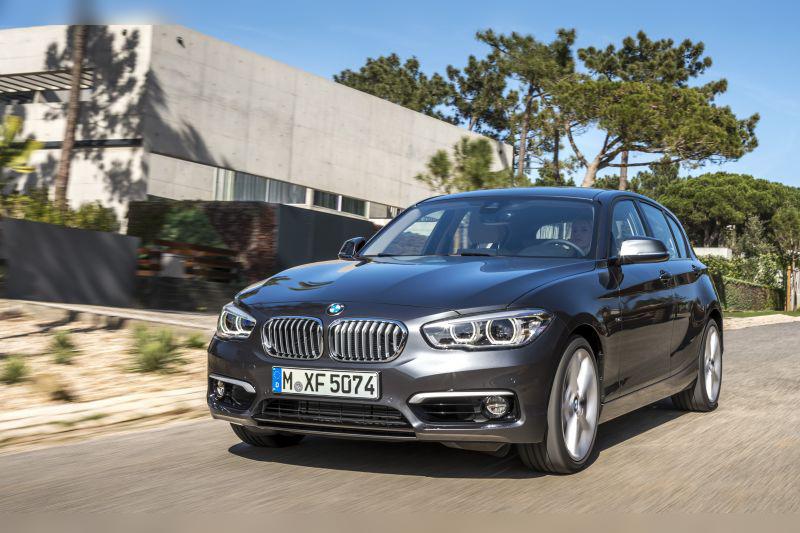
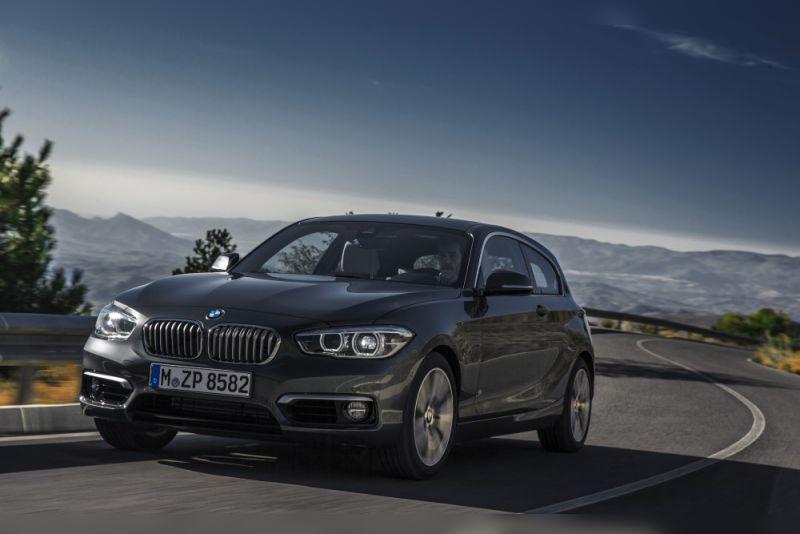
The engine designated as B37D15A is BMW’s three-cylinder diesel unit that replaced the older, more problematic four-cylinder N47 engines in entry-level models. It was primarily installed in the facelift (LCI) versions of the 1 Series (F20 with 5 doors and F21 with 3 doors) from 2015 onwards. This engine belongs to the modular “B” generation, which means it shares architecture and many components with the larger 2.0-liter B47 engine, only with one cylinder less. It is important to understand that this engine is a compromise – it was created to meet strict emission standards and provide maximum efficiency, which means you have to accept a slightly rougher operation and a specific sound characteristic of three-cylinder engines.
Technical specifications
| Parameter | Value |
|---|---|
| Engine displacement | 1496 cc |
| Power | 85 kW (116 HP) |
| Torque | 270 Nm |
| Engine code | B37D15A |
| Injection type | Common Rail (Direct injection) |
| Turbo/Naturally aspirated | TwinPower Turbo (Single turbo, variable geometry) |
Reliability and maintenance
Drive and timing system
This engine uses a chain for driving the camshaft, not a timing belt. Unlike the notorious N47 engine, the chain on B37 engines is significantly more reliable, but not indestructible. The problem is that the chain is located at the rear of the engine, towards the firewall and gearbox. A classic “major service” is not done in the traditional sense every 100,000 km, but chain replacement is recommended between 150,000 and 200,000 km. Replacing the chain requires removing the engine or taking off the gearbox, which makes this intervention very expensive (Depends on the market).
Regular maintenance and oil
The B37D15A engine takes approximately 4.4 liters of engine oil. It is strongly recommended to use fully synthetic oil with a viscosity grade of 5W-30 or 0W-30 that meets the BMW Longlife-04 specification (because of the DPF filter). Between two services (which should be done every 10,000 to 15,000 km at most, ignore the factory advice of 30,000 km), the engine usually does not consume a large amount of oil. A loss of up to 0.5 liters per 10,000 km is considered normal. If it consumes more, the usual culprits are valve stem seals, a worn turbocharger or piston rings.
Injectors and fuel injection
The injectors on this engine are piezoelectric or solenoid (depending on the year), made by Bosch, and are generally very durable. Their lifespan is usually over 200,000 km with regular fuel filter changes and using quality diesel fuel. If they start to fail, symptoms include rough idling, increased vibrations, difficult cold starts and black smoke when accelerating. Replacing or refurbishing injectors can be expensive (Depends on the market).
Specific parts (Costs)
Clutch and dual-mass flywheel
Yes, if paired with a manual gearbox, this engine has a dual-mass flywheel. Its role is to dampen the sharp vibrations of the three-cylinder diesel. Due to the inherent balance of the 3-cylinder block, the dual-mass flywheel is subjected to significantly higher shocks than on a 4-cylinder engine, so its lifespan is often shorter (around 150,000 km in city driving). A clutch kit with a dual-mass flywheel falls into the – expensive – category (Depends on the market).
Turbocharger
Although the name says “TwinPower”, that does not mean it has two turbos. It is a single turbocharger with variable geometry (VGT). The turbo is reliable and can last as long as the engine itself if the oil is changed regularly and the car is not switched off while the turbo is very hot immediately after hard driving on the motorway.
DPF, EGR and AdBlue systems
This model is equipped with a DPF filter and an EGR valve. The DPF filter only causes problems for drivers who mostly use the car for short city trips where the system cannot perform regeneration.
On the other hand, the EGR system is the weakest point of this engine. Specifically, the EGR cooler is prone to internal cracking, which leads to mixing of coolant and hot exhaust gases. The symptom is a mysterious loss of coolant without visible puddles under the car. In the worst-case scenario, this can lead to the intake manifold melting and even a fire. BMW has issued massive recalls for this problem, so be sure to check with an authorized dealer using the VIN number whether the replacement has already been carried out free of charge.
As for the AdBlue system (SCR technology), it was mostly installed from mid-2018 onwards in order to meet the Euro 6d-TEMP standard. Early F20 LCI models with the B37 engine (2015–2017) generally do not have it. If your car does have AdBlue, the most common problems are failure of the dosing pump or NOx sensors, whose repair can be very expensive (Depends on the market).
Fuel consumption and performance
Real-world fuel consumption
This is the area where the 116d excels. In pure city driving, real-world consumption is around 5.5 to 6.5 l/100 km, depending on traffic. On the open road it drops below 4.5 l/100 km.
Performance
Is the engine “sluggish”? For an average driver, no, but don’t expect sports-car performance. With 116 HP, the engine copes well thanks to a solid 270 Nm of torque available from just 1750 rpm. The 1 Series body is fairly heavy, so the engine starts to show signs of weakness during more aggressive overtaking, especially on inclines or when the car is fully loaded with passengers.
On the motorway it behaves surprisingly well. At 130 km/h in 8th gear (if you have the ZF automatic), the engine cruises at a very low ~2000 to 2200 rpm, which guarantees cabin quietness and an incredibly low consumption of around 5 l/100 km. With the manual gearbox, revs in 6th gear are only slightly higher.
Additional options and modifications
Given that this is a software-detuned version, the B37 engine is an excellent candidate for a Stage 1 remap (chip tuning). The stock 116 HP and 270 Nm can be safely raised to around 145 to 150 HP and 330 Nm of torque. This completely changes the character of the car, eliminating that feeling of “sluggishness” when overtaking. Of course, the condition for remapping is that the DPF, turbocharger and clutch are in perfect working order.
Gearbox
Two types of gearboxes were available with this engine:
1. 6-speed manual gearbox
2. 8-speed ZF Steptronic automatic gearbox.
Gearbox failures and maintenance
With the manual gearbox, the gearbox itself is extremely robust, but the biggest issue is the clutch and the dual-mass flywheel. Replacement is inevitable at higher mileages and falls into the category of expensive maintenance (Depends on the market). In addition, the synchros for first and second gear can be stiff when shifting while the gearbox oil is still cold.
The ZF 8-speed automatic gearbox is considered one of the best automatic transmissions today. It shifts gears very quickly and keeps the engine perfectly in the ideal rev range, which does a great job of masking this engine’s lack of power. Although BMW claims that the oil in it is “lifetime”, real mechanics and the gearbox manufacturer (ZF) insist that gearbox servicing (oil and pan with filter change) must be done every 80,000 to 100,000 km. Failures of the automatic are extremely rare if the oil has been changed regularly. In case of failure, mechatronics refurbishment is very expensive (Depends on the market).
Buying used and conclusion
What to check before buying?
- Rattling on cold start: Ask the seller not to start the car before you arrive. At the first start, listen carefully to the rear of the engine. Any metallic scraping or rattling noise (like scratching on sheet metal) means that the chain is stretched.
- Coolant level and soot around the EGR: Check the coolant expansion tank. If the level is below minimum, it is very likely losing coolant at the EGR cooler.
- Vibrations in the cabin: Due to the 3-cylinder architecture, the engine has to vibrate more than usual, but excessive vibrations on the steering wheel and seat at idle indicate worn engine mounts (which are not cheap).
- DPF diagnostics: Be sure to connect a diagnostic tool and check the ash mass values and how many kilometers have passed since the last regeneration.
Conclusion
The BMW 116d with the B37 engine is designed for younger drivers, couples and drivers who cover decent daily mileage and want a premium car with the propeller badge on the bonnet with minimal fuel costs. It is not intended for traffic-light drag races nor for constant driving with five adults and a full boot. When buying, the warmest recommendation is to find a model paired with the ZF automatic gearbox, because it smooths out the drawbacks of the 3-cylinder engine incomparably better than you ever could with a manual. Avoid cars without a known service history, because repairs to the chain and DPF can very easily exceed the economic justification for buying this car.