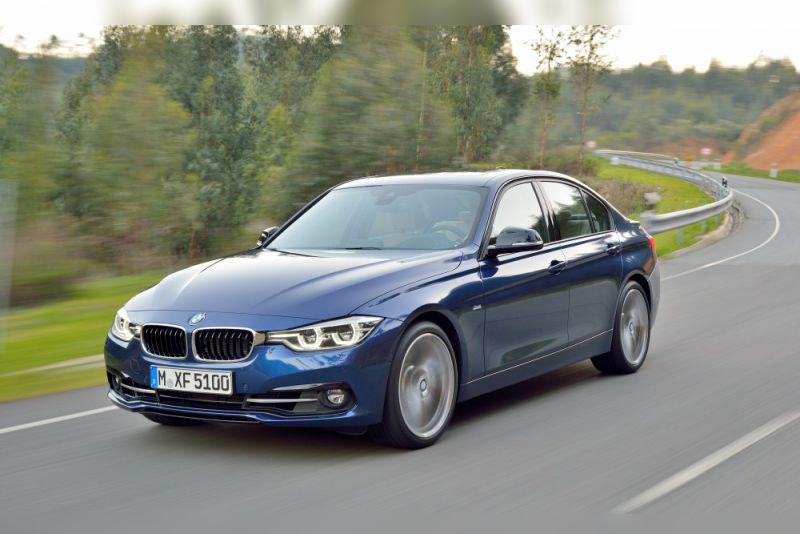
BMW B38B15A (1.5 136 hp) – Experiences, problems, fuel consumption and used car buying tips
Key points (TL;DR)
- Three-cylinder petrol engine: The B38 is a modular engine (half of the famous B58) and runs surprisingly smoothly for a three-cylinder.
- Timing chain drive: The engine uses a timing chain located at the rear (towards the gearbox), which makes the major service more complex and expensive.
- Early issues (up to 2015): Early models with a manual gearbox had a serious problem with the crankshaft thrust bearing.
- Not suitable for LPG: Due to the direct fuel injection system, LPG conversion is complicated and not cost-effective.
- Best with automatic: The 8-speed ZF Steptronic automatic gearbox is an excellent match for this engine in terms of both performance and reliability.
- Excellent for the 1 Series: In the F20/F21 body it offers great dynamics, while in the heavier 3 Series (F30/F31) it can feel slightly “lazy” under full load.
Contents
- Introduction and basic information
- Technical specifications
- Reliability and maintenance
- Specific parts and costs
- Fuel consumption and performance
- Additional options and modifications
- Transmissions and drivetrain
- Buying used and conclusion
Introduction and basic information
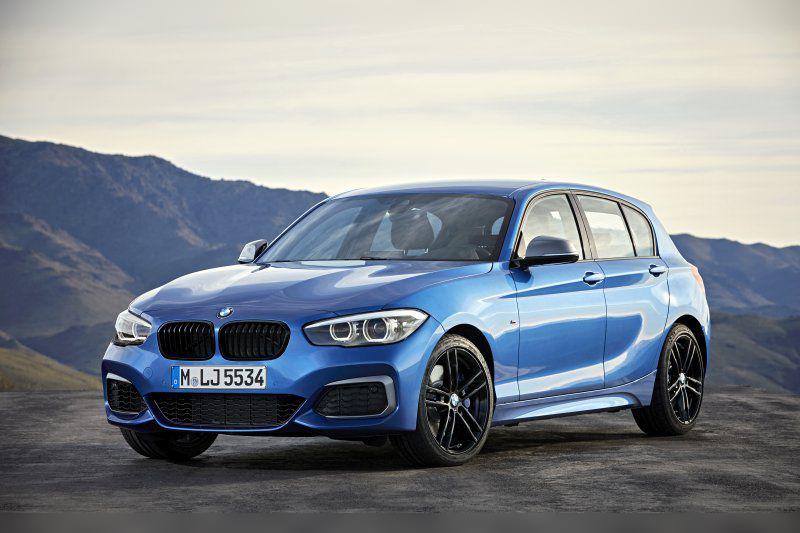
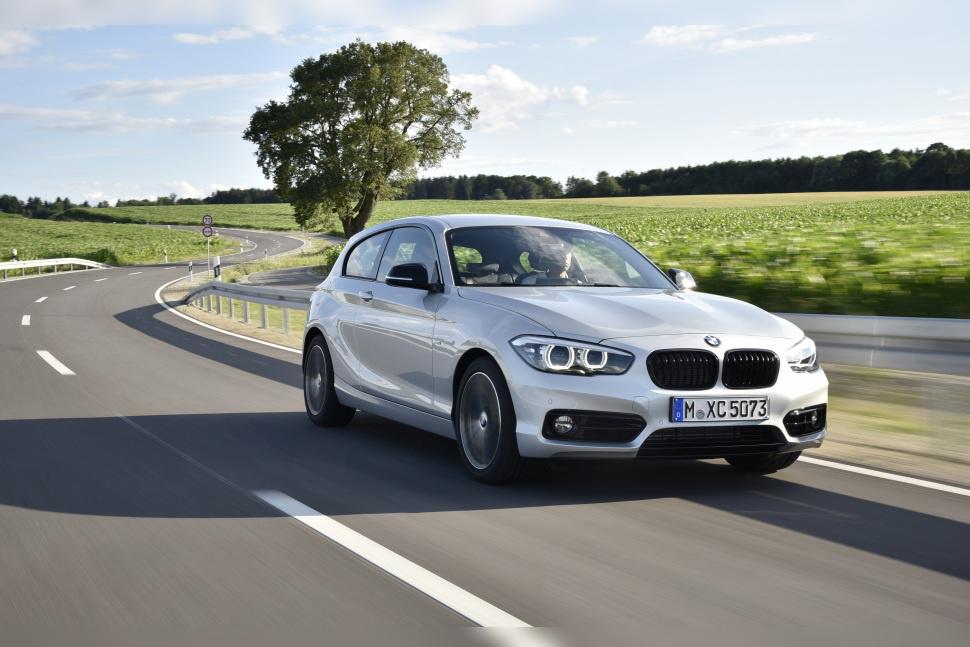
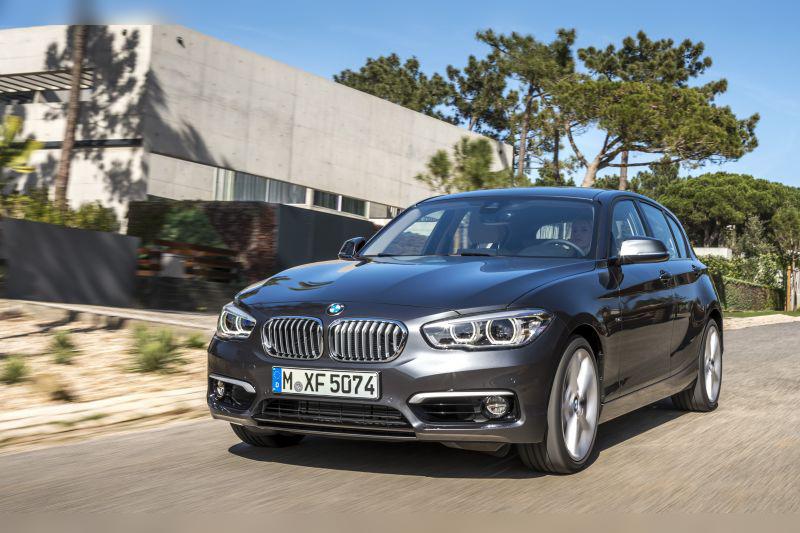
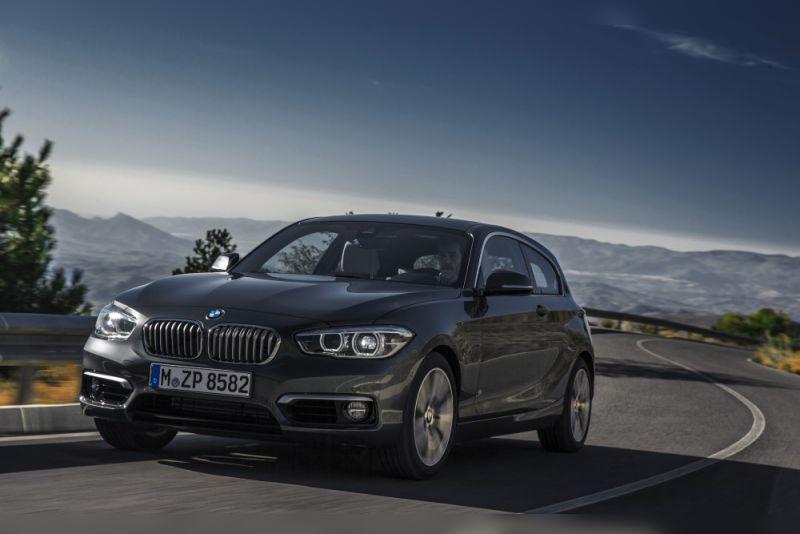
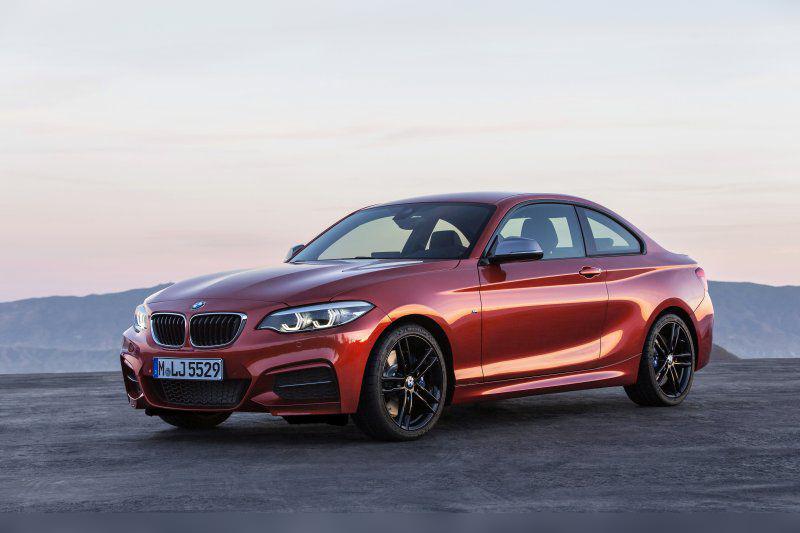
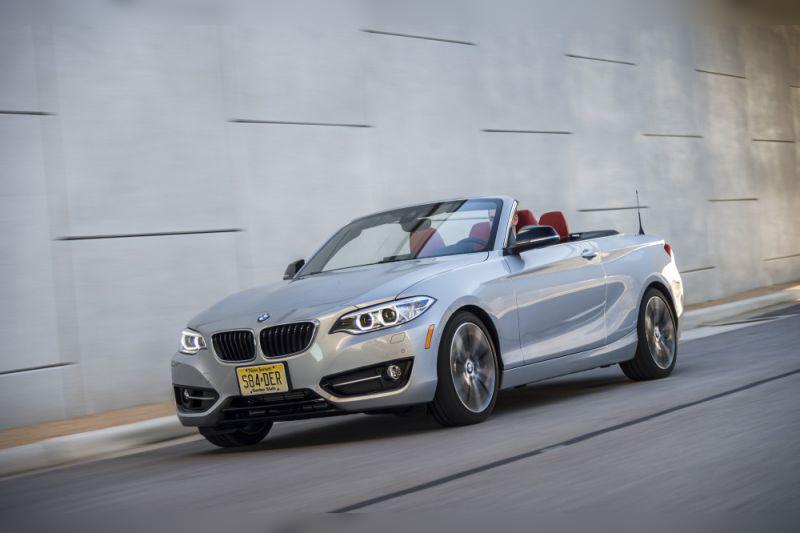
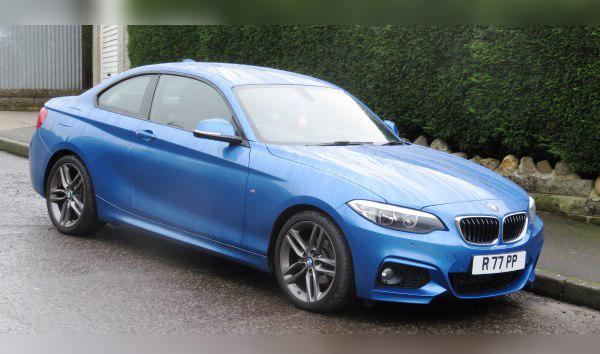
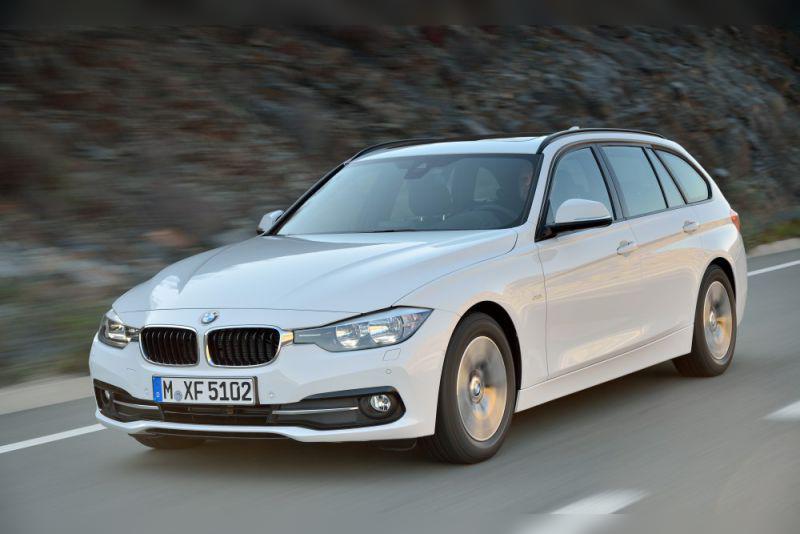
The engine with the code B38B15A represents BMW’s entry into the world of modern downsizing. It appeared as a replacement for the previous generation (N13) and brought a completely new, modular three-cylinder 1.5-liter architecture. This engine was installed in a wide range of vehicles, from the smallest 1 Series (F20/F21), through 2 Series coupe and convertible (F22/F23), all the way to the serious 3 Series sedan (F30/F31) in their LCI (facelift) versions.
Although many traditionalists raise an eyebrow at the mention of a three-cylinder in a BMW, the B38 is a very advanced engine technologically. It is made of aluminum and uses the latest generation of fuel injection, turbocharger and variable valve timing (VANOS/Valvetronic) to deliver a maximum of 100 kW (136 hp) and 220 Nm of torque. Its mission is clear: to offer smooth everyday driving with lower emissions and reduced fuel consumption.
Technical specifications
| Parameter | Value |
|---|---|
| Displacement | 1499 cc |
| Engine power | 100 kW (136 hp) |
| Torque | 220 Nm (from 1250 to 4300 rpm) |
| Engine code | B38B15A |
| Injection type | Direct injection (High-Precision Injection) |
| Charging system | TwinPower Turbo (single turbo with twin-scroll technology) + intercooler |
Reliability and maintenance
When it comes to maintenance, the B38 is a typical modern BMW engine – it requires meticulous care and does not tolerate cutting corners on servicing. The engine uses a timing chain located at the rear of the engine, towards the firewall (i.e. the gearbox). Because of this position, a major service (chain replacement) is labor-intensive and requires engine removal or serious disassembly of components, which makes it quite an expensive job (very expensive, depending on the market).
Most common failures
The most serious early issue with this engine, especially on models produced before mid-2015 (before the switch to updated components), is the problem with the crankshaft thrust bearing. This problem affects only models with a manual gearbox, because pressing the clutch creates axial load on the crankshaft. Symptoms include a heavier clutch pedal and a dull knocking noise from the lower part of the engine. In the worst case, this required a complete engine replacement. If you are looking at LCI models from 2016 and 2017, this problem was resolved at the factory.
Among other, smaller issues, the plastic thermostat housing and coolant expansion tank often fail, resulting in coolant leaks. It is important to regularly monitor the coolant level, because overheating an aluminum block can be fatal.
Service intervals and oil
The major service (chain replacement) does not have a factory-specified interval, but in practice the chain is replaced when it starts to rattle on cold start, which usually happens between 150,000 and 200,000 km. For a minor service you need around 4.25 liters of engine oil. Fully synthetic oil with a viscosity of 0W-20 or 5W-30 that meets BMW Longlife-14 FE+ or Longlife-04 standards is recommended. Due to the sensitivity of the Valvetronic system, you must not use unsuitable oil.
As for oil consumption, the B38 is not an “oil burner”. Slight consumption (up to 0.2–0.3 liters per 1000 km) is normal if the car is driven hard. Anything above that (e.g. one liter per 1000 km) indicates a problem, most often with valve stem seals or the turbocharger itself.
Since this is a petrol engine with direct injection, the spark plugs are under heavy load. It is recommended to replace them every 60,000 km, along with checking the ignition coils, to avoid jerking while driving and so-called misfire.
Specific parts and costs
The fuel system is direct injection and is supplied by a high-pressure pump. The injectors are very precise but also sensitive to poor-quality fuel. Clogged injectors cause rough running, vibration at idle (which is already slightly more noticeable due to 3 cylinders) and increased fuel consumption. Replacing injectors is considered an expensive item (depends on the market).
The name “TwinPower Turbo” often confuses buyers – no, this engine does not have two turbos. It has one turbocharger with twin-scroll technology, which means the exhaust channels are divided for quicker response. Turbo lifespan is good (often over 200,000 km) provided that the oil is changed on time and that the driver lets the engine idle for a few seconds after hard highway driving before switching it off.
Since this is a petrol engine, it does not have an AdBlue system, nor a classic DPF filter typical of diesels. It does not have a problematic EGR valve that clogs the intake with soot to the same extent as on diesels. (Note: very late models, from around 2018 onwards, started to receive a GPF/OPF – gasoline particulate filter – but for 2015–2017 models this is generally not the case, depending on exact production date and market).
Fuel consumption and performance
When paired with C-segment cars (1 Series), the B38 offers perfectly adequate performance. In real-world conditions, city fuel consumption ranges from 8.0 to 9.5 l/100 km, depending on how heavy your right foot is and traffic conditions. On open roads it can drop to around 5.5 l/100 km.
Is the engine “lazy”? In the 1 Series (F20) and 2 Series (F22) it is agile and fun to drive, because it delivers its maximum 220 Nm of torque from just 1250 rpm. However, if you look at this engine in the 3 Series (F30/F31 Touring), things change. The 3 Series body is heavier and if you load the car with luggage and passengers, the engine will have to rev high during overtaking, which hurts acoustic comfort and increases fuel consumption. For the 3 Series, this engine is more suited to relaxed rather than sporty driving.
On the motorway the engine behaves very civilised. At a cruising speed of 130 km/h in 8th gear (with the automatic gearbox), revs stay low (around 2200–2400 rpm), which has a positive effect on cabin noise and fuel consumption, which at that speed is around 6.5 to 7.5 l/100 km.
Additional options and modifications
LPG conversion
Should you convert a B38 to run on LPG? The short answer is: it’s not worth it. Due to the direct injection system, a conventional sequential LPG system cannot be used; instead, you need a special system that injects a certain amount of petrol through the LPG injectors (to prevent the petrol injectors in the cylinder head from burning out). The cost of installing such systems is very high (depends on the market) and only pays off after a very high mileage.
Chiptuning (Stage 1)
Since the engine is equipped with a modern turbocharger and intercooler, there is potential for tuning. A safe Stage 1 remap usually raises power from the stock 136 hp to around 170 to 180 hp, while torque increases to around 280 Nm. The engine tolerates this modification quite well because the block is robust (this architecture is also used in more powerful Mini Cooper models), but keep in mind that this shortens the lifespan of spark plugs and the turbo if you drive aggressively.
Transmissions and drivetrain
This engine was sold with two gearbox options:
1. 6-speed manual gearbox.
2. 8-speed automatic gearbox (ZF 8HP – Steptronic).
Manual gearbox
The manual gearbox in this model has a dual-mass flywheel, whose job is to smooth out vibrations, which are more pronounced in three-cylinder engines. The lifespan of the clutch and flywheel depends directly on driving style – stop-and-go city driving wears it out faster. Symptoms of wear include judder when moving off, a heavy pedal and knocking when switching the engine off. The cost of replacing the clutch kit and dual-mass flywheel is in the expensive to very expensive category (depends on the market). The oil in the manual gearbox is not “lifetime” as the manufacturer often claims; mechanically speaking, it should be replaced every 80,000 to 100,000 km.
Automatic gearbox
The automatic is the famous ZF torque-converter gearbox. It is considered one of the best and most reliable gearboxes on the market today. It is quick, shifts imperceptibly and matches the torque curve of the three-cylinder engine perfectly. Failures are extremely rare, provided it is properly maintained. Maintenance means changing the gearbox oil and the pan with integrated filter every 80,000 to 100,000 km. If you neglect this service, you can expect harsh shifts and jerking from 1st to 2nd gear.
Buying used and conclusion
What to check before buying?
- Listen to the engine stone cold: Ask the seller not to start the car before you arrive. During the first 5 seconds after starting, carefully listen for chain rattle from the rear of the engine.
- Clutch pedal (for manuals): Especially for 2015 models. If the pedal is extremely stiff or you hear a deep dull knock when you press it, there is a risk of a crankshaft thrust bearing issue.
- Coolant traces: Inspect the area around the front of the engine (under the plastic cover) for white/pink deposits of dried coolant around the thermostat housing.
- Diagnostics are a must: Do not buy a BMW blindly. Connect the car to a diagnostic tool to check the fault history (misfires on cylinders indicate problems with spark plugs or coils, or even injectors).
Who is this engine for?
The BMW B38B15A (136 hp) is an ideal engine for drivers who want a premium driving feel in city and suburban conditions, without ambitions to break speed records on the motorway. It sounds a bit different (like half of an inline-six), but is very smooth for a three-cylinder.
It is highly recommended in combination with the ZF automatic gearbox in the 1 Series or 2 Series body. If you are looking at a 3 Series, make sure to test it thoroughly on an uphill stretch under load to see whether this level of performance and 136 hp suits you, because in a larger body the laws of physics inevitably take their toll.