BMW Engine B47C20B 2.0 (190 HP): Experiences, Problems, Fuel Consumption and Used Car Buying Tips
- Improved reliability: Unlike its notorious predecessor (N47), the timing chain stretching issue has been drastically reduced, although not completely eliminated.
- Excellent balance: With 140 kW (190 HP) and 400 Nm, this engine offers top performance with very reasonable fuel consumption.
- EGR system weaknesses: The biggest weakness of this engine is the EGR cooler, which can leak and cause a huge problem (there is a factory recall).
- Not for short trips: Due to the sensitive DPF, intake swirl flaps and AdBlue system, exclusive city driving slowly "kills" it.
- Specific installation: The letter "C" in the engine code denotes transverse installation, which means it is paired with Aisin automatic transmissions, not ZF.
- Regular maintenance: The factory oil change interval of 30,000 km is too long for longevity; shorten it to 10,000–15,000 km.
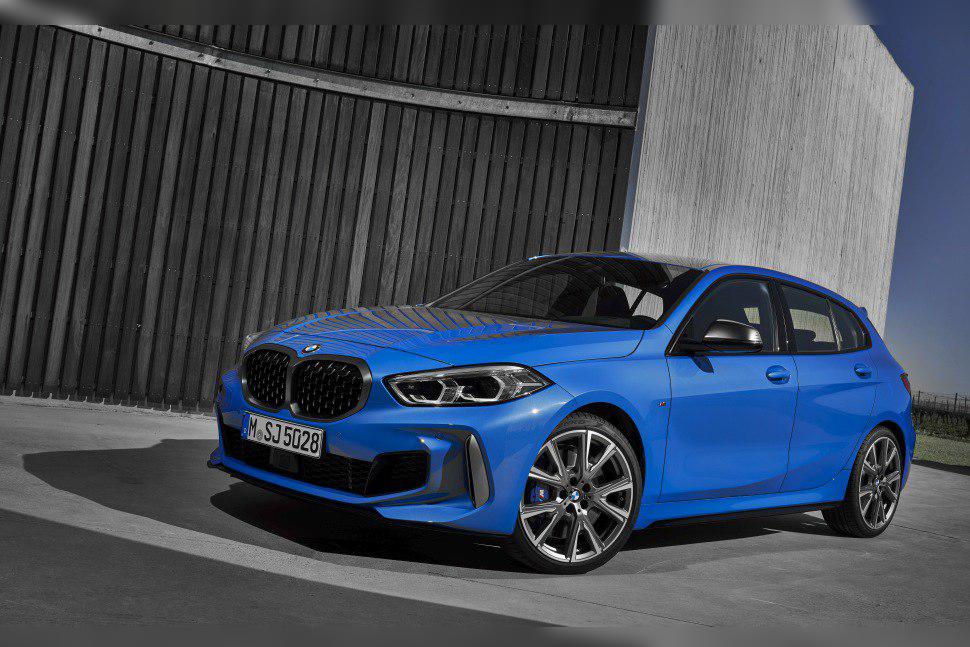
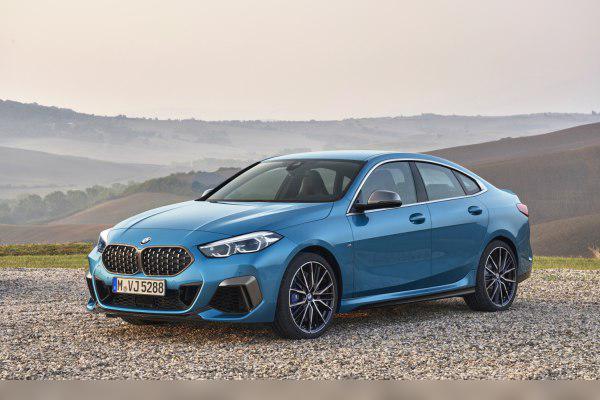
The B47C20B engine is the heart of modern compact models from the BMW and Mini group. Introduced as the successor to the controversial N47 engine, the B47 brought serious engineering improvements in terms of acoustics, refinement and, most importantly, reliability. What sets this specific code (C20B) apart is its purpose for vehicles based on the UKL platform (front-wheel drive or xDrive with primarily front-wheel drive). That is why we find it under the hood of models such as the BMW 1 Series (F40), 2 Series Gran Coupe (F44), X1 (F48), X2 (F39), as well as in the Mini Clubman and Countryman models. If you are looking for a used car with this engine, you are in the right place to find out what awaits you in the garage and on the road.
Technical Specifications
| Specification | Data |
|---|---|
| Engine code | B47C20B |
| Displacement | 1995 cc (2.0 liters) |
| Power | 140 kW (190 HP) |
| Torque | 400 Nm |
| Fuel type | Diesel |
| Injection type | Common Rail (Direct injection) |
| Charging system | Variable-geometry turbocharger, intercooler |
| Timing drive | Chain (Located at the rear of the engine) |
Reliability and Maintenance
When a 2.0 BMW diesel is mentioned, the first question is always about the timing chain. Yes, this engine has a chain and it is still located in an impractical place – at the rear of the engine, next to the gearbox. However, unlike its predecessor, the quality of the guides and the chain itself has been significantly improved. Chain breakage is extremely rare, but after 200,000 to 250,000 km, due to stretching, rattling may occur during a cold start. At that point a "major service" is done, i.e. replacement of the timing chain kit.
The most common failures on this engine are not related to the engine block itself, but to the emissions system and peripherals. The biggest problem is the EGR cooler. It can crack and allow coolant (antifreeze) to enter the intake manifold. Symptoms are unexplained coolant loss and, in the worst cases (if it mixes with soot), the intake manifold can melt and even catch fire. BMW has had massive recalls for this, so it is crucial to check via the VIN whether the module has been replaced at an authorized service center. Another common problem is soot buildup on the intake swirl flaps, which hampers their operation and can trigger a fault code on diagnostics (Drivetrain fault).
The engine takes about 5.0 to 5.2 liters of oil. Only fully synthetic oil with a viscosity grade of 5W-30 or 0W-30 that meets the BMW Longlife-04 (LL-04) standard is recommended, due to the DPF filter. The factory specifies a 30,000 km oil change interval, but for the longevity of the turbo and chain, change it every 10,000 to 15,000 km. The engine should not consume much oil. Consumption of 0.2 to 0.5 liters between two services (over 10,000 km) is considered normal. If it consumes more, the usual culprits are worn valve stem seals, piston rings, or oil leaking past the turbocharger shaft.
As for the injectors, the B47 uses an advanced high-pressure Common Rail system. The injectors generally prove to be very robust and can last 200,000 to 250,000 km without any issues, provided you use quality Euro diesel. They are sensitive to water and dirt in the fuel. When they start to fail, symptoms include rough idle (shuddering), increased black or white smoke from the exhaust, harder starting and a sharp "knocking" engine sound under load.
Specific Components and Emissions (Costs)
Vehicles with a manual gearbox have a dual-mass flywheel, while models with an automatic gearbox use a hydraulic torque converter (wandler) which does not have a conventional wear-prone dual-mass flywheel, although the system still has components to dampen vibrations. Replacement of the dual-mass flywheel and clutch kit on manual models is expensive (Depends on market), so when buying, pay attention to thumps when switching the engine off or vibrations in the clutch pedal.
The injection system is supplied by Bosch, with piezo and solenoid injectors depending on the exact sub-variant (Euro standard). These injectors can be refurbished, but this always requires a professional Bosch service and coding, so the cost can be high (Depends on market).
This engine version has a single turbocharger with variable geometry (VGT). Its lifespan is closely linked to oil change intervals. In practice it can last over 200,000 km. Failure symptoms include a whistling sound (similar to an ambulance siren), loss of power (safe mode), and an increased amount of oil in the intercooler.
As expected, the engine has a DPF filter and EGR valve. The DPF rarely causes problems by itself, unless the car is driven exclusively on short city trips where it cannot complete regeneration. A clogged DPF will manifest as a loss of power and the radiator fan running frequently. Most Euro 6 models with this engine also use an AdBlue (SCR) system to reduce NOx emissions. The AdBlue system is indeed problematic – NOx sensor failures are common, as well as failures of the pump inside the AdBlue tank, because the fluid crystallizes at low temperatures or after long periods of inactivity. Repairs to these systems are very expensive (Depends on market).
Fuel Consumption and Performance
The 190 HP B47 is a phenomenally well-balanced engine. It is not sluggish at all, even in heavier models such as the BMW X1 or Mini Countryman (which weigh around 1.6 tons). Thanks to the huge torque of 400 Nm available from just 1,750 rpm, the car pulls strongly from low revs and is ideal for safe overtaking.
Real-world fuel consumption depends on the body style. In models like the 1 Series (F40), in city driving you can expect around 6.5 to 7.5 l/100 km. In heavier and taller models with xDrive (X1, X2), city consumption easily climbs to 8.0 to 9.0 l/100 km. On the motorway, aerodynamics take over. Thanks to excellent 8-speed gearboxes, at 130 km/h the engine "cruises" at a very low ~1,900 to 2,100 rpm. On open roads, consumption ranges from 5.0 to 6.5 l/100 km, which makes it a great long-distance cruiser.
Additional Options and Modifications
BMW’s 2.0 diesels are extremely popular for software modifications (chip tuning). The 190 HP B47 can be safely tuned with a "Stage 1" remap to around 220 to 230 HP and 450 to 470 Nm of torque. The engine block and turbocharger are sufficiently over-engineered to withstand this increase without drastically shortening their lifespan, provided the car is properly maintained and the modification is carried out by a reputable tuner with proper monitoring of parameters on a dyno.
Transmission
Since the B47C20B is a transversely mounted engine, it is not paired with the famous ZF 8HP automatic gearbox found in RWD BMW models. With this engine you will find:
- 6-speed manual gearbox: Very precise and durable. Problems are mostly limited to wear of the clutch kit and dual-mass flywheel. Replacement of the complete set is expensive (Depends on market).
- 8-speed automatic gearbox (Aisin): Known as Steptronic in these models. It is a traditional torque-converter automatic from the Japanese manufacturer Aisin (AWF8F series). This gearbox is fantastically reliable, but requires regular maintenance.
The most common Aisin automatic failures occur precisely because service intervals are ignored. Over time, the oil degrades and metal particles clog the channels in the valve body (mechatronics). Symptoms include harsh jolts when shifting from P to R or D, hesitation of the gearbox during sudden throttle input (kickdown), and shuddering when stopped at traffic lights. The oil in the automatic gearbox must be changed (together with the filter) every 60,000 to 80,000 km. The change can be done by gravity (partial) or by machine (flushing the entire system).
Buying Used and Conclusion
If you are buying a car with the B47C20B engine, these are the things your mechanic must check:
- Cold start: Listen carefully to the rear of the engine. Any scraping, rattling or metallic noise in the first 5 seconds indicates a stretched chain.
- Coolant level: Be sure to check the level in the expansion tank. If it is at minimum, immediately suspect a leaking EGR cooler. Check recall history at an authorized service center.
- Diagnostics: Connect the vehicle to proper BMW diagnostics (ISTA). Check the "soot mass" (ash content in the DPF), injector corrections (values over +/- 1.5 indicate a problem) and any fault codes for the AdBlue system or NOx sensors.
- Test drive: Feel the gear changes of the automatic transmission – they must be absolutely seamless. Any jolt suggests an expensive valve body repair.
Conclusion: The 190 HP B47C20B engine is one of the best four-cylinder diesels of today. It is a sovereign ruler of open roads and motorways, where it offers excellent dynamics with economical fuel consumption. However, due to its complex emissions systems (EGR, DPF, AdBlue), this is absolutely not a car for someone who drives only 10,000 km per year and uses it just to take the kids to school in city traffic. It is intended for drivers who regularly do longer trips on open roads and are willing to pay the price of meticulous and regular maintenance.