BMW B47D20A 18d (150 HP) – Experiences, Problems, Fuel Consumption and Used Car Buying Guide
- Successor to the notorious N47: Drastically improved timing system, the timing chain is incomparably more durable.
- Biggest weak point: Coolant leakage in the EGR cooler (there is an official factory recall).
- Gearbox: The 8-speed ZF automatic is a masterpiece of the automotive industry, but it requires regular maintenance.
- Fuel consumption: Extremely economical on the open road, while in the city it uses a reasonable 6.5 to 7.5 l/100 km.
- Performance: Agile and dynamic in smaller models (1 and 3 Series), but can feel a bit “lazy” in heavier cars such as the 5 Series (F10) or BMW X3.
- Remapping: A fantastic base for a Stage 1 remap, it can easily be brought up to the power of the stronger 20d version.
Contents
- Introduction: Meet the BMW B47D20A
- Technical specifications
- Engine reliability and maintenance
- Specific components, systems and costs
- Fuel consumption and driving characteristics
- Additional options and modifications (Tuning)
- Transmissions: Manual vs Automatic
- Buying used and final verdict
Introduction: Meet the BMW B47D20A
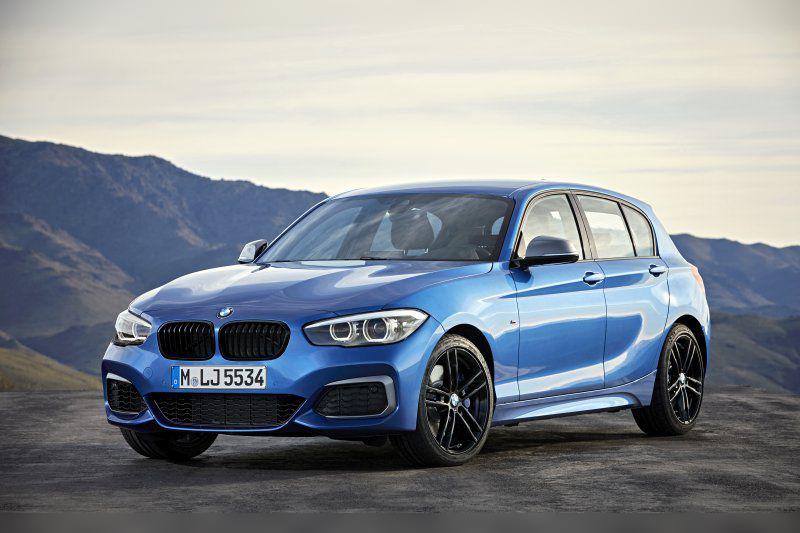
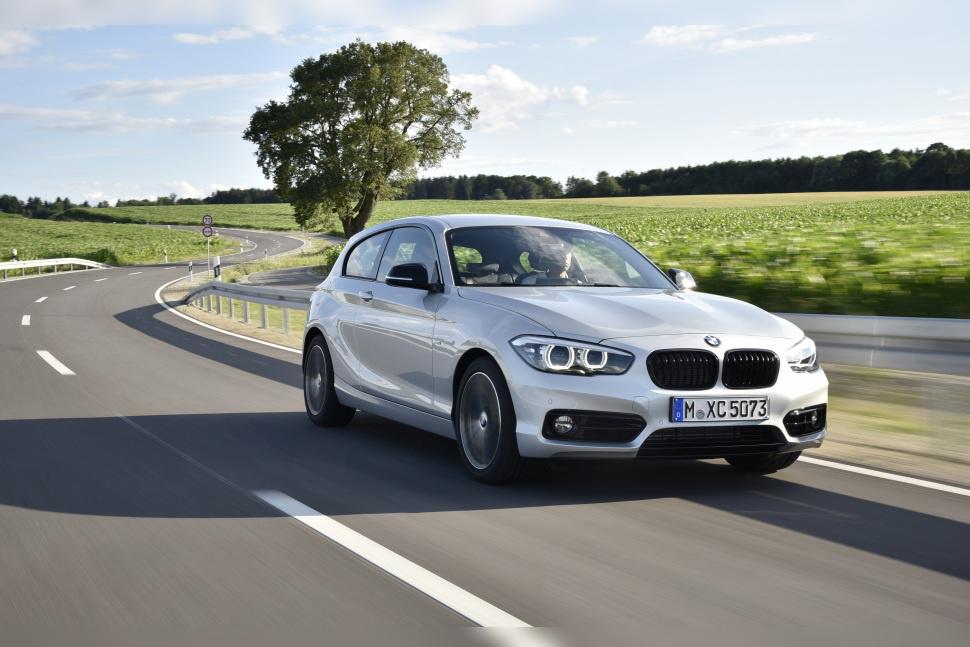
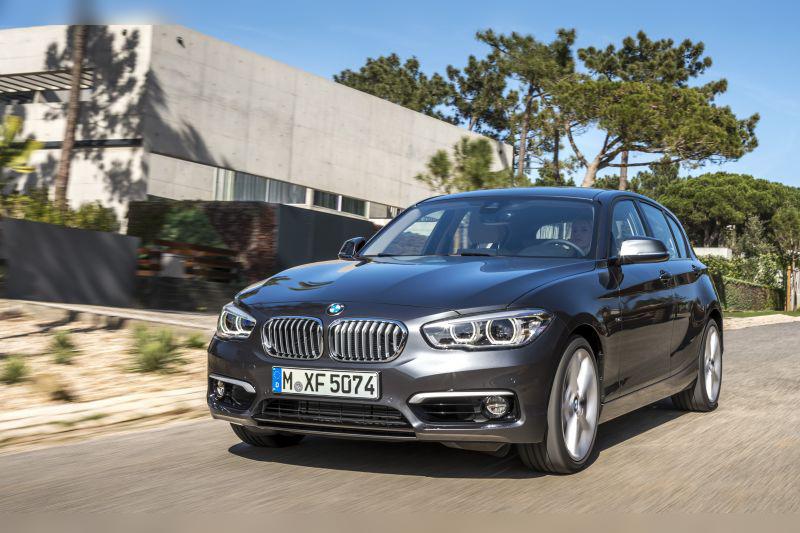
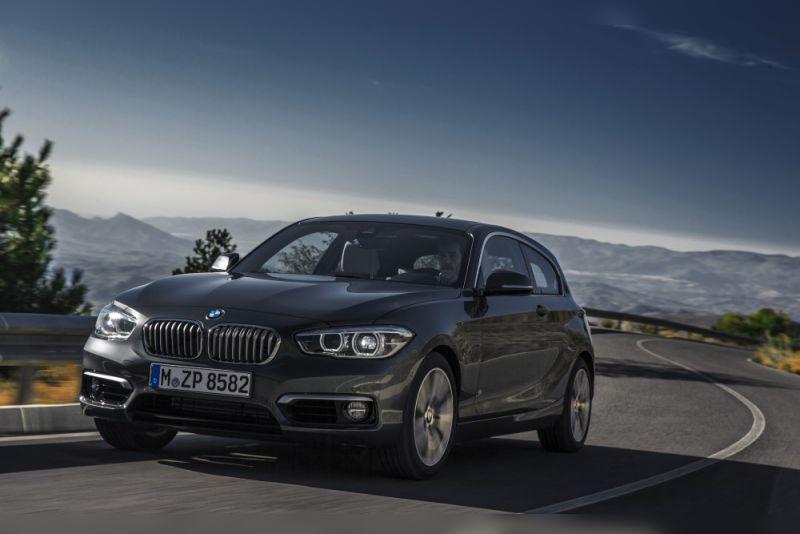
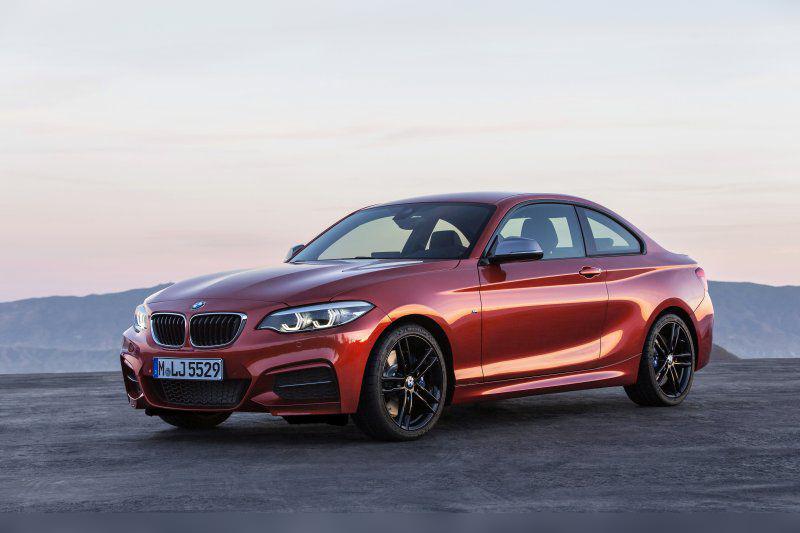
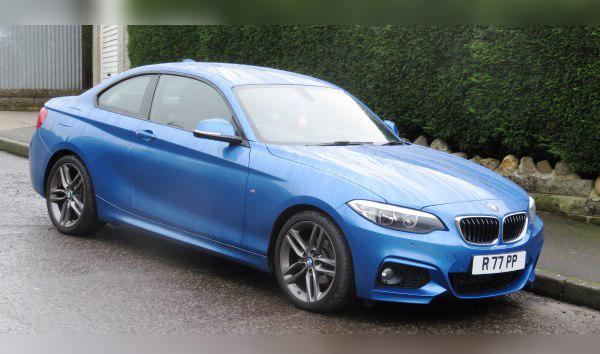
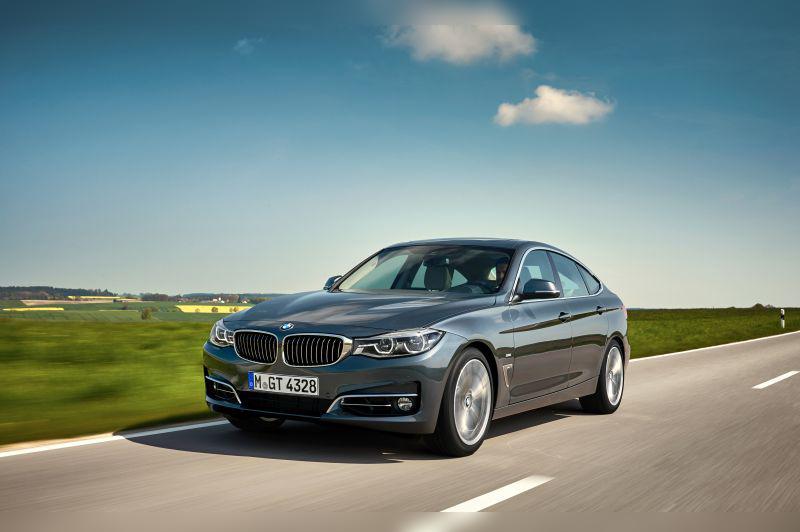
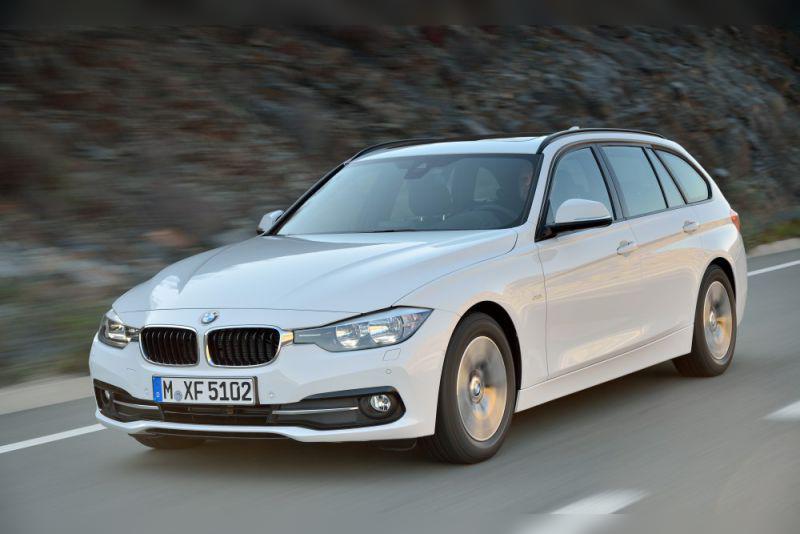
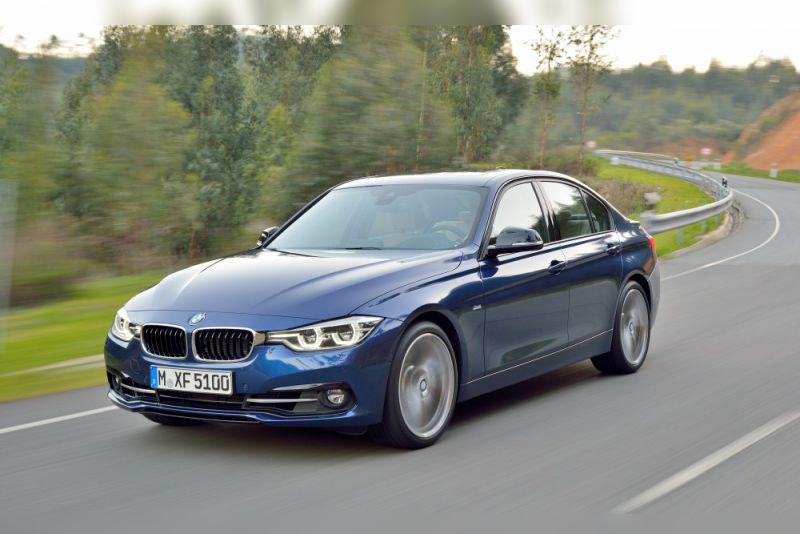
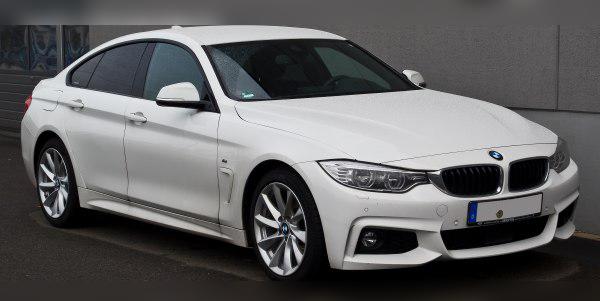
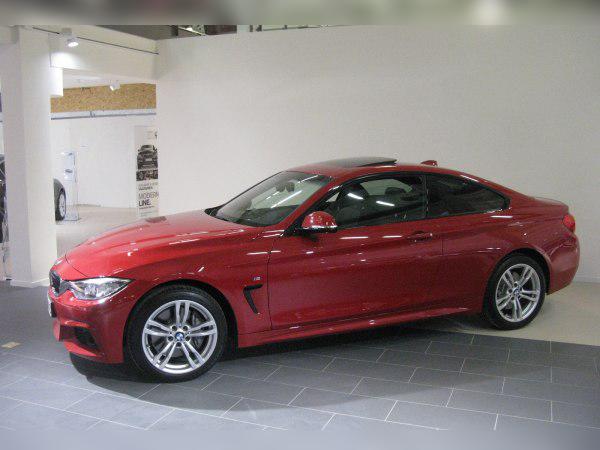
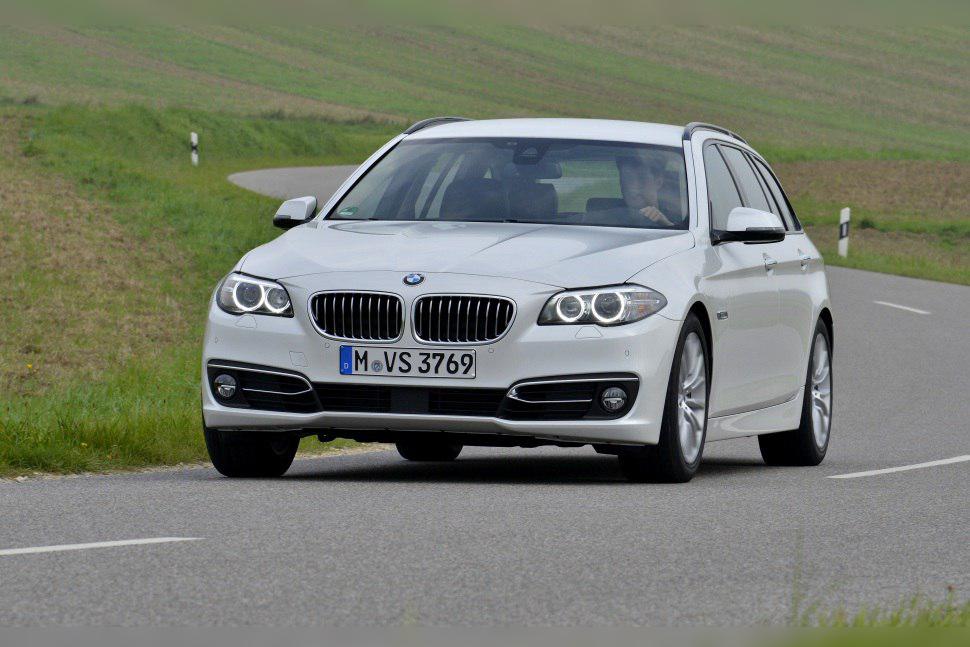
When BMW introduced the B47 generation of diesel engines at the end of 2014, the automotive world breathed a sigh of relief. Its predecessor, the infamous N47, left a deep scar due to timing chain failures that often destroyed the engine. The engine designated B47D20A is the 1995 cc version that delivers 110 kW (150 HP) and carries the commercial badge “18d”. This unit was installed in an impressively wide range of vehicles, from the compact 1 Series (F20/F21) and 2 Series, through the hugely popular 3 Series (F30/F31) and 4 Series, all the way to the 5 Series (F10/F11) sedans and the X3 (F25) SUV.
This engine represents the “golden middle” of the range – it offers enough torque for everyday driving, while registration, fuel and maintenance costs are noticeably lower compared to the more powerful six‑cylinder (3.0d) units. Still, like every modern diesel, it comes with complex emissions systems that, at higher mileage, require the attention of an experienced mechanic.
Technical specifications
| Engine code | B47D20A |
| Engine displacement | 1995 cc (2.0L) |
| Power | 110 kW (150 HP) |
| Torque | 360 Nm |
| Fuel type | Diesel |
| Injection system | Common Rail (Solenoid or Piezo injectors) |
| Charging system | TwinPower Turbo (single turbo with variable geometry) + intercooler |
| Timing drive | Chain (located at the rear of the engine, towards the gearbox) |
Engine reliability and maintenance
The most important question for any BMW buyer is: Does this engine have a timing belt or a chain? The B47D20A uses a timing chain, which is still located in a specific place – at the rear of the engine, towards the firewall and gearbox. The good news is that BMW has thoroughly revised the tensioners, guides and the chain material itself. The notorious failures at around 100,000 km are a thing of the past. The major timing service (chain replacement) is now preventively done at around 200,000 to 250,000 km, or when the chain starts to make noise (a metallic rattle on cold start). Due to its position, the engine has to be removed or the gearbox has to be taken off for this job, which makes labour hours a major cost factor. The price of this procedure is high (depends on the market).
As for lubrication, this block takes about 5.2 litres of engine oil. The manufacturer recommends 5W‑30 or 0W‑30 oils that meet the strict BMW LL‑04 (LongLife) standard. The factory optimistically sets the oil change interval at 30,000 km, but any serious mechanic will tell you to shorten it to 10,000 to 15,000 km in order to protect the turbo and the timing chain. A healthy B47 does not consume a noticeable amount of oil; consumption of about 0.5 litres between services is acceptable. If the engine uses more than a litre, pay attention to worn piston rings, the oil separator (PCV valve) or play in the turbo shaft.
Since this is a thoroughbred diesel, there are no spark plugs; instead it relies on Bosch Common Rail injectors. They have proven to be extremely durable. They often last more than 250,000 km without any overhaul, provided you use quality Euro diesel and regularly replace the fuel filter. Symptoms of tired injectors include rough idle (engine shaking) and black smoke under hard acceleration.
Specific components, systems and costs
Modern emissions systems are the biggest enemy of your wallet. The B47 engine has an extensive exhaust after‑treatment system. The biggest and most dangerous factory flaw of this engine is the EGR cooler (module). Micro‑cracks can appear inside the cooler, causing the engine to slowly and almost imperceptibly consume coolant (antifreeze). Loss of coolant leads to the build‑up of flammable glycol in the intake manifold, which, combined with hot exhaust gases and soot, can cause the intake manifold to catch fire, and in extreme cases even the entire vehicle. If your car warns of a low coolant level and there are no puddles under the car – visit a workshop immediately! Fortunately, BMW carries out a free recall for this issue, so be sure to check by VIN whether the cooler has been replaced.
As for the DPF filter, it is very robust. With occasional highway driving to allow regeneration, the DPF will easily last 250,000 to 300,000 km. It usually clogs only if the car is driven exclusively on short city trips or if there is a problem with the EGR valve and injectors.
Many versions of the B47 engine, especially since the introduction of Euro 6 standards, are equipped with an AdBlue system (SCR catalyst). This system injects a urea‑based fluid into the exhaust. The most common problems include crystallisation of AdBlue in the injector or failure of the pump/heater in the tank. Repairing these components is very expensive (depends on the market). Proper maintenance requires using only fresh AdBlue fluid and occasional diagnostic checks of the system.
The TwinPower Turbo badge often confuses drivers. No, this engine does not have two turbochargers. It has a single but “smart” turbo with variable vane geometry (VGT) and a twin‑scroll housing. Its service life is excellent, usually beyond 200,000 km, provided that quality oil is changed regularly.
Fuel consumption and driving characteristics
Fuel consumption and performance directly depend on the body style this engine is “carrying”. Real‑world city consumption in models such as the 1 or 3 Series is between 6.5 and 7.5 litres per 100 km. On the motorway, aerodynamics and excellent gear ratios bring consumption down to just 4.5 to 5.5 litres.
Is the engine “lazy”? In the BMW 1 Series (F20) or 3 Series (F30), 150 HP and 360 Nm provide very lively and pleasant driving. It overtakes easily, is happy to rev (for a diesel) and feels stronger than it looks on paper. However, in the heavier 5 Series (F10) sedan weighing over 1.7 tonnes or in the aerodynamically unfavourable BMW X3 (F25), the B47D20A feels overworked, especially on uphill sections with a fully loaded car. Overtaking then becomes noticeably more demanding.
Motorway cruising is where it really shines. At 130 km/h, paired with the 8‑speed automatic gearbox, the engine runs at a relaxed 2000 to 2100 rpm, which ensures a quiet cabin and minimal fuel consumption.
Additional options and modifications (Tuning)
The B47 engine block is extremely strong and, in terms of architecture, shares the vast majority of components with the more powerful 190 HP “20d” version. Because of this, this engine is one of the most rewarding on the market for remapping (“chipping”).
A classic and safe Stage 1 software remap easily removes the factory limitations. Power can be raised without difficulty and without endangering the turbo, injectors or gearbox to around 190 to 200 HP, while torque jumps to a hefty 400 to 420 Nm. After such a modification, even heavier models like the 5 Series and X3 become properly powered and the previously mentioned “laziness” disappears.
Transmissions: Manual vs Automatic
The B47D20A was offered with two main transmission options: a 6‑speed manual gearbox and an 8‑speed ZF automatic (Steptronic).
If you choose the manual gearbox, the drive is engaging and dynamic, but you face the usual costs of a modern diesel. This model definitely has a dual‑mass flywheel. Its lifespan is between 150,000 and 220,000 km, depending on driving style. Symptoms of wear include judder when setting off in first gear, vibrations at idle felt through the clutch pedal, and thumps when switching the engine off. Replacing the complete set (dual‑mass flywheel, clutch disc, pressure plate and release bearing) is a costly investment (depends on the market).
Our clear recommendation is the 8‑speed ZF automatic gearbox. It is quick, reads the driver’s intentions intelligently and rarely fails. However, you must not believe the stories about “lifetime oil”. To keep the automatic gearbox reliable and to avoid damaging the valve body or torque converter, it is essential to service the gearbox regularly (replacing the pan with its integrated filter, plus changing the special ATF fluid using a flushing machine). This service should be carried out every 80,000 to 100,000 kilometres.
Buying used and final verdict
Before you hand over your money for a car with the B47 engine, here is what you absolutely must pay attention to:
- EGR valve and cooler history: Check with an authorised BMW dealer whether the car was included in the recall campaign and whether the EGR cooler has been replaced. Visually inspect the coolant level and look for traces of white smoke from the exhaust.
- Cold start: Take a mechanic with you or carefully listen to the engine during the first 5–10 seconds after starting it in the morning. If you hear scraping or metallic knocking from the direction of the firewall, the chain is due for replacement, which is an excellent argument for negotiating the price down.
- Condition of the intake manifold: Due to EGR operation, the intake manifold can fill up with a thick mixture of soot and oil, which over time interferes with the operation of the swirl flaps. Periodic cleaning is necessary.
- DPF diagnostics: Always connect a diagnostic tool to check the DPF saturation level and the time since the last regeneration.
Conclusion: The BMW B47D20A is an excellent, modern diesel engine. It has successfully corrected the fatal flaws of the old N47 and offers a refined driving experience with impressively low fuel consumption. It is ideal for drivers who cover serious mileage on open roads. If you find a car that has been regularly maintained and you take advantage of the superb ZF automatic gearbox, you will get a reliable and economical vehicle of outstanding quality.