BMW B47D20B (224 HP) – Experiences, problems, fuel consumption and used-car buying tips
Most important in short (TL;DR)
- Performance and efficiency: This engine offers the torque of a straight-six (450 Nm) with the fuel consumption of an average four-cylinder. Excellent on the highway.
- Timing chain: Located at the rear (by the gearbox). Much more reliable than the notorious predecessor (N47), but still requires replacement around 200,000 to 250,000 km.
- Charging system: Uses two turbochargers (small and large), which eliminates turbo lag but significantly increases the cost of any repairs.
- EGR cooler (Biggest weakness): Coolant leaking into the EGR module is a common and dangerous issue that can lead to fire. It is mandatory to check whether the recall has been carried out at an authorized service center.
- Gearbox: Most often paired with the phenomenal ZF 8-speed automatic, which requires regular oil changes despite the manufacturer’s claims of “lifetime” fill.
- Who it’s for: Drivers who cover high mileage on open roads. Driving exclusively in the city quickly kills the DPF and EGR systems.
Contents
- Introduction: Meet the B47D20B
- Technical specifications
- Reliability and maintenance
- Specific components (Costs and failures)
- Fuel consumption and performance
- Additional options and modifications
- Gearbox and drivetrain
- Buying used and conclusion
Introduction: Meet the B47D20B
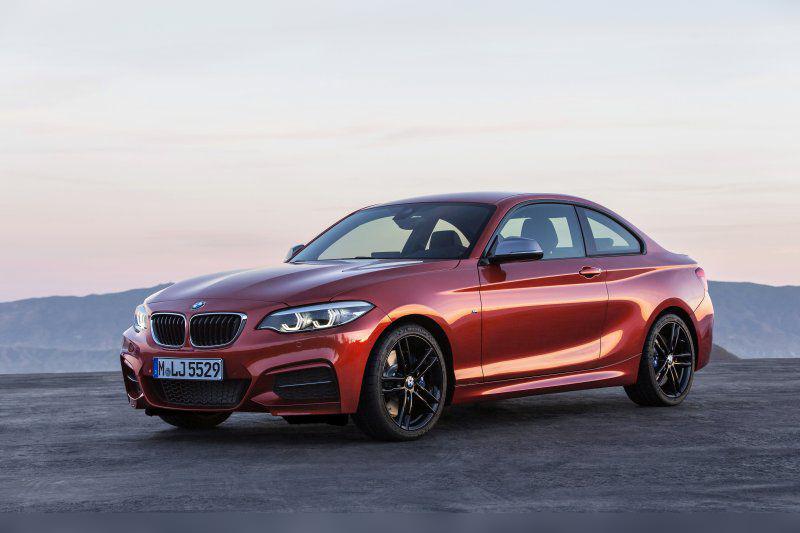
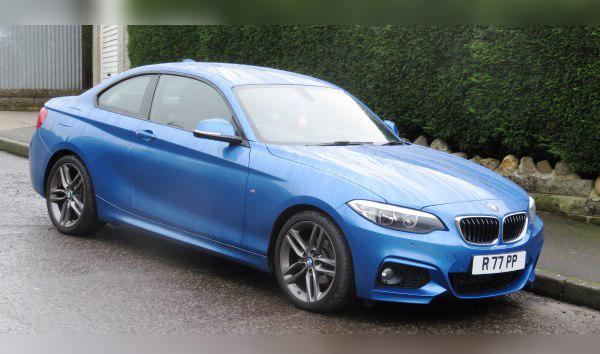
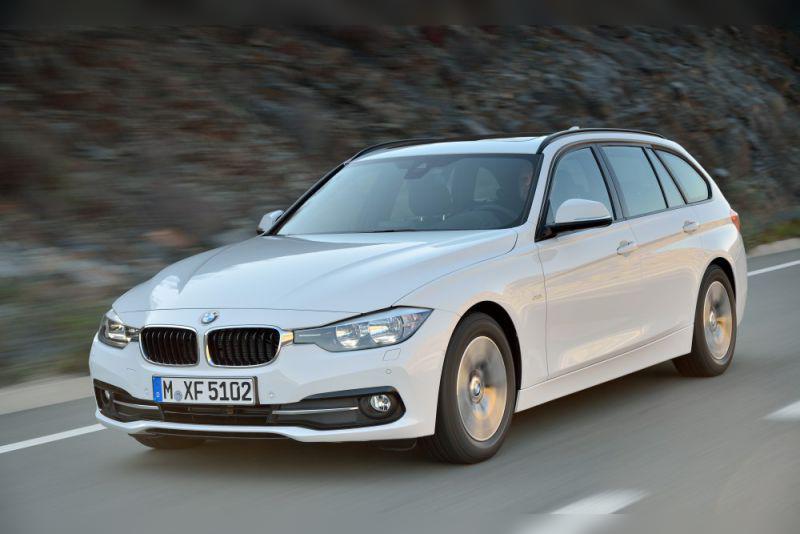
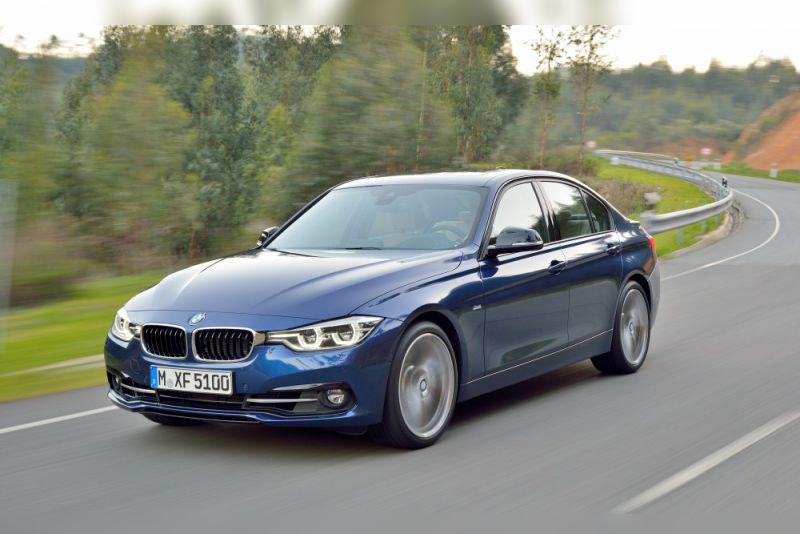
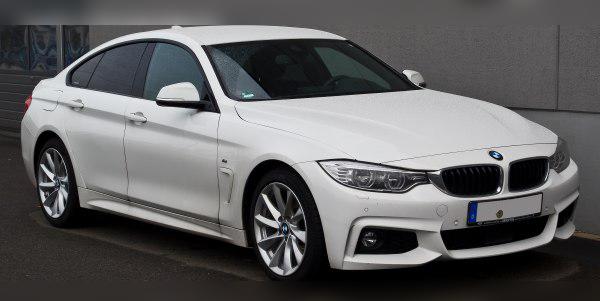
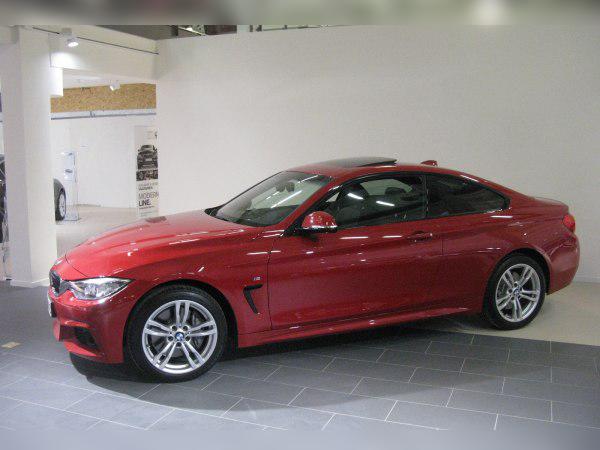
When BMW replaced the old generation of 2.0-liter diesels, the automotive world breathed a sigh of relief. The B47D20B engine corrects many past mistakes, offering high refinement and an impressive 224 HP. It was mostly installed in models badged as “25d” (F20, F30, F32 and derivatives), delivering performance dangerously close to the heavier and thirstier 3.0-liter engines. Thanks to a sophisticated two-turbo setup, this unit offers linear acceleration, but that technological advancement also brings complexity that requires careful and regular maintenance. It is not designed for abuse in stop-and-go city traffic, but for devouring hundreds of highway kilometers.
Technical specifications
| Parameter | Specification |
|---|---|
| Engine displacement | 1995 cc |
| Power | 165 kW (224 HP) |
| Torque | 450 Nm |
| Engine code | B47D20B |
| Injection type | Common Rail direct injection (Piezo) |
| Charging system | Bi-turbo (inline TwinPower system with small and large turbo), intercooler |
Reliability and maintenance
Maintaining the B47 engine requires a serious approach and adherence to service intervals. For driving the camshafts this engine uses a timing chain. Unlike the infamous N47, the chain on B47 engines rarely snaps at low mileage. However, the chain is still located at the rear of the engine, right next to the firewall, which means that for a major service the engine has to be removed or the gearbox taken off. The major service (replacement of chain, guides and tensioners) is, according to common workshop practice, done preventively at around 200,000 to 250,000 km. Metallic rattling at cold start is the first symptom of a stretched chain.
The oil sump of this engine holds between 5.0 and 5.2 liters of engine oil, and the strictly recommended grades are 5W-30 or 0W-30 that meet the BMW Longlife-04 specification. A healthy B47 engine almost doesn’t consume oil between services. A loss of up to 0.5 liters per 10,000 km is acceptable, but anything above that points to a problem with the piston rings or, more often, with the turbochargers leaking oil into the intake.
As for the fuel system, this engine uses high-precision Piezo injectors. Their lifespan depends mostly on the quality of diesel you use, but they generally last around 200,000 to 250,000 km before they start showing signs of wear. Symptoms of bad injectors include rough idle (especially when the engine is cold), increased fuel consumption, white or grey smoke from the exhaust and frequent DPF regenerations.
Specific components (Costs and failures)
This engine version is equipped with a dual-mass flywheel, regardless of whether it is paired with a manual or automatic gearbox (on automatics it works slightly differently as part of the torque converter assembly, but on manuals it is a classic unit and sensitive to high torque). Replacing the clutch and flywheel set is expensive (depends on the market).
The biggest advantage, but also the main financial risk of this model is the bi-turbo system. The engine uses a smaller turbo for low revs (responds instantly) and a larger turbo for high-rev power. Turbo lifespan is good if the oil is changed every 10,000 to 15,000 km. However, due to overheating, the small turbo can fail, and replacing or overhauling such a complex system is very expensive (depends on the market). Symptoms of turbo issues include whistling, loss of power (safe mode) and increased oil consumption.
EGR cooler, DPF and AdBlue
This is the section you need to pay the most attention to. The EGR valve cooler is the Achilles’ heel of the B47 engine. Over time it cracks and allows coolant (antifreeze) to leak into the intake manifold, where it mixes with soot. This not only clogs the intake, but also creates a flammable mixture that can lead to melting of the intake manifold and even a fire that can destroy the entire vehicle. BMW issued massive global recalls for this, so it is absolutely critical to check whether the module has been replaced at an authorized service center.
The DPF filter is standard and quite durable. If the car is driven on open roads, it will last over 250,000 km. However, exclusive city driving clogs it quickly. Models with the B47 engine that comply with stricter Euro 6 standards are also equipped with an AdBlue (SCR) system. This system is prone to failures – the tank pump and NOx sensors often fail due to urea crystallization. Repairing the SCR system is expensive to very expensive (depends on the market).
Fuel consumption and performance
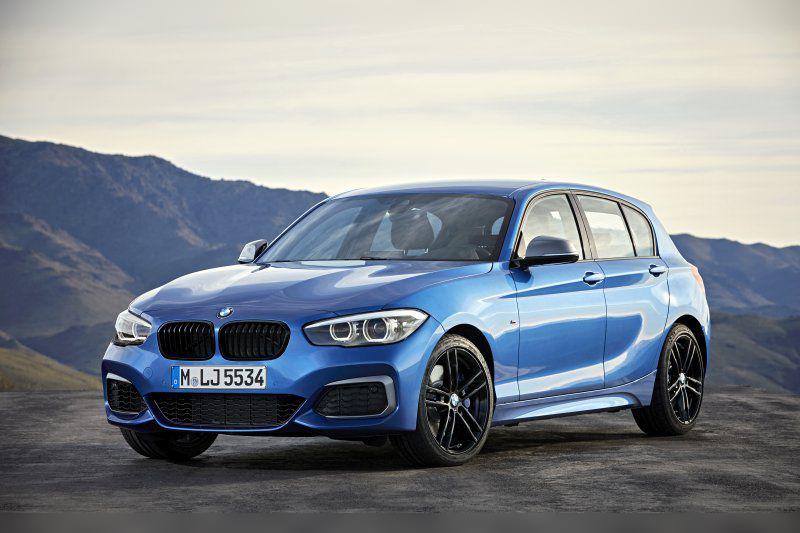
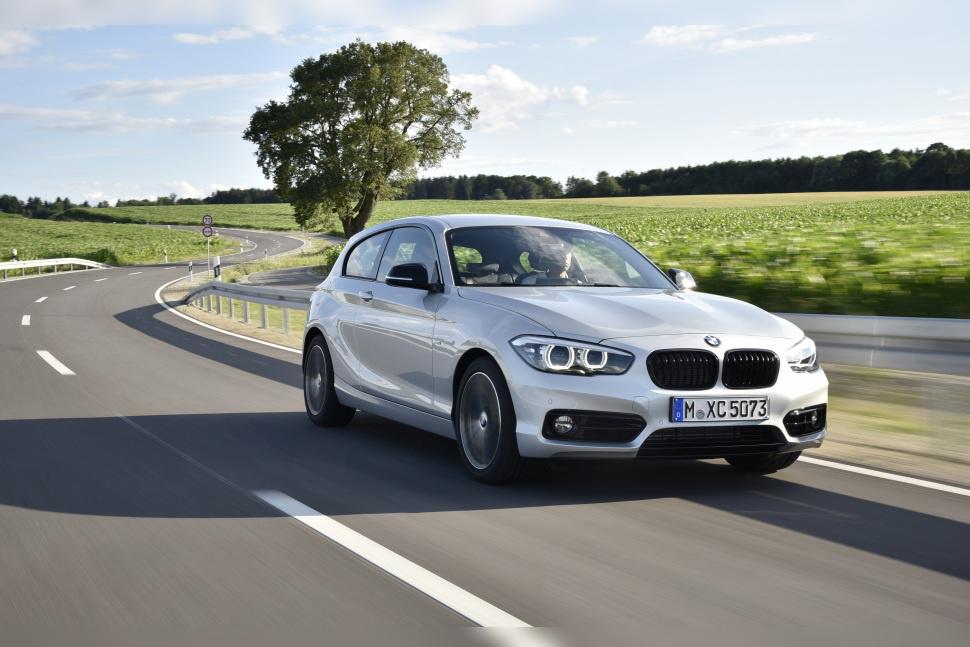
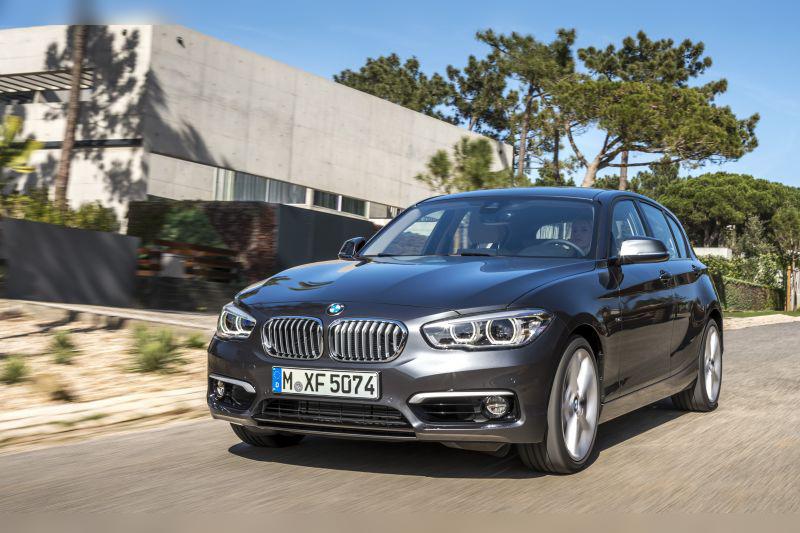
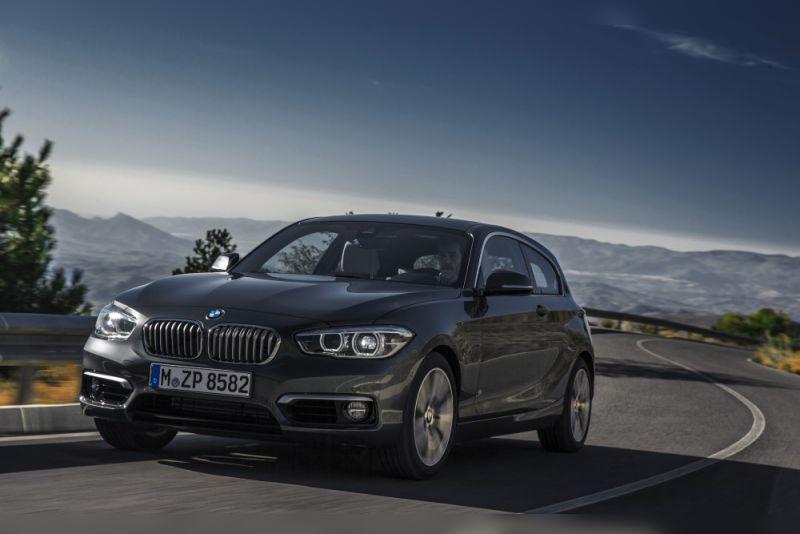
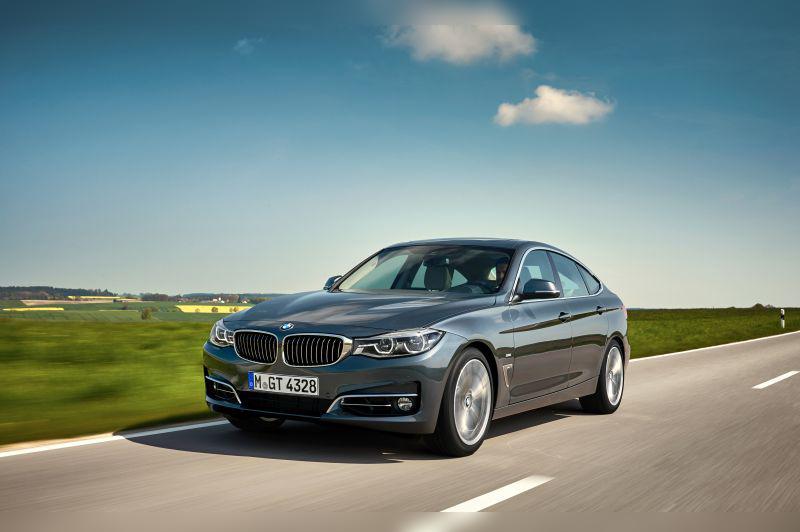
With 224 horsepower and a serious 450 Nm of torque, this engine is anything but “lazy” in any car it is fitted to. Even in heavier models such as the 3 Series Gran Turismo (F34) or 4 Series Gran Coupe (F36), in-gear acceleration is impressive because the engine pulls strongly from as low as 1,500 rpm. Smaller models like the 1 Series (F20) with this engine are true pocket rockets.
Despite the power, fuel consumption is very reasonable. In city driving you can realistically expect consumption between 7.5 and 9.0 liters per 100 km, depending on vehicle weight and driving style. Its true home is the highway. On the highway, at a cruising speed of 130 km/h, consumption drops to an excellent 5.5 to 6.5 l/100 km. When paired with the 8-speed automatic, the engine cruises at very low revs at 130 km/h (below 2,000 rpm), so the cabin is extremely quiet and the engine runs completely unstressed.
Additional options and modifications
For performance enthusiasts, the B47D20B is a fantastic platform for software tuning. A safe “chip tune” (Stage 1) raises power to around 260 to 270 HP, while torque can exceed 520 Nm. The engine block and internal components can handle this without issues. However, such power puts additional stress on the gearbox and, most importantly, on the cooling system and turbos. Before any tuning, it is mandatory to clean the intake manifold from soot, check the condition of the EGR and make sure the timing chain is in excellent condition.
Gearbox and drivetrain
With this engine version BMW offers two options: a classic 6-speed manual gearbox and an 8-speed automatic gearbox (by ZF). The manual gearboxes are mechanically very robust, but as mentioned earlier, the victim of the huge torque is the dual-mass flywheel, whose failure is recognized by strong vibrations when setting off and dull thuds when switching the engine off.
Most vehicles with this engine (especially in the 25d variant) are paired with the ZF 8HP automatic gearbox (Steptronic). This is, in the opinion of many experts, one of the best automatic transmissions in the world – as quick as a dual-clutch gearbox and as smooth as a traditional automatic. Its most common issue is actually maintenance. Although BMW officially claims that the oil in the gearbox is intended for the entire service life (“lifetime fill”), the gearbox manufacturer (ZF) explicitly recommends servicing and oil changes every 80,000 to 100,000 km. If this is not done, the channels in the valve body (mechatronics) can clog. Symptoms of poor maintenance include jolts when shifting from “P” to “D” or “R”, as well as hesitant and harsh gear changes while driving.
Buying used and conclusion
When buying a used car with the B47D20B engine, the most important tool you can have is a good mechanic with original BMW diagnostics. What should you definitely check?
- EGR history: Enter the VIN on the official portal and check whether the EGR cooler recall campaign has been carried out. Check the coolant level – if it’s low, walk away from that car.
- Chain noise: Make sure the seller doesn’t start the car before you arrive. Listen to the engine during the first 3–4 seconds after a cold start. Any rattling or scraping from the rear of the engine means an upcoming bill for a major service.
- Injector and DPF condition: Diagnostics will show injector corrections and the amount of ash accumulated in the DPF filter. Black soot on the exhaust tips is a bad sign for the DPF.
Final verdict: The B47D20B (224 HP) engine is a technological gem that offers a perfect balance between aggressive performance and low fuel consumption on long journeys. It is not for everyone. If you use your car exclusively for a home-to-work commute in dense city traffic, this engine will punish you with expensive issues related to emissions systems (DPF, EGR, AdBlue) and the intake. However, if you often drive on the highway, service it with quality oil every 10 to 15 thousand kilometers and carry out the major service preventively, this is one of the most capable 2.0-liter diesel engines in the world.