BMW B48B20A Engine (184 hp): Owner Experiences, Problems, Fuel Consumption and Used-Buying Tips
Key points in short (TL;DR):
- Significantly more reliable than its predecessor (the notorious N20 engine); timing chain failure issues have been resolved.
- The timing chain has been moved to the rear of the engine, towards the gearbox, which makes replacement more complex and more expensive when it becomes necessary.
- The most common issues are related to the cooling system: cracking plastic hoses, leaking water pump and oil filter housing.
- The engine offers an excellent balance between performance and fuel consumption, especially when paired with the ZF 8-speed automatic gearbox.
- Not recommended for LPG (autogas) conversion due to the specifics of direct injection.
- Fantastic potential for software tuning (Stage 1), where power is raised to a much higher level with minimal risk to the hardware.
Contents
- Introduction and market position
- Technical specifications
- Reliability, maintenance and common failures
- Specific parts and costs
- Fuel consumption and performance
- Extras, LPG and modifications (tuning)
- Gearbox and drivetrain
- Buying used and conclusion
Introduction and market position
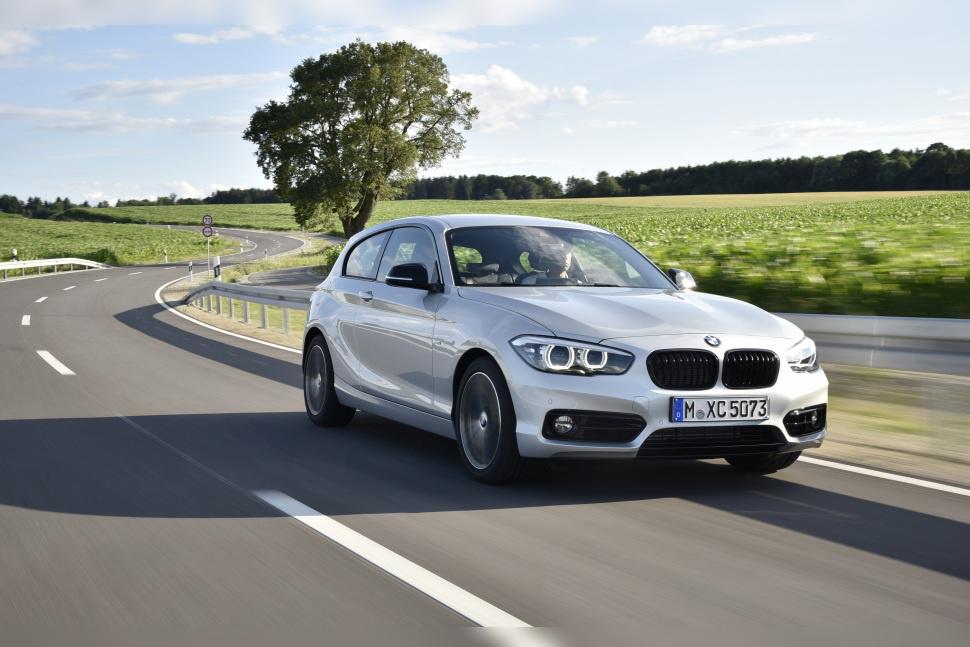
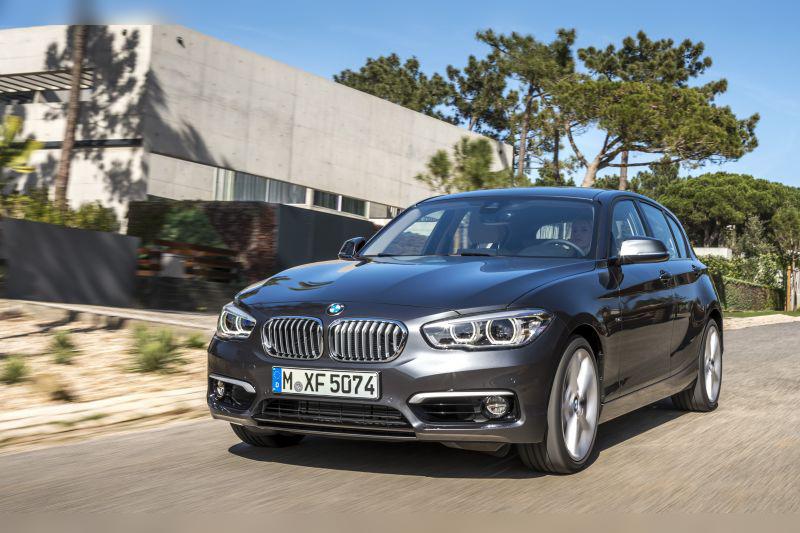
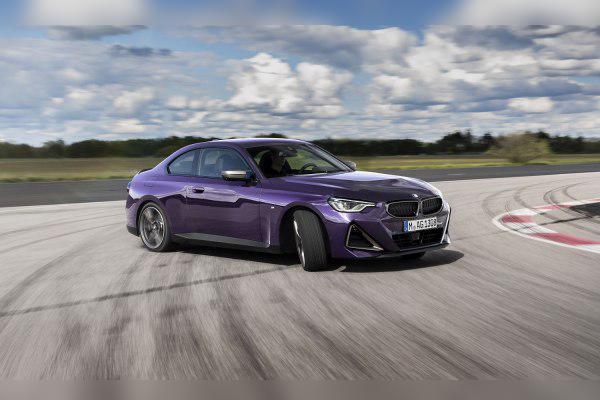
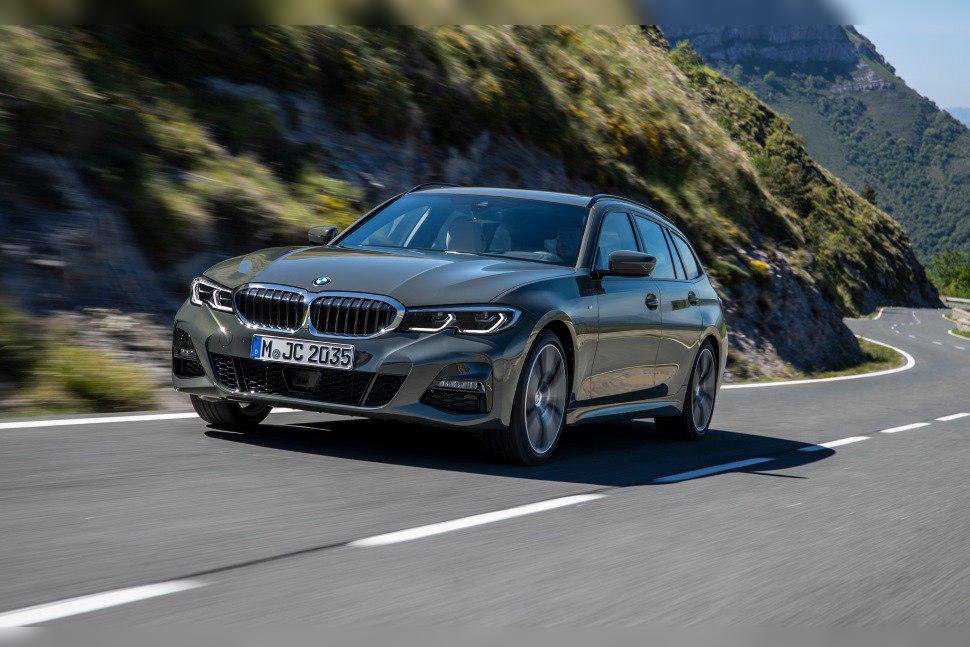
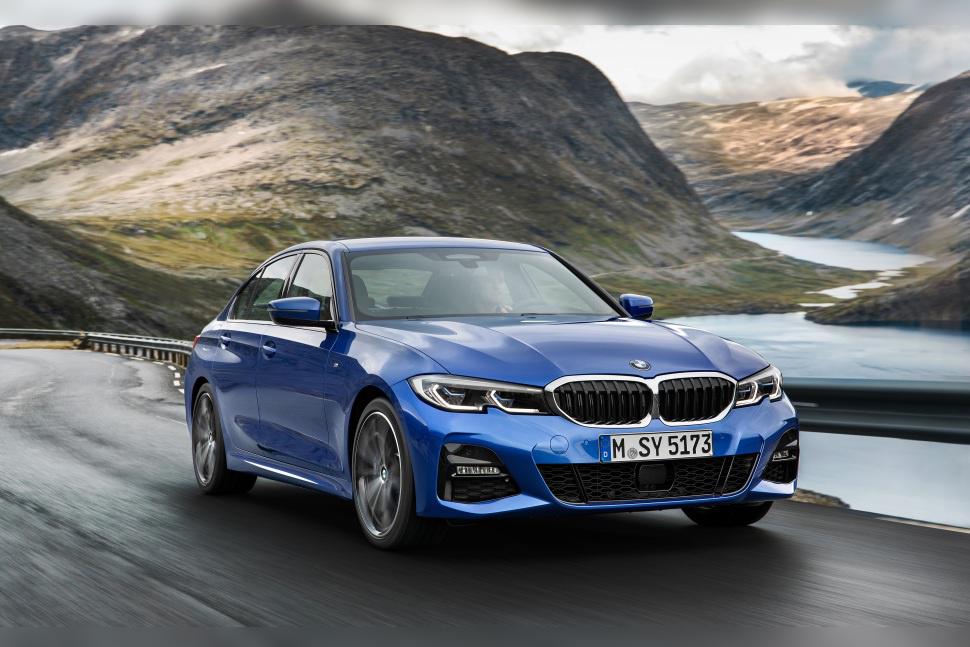
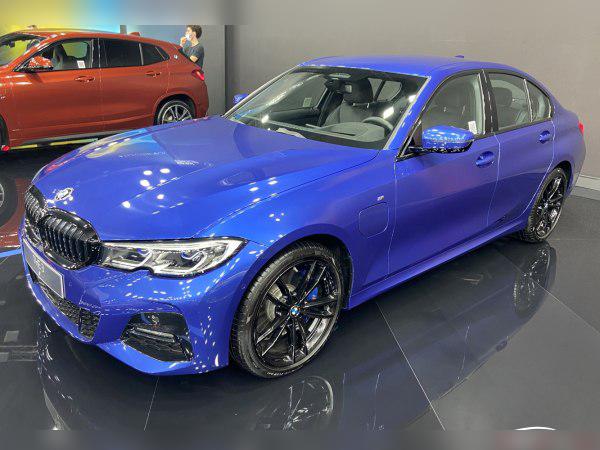
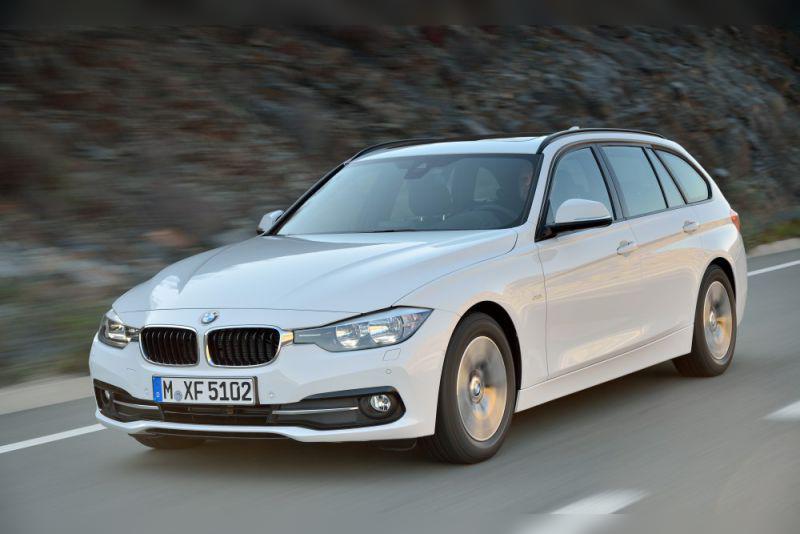
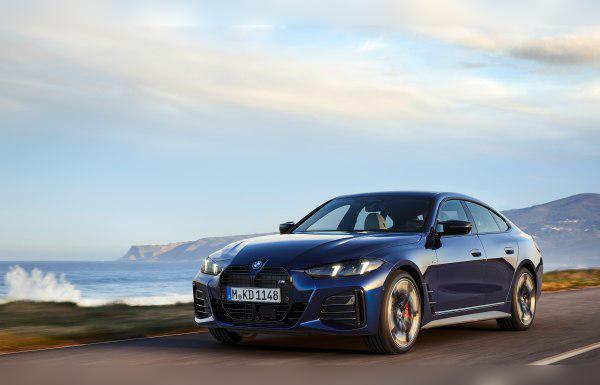
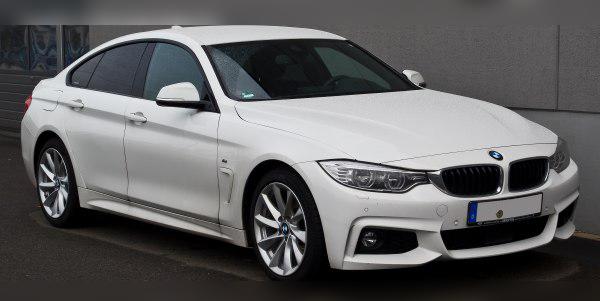
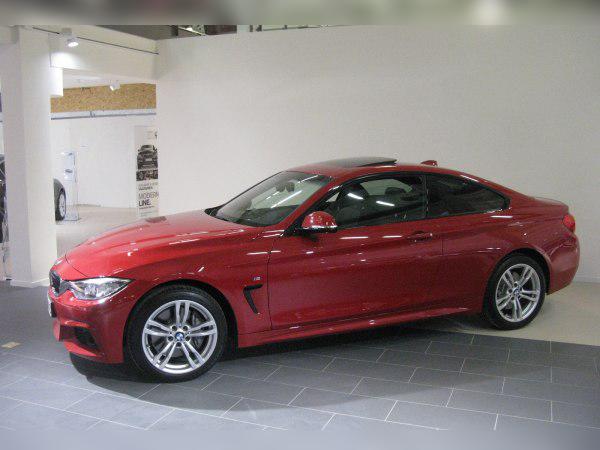
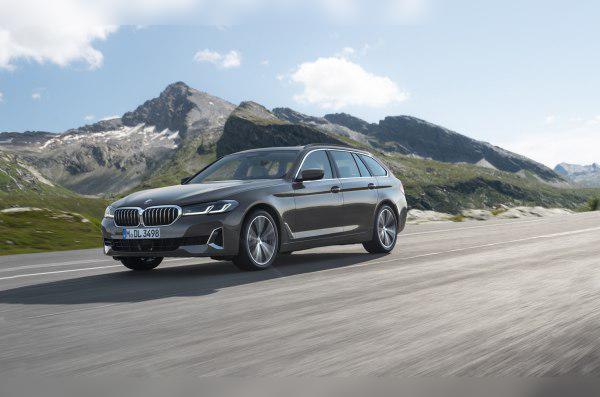
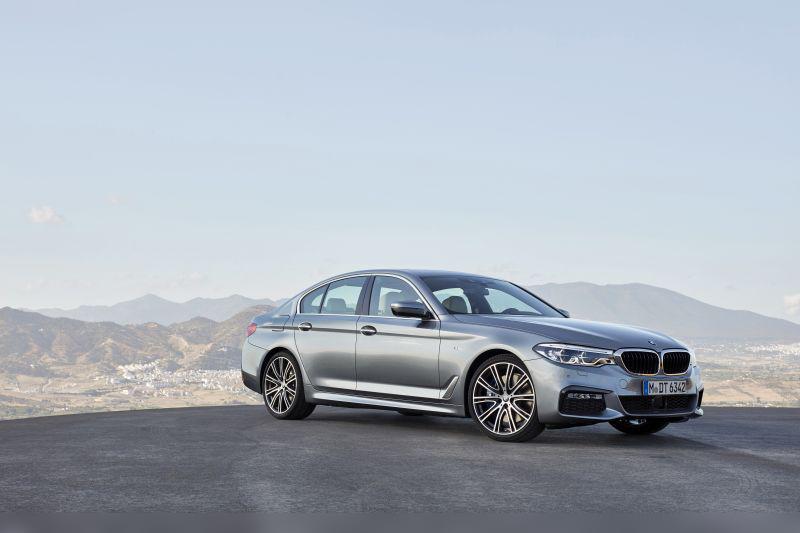
When BMW introduced its modular B-series engines, one of the most important tasks was to repair the reputation of its 2.0 petrol units, which had been seriously damaged by the previous N20. The engine designated B48B20A is the “lower-output” version of the 2.0 turbo petrol with 184 hp, although that term is rather relative, as in practice it has proven to be an extremely lively and flexible unit. It was fitted to almost the entire range – from the 1 Series, through the popular 3 and 4 Series, all the way to the larger 5 Series, X3 and X4. What sets it apart is its versatility; it serves as a standalone power unit, but also as the petrol base in plug‑in hybrids (models with the “e” badge, where with the help of an electric motor it delivers 252 hp or 292 hp). This is the engine that restored drivers’ confidence in BMW’s four‑cylinder petrols.
Technical specifications
| Parameter | Value |
|---|---|
| Engine displacement | 1998 cc |
| Power | 135 kW (184 hp) |
| Torque | 290 Nm |
| Engine code | B48B20A |
| Injection type | Direct fuel injection (High Precision Injection) |
| Charging | TwinPower Turbo (twin‑scroll turbocharger) |
Reliability, maintenance and common failures
The good news for all potential buyers is that the B48 does not suffer from the infamous rapid stretching and breaking of the timing chain that destroyed N20 engines. The B48 has the timing chain located at the rear of the engine (towards the firewall and gearbox). Because of this position, a classic “major service” that includes replacement of the complete timing set is extremely labour‑intensive, as it requires engine removal or serious disassembly from below, which makes this job quite expensive: from €1000 to €1500 (depending on the market). However, the chain on this engine is much more robust and rarely needs replacement before 200,000 to 250,000 km. Rattling on cold start is the first symptom that the chain is due for replacement.
Regular minor servicing includes oil and all filter changes. This engine takes 5.2 litres of engine oil, and BMW recommends fully synthetic oil of grade 0W‑20 or 5W‑30 (BMW Longlife‑14 FE+ or Longlife‑04, depending on the region). Although the factory oil change intervals are set at 25,000 to 30,000 km, any experienced mechanic will tell you to halve that. Changing the oil every 10,000 to 15,000 km is the only way to make this engine last. As for oil consumption, the B48 is not known as an “oil burner”. Consumption of around 0.2 to 0.5 litres between services is considered normal. If it uses more than one litre per 10,000 km, that points to an issue with the piston rings or the turbocharger.
Since this is a high‑performance turbo petrol engine, the spark plugs are extremely important. It is strongly recommended to replace them every 60,000 km. If neglected, combustion becomes irregular, which can overload the ignition coils and cause jerking under acceleration.
Main weaknesses and real‑world failures
The engine does not “fail mechanically”, but there are vulnerable peripherals around it. The biggest weak point of the B48 is the cooling system. The water pump and thermostat housing, made of composite plastic, tend to start leaking after 100,000 km. Also, the bleed hose in the cooling system (return line to the expansion tank) can become brittle and crack, leading to an immediate loss of coolant and a risk of overheating. Another well‑known and costly issue is cracking of the oil filter housing, which results in oil and coolant mixing or external leaks under the intake manifold.
Specific parts and costs
As a modern petrol engine, the B48 relies on direct injection. The injectors themselves are reliable and rarely fail if quality fuel is used, but the problem arises from the engine’s very design. Fuel does not wash over the intake valves, so over time carbon deposits build up on them. After 120,000 km, drivers may notice slight idle fluctuations or a loss of power. The solution is so‑called walnut blasting of the intake ports, which is not overly expensive (depending on the market), but is necessary for smooth engine operation.
The B48B20A uses a single twin‑scroll turbocharger (which is why BMW markets it as TwinPower Turbo, even though there are not two turbos). Turbo lifespan is generally excellent; it will usually go well beyond 200,000 km without a rebuild if the oil is changed regularly. Sometimes the actuator (the electronic valve that controls boost pressure) can cause problems, putting the car into limp mode with a loss of power, but this can be resolved without replacing the entire turbo.
Since this is a petrol engine, it naturally does not have a DPF filter or an AdBlue system that plague diesels. However, due to tightening emissions regulations, models produced after summer 2018 (Euro 6d‑TEMP) are equipped with a OPF/GPF filter (Gasoline Particulate Filter). This filter traps soot particles in petrol engines. It is less problematic than a DPF on a diesel because petrol exhaust gases are hotter and regenerate it more easily, but driving exclusively on short city trips can clog it. The EGR valve on this engine works in synergy with the complex VANOS/Valvetronic systems and does not get dirty to the extent seen on diesel engines.
Fuel consumption and performance
For a car weighing over 1.5 tonnes (such as the BMW 3 Series G20), 184 hp sounds like the bare minimum, but 290 Nm of torque available from as low as 1350 rpm makes this engine very relaxed and quick in city driving. It is not “lazy” in the 1, 2, 3 and 4 Series bodies. However, in the heavier 5 Series or SUVs such as the X3 and X4, you will feel it running out of breath during hard overtakes on country roads at higher speeds.
Real‑world fuel consumption is one of the B48’s strong suits. In pure city driving, expect between 8.5 and 10.5 l/100 km, depending on driving style and vehicle weight. On the other hand, the B48 is brilliant on the open road. Paired with the 8‑speed gearbox, on the motorway at 130 km/h the engine “cruises” in eighth gear at barely 2000 rpm. Consumption then drops to an impressive 6.0 to 7.5 l/100 km, which makes it seriously competitive with diesels in terms of economy.
Extras, LPG and modifications (tuning)
If you are buying this car with the idea of fitting an LPG (autogas) system, it is best to give up on that plan in time. The direct injection system, combined with the highly sophisticated Valvetronic variable valve lift system, makes LPG installation technologically complex and the system itself very expensive. The engine would also have to constantly inject a certain amount of petrol to cool the in‑cylinder petrol injectors, so the financial benefit of such a conversion is minimal, while the risk of engine damage is huge.
When it comes to remapping (“chiptuning”), the B48B20A is a real star. Since it shares the same block architecture with the more powerful 30i models (although there are differences in compression and pistons), this engine has serious power reserves. A standard Stage 1 software remap safely raises power from 184 hp to a spectacular 250 to 260 hp, and torque goes beyond 400 Nm. The difference on the road is dramatic; the engine really comes alive and completely changes the character of the car.
Gearbox and drivetrain
Most models with this engine are paired with the renowned ZF 8‑speed automatic gearbox (Steptronic). This is by far one of the best transmissions on the market, with extremely quick and smooth gear changes. Failures are very rare, provided it is maintained correctly. The ZF automatic uses a torque converter and does not have a conventional dual‑mass flywheel or dual clutch in the way DSG gearboxes do, so you are spared those worries. The manufacturer (BMW) claims the gearbox oil is “lifetime”, but the gearbox manufacturer (ZF) itself specifies that the oil and filter (the gearbox pan is replaced as a whole because the filter is integrated) must be changed every 80,000 to 100,000 km. This is not an excessively expensive job, but it saves the gearbox.
Although rare, you can also find a 6‑speed manual gearbox on the market, primarily in the 1 Series or earlier versions of the 3 and 4 Series. Models with a manual gearbox do have a dual‑mass flywheel. When it wears out, symptoms include knocking when switching the engine on and off, as well as strong vibrations in the clutch pedal. Replacing the clutch kit and dual‑mass flywheel is expensive (depending on the market).
Buying used and conclusion
When buying a used car with the B48 engine, diagnostics and a visual inspection are everything. What exactly should you do?
- Listen to a cold start: The engine should start without metallic rattling from the rear part under the bonnet. Rattling for 2–3 seconds means the chain has stretched.
- Coolant smell: Open the bonnet with the engine warmed up. If you notice a sweet coolant smell, there is a leak somewhere (pump, thermostat housing, hoses). Be sure to check the level in the expansion tank.
- Oil traces: Inspect the engine block around the oil filter housing, as the plastic there is known to crack.
- Diagnostics: Connect the car to a proper BMW diagnostic tool, check the operation of the Valvetronic motor and turbo actuator, and read whether the car has ever gone into limp (protection) mode.
Conclusion: The BMW B48B20A is an excellent 2.0‑litre petrol engine. It is aimed at drivers who want the refinement, cabin quietness and low fuel consumption of modern petrol engines, but are wary of strict city bans on diesels. If you find a car with a proper service history, where the oil has been changed on time, you will get a reliable engine whose acceleration and flexibility leave few people indifferent. It is particularly recommended for younger drivers and for those who want a strong “base” for later tuning and power increases.