BMW B57D30A (265 hp): Experiences, problems, fuel consumption and used car buying tips
- Key points (TL;DR):
- The B57D30A engine is significantly more reliable than its predecessor (N57), especially when it comes to the timing chain.
- It offers a fantastic balance between high power (195 kW / 265 hp) and surprisingly low fuel consumption.
- Emissions equipment is this engine’s biggest enemy – issues with the EGR valve, EGR cooler and AdBlue system are the most common reasons for visiting the workshop.
- It is paired with the phenomenal ZF 8HP automatic transmission, which requires regular oil changes despite the manufacturer’s “lifetime fluid” claims.
- It is not intended for short city trips; this is an engine built for highways and devouring miles.
Contents
- Introduction: Meet the Bavarian cruiser
- Technical specifications
- Reliability and maintenance
- Specific parts and costs
- Fuel consumption and performance
- Additional options and modifications
- Transmission and drivetrain
- Buying used and conclusion
Introduction: Meet the Bavarian cruiser
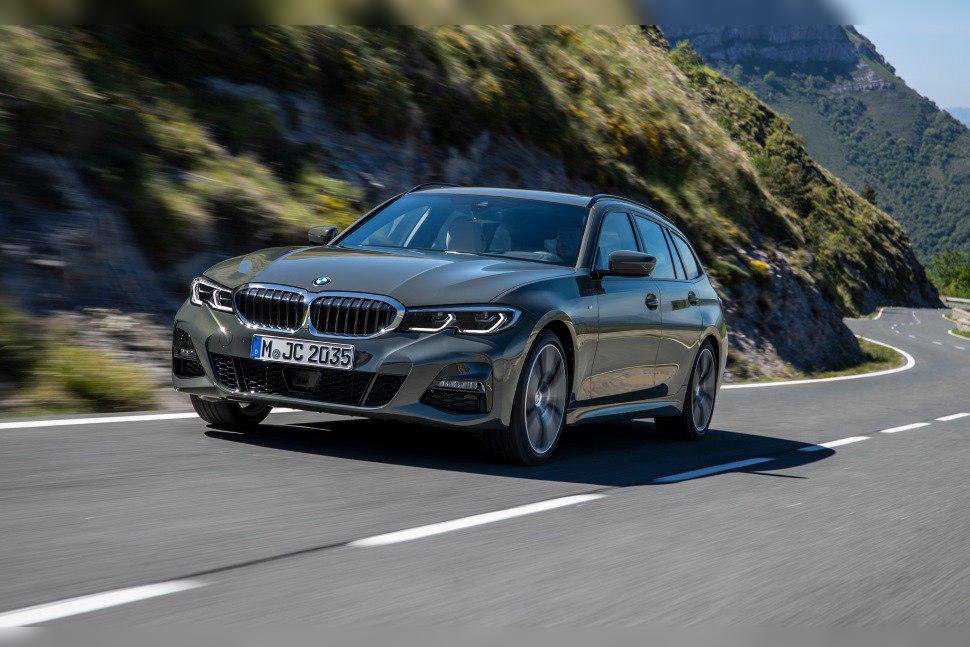
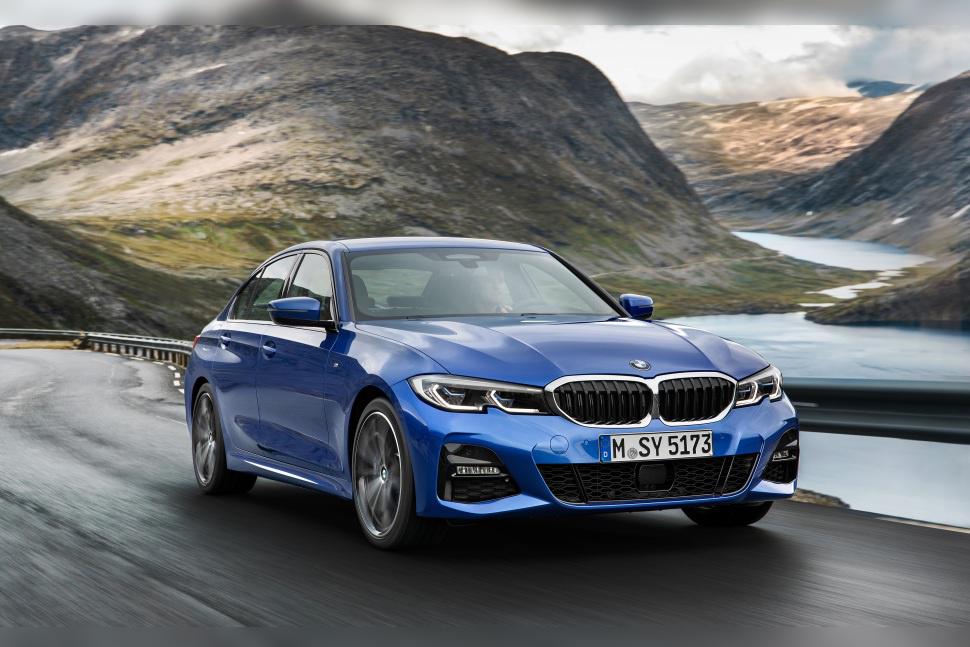
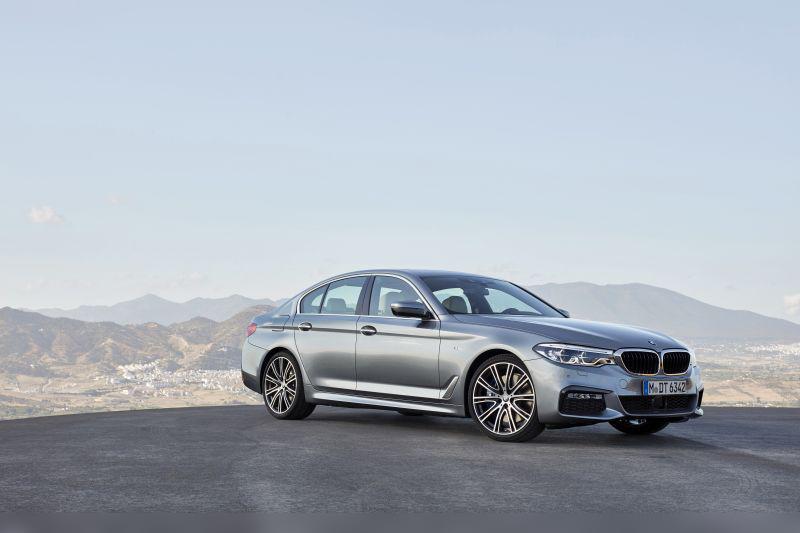
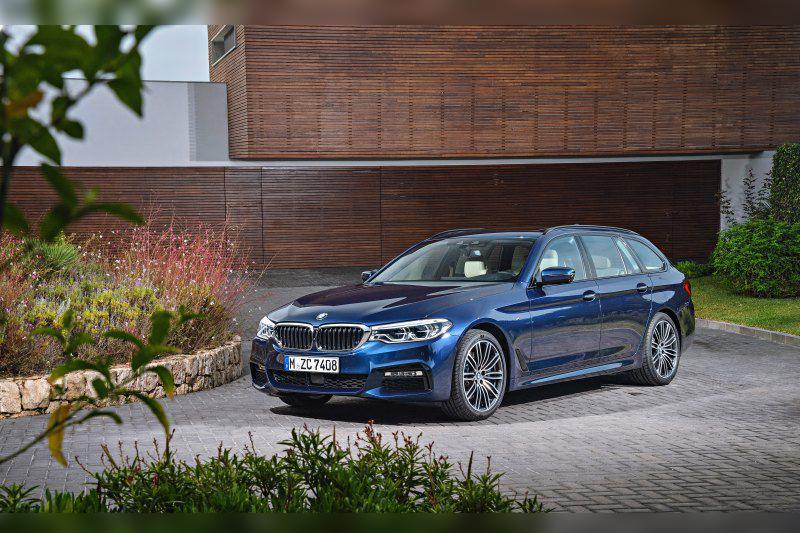
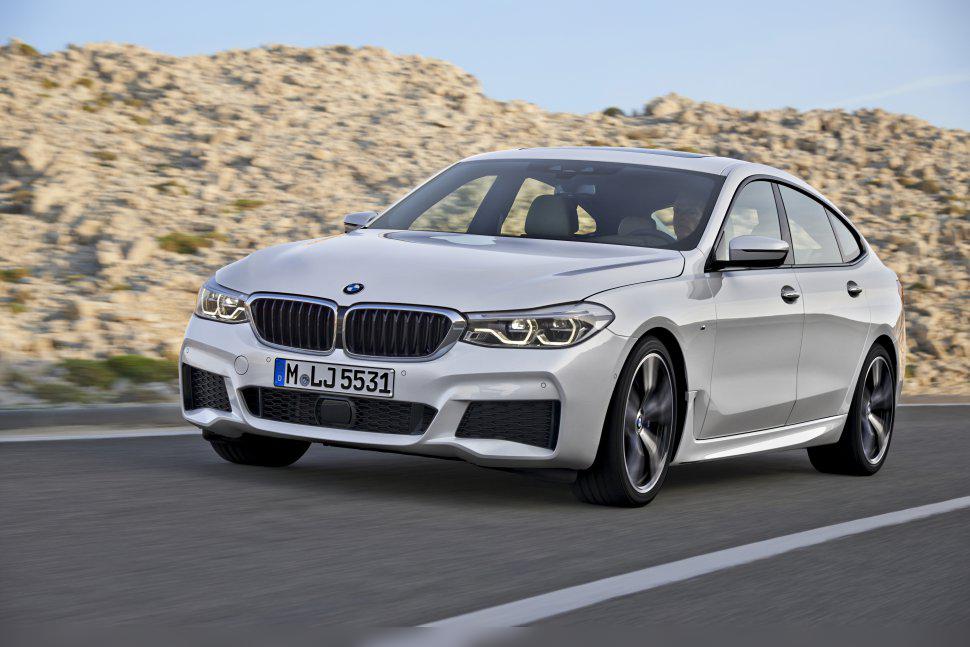
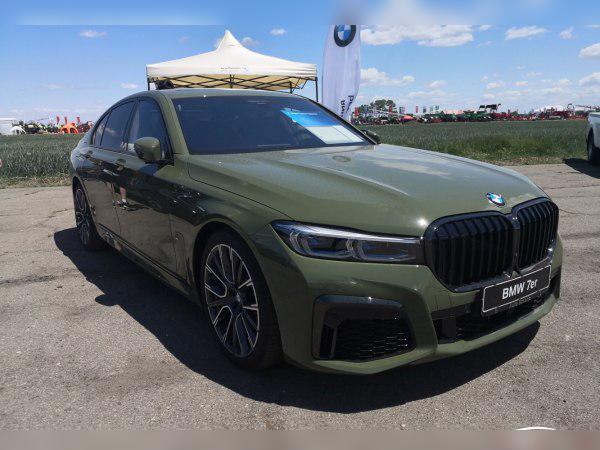
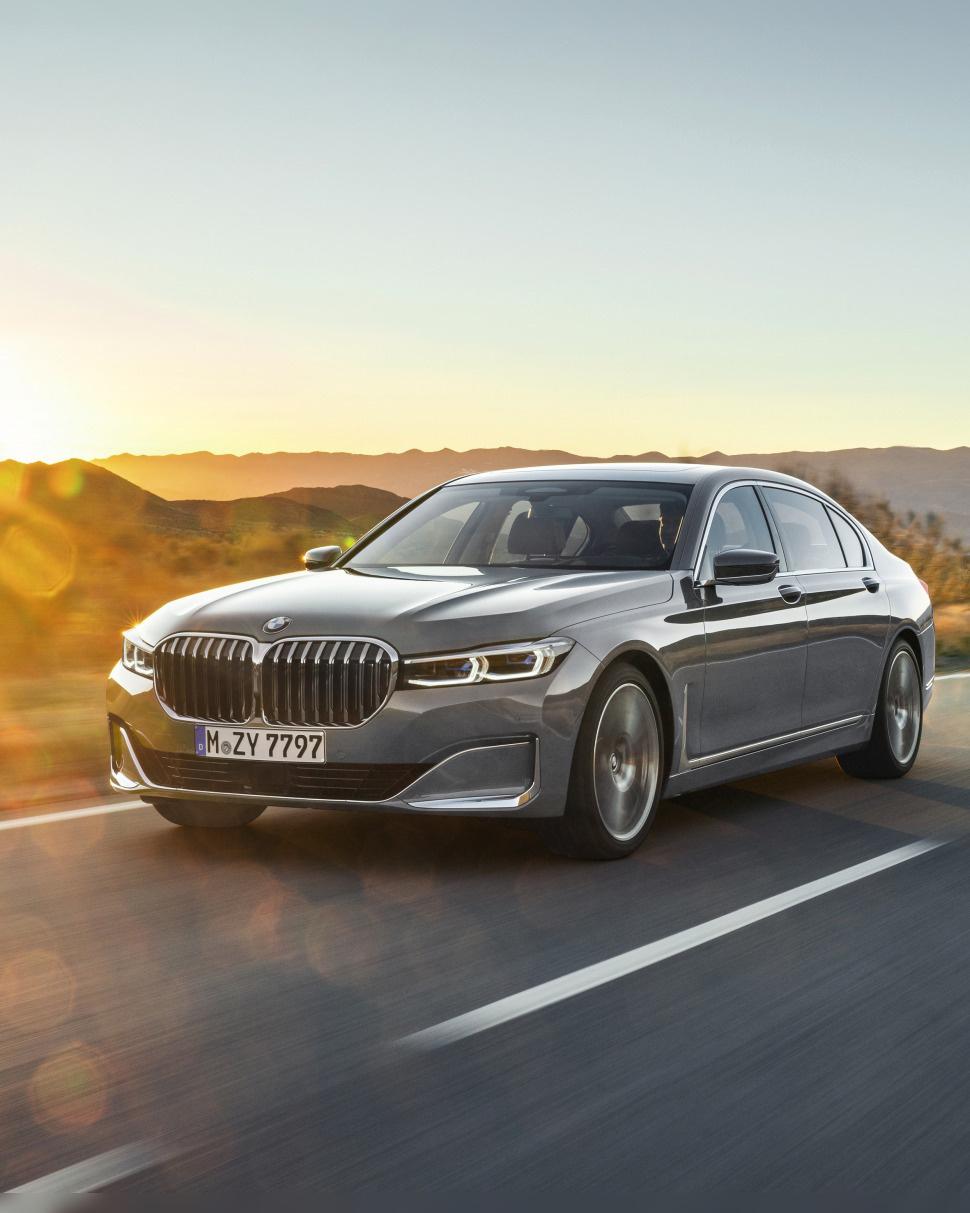
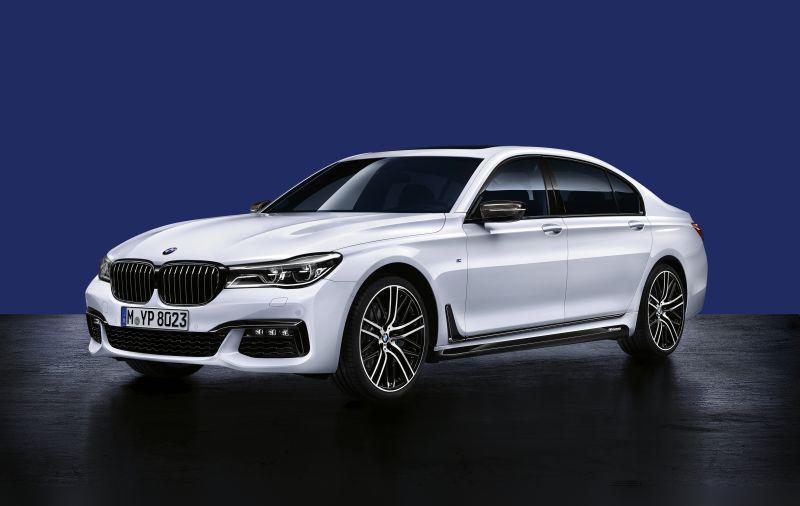
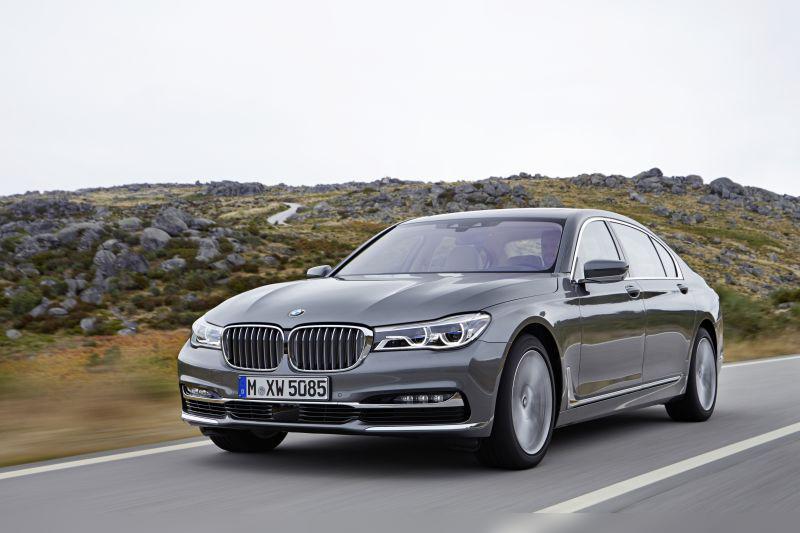
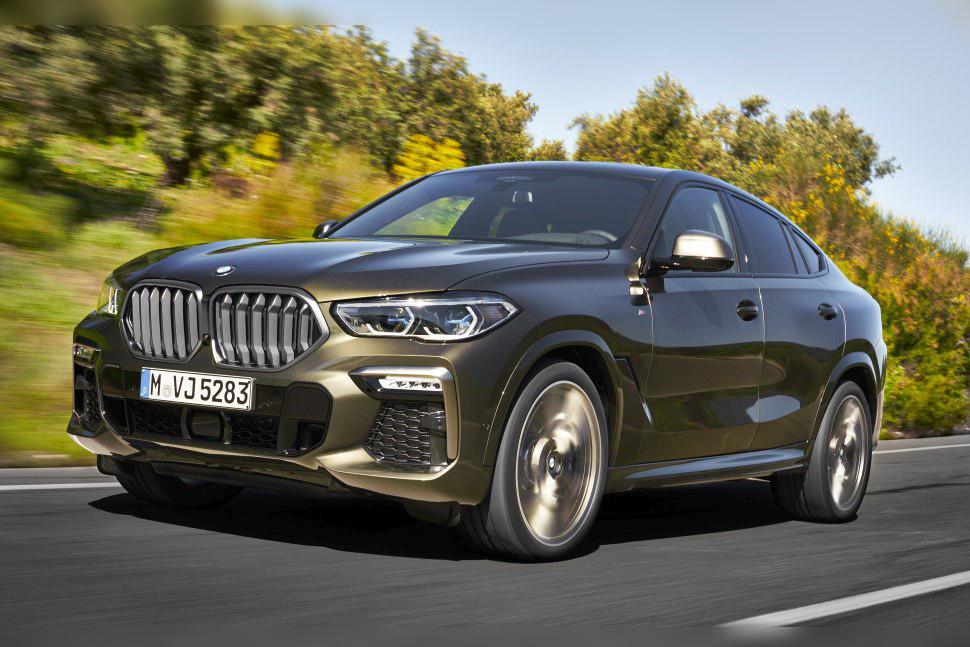
When BMW introduced the modular “B” generation of engines, expectations were sky-high. The B57D30A engine, with its 2993 cc, inline six cylinders and 195 kW (265 hp), became the backbone of the lineup in models ranging from the 3 Series (G20/G21), through the 5 Series (G30/G31) and the luxury 7 Series (G11/G12), all the way to the heavyweights of the X range (X3, X5 and even the massive X7). This engine replaced the well-known but temperamental N57, fixing many of its early-life issues. As an experienced mechanic and editor, I can tell you right away: this is one of the best three‑liter diesels on the market today, but it is far from immune to the problems of the modern era.
Technical specifications
| Parameter | Value |
|---|---|
| Engine displacement | 2993 cc |
| Power | 195 kW (265 hp) |
| Torque | 620 Nm |
| Engine code | B57D30A |
| Injection type | Common Rail (high-pressure piezo injectors) |
| Turbo/Naturally aspirated | TwinPower Turbo (single turbo with variable geometry), intercooler |
Reliability and maintenance
Does this engine use a timing belt or a chain?
This engine uses a timing chain. As with most modern BMW engines, the chain is located at the rear of the engine (towards the transmission). The good news is that on the B57 BMW has drastically improved the quality of the chain and guides compared to the previous N57 engine, where chain failure was an owner’s nightmare. Still, the chain is not eternal.
At what mileage is the major service done?
Officially, there is no prescribed interval for a major service in the sense of timing chain replacement. However, from experience, the condition of the chain must be monitored once you pass 200,000 km. Rattling on cold start is the first symptom of a stretched chain. Preventive chain replacement is usually done between 200,000 and 250,000 km to avoid catastrophic failure. The replacement itself requires removing the engine from the car, so labor costs are significant. The price of this major service is quite high (depends on the market).
What are the most common failures on this engine?
The engine’s mechanicals (crankshaft, pistons, block) are extremely robust. Failures are almost exclusively related to emissions systems and peripheral components:
- EGR cooler: This is a global issue for which BMW has issued recalls. The EGR cooler can crack and allow coolant to leak into the intake manifold. Symptoms include unexplained coolant loss without visible leaks under the car. In extreme cases, the mixture of soot and coolant can cause a fire in the intake manifold.
- Soot build-up in the intake manifold and swirl flaps: Due to exhaust gas recirculation, the intake manifold gradually clogs with a thick layer of carbon deposits. The engine becomes breathless, runs rough at idle and throws error codes on diagnostics. Cleaning the intake manifold (ideally by walnut blasting) is recommended every 100,000 km.
Minor service: Oil and oil consumption
The engine takes about 6.5 liters of oil. A high-quality synthetic oil of grade 5W-30 or 0W-30 that meets the BMW LL-04 (LongLife-04) specification is recommended, as this is important for preserving the DPF filter. The factory states an oil change interval of 30,000 km, but if you want this engine to last, change it at a maximum of 15,000 km (or 10,000 km if you mostly drive in the city).
As for oil consumption, a healthy B57D30A practically doesn’t use any. Consumption of up to 0.5 liters per 10,000 km is considered normal. If the engine uses more than that, the problem is usually in oil vapors (PCV valve) or the turbocharger, as piston rings rarely fail on these units.
How long do the injectors last and how reliable are they?
The engine uses extremely precise and fast piezo injectors. They have proven to be very reliable, often exceeding 250,000 km without any issues, provided you use high-quality Euro diesel. They are sensitive to water and contamination in the fuel. The first symptoms of worn injectors are rough running on cold start, slight needle shake on the tachometer, increased fuel consumption and frequent DPF regenerations. Injector replacement is very expensive (depends on the market).
Specific parts and costs
Does the engine have a dual-mass flywheel?
Given that in 99% of cases this engine is paired with a ZF automatic transmission, there is no classic dual-mass flywheel and clutch kit as in manual cars. The automatic uses a torque converter (Wandler) that transmits power and absorbs vibrations. There is a flex plate (automatic flywheel), but it is not prone to failure like a conventional dual-mass flywheel.
Turbocharger: Service life and maintenance
Although BMW uses the marketing name “TwinPower Turbo”, the B57D30A engine actually has a single turbocharger with variable geometry (VGT). The term “TwinPower” refers to the charging and injection technology itself, while models with two turbochargers carry the B57D30B designation (320 hp). The turbocharger is reliable and easily lasts over 200,000 km. Symptoms of failure include a whistling noise under load, bluish smoke and loss of power (limp mode). Turbocharger overhaul is moderately expensive (depends on the market).
DPF, EGR and AdBlue system
Unfortunately for the owner’s wallet, this model comes with the full emissions package. The DPF filter and EGR valve are standard. The DPF often clogs only if the car is suffocated in stop‑and‑go city traffic. If you drive it on open roads, the system handles regeneration very well on its own.
This engine is equipped with an AdBlue (SCR) system for reducing NOx emissions. And this is perhaps the weakest point of the vehicle. The most common failures involve the pump in the AdBlue tank, the heater or the fluid level sensor. A typical symptom is a message on the instrument cluster counting down the remaining kilometers before the computer completely blocks engine start. Repair usually means replacing the entire tank with the pump, which is extremely expensive (depends on the market).
Fuel consumption and performance
What is the real fuel consumption in city driving?
Consumption largely depends on the body style this engine is pulling. In the lighter 3 Series (G20), it will use around 8.0–9.0 l/100 km in the city. If the engine is installed in a massive X5 or X7, expect 10 to even 12 l/100 km in heavy traffic. For a three‑liter diesel with this much power, this is still an excellent result.
Is this engine “lazy” for the weight of the car?
Absolutely not. With 620 Nm of torque available from just 2,000 rpm, this engine pulls like a locomotive. Even in the heaviest X7, the B57D30A provides confident, effortless overtaking. In the 3 and 5 Series, it turns the car into a true sports sedan.
Behavior on the highway
The highway is this engine’s natural habitat. At 130 km/h, thanks to the eighth gear of the automatic transmission, the engine cruises at an incredibly low ~1,600 to 1,800 rpm (depending on the rear differential ratio and model). The cabin is perfectly quiet, and fuel consumption at that speed drops to around 6.0–7.5 l/100 km.
Additional options and modifications
How far can this engine be safely tuned (Stage 1)?
BMW engineers made the engine block and internal components incredibly strong. That’s why the B57 is very popular for ECU remapping (“chipping”). With a safe and proven Stage 1 remap, power easily jumps from 265 hp to 310–330 hp, while torque rises to a brutal 720–750 Nm. If the transmission is healthy and properly serviced, it can handle this torque without issues, and the car gains dramatically better acceleration.
Transmission and drivetrain
Which transmissions are used?
Forget about manual gearboxes with this engine. The power and torque are simply too high, so the B57D30A is exclusively paired with the ZF 8HP eight‑speed automatic transmission. In the opinion of many engineers and mechanics, this is the best automatic transmission in the world.
Transmission failures and maintenance
The ZF 8HP is a masterpiece of reliability, but only if it is properly maintained. The most common issues, such as jerking when shifting from second to first gear or vibrations under load, arise precisely because service intervals are ignored. Mechatronic failures and wear of the torque converter (Wandler) mostly occur on vehicles that have covered more than 250,000 km without a single oil change.
Transmission service: When to change the oil?
Do not fall for BMW’s “lifetime fluid” story. The transmission manufacturer itself, ZF, explicitly requires oil and transmission pan (with integrated filter) replacement every 80,000 to 100,000 km. Regular transmission servicing is moderately expensive (depends on the market), but incomparably cheaper than a full transmission overhaul.
Buying used and conclusion
What exactly should you check before buying?
If you are buying a used BMW with the B57D30A engine, pay attention to the following:
- Cold start: Ask the seller not to start the car before you arrive. Listen carefully to the rear of the engine for the first 3–5 seconds after starting. Any metallic rattling indicates a loose/stretched chain.
- Coolant level: Check the coolant expansion tank. If the level is low, that’s a red flag for the EGR cooler. Using the VIN, check with an authorized dealer whether the car has undergone the recall campaign for EGR cooler replacement.
- Diagnostics: Connecting the original BMW diagnostic tool (ISTA) is a must. Check injector correction values, DPF load status (ash and soot) and carefully go through the fault history for the AdBlue system.
Who is this engine for?
The BMW B57D30A (265 hp) is a gem of modern diesel technology. If you need a car for commuting that involves open roads or highways, you will get an engine with incredible performance, refined operation and laughably low fuel consumption for its displacement. On the other hand, if you are buying the car to drive 5 km a day in city traffic on a home‑to‑work route, be prepared for expensive problems with the DPF, EGR, soot build‑up and the AdBlue system. This is not a city car; this is a Bavarian cruiser built to be driven – and driven fast.