BMW M20B20 (129 hp): Experiences, issues, fuel consumption and used-car buying tips
- Sound and smoothness: An old-school inline-six with a distinctive, silky sound.
- Timing belt: One of its biggest drawbacks is the sensitivity to belt failure; strictly following replacement intervals is imperative.
- Overheating: Prone to cylinder head cracking if the cooling system (viscous fan) is not perfectly maintained.
- Performance: In the E30 (3 Series) it’s decent, but in the heavier 5 Series (E34) it feels noticeably “lazy” and needs high revs.
- Fuel consumption: Quite high fuel consumption, especially in city driving.
- Maintenance: Requires periodic manual valve adjustment because it has no hydraulic lifters. It lacks expensive modern systems (DPF, dual-mass flywheel, turbo).
Contents
- Introduction: Meet the famous "Baby Six"
- Technical specifications
- Reliability and maintenance
- Specific parts and costs
- Fuel consumption and performance
- Additional options and modifications
- Transmissions and drivetrain
- Buying used and conclusion
Introduction: Meet the famous "Baby Six"
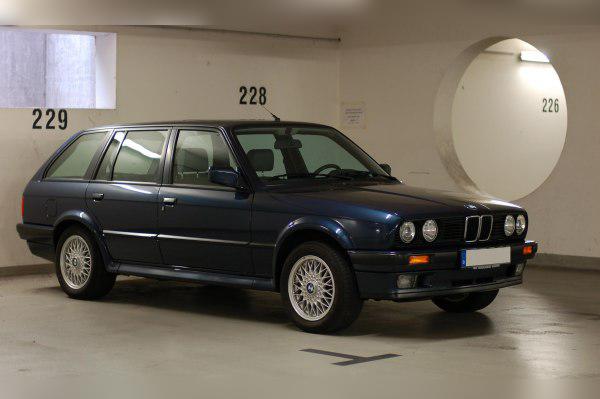
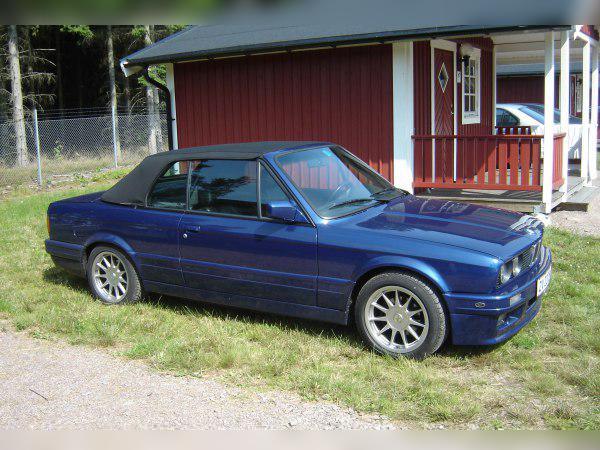
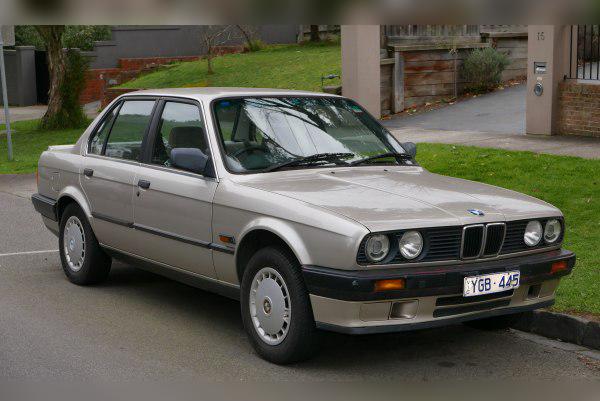
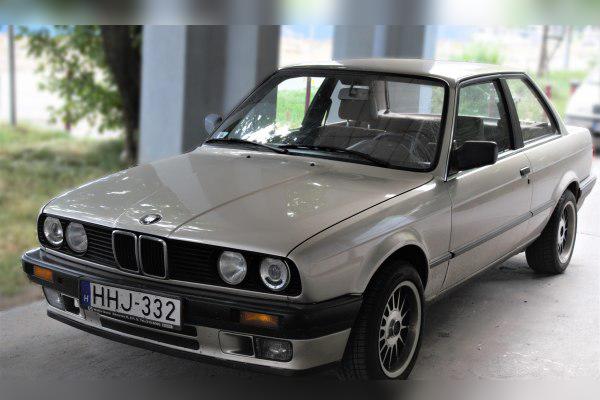
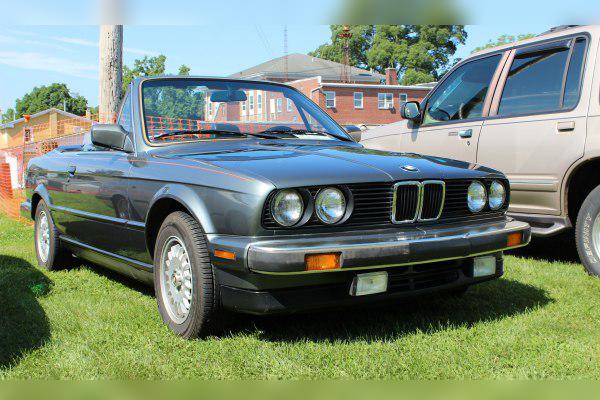
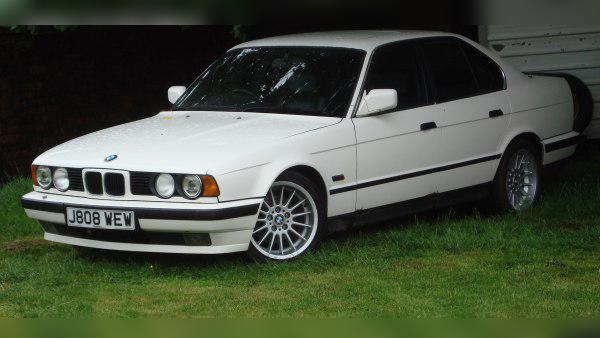
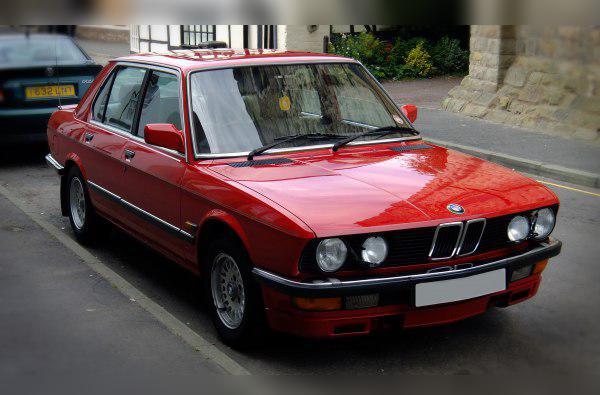
When talking about automotive history and classic inline-six engines, the M20B20 holds a special place. It is the smallest six-cylinder from the M20 family, popularly called the "Baby Six". It was mostly installed during the eighties and early nineties, dominating in the 3 Series (E30) and 5 Series (E28, E34) models. Today this engine is a ticket into the world of classic cars and has undeniable old-school charm, but it requires specific technical knowledge and a level of maintenance dedication that is quite different from what modern cars demand.
Technical specifications
| Specification | Data |
|---|---|
| Engine displacement | 1991 cc |
| Power | 95 kW (129 hp) |
| Torque | 164 Nm |
| Engine code | M20B20 |
| Injection type | Bosch L-Jetronic / Motronic (depending on model year) |
| Turbo/Naturally aspirated | Naturally aspirated engine |
Reliability and maintenance
As a classic product of its time, the M20B20 is an engine that can cover huge mileages, but it does not tolerate neglect. The biggest difference compared to most other BMW six-cylinders is that this engine uses a timing belt instead of a chain. Due to its specific design (an “interference engine”), if the belt snaps, the pistons hit the valves, which results in catastrophic engine damage. Because of this, the major service must be done strictly every 50,000 to 60,000 km or every 4 to 5 years, whichever comes first.
When it comes to the most common failures, overheating is at the top of the list. The cylinder head is long and made of aluminum, while the block is cast iron. If the viscous fan, water pump or thermostat fails, the engine overheats quickly, which leads to warping or even cracking of the cylinder head (most often between the 5th and 6th cylinder). Symptoms include loss of coolant, mixing of oil and coolant (a “mayonnaise” deposit on the oil cap) and whitish smoke from the exhaust.
Lubrication and regular servicing
The lubrication system requires older-generation, higher-viscosity oils. The most common recommendation is 10W-40 or even 15W-40 for warmer climates. The oil pan holds about 4.25 to 4.5 liters of oil. Does it consume oil? Yes. Over time, the valve stem seals harden and the piston rings wear. Consumption of 0.5 up to even 1 liter of oil per 1,000 km on older and poorly maintained examples is considered common, although a healthy engine should not exceed 0.2 l/1000 km. Drivers most easily notice this by bluish smoke from the exhaust when lifting off the throttle (engine braking).
This engine has no hydraulic lifters, but so‑called rocker arms. Because of that, manual valve clearance adjustment every 20,000 to 30,000 km is mandatory. If you hear a pronounced “tick-tick-tick” from the top of the engine, it’s time for adjustment. Spark plugs on this petrol engine are usually replaced every 30,000 to 40,000 km, and standard copper plugs are very affordable.
Specific parts and costs
One of the big advantages of this old engine is its simplicity. The M20B20 has no dual-mass flywheel; it was only fitted with a solid flywheel, which means clutch kit replacement is mechanically simple and financially reasonable – the cost falls into the not expensive (depends on market) category.
The injection system on later E30s and all E34 models is electronic (Bosch Motronic 1.1/1.3). The injectors themselves are extremely durable, but after 30+ years they can clog from deposits in the fuel tank. Symptoms are rough idle and jerking. The problematic part of this system is the flap-type air flow meter (AFM). Inside it there is a graphite track that wears out over time due to friction, so the engine hesitates at certain rpm. A good used unit is hard to find today, and a new one is expensive (depends on market).
The engine has no turbocharger, no DPF filter, no EGR valve that would get clogged, and of course, since it’s an old petrol engine, there is no trace of an AdBlue system. This makes it very friendly for long-term ownership because there are no extremely expensive modern components that can fail.
Fuel consumption and performance
With 129 hp (95 kW) and a modest 164 Nm of torque available only at higher revs (around 4,300 rpm), performance depends heavily on the body style. In the smaller and lighter 3 Series (E30 – the famous “box”), the engine behaves quite decently. However, in the heavier 5 Series (E34), this engine is noticeably “lazy” at low revs. To make the car accelerate the way you expect from a BMW, you have to keep it in the high rev range, which directly affects noise and fuel consumption.
By modern standards, real-world fuel consumption is very high. In city driving, expect 12 to 14 liters per 100 km (in an E34 even more, especially with an automatic transmission). On the motorway, at 130 km/h, due to the short gear ratios in the manual gearbox, the engine spins high, usually between 3,500 and 4,000 rpm (depending on the differential ratio, which often varied). Because of this, cabin noise on the motorway can be tiring, and consumption rarely drops below 8 to 9 l/100 km.
Additional options and modifications
Given the high petrol consumption, LPG (autogas) conversions used to be a very popular modification. This engine handles LPG very well. However, a major downside of old, cheap venturi systems (which were widely installed in the past) is the risk of backfire in the intake manifold. Such a backfire almost always breaks the delicate flap in the air flow meter. If you are buying a car with LPG or planning an installation, the recommendation is a sequential LPG system only.
As for “chipping” (Stage 1 software tuning), there is no good news. Since this is an old naturally aspirated engine without a turbo, changing the maps in the ECU (Motronic chips) can give you at most 5 to 8 hp. In practice, the driver cannot feel that on the throttle, so the conclusion is that chipping this engine is a waste of money.
Transmissions and drivetrain
Two basic types of transmissions were offered with the M20B20:
- Manual: Reliable 5-speed Getrag 240 or 260. These gearboxes are almost indestructible mechanically. The only common issue, after hundreds of thousands of kilometers, is synchro wear (most often second gear), which makes the gearbox grind when shifting quickly from first to second. Changing the oil in the manual gearbox is recommended every 60,000 km.
- Automatic: Most commonly the 4-speed ZF 4HP22. By today’s standards it shifts very slowly, which makes the engine feel even more sluggish. The main weakness of this automatic is wear of the A-clutch pack. The symptom is that the gearbox loses drive in forward gears, while reverse still works. This usually happens if someone revs the engine in P or N (due to excessive oil pressure). Servicing and changing the ATF and filter must be done every 40,000 to 50,000 km. Failures on this automatic fall into the expensive (depends on market) category.
Buying used and conclusion
Buying a BMW with an M20B20 engine today means buying a classic vehicle, not a cheap means of transportation from point A to point B.
What exactly should you check before buying?
- Cooling system: With the engine off, the viscous fan should offer resistance. If it spins freely like a propeller, it’s faulty. Be sure to open the oil cap; if you see a mixture the color of milky coffee (“mayonnaise”), coolant has mixed with the oil – the head gasket or the head itself has likely failed.
- Timing belt: Ask for proof of a recent major service. If there is no proof, having the car towed from the place of purchase to a mechanic is the smartest option.
- Engine noise: Slight valve ticking is normal and is solved by adjustment, but deep knocking from the bottom end of the engine (crankshaft, bearings) is a sign that the engine is “on its last legs”.
- Exhaust under load: Have someone drive behind you. Black smoke means poor injection/too much fuel. Blue smoke means it’s burning oil (rings or valve stem seals).
Conclusion
Who is the M20B20 for? It is not intended for drivers looking for economy, low fuel consumption or modern performance. This engine was made for true enthusiasts and fans of the old BMW spirit. In an E30 body it offers a beautiful six-cylinder symphony with decent dynamics and a return to the “golden era of the automotive industry”, but the buyer must be prepared for regular, traditional mechanical maintenance and high fuel bills.