BMW M20B25 (170 hp): Experiences, Issues, Fuel Consumption and Used-Buying Tips
- Key points in short (TL;DR):
- One of BMW’s most famous inline-sixes, known for its silky smooth operation and fantastic sound.
- The camshaft is driven by a timing belt – the replacement interval must be strictly followed because a snapped belt destroys the engine.
- The main enemy of this engine is overheating, which leads to cylinder head cracking.
- No hydraulic lifters – requires regular mechanical valve clearance adjustment.
- Fuel consumption in city driving is extremely high, often exceeding 14 l/100 km.
- A dual-mass flywheel is fitted on later versions, while early ones have a solid flywheel.
- Today it’s bought purely as an enthusiast weekend car, not as a daily commuter.
Contents
- Introduction: An icon of the eighties
- Technical specifications
- Reliability and maintenance
- Specific parts (costs)
- Fuel consumption and performance
- Additional options and modifications
- Gearbox and drivetrain
- Buying used and conclusion
Introduction: An icon of the eighties
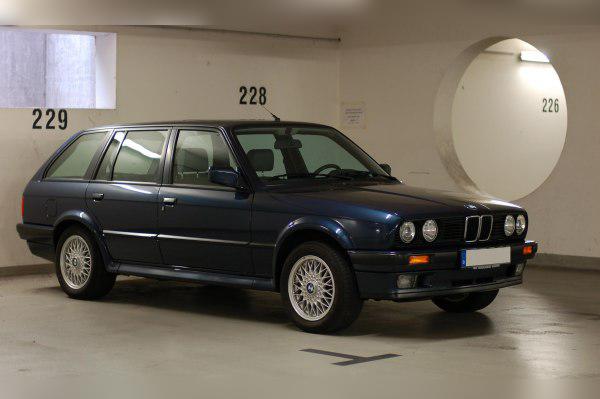
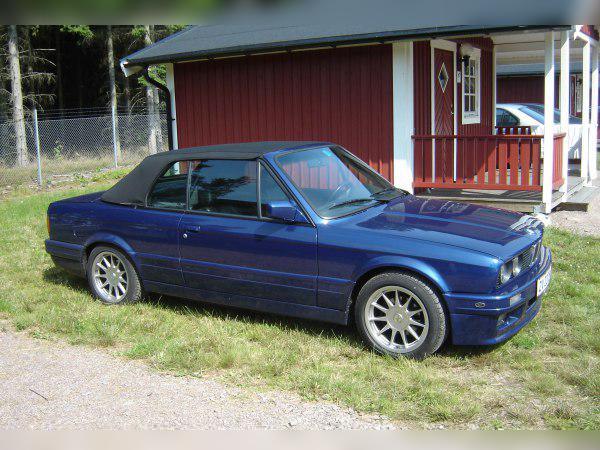
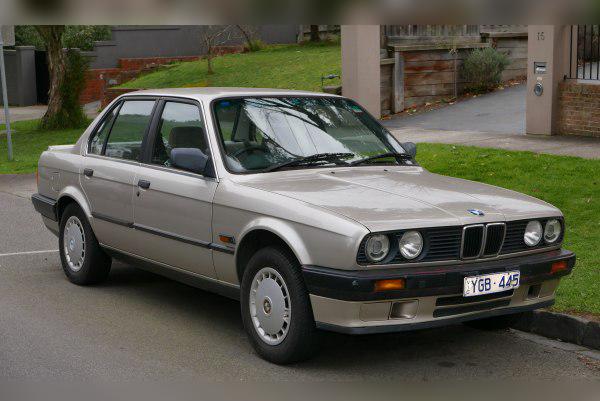
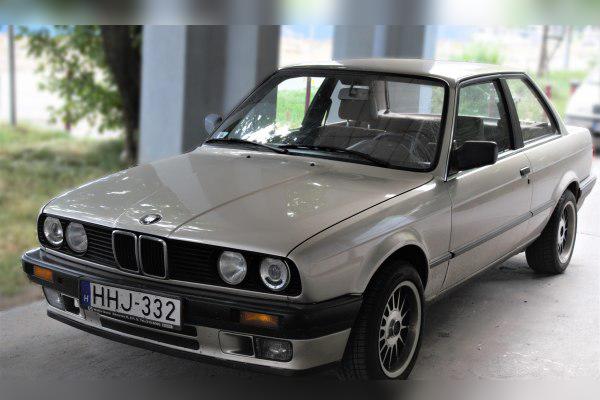
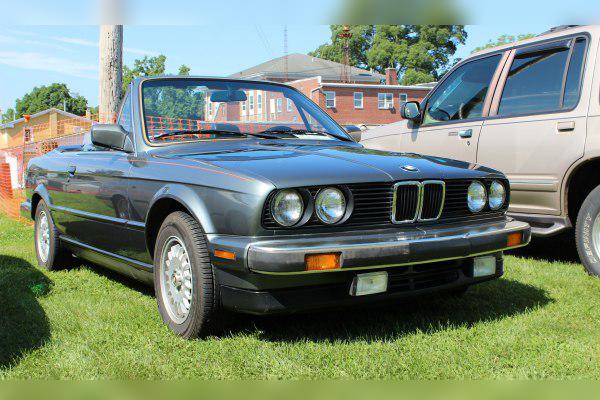
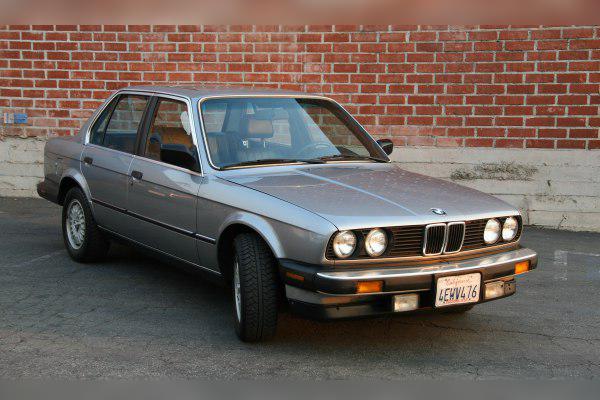
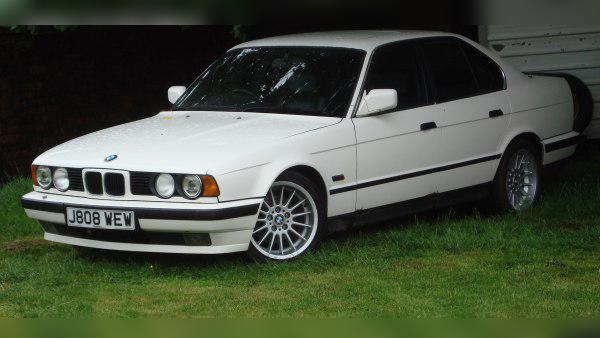
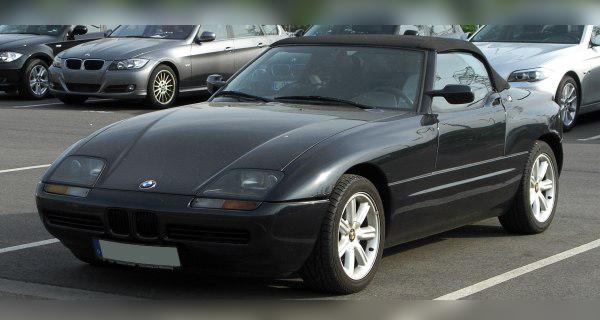
When people mention the golden era of BMW inline sixes, the M20B25 is the engine that first comes to mind for any seasoned car enthusiast. Developed as part of the “Baby Six” (M20) family, this 2.5‑liter unit was produced throughout the eighties and early nineties. It earned its fame primarily in the cult E30 model (the legendary “Box” 325i), but it also powered the first versions of the E34 (525i), and even the exotic Z1 roadster. This is an old-school engine – single camshaft, twelve valves, naturally aspirated breathing and a sound that very few modern engines can replicate. However, time takes its toll, so owning this engine today requires specific knowledge, a deeper pocket and a good mechanic.
Technical specifications
| Parameter | Data |
|---|---|
| Displacement | 2494 cc |
| Power | 125 kW (170 hp) at 5800 rpm |
| Torque | 222 Nm at 4000 rpm |
| Engine code | M20B25 (codes 256E1, 256E2, 256K1) |
| Injection type | Bosch Motronic (port fuel injection) |
| Induction type | Naturally aspirated |
Reliability and maintenance
Does this engine have a timing belt or a chain?
Unlike the later M50 engine, the M20B25 uses a timing belt to drive the camshaft. This is crucial information for every owner. The major service is an absolute priority because the M20 is an interference engine – in other words, if the belt snaps, the pistons will hit the valves and cause catastrophic damage to the cylinder head and block.
At what mileage is the major service done?
The major service is done every 60,000 km or every 4 to 5 years, whichever comes first. The interval is noticeably shorter than on modern cars, and the belt materials from that era, as well as the tensioner design, do not allow you to stretch this interval.
What are the most common issues with this engine?
Although mechanically robust (the crankshaft and block are virtually indestructible), the M20 suffers from several “childhood diseases” that have become chronic over the years:
- Overheating and cracked cylinder head: The biggest problem. The viscous fan clutch often fails or the water pump gives up. The cooling system is sized “on the edge”, so any traffic jam driving without a healthy viscous fan pushes the temperature above 90°C. The result is a warped cylinder head and very often cracked aluminum between the 5th and 6th cylinders.
- Valve clearance (ticking): This engine does not have hydraulic lifters. Valve clearance must be adjusted mechanically (usually every 20,000 to 30,000 km to 0.25 mm for intake and exhaust). If you hear loud metallic ticking (like a sewing machine), it’s time for an adjustment. If the ticking is very loud, the camshaft may already be worn.
- Unmetered air (vacuum leaks): Due to the age of the rubber hoses, intake manifold and gaskets, the engine often draws in unmetered air, which causes an unstable idle (fluctuating rpm).
Engine oil and oil consumption
The engine takes about 4.25 to 4.5 liters of oil (depending on whether it has an oil cooler, which is common on E30 325i models). For European conditions, mineral or semi-synthetic oil of 10W-40 or 15W-40 grade is recommended. Using modern, very thin “water” like 5W-30 is not recommended due to the larger internal tolerances of the engine.
Oil consumption is absolutely normal for this unit. A healthy engine will use around 0.3 to 0.8 liters per 1000 km. If it uses more than 1 liter, the cause is usually hardened valve stem seals (easily noticed as blue smoke from the exhaust after idling for a while and then revving) or worn piston rings (constant smoke under acceleration).
Spark plugs
The M20 uses standard, inexpensive copper spark plugs. It is recommended to replace them every 20,000 to 30,000 km to ensure an optimal spark and to protect the distributor and ignition leads, which are quite expensive to replace nowadays.
Specific parts (costs)
Fuel injection system and electronic issues
The engine uses a Bosch Motronic engine management system. The fuel injectors rarely fail completely, but due to age they often have poor spray patterns. Ultrasonic cleaning and replacing the injector seals solve most issues and restore performance. The cost of this job is not high (depends on the market).
The truly problematic part is the air flow meter (AFM) with a flap. Its internal graphite track wears out over time due to friction, so the engine loses power, hesitates under acceleration or stalls at idle. Repair is difficult, and finding a good used one is a lottery.
Flywheel: solid or dual-mass?
This depends on the production year. Early versions of the M20 engine (up to around 1987) came with a classic solid flywheel. Later models (facelift E30 and E34) were equipped with a dual-mass flywheel to reduce vibrations and improve shift smoothness. If you’re buying a clutch kit, you must check by VIN or visually inspect the gearbox once it’s removed.
Turbo, DPF, EGR, AdBlue?
Since this is a naturally aspirated petrol engine designed four decades ago, this engine has absolutely none of the mentioned emissions systems. No turbocharger, no EGR valve, no DPF filter, and no AdBlue system. It breathes purely mechanically through the intake manifold, and the exhaust is handled by a simple catalytic converter (on the so‑called “Kat” versions that had one) or just a basic exhaust pipe.
Fuel consumption and performance
Real-world fuel consumption
This is an engine from an era when ecology and fuel economy were not priorities. In the light E30 body, and even in the E34, city fuel consumption rarely drops below 13–14 l/100 km. With a heavy right foot, cold weather and stop‑and‑go traffic, the figure easily climbs to 16 l/100 km. On open roads and highways, consumption can drop to a more acceptable 8 to 9 liters.
Is the engine “lazy”?
It all depends on what car it’s installed in. In the BMW E30 325i (rear‑wheel drive, around 1200 kg), this engine is fantastic. Acceleration is excellent, the car “bites” and delivers a genuinely sporty experience, even by today’s standards.
However, in the E30 325iX (all‑wheel drive, heavier car with an automatic gearbox) it can feel a bit sluggish off the line due to higher drivetrain losses. When placed under the bonnet of the heavier E34 525i sedan, the engine needs high revs to deliver decent performance, so many consider it somewhat “lazy” at low rpm compared to the newer M50 engines or modern turbo diesels.
Behavior on the motorway
The M20B25 loves to rev, but that means it’s not exactly quiet on the motorway at a cruising speed of 130 km/h. Depending on the differential ratio (which often varies from model to model and even by equipment level), at 130 km/h the engine usually spins at a high 3500 to 4000 rpm. It produces a great sound, but results in cabin noise on long trips and higher fuel consumption.
Additional options and modifications
LPG conversion (autogas)
The engine handles LPG without issues, but there is one major caveat. Due to the plastic/metal intake manifold and the nature of this old engine, the only thing that should be installed is a modern sequential LPG system. Many of these engines were destroyed in the nineties by fitting cheap “Venturi” systems that caused backfires in the intake manifold. A single strong backfire can completely destroy the flap‑type AFM, leaving you with a serious problem.
Chipping (Stage 1)
Since this is a classic, older‑generation naturally aspirated engine, traditional “chip tuning” is absolutely not worth it. By altering ignition and fueling maps you might gain only 5 to 10 hp, which is barely noticeable in real driving. Proper tuning of this engine requires a so‑called “stroker” build – changing the crankshaft, pistons and rods (often using parts from the 2.7 ETA engine or M54) to increase displacement. Purely software tweaks are pointless here.
Gearbox and drivetrain
Manual and automatic gearboxes
The M20B25 was paired with the famous Getrag 260 five‑speed manual gearbox, known for its exceptional durability. The automatic option was the ZF 4HP22, a four‑speed hydraulic automatic that now feels very outdated, sluggish and significantly dulls the driving dynamics.
Most common gearbox issues and maintenance
- Manual (Getrag 260): Almost indestructible. The only common issue is difficulty engaging second gear when cold, which indicates worn synchros after decades of spirited driving. Maintenance comes down to changing the gearbox oil (about 1.25 to 1.5 liters) every 60,000 to 80,000 km.
- Automatic (ZF 4HP22): Known for failure of the famous “A‑clutch” inside the gearbox. The symptom is that the car slips in first gear going forward, but reverses normally. This often happened when drivers revved the engine in N or P before shifting into D. An oil and filter change in the automatic is necessary every 40,000 to 50,000 km.
Clutch replacement costs
On versions with a solid flywheel, only the clutch kit is replaced (pressure plate, disc, release bearing), which is not expensive (depends on the market). However, if your model has a dual‑mass flywheel and it shows signs of wear (clunks when taking off, the whole car shudders when you release the clutch), the cost rises dramatically. Replacing the dual‑mass flywheel together with the clutch kit can be very expensive (depends on the market) and often reaches a significant percentage of the entire old car’s value.
Buying used and conclusion
What to check before buying?
Buying a car with an M20B25 engine (such as an E30 or E34) today is mostly about assessing the damage caused by previous owners rather than the car itself. Pay close attention to the following:
- Coolant hoses: Let the engine run until it reaches operating temperature. Squeeze the upper radiator hose. If it’s rock hard, the head gasket has blown or the head is cracked, and compression is pushing pressure into the cooling system.
- Cold start: Listen to the engine at first start. A bit of ticking for a couple of seconds is acceptable, but if it keeps ticking loudly all the time, the camshaft is worn or the valves haven’t been adjusted for years.
- Exhaust smoke: Blue smoke when revving after idling for a longer period indicates worn valve stem seals.
- Bodywork: Although not directly related to the engine, E30 and E34 rust badly. A perfect M20B25 under the bonnet is useless if the strut towers, floor and sills are dissolved by rust.
Who is this engine for?
The BMW M20B25 is absolutely not for someone looking for an economical means of transport to cover high mileage. With its high fuel consumption and need for old‑school maintenance, this engine is strictly for enthusiasts, classic car lovers and weekend drivers. If you’re looking for a piece of automotive history that sounds fantastic and pins you to the seat at high revs in a light E30 shell, the M20B25 is a legend you can’t go wrong with – provided you have the patience and a skilled mechanic to look after it.