BMW M40B18 Engine: Experiences, Problems, Fuel Consumption and Used Car Buying Tips
- This engine uses a timing belt, unlike its successor (M43) which has a timing chain.
- The most well-known issue is accelerated wear of the camshaft and hydraulic lifters due to poor lubrication.
- It handles LPG (autogas) conversion very well, which makes it more economical for daily driving.
- In the 3 Series (E30 and E36) it offers decent performance, while in the heavier 5 Series (E34) it is rather “sluggish”.
- Maintenance is not expensive, but finding original or high-quality aftermarket parts is becoming a challenge due to the engine’s age.
- Oil consumption is a normal occurrence, most often due to worn valve stem seals and piston rings.
Contents
- Introduction: BMW’s Golden Era and the Transitional Period
- Technical Specifications
- Reliability and Maintenance
- Specific Parts and Costs
- Fuel Consumption and Performance
- Additional Options and Modifications
- Gearbox and Drivetrain
- Buying Used and Conclusion
Introduction: BMW’s Golden Era and the Transitional Period
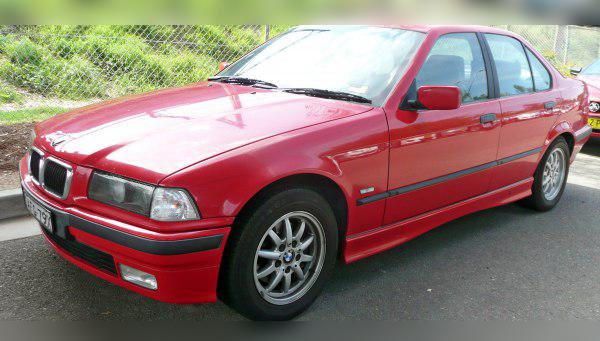
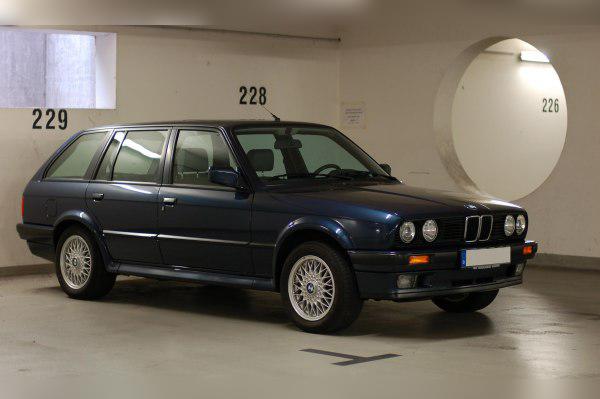
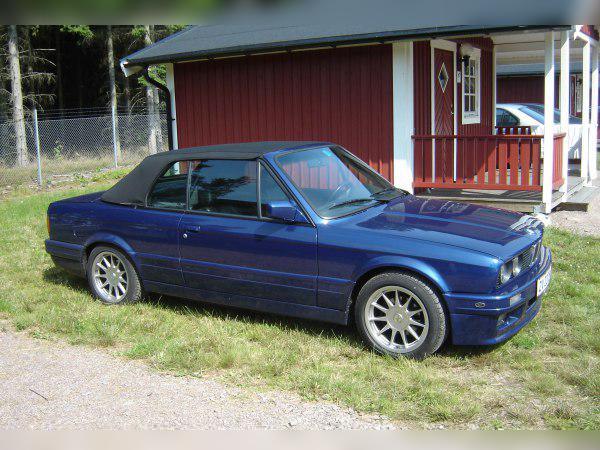
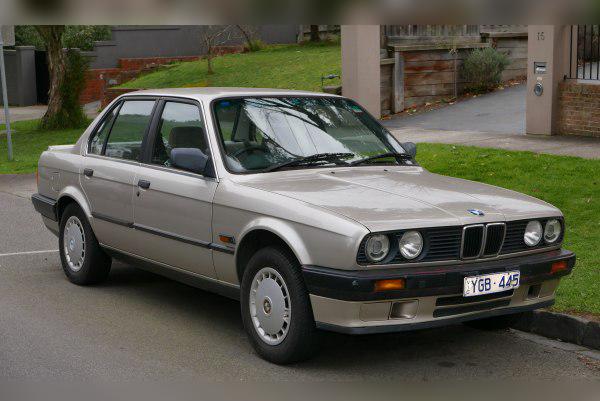
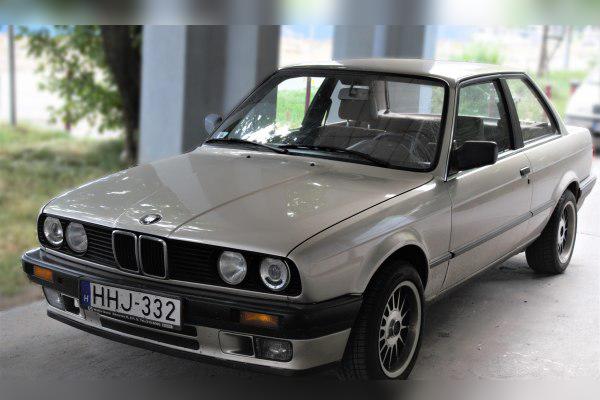
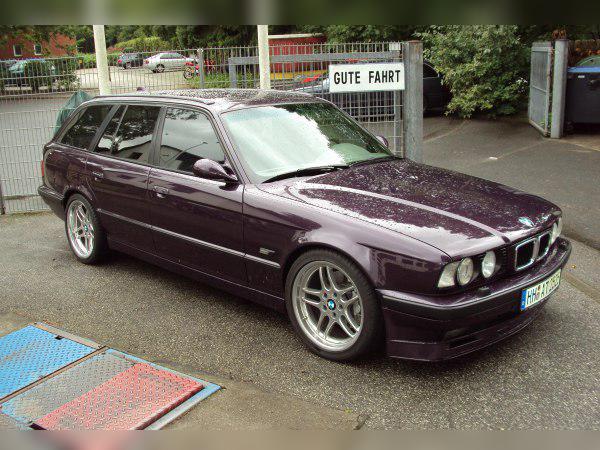
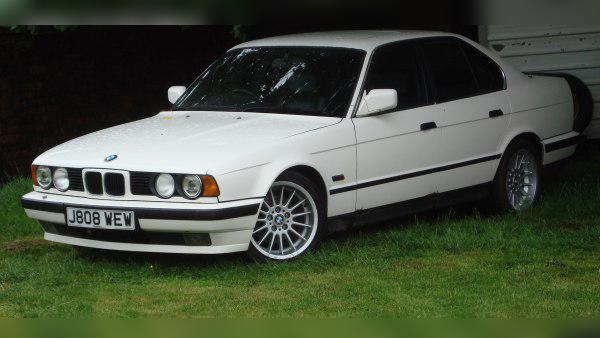
BMW’s engine designated M40B18 marked the end of the eighties and the beginning of the nineties. It was introduced as a modern replacement for the legendary but outdated M10 engine. It was installed in some of the Bavarian manufacturer’s most popular models: the famous “box” (E30 facelift), the first series of the “dolphin” (E36), as well as the robust 5 Series (E34). Although it brought improvements in the form of smoother operation and better low-end torque compared to its predecessor, the M40 is today known among mechanics as an engine with several serious design flaws that can give the owner a real headache.
Technical Specifications
| Parameter | Value |
|---|---|
| Displacement | 1796 cc |
| Power | 83 kW (113 hp) |
| Torque | 162 Nm |
| Engine code | M40B18 |
| Injection type | Bosch Motronic (Multipoint) |
| Turbo/Naturally aspirated | Naturally aspirated engine |
Reliability and Maintenance
Timing Belt and Major Service
Unlike traditional BMW philosophy, the M40B18 uses a timing belt, not a chain. This is crucial information for every owner. The belt is prone to snapping if not replaced on time, and the resulting damage bends valves and damages pistons. The official recommendation used to be to perform the major service every 60,000 km, but practice and mechanic experience show that it is safest to do it every 40,000 to a maximum of 50,000 km. Tensioners and idler pulleys are known to fail, so strictly observing this interval protects the engine from destruction.
Main Failures: Camshaft and Hydraulic Lifters
The biggest and most famous weakness of this engine lies in the cylinder head. A design flaw was made on the camshaft oil spray bar. Due to poor oil quality or irregular oil changes, the small holes in this tube get clogged. As a result, the camshaft is left without proper lubrication, which leads to its rapid wear (“the lobes get eaten away”), as well as failure of the rocker arms and hydraulic lifters. The driver notices this as a distinctive, loud “ticking” or “knocking” noise from the top of the engine, similar to a diesel engine. The engine also loses power and refuses to rev past 4000 rpm. The repair requires replacement of the camshaft, lifters and spray bar, and the cost has ranged from not too expensive to very expensive, mainly because new, high-quality parts are hard to find today (depends on the market).
Oil and Service Intervals
The engine takes exactly 4.0 liters of engine oil. Considering the design and age of the engine, semi-synthetic oil of 10W-40 grade is most often recommended, and in climates with hotter summers or on high-mileage engines even 15W-40. Oil consumption is normal; between two minor services (which should be done every 8,000 to 10,000 km), the engine can consume from 0.5 to 1 liter of oil. If it consumes significantly more and emits bluish smoke from the exhaust, the cause is worn valve stem seals or worn piston rings. Since this is a classic gasoline engine, spark plugs should be replaced on average every 20,000 to 30,000 km, and NGK or Bosch models with one or two ground electrodes are recommended.
Specific Parts and Costs
As for power transmission, in 99% of cases the M40B18 is equipped with a solid (single-mass) flywheel. A dual-mass flywheel was almost never fitted to this engine, except possibly in some specific transitional E36 versions with air conditioning intended for certain markets, but the chances of coming across one are minimal. Clutch replacement is therefore not expensive (depends on the market).
The fuel injection system is electronic, the well-known Bosch Motronic. The injectors are generally reliable, but given that these engines are over 30 years old, they are often clogged with dirt from the fuel tank, which causes rough idling. Ultrasonic cleaning of the injectors usually solves the problem permanently and is not expensive (depends on the market).
Since this is an old, naturally aspirated gasoline engine: there is no turbocharger, no DPF filter, no EGR valve (in the modern sense) and of course, it does not have an AdBlue system. In that respect, the owner is spared the expensive repairs that plague modern cars.
Fuel Consumption and Performance
Expectations from an old naturally aspirated 1.8 engine must be realistic. In city driving, real-world fuel consumption rarely drops below 10 to 12 l/100 km. On the open road this can drop to around 7 l/100 km, but more spirited driving easily raises the average.
Is the engine “sluggish”? The answer depends on the body style. In the light “box” (E30), this engine is quite lively and offers perfectly acceptable driving dynamics. In the E36 it is adequate for everyday driving, while in the heavy 5 Series (E34) this engine is distinctly sluggish and underpowered. With only 162 Nm of torque, the E34 M40B18 requires high revs to keep up with traffic, which drastically increases fuel consumption.
On the motorway, at 130 km/h in fifth gear, the engine spins at a relatively high 3500–4000 rpm (depending on the differential ratio, which differed between the E30, E36 and E34). This results in noticeable cabin noise and a slight increase in fuel consumption, so this engine is not ideal for long, fast cruising.
Additional Options and Modifications
LPG (Autogas) Conversion
The M40B18 is an excellent candidate for LPG conversion. Due to its multipoint injection, it is best to install a sequential LPG system, with which the engine runs perfectly and the power loss is minimal (almost imperceptible). In the past, older “venturi” systems were also installed, but they carry the risk of backfires in the intake manifold that can damage the air flow meter. Investing in a sequential LPG system is worthwhile and recommended due to the high petrol consumption.
ECU Remap (Stage 1)
When it comes to software tuning or “chipping”, let’s be clear right away: on an old naturally aspirated petrol engine, it is a waste of money. A Stage 1 map would give this engine, at best, 3 to 5 hp, which you will not notice in real driving. To increase power on this engine, serious mechanical modifications are required (lightened flywheel, more aggressive camshaft), which is financially absolutely not worthwhile.
Gearbox and Drivetrain
The M40B18 is most commonly paired with a five-speed manual gearbox made by Getrag. This gearbox is virtually indestructible as long as it has oil in it. The most common issues are oil leaks at the seals (gear selector shaft seal, output shaft seal) and worn plastic bushings in the shift linkage, which cause excessive play and a “wobbly” gear lever. The oil in the manual gearbox should be changed every 60,000 km.
There is also a version with a four-speed automatic gearbox (most often the ZF 4HP22). Although by today’s standards this automatic is extremely slow and further stifles the already modest performance of the engine, mechanically it is very durable. Its biggest enemy is irregular maintenance – if the filter and oil are not changed every 40,000 to 60,000 km, it will start to “jerk” when shifting, and repairs are expensive (depends on the market).
Buying Used and Conclusion
When buying a car with the M40B18 engine, the first check is done purely by ear: open the bonnet, start the cold engine and listen to the top of the engine (valve cover area). If you hear loud metallic knocking or ticking, you can be almost certain that the camshaft and hydraulic lifters are damaged. Always ask for proof of the major service – if you do not know for sure when the belt was last changed, do not drive the car until you replace it.
Next, check the exhaust. Blue smoke on cold start, or when you blip the throttle after idling for a long time, signals that the valve stem seals have hardened and that oil is entering the combustion chambers.
Who is this engine for? Today, the M40B18 only really makes sense in the E30 (the “box”) if you are trying to keep the car in original factory condition for historical value. If you are buying an E36 as a daily driver or a hobby project, it is strongly recommended to skip the M40 and look for its successor – the M43, which has a timing chain and a far more reliable camshaft setup. The M40B18 is remembered for some “childhood diseases” that were only resolved in later generations, and it requires a more attentive owner in order to keep it alive.