BMW M47D20 (150 HP) – Experiences, problems, fuel consumption and used-car buying tips
As a long-time automotive editor and someone who has spent countless hours under the hood with mechanics, I can tell you that BMW’s 2.0‑liter diesel engine with the code M47D20 (in its 150 HP “Technical Update” version) is one of the most important engines in the recent history of the Bavarian manufacturer. If you’re looking for a reliable used car that offers great driving dynamics without emptying your wallet at the fuel station, you’re in the right place. Let’s strip it down to the last bolt.
Key points in short (TL;DR)
- Workhorse: One of the most reliable BMW diesels ever made, known for its durability and excellent power-to-consumption ratio.
- Timing chain: Located at the front, very robust and rarely problematic (unlike the notorious N47 successor).
- Critical flaw (Swirl flaps): Intake manifold swirl flaps are a ticking time bomb. Preventive removal is a must!
- Turbo maintenance: Regular replacement of the crankcase breather/oil separator is crucial for turbo longevity.
- Injection system: The Bosch Common Rail system is extremely durable; injectors rarely fail before very high mileage.
- Automatic gearbox: GM 5‑speed automatics are sensitive. If they haven’t been regularly serviced, prepare for expensive repairs.
Contents
- Introduction and engine history
- Technical specifications
- Reliability and maintenance
- Specific components (Costs and failures)
- Fuel consumption and performance
- Additional options and modifications
- Gearbox and drivetrain
- Buying used and conclusion
Introduction and engine history
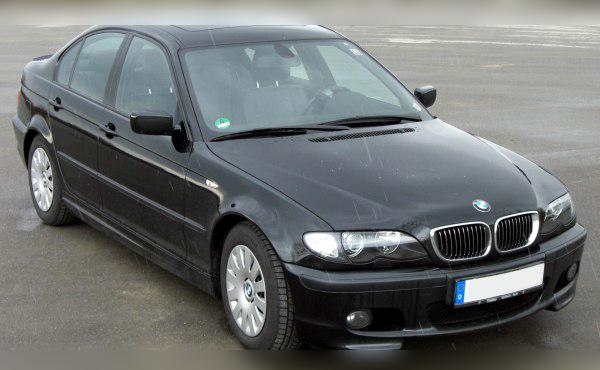
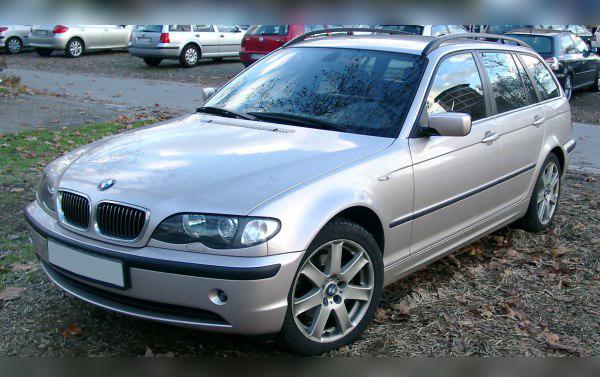
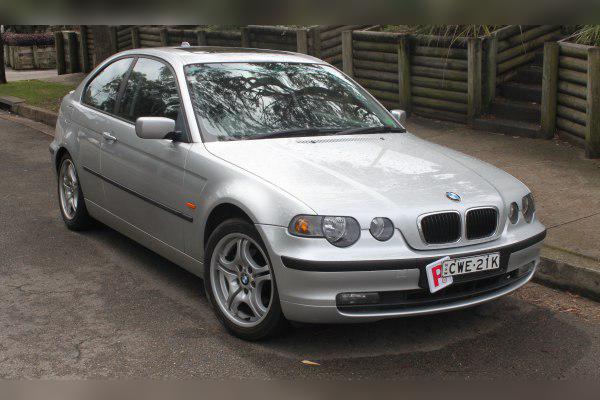
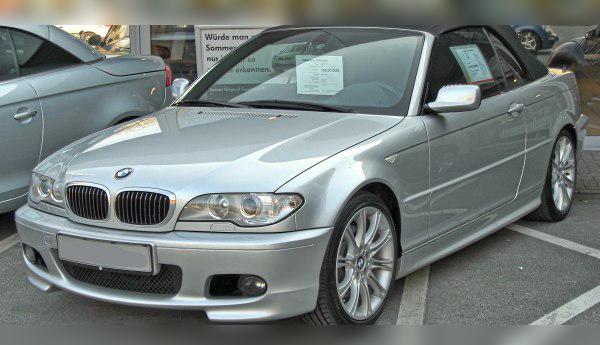
The M47D20 engine in its 150 HP version (more precisely M47TUD20) debuted in 2001 with the facelift of the legendary 3 Series (E46). It replaced the older 136 HP version (which had a problematic Bosch VP44 high-pressure pump) and switched to a more modern and reliable Common Rail injection system. It was installed in almost all body styles of the 3 Series (Sedan, Touring, Compact, Convertible), as well as in the first generation X3 (E83). This engine defined what it means to drive a modern diesel – smoother operation, fantastic low‑end torque and outstanding efficiency.
Technical specifications
| Specification | Data |
|---|---|
| Displacement | 1995 cc |
| Power | 110 kW (150 HP) |
| Torque | 330 Nm |
| Engine codes | M47D20, M47TUD20 |
| Injection type | Common Rail (Bosch EDC16 / EDC15) |
| Charging | Turbocharger (VGT), intercooler |
Reliability and maintenance
Does this engine have a timing belt or chain, and when is the “major service” due?
This engine uses a timing chain, and that’s one of its best features. Unlike its successor (N47), the M47’s chain is positioned at the front (towards the radiator) and is built “properly”. There is no classic interval for a major service with belt replacement. The chain usually lasts as long as the engine itself. Replacement is recommended only if you hear a characteristic rattling noise at cold start (usually after 300,000 km or more). What is done as part of more serious maintenance (around 100,000 – 150,000 km) is replacement of auxiliary belts, idler pulleys, tensioners and the water pump.
Most common failures: swirl flaps and crankcase breather
The biggest fear of every owner of this engine are the infamous intake manifold swirl flaps. Over time, the small shafts on which these flaps sit weaken due to vibrations and soot build‑up. If a flap breaks off, the engine can suck it directly into a cylinder, leading to catastrophic damage to valves, pistons and even the cylinder head. That’s why in practice these flaps are removed preventively (aluminum or plastic “blanking plates” are installed instead).
The second specific issue is the crankcase breather / oil separator (PCV valve). If it is not replaced regularly (recommended at every second oil service), crankcase pressure rises, which prevents oil from draining back from the turbocharger. The result? The turbo forces oil into the intake or exhaust and fails very quickly.
Thermostats (main and EGR thermostat) also often fail. The symptom is that the engine struggles to reach operating temperature (the gauge stays at a quarter instead of halfway), which increases fuel consumption and cold‑running wear.
Engine oil and oil consumption
The engine takes roughly 5.5 liters of oil, and the recommended grade is 5W‑30 or 5W‑40 (it must meet the BMW LL‑04 specification). Does it consume oil? A healthy M47 engine almost doesn’t consume any oil between services. Loss of up to 0.5 liters per 10,000 km is considered completely normal. If the engine consumes significantly more, first suspect a clogged crankcase breather, worn piston rings or a worn turbocharger.
Injectors (since it’s a diesel)
The injection system eliminates spark plugs and relies on glow plugs (which can fail together with the glow plug relay, making cold starts harder in sub‑zero temperatures). As for injectors, a top‑quality Bosch Common Rail system is used. The injectors are solenoid‑type (not piezo) and have proven to be incredibly durable. It’s not uncommon for them to last over 300,000 km without any issues. In case of failure, they can be refurbished and the cost is quite reasonable (depends on the market).
Specific components (Costs and failures)
Dual‑mass flywheel
Yes, every version with a manual gearbox is equipped with a dual‑mass flywheel. Its job is to absorb the strong torque shocks this diesel produces. Symptoms of failure are strong vibrations when switching the engine off, juddering when moving off from a standstill and knocking at idle. Service life depends on driving style, but on average it lasts around 200,000 to 250,000 km.
Turbocharger
This engine uses a single variable geometry turbocharger (VGT), mostly from Garrett (model GT1749V). The turbo is generally durable but extremely sensitive to oil quality. If the oil is changed every 10,000 – 15,000 km as recommended (and not at the infamous factory 30,000 km intervals) and the crankcase breather is replaced regularly, the turbo can easily exceed 250,000 km without overhaul. Turbo overhauls are now a standard procedure and fall into the mid‑range cost category (depends on the market).
Crankshaft pulley (harmonic balancer)
This is a part that will almost certainly fail sooner or later. The rubber damper in the pulley cracks and tears over time. Symptoms are strong belt vibration at idle, the smell of burnt rubber under the hood and, in the worst case, loss of power steering and alternator charging (because the auxiliary belt slips off). It’s essential to fit a quality brand (e.g. Corteco), as cheap copies don’t last even 20,000 km. The part is expensive (depends on the market).
DPF filter, EGR and AdBlue
The EGR valve is present and very often clogs with soot, especially if the car is driven mainly in city traffic. Symptoms are loss of power, black smoke from the exhaust and rough idle. Cleaning usually solves the problem.
As for the DPF filter, early versions (Euro 3) from 2001–2003 mostly DO NOT HAVE a DPF, but only a standard catalytic converter. Later versions at the end of the E46 production run (from 2004 onwards) and especially the X3 E83 may have a DPF (Euro 4 standard). You need to check by VIN to be 100% sure. On these engines, the DPF rarely causes serious issues if the car is also driven on the open road.
An AdBlue system DOES NOT EXIST on this engine. That technology came much later.
Fuel consumption and performance
Real‑world fuel consumption
When fitted in the 3 Series (E46), this engine is an economy champion. In pure city driving you can expect between 7 and 8.5 liters per 100 km (with a manual gearbox). In the heavier and less aerodynamic X3 (E83) or with an automatic gearbox, city consumption easily goes up to 9–10 l/100 km.
Performance and driving feel
The engine is definitely not sluggish in the E46 body. With 150 HP and 330 Nm of torque at just 2,000 rpm, a 3 Series with this engine pulls strongly and delivers a genuine BMW driving experience. In‑gear acceleration for overtaking is excellent. On the other hand, in the X3 (E83), which is heavier and equipped with xDrive, the engine is adequate but won’t pin you to the seat – it serves more as a reliable cruiser there.
Motorway driving
This engine was born for the motorway. If you have a model with the 6‑speed manual gearbox (fitted mainly from March 2003 onwards), at 130 km/h the engine cruises at a very relaxed ~2200 rpm. Under these conditions there is virtually no engine noise in the cabin, and highway fuel consumption ranges between an incredible 5.0 and 5.5 l/100 km.
Additional options and modifications
Since this is a diesel engine, LPG conversion is of course not an option. However, where this engine really shines is electronic tuning.
Chiptuning (Stage 1 remap)
The M47D20 is mechanically heavily over‑engineered. The stock Bosch EDC16 ECU is very easy to modify. A standard Stage 1 remap safely raises power from 150 HP to around 180–190 HP, and torque from 330 Nm to roughly 400 Nm. In practice, this turns the car into a serious rocket.
However, a word of warning from a mechanic’s perspective: before remapping, you MUST thoroughly check the condition of the turbocharger and clutch (dual‑mass flywheel), because the sudden increase in torque can destroy already worn gearbox and driveline components.
Gearbox and drivetrain
Which gearboxes are used and what are they like?
This engine was paired with both manual and automatic gearboxes:
1. Manual gearboxes (5 or 6 speeds): Early 150 HP versions (2001–2003) had a 5‑speed gearbox, while later ones (2003+) received a 6‑speed ZF unit. Both are practically indestructible, provided they actually have oil in them.
2. Automatic gearboxes (GM 5L40‑E): Here’s where the problem starts. Unfortunately, BMW fitted the E46 320d with a 5‑speed automatic from General Motors. This gearbox barely copes with the stock 330 Nm of torque, let alone with a remapped engine.
Gearbox failures and maintenance
With the manual gearbox, the gear cluster itself rarely fails, but the dual‑mass flywheel is a regular replacement item at higher mileage. A clutch kit with dual‑mass flywheel is very expensive (depends on the market).
With the automatic gearbox, the most common failures are related to the torque converter and clutch pack wear due to overheated oil. BMW advertised the oil in these gearboxes as “lifetime” (never needs changing), which is one of the most misguided claims the factory has ever made. The oil in the automatic must be changed every 60,000 to 80,000 km, together with the filter. For the manual gearbox, changing the oil every 100,000 km is recommended for smoother cold shifting.
Buying used and conclusion
What exactly should you check before buying?
If you’re looking at a used car with this engine, here’s what to pay attention to like a true mechanic:
- Rattling noise at the front on cold start: A sign that the timing chain has stretched.
- Dull thump when switching off and vibrations under the seat: Almost a sure sign that the dual‑mass flywheel is at the end of its life.
- Smoke from the exhaust: A bit of black smoke under full throttle is forgivable on engines without a DPF. However, bluish smoke indicates oil consumption via the turbo, while thick white smoke (smelling of unburnt diesel) points to injector problems.
- Removing the intercooler hose: If there is a lot of oil (more than a light film), the turbo needs an overhaul.
- The ultimate question for the seller: “Have the swirl flaps been removed from the intake manifold?” If the seller looks confused, take the car straight to a workshop and factor that cost into the vehicle price.
Final verdict: Who is this engine for?
The BMW M47D20 (150 HP) is aimed at drivers who want fantastic performance with minimal fuel consumption. Thanks to its impressive longevity (it often outlives the car’s body itself), this is one of the most highly regarded diesels on the used‑car market. Maintenance is not at budget‑car levels, but considering it doesn’t suffer from chain issues like the newer N47, and with its early “childhood diseases” (intake swirl flaps) sorted and quality oil used, this engine will serve you for hundreds of thousands of kilometers. A piece of brilliant engineering they simply don’t make anymore.