BMW M51D25 (325tds, 525tds, 725tds): Experiences, issues, fuel consumption and used-car buying tips
- Old-school diesel: Inline six-cylinder with pre-chambers, known for its extremely smooth operation and great sound, but sensitive to overheating.
- Biggest weak point – Bosch pump: Hot-start problems (hard starting when the engine is warm) and fuel leaks are standard occurrences.
- Cooling must be perfect: Cracking of the aluminum cylinder head due to failure of the viscous fan or water pump is a common and very expensive failure.
- No modern eco problems: Forget about DPF filters and AdBlue systems – this engine simply doesn’t have them.
- Timing chain drive: There is no timing belt, but the chain stretches over time, which disturbs engine timing and the operation of the high-pressure pump.
- Performance depends on the body style: While it is very lively in the 3 Series (E36), in the heavy 7 Series (E38) it feels noticeably “lazy”.
Contents
- Introduction: The golden age of BMW diesels
- Technical specifications
- Reliability, failures and maintenance
- Specific parts and costs
- Fuel consumption and performance
- Chipping and modifications
- Transmissions and power delivery
- Buying used and conclusion
Introduction: The golden age of BMW diesels
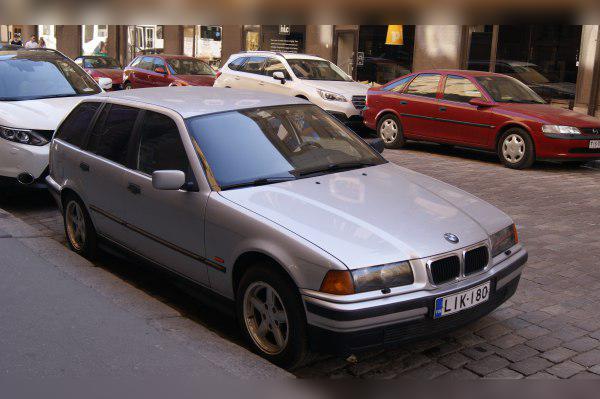
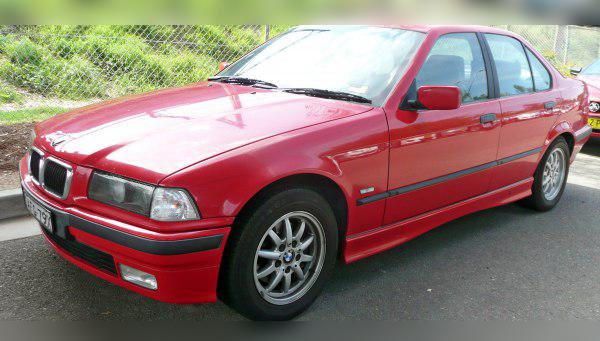
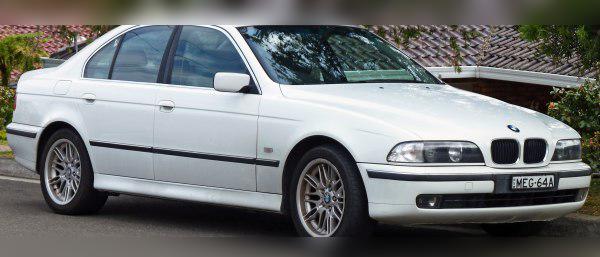
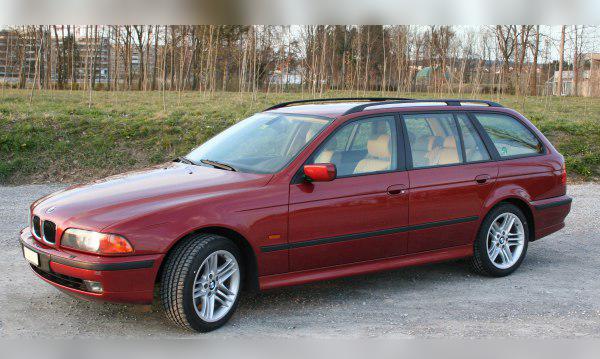
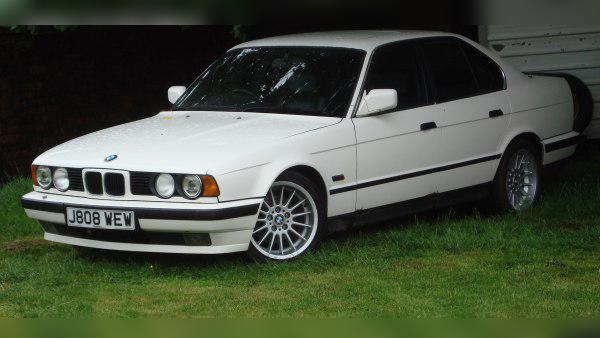
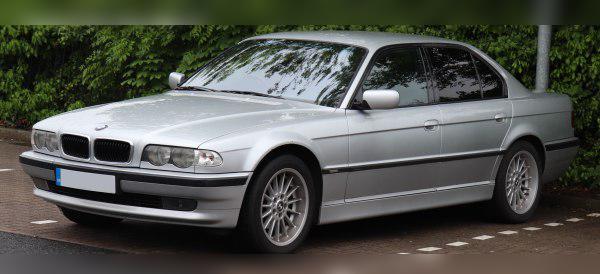
The engine with the code M51D25, better known to drivers simply as “tds”, represents one of the turning points in the history of diesel engines. Installed during the 1990s, this 2.5‑liter inline six found its place under the hood of the E36 (3 Series), E34 and E39 (5 Series), and even in the luxury 7 Series (E38). In its day, the 2.5 tds was one of the fastest production diesel engines in the world. Its indirect injection design (pre-chambers) gives it a specific, recognizable sound that many enthusiasts describe as the closest to the sound of petrol straight-sixes. However, time takes its toll, and this engine has very specific requirements when it comes to maintenance.
Technical specifications
| Engine displacement | 2497 cc |
| Engine power | 105 kW (143 hp) |
| Torque | 280 Nm |
| Engine code | M51D25 (M51D25T, M51D25TU depending on model year and plastic/alu intake manifold) |
| Injection type | Indirect injection (pre-chambers), rotary pump |
| Charging | Turbocharger + intercooler (tds designation) |
Reliability, failures and maintenance
This is an engine that requires a dedicated owner. The timing system does not use a belt, but a chain (actually two chains). Although many think that a chain lasts forever, on the M51 it tends to stretch over time. When the chain stretches, the ignition timing shifts, which directly affects the operation of the high-pressure pump, making starting more difficult and increasing fuel consumption. Replacement of the complete timing set (chains, guides, tensioners) is usually done between 250,000 and 300,000 km, and the procedure itself is expensive and requires special tools (depends on the market).
Most common failures and weak points
The absolute biggest enemy of this engine is overheating. The cooling system is its Achilles’ heel; the water pump (often with a plastic impeller that cracks), viscous fan and thermostat must be flawless. If the temperature gauge goes above the halfway mark, the aluminum cylinder head is at huge risk of cracking or warping. Symptoms include excessive pressure in the coolant hoses, loss of coolant and white smoke from the exhaust.
As for lubrication, the M51D25 takes about 6.7 to 7.0 liters of oil. The recommended grade for older generations of this engine is usually 10W-40 (semi-synthetic) or 5W-40 in colder climates. Oil consumption is normal due to the age and design of the engine. Consumption of 0.5 to 1 liter per 10,000 km is considered perfectly acceptable, but if the engine uses more than 1 liter per 1,000 km, the problem lies in worn piston rings, valve stem seals or the turbocharger itself pushing oil into the intake.
Specific parts and costs
Unlike modern common-rail diesels, the M51 uses an older indirect injection system. At the heart of the system is the Bosch VE rotary high-pressure pump (VP37). This is probably the best-known problem on this engine. The main symptom of failure is difficult hot starting – the engine fires up instantly when cold, but once it reaches operating temperature, the starter has to crank for a long time. The cause is wear of the hydraulic head inside the pump due to poor fuel quality or simply very high mileage. A pump overhaul is inevitable and represents a medium to high expense (depends on the market).
As for the injectors, they are fully mechanical and very durable, often lasting as long as the engine itself with occasional replacement of the nozzles (which is not expensive). However, there is the first injector (the so‑called needle lift sensor injector) which sends a signal to the ECU. It often starts leaking or its electronics fail, causing power loss and rough running. A new sensor injector is a fairly expensive item (depends on the market).
The turbocharger (usually Garrett or Mitsubishi) is of quite robust construction and rarely fails first, unless killed by lack of lubrication or dirty oil. Its service life often exceeds 300,000 km.
One of the best pieces of news for potential buyers is the absence of modern emissions equipment. This engine has no DPF filter and does not use AdBlue fluid! It only has an EGR valve (exhaust gas recirculation system), which tends to clog with soot, causing poor pull and black smoke, but cleaning it is simple and cheap, and many mechanics even block it off completely.
Fuel consumption and performance
Do not expect the fuel economy of modern diesels. The M51 is old technology and heavy mechanics. Real-world city consumption ranges between 9 and 12 l/100 km, depending on vehicle weight and driving style. In the lighter BMW E36, consumption is closer to the lower end, while the 7 Series (E38) with automatic transmission can easily “drink” over 12 liters around town.
Is the engine “lazy”? The answer depends on the model it’s in. In the BMW 325tds (E36), 143 hp and 280 Nm provide excellent, even sporty performance for its time. In the 5 Series (E34, E39) it offers decent acceleration, ideal for family trips. However, in the massive BMW 725tds (E38), this engine really struggles, so overtaking is tiring and requires planning, making it “lazy” for that class of vehicle.
On the motorway, the engine behaves like a true cruiser. At 130 km/h in fifth gear with the manual gearbox, the engine runs at about 2600 to 2800 rpm (depending on the final drive ratio specific to the model). Cabin sound insulation (especially in the E39 and E38) is excellent, so engine noise is barely audible.
Chipping and modifications
Thanks to the turbocharger and intercooler, the M51D25 can be chipped (ECU remap). A Stage 1 modification usually raises power to around 165 to 170 hp, with torque jumping to over 330 Nm. The car then pulls noticeably harder from low revs.
However, from a technical standpoint, chipping this engine is a huge risk if the cooling system is not in factory-fresh, perfect condition. The increased amount of fuel drastically raises exhaust gas temperatures, which can deliver the final blow to the old aluminum cylinder head that is prone to cracking. If you decide to chip it, be sure to first install a new water pump, viscous fan and thoroughly clean the radiators.
Transmissions and power delivery
BMW paired the M51 with 5‑speed manual gearboxes (mainly ZF or Getrag) and 5‑speed automatic gearboxes (most often the ZF 5HP18).
Manual gearboxes are practically indestructible. The most common issues related to the manual drivetrain do not come from the gearbox itself, but from the clutch and flywheel. Yes, this engine uses a dual-mass flywheel (on most manual versions). Replacing the clutch kit and dual-mass flywheel is quite expensive (depends on the market), but after that you are usually trouble-free for the next 150,000 to 200,000 km. The oil in the manual gearbox is not changed often by default, but experienced mechanics recommend changing it every 100,000 km for smoother shifting.
Automatic gearboxes (Steptronic) require much more attention. The old ZF automatics are reliable only if regularly maintained. The manufacturer once specified “lifetime” oil (oil that never needs changing), which is a big mistake. The oil and filter in the automatic transmission must be changed every 60,000 to 80,000 km. The most common symptoms of a failing automatic are jolts when shifting from P to R or D, hesitation when changing gears and slipping (revs rise but the car does not accelerate). An automatic transmission overhaul is very expensive (depends on the market).
Buying used and conclusion
Finding a healthy M51D25 engine today is a real challenge, considering that these cars are over 25 years old and have often covered more than half a million kilometers (regardless of what the odometer says).
What must you check before buying?
- Hot start: Be sure to test the car at operating temperature. Turn it off and immediately try to start it again. If it cranks for more than 2–3 seconds, the Bosch pump is ready for an overhaul.
- Pressure in hoses (cooling): After the test drive, carefully feel the thick hose going to the radiator. It should be warm and relatively soft. If the hose is hard as a rock, it means the engine is pushing compression into the cooling system – the cylinder head is cracked or the head gasket has failed.
- Exhaust smoke: A little black smoke under hard acceleration is normal (no DPF). Blue smoke indicates oil burning (rings or turbo), while thick white smoke that does not disappear once the engine is warm means it is burning coolant.
- Fuel leaks: Inspect the area under the intake manifold and around the pump itself. The smell of fresh diesel in the cabin is a clear sign of a leak.
Who is this engine for? The BMW M51D25 “tds” today is not a car for drivers looking for a reliable, economical vehicle for a cheap daily commute. Maintenance can be very demanding due to material fatigue on auxiliary components and electronics. This is an engine for lovers of classic BMW models, enthusiasts who enjoy the sound of an old straight-six and who have a good mechanic (or know how to fix themselves) the specific weak points of this legendary but aging “tds”.