BMW M52B20 2.0 (150 HP) engine: Experiences, problems, fuel consumption and used car buying tips
- Smooth operation: This inline six-cylinder engine offers a fantastic sound and minimal vibrations.
- Timing chain drive: It has an extremely reliable chain, which reduces regular maintenance costs.
- Weak point – cooling: The most common issues are related to the water pump, thermostat and expansion tank.
- Oil consumption: Due to age and the crankcase ventilation system, mild oil consumption is a normal occurrence.
- Ideal for LPG: It handles LPG conversion very well, which makes it more economical for everyday driving.
- Performance: Excellent in lighter models (E36), but rather “lazy” in the heavier 5 Series body (E39).
- Introduction: A nineties star
- Technical specifications
- Reliability and maintenance
- Specific parts and systems
- Fuel consumption and performance
- Additional options and modifications
- Gearbox and drivetrain
- Buying used and conclusion
Introduction: A nineties star
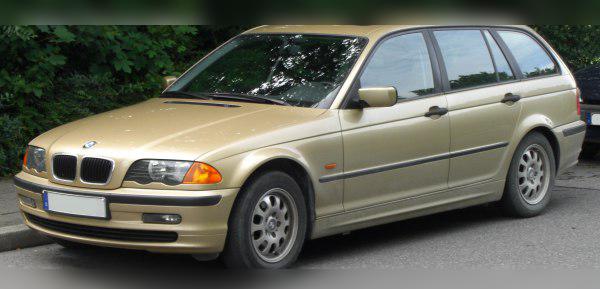
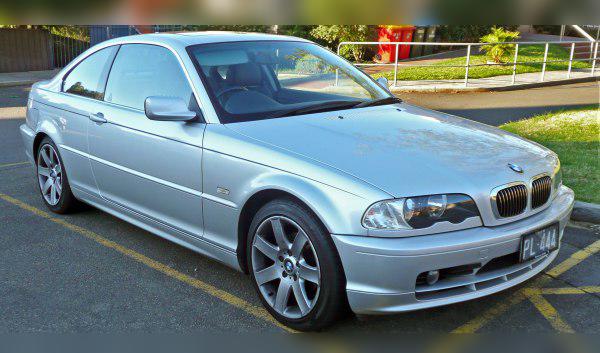
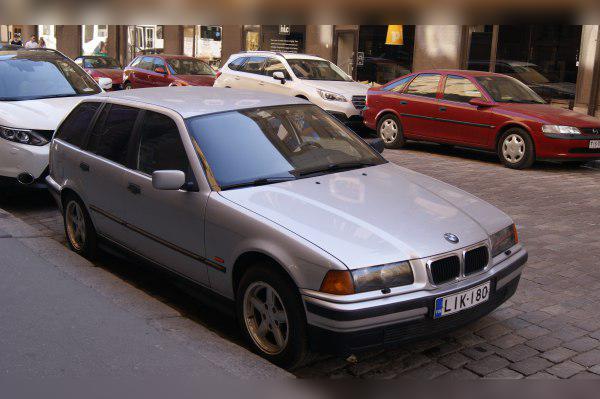
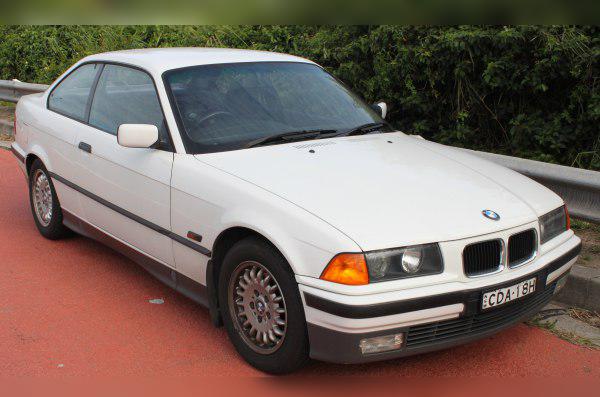
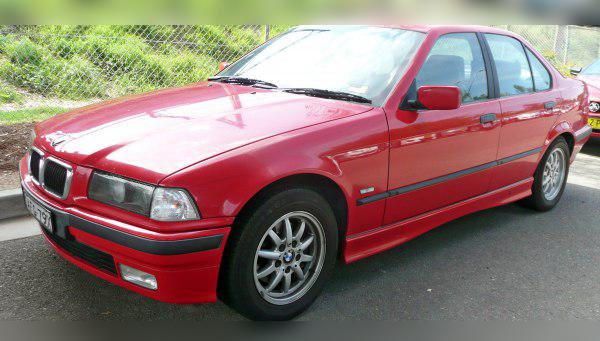
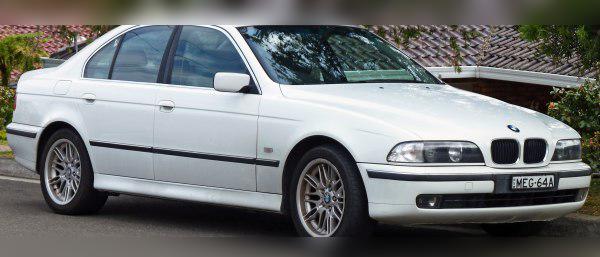
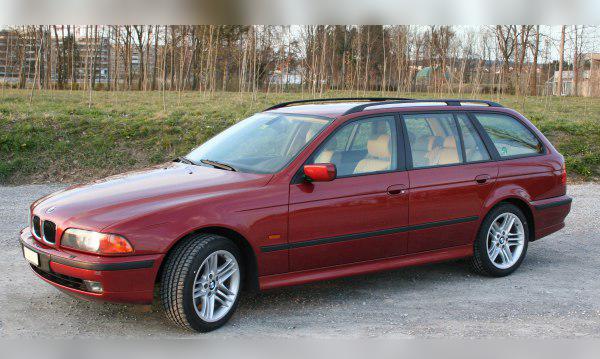
BMW’s M52B20 is an inline six-cylinder petrol engine which, in the mid and late nineties, represented the entry ticket into the world of more serious Bavarian machines. Replacing the older M50, this engine brought an aluminum block (which significantly reduced weight on the front axle) and the VANOS variable valve timing system. It was installed in legendary models such as the 3 Series (E36 and early E46), as well as the 5 Series (E39). It is important to note that the versions installed in the E46 and later E39 are actually improved M52TUB20 versions (Technical Update), which feature double VANOS (on both intake and exhaust camshafts) and resolved the early issues with Nikasil cylinder liners that were sensitive to poor-quality fuel. This engine is important because it offers the true BMW DNA – rear-wheel drive, an inline-six and a distinctive sharp exhaust note.
Technical specifications
| Parameter | Value |
|---|---|
| Displacement | 1991 cc |
| Power | 110 kW (150 HP) |
| Torque | 190 Nm |
| Engine code | M52B20 / M52TUB20 |
| Injection type | Indirect (multi-point port injection) |
| Aspiration | Naturally aspirated |
Reliability and maintenance
One of the first questions every buyer asks is about the timing system – the good news is that this engine uses a timing chain, not a timing belt. In the M52 generation the chain is extremely robust, it does not stretch easily like on newer generations and most often outlives the engine itself. Because of that, the classic “major service” in the sense of a scheduled timing replacement does not exist at a strict mileage interval. It is done only if needed, if you hear rattling at cold start. However, what is considered a major service for this engine includes replacement of the auxiliary (serpentine) belts, tensioners, idler pulleys and, without exception, the water pump, and this is recommended every 80,000 to 100,000 km.
Failures and the cooling system
The most common and most dangerous failures on the M52B20 engine are related to the cooling system. The factory water pump had plastic impellers which, over time, become brittle and disintegrate, leading to immediate engine overheating (and the risk of warping the aluminum cylinder head). Besides the pump, the thermostat and the expansion tank (which tends to crack along the seam) are consumable items. Also, the VANOS system (single or double, depending on the model year) suffers from worn seals (O-rings). Symptoms of a bad VANOS are rough idle, lack of power at lower revs (below 3000 rpm) and slight jerking during acceleration.
Oil and spark plugs
The oil pan of this straight-six holds an impressive 6.5 liters of oil. The recommended grade for European conditions is usually 5W-40 or 10W-40 high-quality synthetic. As for oil consumption – yes, this engine does consume oil between services. Due to the specific piston ring design and age-related wear, normal consumption is considered to be from 0.5 liters up to even 1 liter per 5000 km. A frequent cause of increased oil consumption is not the block itself, but a worn CCV valve (crankcase ventilation/oil separator), which starts pulling oil directly into the intake manifold, or aged valve stem seals. Since this is a classic petrol engine, spark plugs are replaced every 60,000 km, and quality platinum or iridium plugs are recommended.
Specific parts and systems
When it comes to the more expensive drivetrain components, this engine uses a dual-mass flywheel. Replacing the dual-mass flywheel on older BMW models is considered expensive (depending on the market), but it usually lasts significantly longer than on modern diesels, often well over 250,000 km with normal driving.
The fuel injection system is conventional, indirect multi-point injection (MPI) into the intake manifold. Petrol injectors are incredibly durable and rarely cause problems; the only thing they may need after several decades is ultrasonic cleaning. Since this is a nineties engine, it does not have a turbocharger (it is fully naturally aspirated), has no DPF filter, no AdBlue system, and does not have the problematic EGR valve in the form we know from diesels. This makes it extremely simple and easy to diagnose, sparing the owner the astronomical costs that come with modern emissions systems.
Fuel consumption and performance
An old-school inline-six and low fuel consumption do not belong in the same sentence. Real-world city fuel consumption for the M52B20 ranges between 11 and 14 l/100 km, depending on how heavy your right foot is and on the type of gearbox. In winter conditions, with an automatic gearbox in an E39 body, that figure easily goes up to 15 liters.
When we talk about performance in relation to the body style, the impression varies greatly. In lighter models, such as the BMW E36 Coupe or Sedan, 150 HP is quite enough for spirited driving and the engine is not “lazy” at all. However, if this unit is in a BMW 5 Series (E39), which is significantly heavier, the engine feels burdened. The lack of torque at low revs (only 190 Nm) requires you to rev it often above 3500 rpm to get adequate acceleration. On the highway, the situation is excellent. The engine is very smooth, and at 130 km/h it cruises in fifth gear at around 3500 to 3800 rpm (depending on the differential ratio). Sound insulation and engine balance make long journeys extremely pleasant.
Additional options and modifications
This is probably one of the best engines for conversion to alternative fuel. Thanks to indirect injection and robust valves, the M52B20 is extremely suitable for sequential LPG installation. The conversion is not expensive, the engine does not noticeably lose power, and given the high petrol consumption in city driving, the investment pays off very quickly.
As for chipping (Stage 1 remap), if you are planning to throw money away, this is the perfect opportunity. Since this is a naturally aspirated petrol engine, software remapping will bring at best 8 to 12 HP and a negligible increase in torque. Any noticeable power gain on this engine requires mechanical modifications, such as fitting a wider intake manifold from the M50 engine, more aggressive camshafts and a fully free-flowing exhaust.
Gearbox and drivetrain
The M52B20 came with very robust gearboxes. Among the manuals there are proven five-speed Getrag or ZF units. Failures inside the manual gearbox itself are extremely rare. What regularly wears out are the joints and bushings of the shifter linkage (play in the gear lever, which starts to “wobble” even when in gear), and their replacement is very cheap. As mentioned, there is a dual-mass flywheel, and the total cost of replacing the clutch kit and flywheel sits on the border between “expensive and very expensive” (depending on the market). For the manual gearbox, an oil change is recommended every 80,000 to 100,000 km to ensure easier shifting in winter conditions.
As for the automatic gearboxes, five-speed units made by ZF or GM were installed (depending on year and market). By modern standards these automatics are very slow and choke the engine. The most common failures are related to the valve body (hydraulic block) and the torque converter, with symptoms such as thumps and jerks when shifting from P to R or D, as well as “slipping” revs under throttle. The automatic gearbox is very sensitive to dirty oil, so regular transmission service (oil and filter) is required every 60,000 to a maximum of 80,000 km. If this is neglected, a gearbox overhaul becomes a very expensive (market-dependent) experience.
Buying used and conclusion
What to check before buying?
Considering that cars with this engine are more than two decades old, maintenance history is crucial. When buying, focus on the following:
- Signs of overheating: Open the oil filler cap while the engine is cold and check for thick, yellowish-white sludge (mayonnaise). This may indicate a head gasket problem. Inspect all cooling system hoses for swelling and cracks.
- VANOS noise: Listen around the front part of the valve cover. If you hear a sound similar to marbles rattling in a glass jar, the VANOS seals or bearings need to be replaced.
- Sensors: Unstable idle and stalling when you press the clutch at a traffic light often indicate a dirty idle control valve, a cracked ribbed rubber intake hose (vacuum leak) or a faulty crankshaft/camshaft sensor. Always hook the car up to diagnostics.
- Rear axle subframe inspection: The E36 and early E46 bodies have a known issue with the sheet metal tearing where the rear subframe mounts to the body, due to drivetrain stress. This requires serious welding.
Who is this engine for?
The BMW M52B20 was made for true brand enthusiasts who want the famous six-cylinder soundtrack and smooth ride, but are not chasing breathtaking performance. This is an extremely durable machine that forgives a lot, provided you never allow it to run without coolant. If you are looking for an economical city car for short trips, skip it. But if you want an affordable classic from Western or Eastern Europe that you will enjoy driving on weekends on country roads, or pair with an LPG system for a comfortable daily driver – there are few better and more reliable petrol engines from that era.