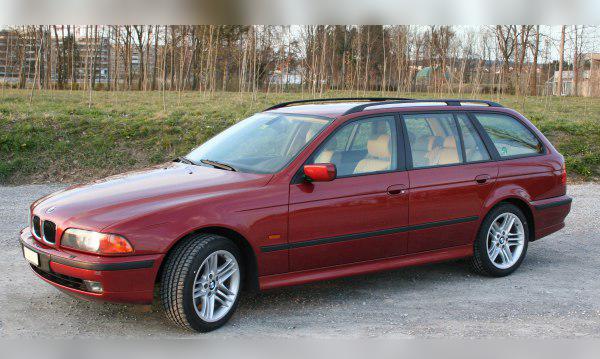
BMW M52B25 (170 hp): Experiences, problems, fuel consumption and used car buying tips
Most important in short (TL;DR):
- Legendary naturally aspirated inline-six, known for its silky smooth operation and fantastic sound.
- Uses a timing chain, so the classic “major service” does not exist; it is replaced only when needed.
- The Achilles’ heel of this engine is the cooling system (water pump, thermostat, plastic housings).
- The variable valve timing system (VANOS) requires refurbishment at higher mileages.
- City fuel consumption is high (over 12 l/100 km), but the engine handles LPG conversion very well.
- Depending on the model (E36, E39, E46), the engine is labeled M52 (single VANOS) or M52TU (dual VANOS from 1998 onwards).
Contents
- Introduction: An icon from Munich
- Technical specifications
- Reliability, maintenance and common failures
- Specific parts and costs
- Fuel consumption and performance
- Extras, LPG and chip tuning
- Transmissions: Maintenance and issues
- Buying used and conclusion
Introduction: An icon from Munich
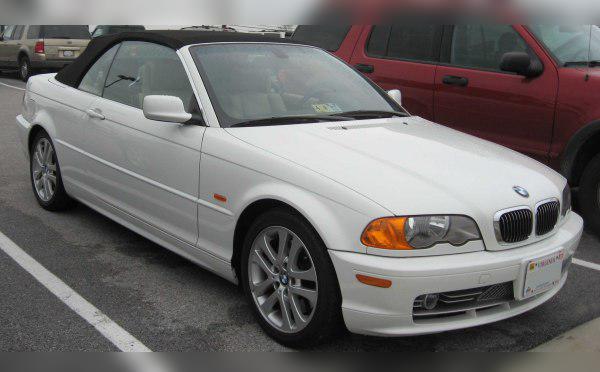
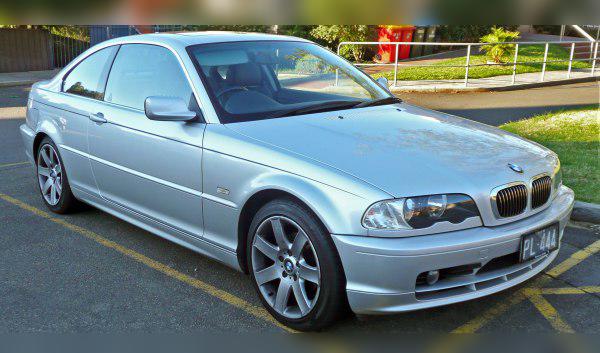
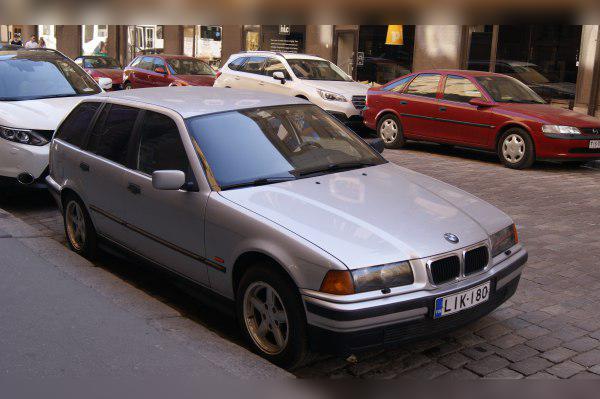
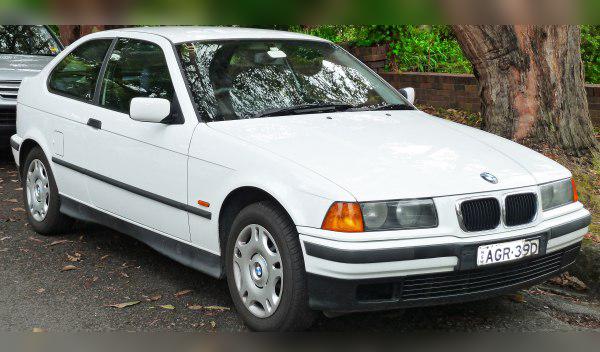
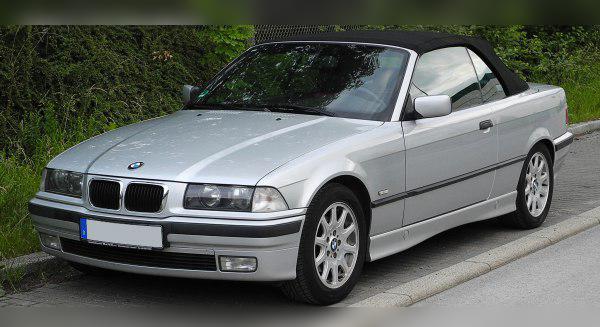
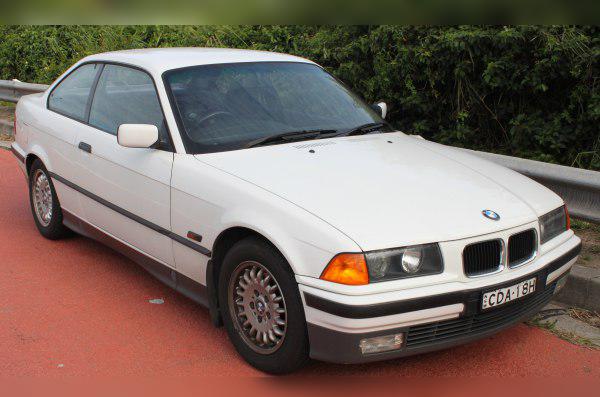
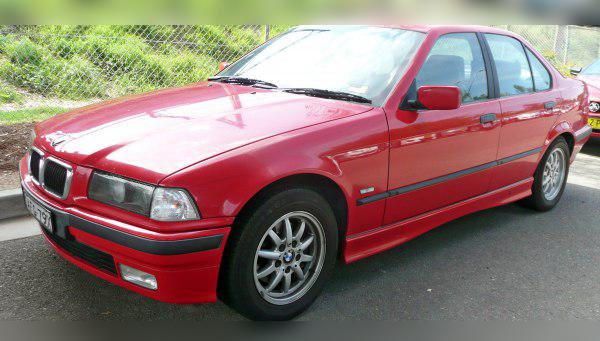
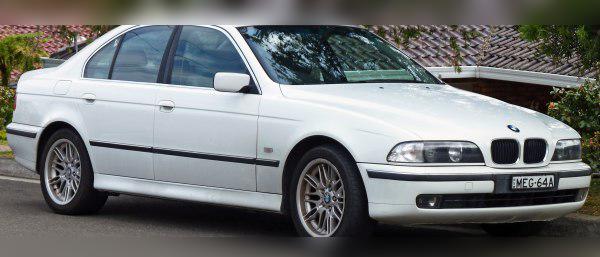
When you mention a BMW from the nineties and early 2000s, the inline-six is the first thing that comes to mind. The M52B25 engine, with a displacement of 2.5 liters and an output of 125 kW (170 hp), was installed in some of the most beloved body styles from the Bavarian manufacturer: the 3 Series (E36 and early E46) as well as the 5 Series (E39). It is important to note the difference between early versions (M52), which have single VANOS (intake cam only), and technically updated versions (M52TU) installed in the E46 and later E39 models, which feature dual VANOS. This engine represents a perfect compromise between performance, longevity and refinement.
Technical specifications
| Parameter | Data |
|---|---|
| Displacement | 2494 cc |
| Power | 125 kW (170 hp) |
| Torque | 245 Nm |
| Engine codes | M52B25 (E36, early E39), M52TUB25 (E46, E39 from '98) |
| Injection type | Indirect injection (Multi-point EFI) |
| Induction | Naturally aspirated engine |
Reliability, maintenance and common failures
The M52 series was built to last, but age takes its toll. This engine uses a timing chain to drive the camshafts. This means that the classic major service (replacement of belt, tensioner and rollers) is not done at a fixed mileage. The chain is extremely durable and is replaced only when it starts to make noise (usually well beyond 300,000 km). However, what is replaced at around 100,000 km is the so-called “small major service” – replacement of auxiliary belts, tensioners, idler pulleys and the water pump.
Oil capacity and consumption
The M52B25 sump holds 6.5 liters of oil. The recommended viscosity is usually 5W-40 or 10W-40 (fully or semi-synthetic, depending on mileage and climate). Does it consume oil? Yes, and that is completely normal for this generation of BMW engines. The acceptable range is about 0.5 to 1 liter per 10,000 km. However, if the engine is burning excessive oil, the problem usually lies in the CCV valve (crankcase ventilation/oil separator) getting clogged, leaking valve cover gaskets, or hardened valve stem seals and worn piston rings.
Ignition system and spark plugs
Since this is a petrol engine, spark plugs should be replaced every 40,000 to 60,000 km. The engine uses one ignition coil per each of the six cylinders. When the engine starts to jerk or idle roughly, the cause is often a worn coil or a cracked coil boot that is leaking current to ground.
Most common issues: Cooling system and VANOS
The single biggest weakness of the M52 engines is the cooling system. The original water pump comes with a plastic impeller which, after years of exposure to high temperatures, becomes brittle, disintegrates and causes immediate overheating. The recommendation is to install a pump with a metal impeller. In addition, the expansion tank and thermostat housing (which is plastic) are prone to cracking.
The second typical issue is the VANOS system. The seals inside the VANOS unit lose elasticity over time. Symptoms of a failing VANOS include hesitation at low revs (lack of torque up to about 3000 rpm), rough idle and a rattling noise from the front of the valve cover area (the so‑called “VANOS rattle”). Fortunately, refurbishment is done by replacing a set of Teflon seals, which is not excessively expensive.
Specific parts and costs
The fuel injection system is indirect (multi-point). This is great news because the petrol injectors on this engine are extremely durable and rarely cause problems. If they do get clogged due to poor fuel quality, ultrasonic cleaning is usually more than sufficient.
As this is an old-school naturally aspirated engine, it has no turbocharger, no DPF filter, no complex EGR valve (in the modern diesel sense) and no AdBlue system. This means you are spared the most expensive failures that plague modern powertrains. However, it does have oxygen sensors and catalytic converters that can wear out and trigger the “Check Engine” light.
Fuel consumption and performance
The inline-six is thirsty, and that should be stated clearly. Real-world consumption in pure city driving is between 12 and 14 liters per 100 km. On the open road, things look much better. On the motorway, at a cruising speed of 130 km/h, consumption drops to about 8 l/100 km. At this speed, depending on the differential ratio, the engine spins at around 3200 to 3500 rpm, but sound insulation is excellent and the engine runs quietly and smoothly, without any strain.
Is the engine “lazy”? That depends entirely on the body it is installed in. In 3 Series models (E36 Compact, Coupe and Sedan), 170 hp and 245 Nm are more than enough for very dynamic and sporty driving. However, when fitted to the heavier 5 Series (E39 Touring), the engine can feel slightly sluggish at low revs when pulling away, and it requires more frequent shifting and higher revs to show its true potential.
Extras, LPG and chip tuning
This is an ideal engine for LPG conversion. The aluminum (or plastic on newer versions) intake manifold is easy to drill, and the valves are highly resistant, so there is no risk of burning them, provided that a quality sequential LPG system is installed. With LPG, running this thirsty engine becomes very economical and perfectly sensible for daily use.
As for modifications and chip tuning (Stage 1), since this is a naturally aspirated engine, the potential for power gains through remapping alone is minimal. With software optimization you can gain at most 10 to 12 hp and a slightly better throttle response. More significant power increases require mechanical changes (e.g. swapping the intake manifold for one from the M50B25 engine in E36 models), but that goes beyond the scope of regular maintenance.
Transmissions: Maintenance and issues
The M52B25 was paired with excellent five-speed manual gearboxes (Getrag or ZF) and various automatic transmissions (ZF 5HP five-speed or GM in some specifications).
Manual gearbox and dual-mass flywheel
The manual gearboxes are practically indestructible. The most common issue is a worn shift linkage (plastic bushings), which causes excessive play in the gear lever and a vague shift feel. It is important to know that yes, manual versions of this engine do have a dual-mass flywheel. Replacing the complete clutch kit and dual-mass flywheel is a fairly expensive job (depending on the market), because both parts are replaced together to avoid crankshaft vibrations. Even though the manufacturer calls the manual gearbox oil “lifetime”, it should be changed every 80,000 to 100,000 km to prolong synchro life.
Automatic transmission
The automatic transmissions are reliable, but only if serviced regularly. If you notice jerks when engaging “D” or “R”, or if gears are held too long before shifting, suspect worn oil, a clogged filter, or issues with the valve body (torque converter/valve block). The oil in the automatic transmission must be changed every 60,000 to 80,000 km. Regular servicing of the gearbox is not expensive, but a rebuild due to neglect can be very costly.
Buying used and conclusion
Before buying any BMW with this engine, you must thoroughly check the following:
- Cold start: Ask the seller not to start the car before you arrive. On the first cold start of the day, listen for rattling from the front of the engine (chain or VANOS). Idle should be perfectly smooth, with no fluctuation of the tachometer needle.
- Cooling system: Check whether the coolant hoses are rock hard (which may indicate a head gasket issue) and look for traces of dried coolant around the water pump and expansion tank.
- Oil and filler cap: Unscrew the oil filler cap. If you see a thick layer of “mayonnaise” (emulsion), this may indicate coolant mixing with oil or (in the best case) a completely clogged crankcase ventilation/oil separator and lots of short-trip driving. Blue smoke from the exhaust when you blip the throttle points to worn valve stem seals.
Conclusion: Who is the M52B25 for?
This engine is ideal for driving enthusiasts who appreciate solid mechanical engineering, the superb sound of an inline-six and a linear power delivery. Although it requires more fuel, the absence of expensive modern components (turbo, DPF, high-pressure injectors) makes it more cost-effective in the long run than many newer diesels. It will be best enjoyed by enthusiasts who are willing to install LPG and proactively maintain the cooling system.