BMW M57D30 (184 HP) engine: Experiences, issues, fuel consumption and used car buying tips
- Legendary durability: The cast-iron engine block can handle huge mileage, often over 500,000 km without being opened.
- No DPF or AdBlue: Since this is an older generation (Euro 3), you are spared from expensive emissions-related failures.
- Timing chain: The engine uses a front-mounted chain, which is extremely reliable and rarely breaks.
- Problematic automatic gearbox: The GM 5-speed automatic is a weak point and often cannot cope with this engine’s torque.
- Swirl flaps in the intake manifold: The so‑called swirl flaps (common on models with automatic transmission) can fall off and destroy the engine – preventive removal is a must!
- Excellent for remapping: Thanks to its robust mechanics, a Stage 1 map safely increases power with minimal risk.
Contents
- Introduction: An icon of diesel engineering
- Technical specifications
- Reliability and maintenance
- Specific parts and failures
- Fuel consumption and performance
- Additional options and modifications
- Transmission: Manual vs automatic
- Buying used and conclusion
Introduction: An icon of diesel engineering
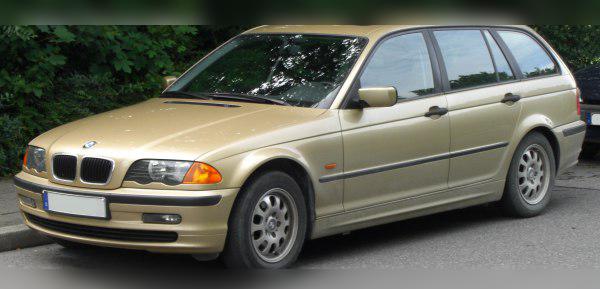
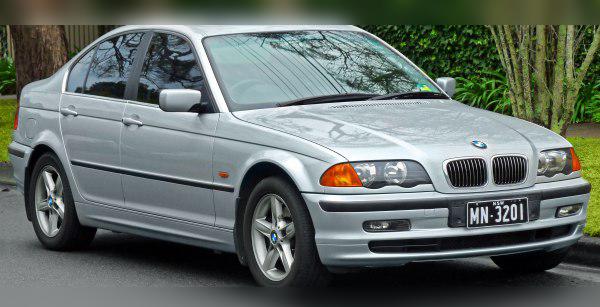
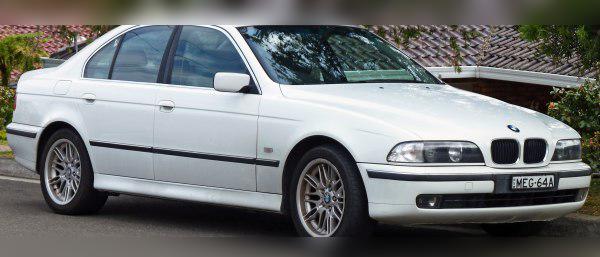
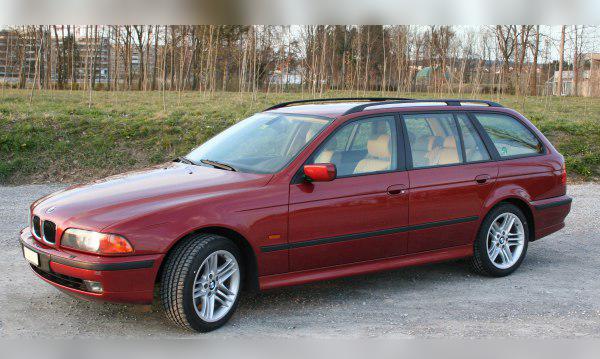
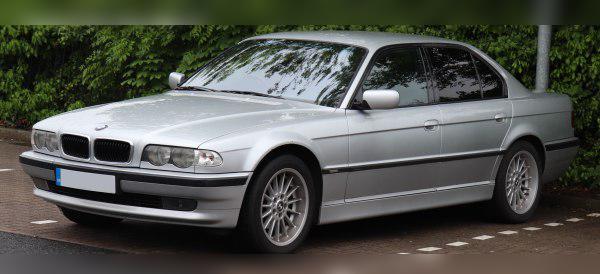
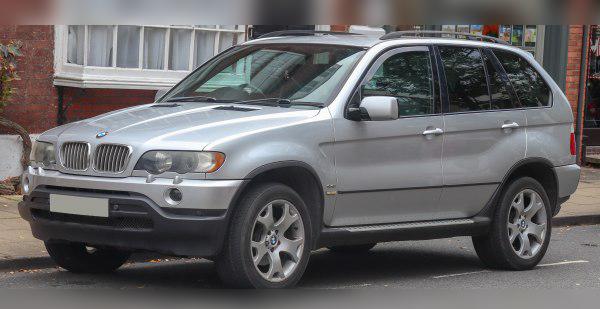
When it comes to diesel engines, few units enjoy such cult status as BMW’s M57. The 2.9‑liter (2926 cc) version, designated M57D30 with 135 kW (184 HP), was a revolution in the late nineties and early 2000s. It was fitted to icons such as the E46 (3 Series), E39 (5 Series), the luxurious E38 (7 Series) and the first generation X5 (E53). With the introduction of the Common Rail injection system, this straight‑six proved that a diesel engine doesn’t have to be slow or noisy, and its architecture with a grey cast‑iron block made it virtually indestructible. Today, it is one of the most sought‑after choices for those looking to buy a reliable, older used car.
Technical specifications
| Parameter | Data |
|---|---|
| Engine displacement | 2926 cc (2.9L) |
| Configuration | Inline 6‑cylinder (R6) |
| Power | 135 kW (184 HP) at 4000 rpm |
| Torque | 390 – 410 Nm at 1750 – 3200 rpm |
| Engine code | M57D30 |
| Injection type | Bosch Common Rail (CP1) |
| Charging | Turbocharger (Garrett VNT) + intercooler |
Reliability and maintenance
One of the first questions every potential buyer asks is: Does this engine have a timing belt or a chain? The M57 uses an extremely durable single‑row chain to drive the camshafts, mounted at the front of the engine. The chain has proven to be incredibly reliable and rarely needs to be replaced before 400,000 km, unless the engine has been poorly maintained. Therefore, the classic “major service” (timing belt replacement) does not exist. What is replaced at intervals of 100,000 to 120,000 km is the auxiliary belt set, tensioners, idler pulleys and the water pump.
As for lubrication, the M57D30 takes about 6.5 to 7 liters of oil (depending on the filter and sump capacity for the specific model). Fully synthetic oil of 5W‑30 or 5W‑40 grade is recommended, with mandatory compliance with BMW Longlife‑98 or LL‑01 specifications. A good, healthy engine practically does not consume oil between services at 10,000 – 12,000 km. Consumption of up to 0.5 liters per 1,000 km is within factory tolerance, but in practice, if this engine “drinks” more than one liter of oil per 10,000 km, the problem usually lies in a worn turbocharger or crankcase breather (oil separator), and less often in the piston rings themselves.
The most common failures on engine peripherals include:
- Crankshaft pulley (harmonic balancer): The rubber in the pulley cracks over time. Symptoms are rattling at idle, and if it fails completely you lose power steering, alternator charging and the water pump. Replacement is expensive (depends on the market).
- Engine mounts: Sensitive to high torque; when they wear out they transmit strong vibrations into the cabin, especially when starting and shutting off the engine.
- Crankcase breather (oil separator): If the old foam‑type separator clogs, crankcase pressure rises and forces oil past all seals and through the turbo. Replacement is mandatory every 30,000 km or you can fit the newer “cyclone” type.
- High‑pressure pump (CP1) and in‑line lift pump: The “pre‑supply pump” under the seat or along the sill can fail, causing no‑start conditions or stalling under heavy throttle while driving.
Specific parts and failures
Injectors and fuel injection
The engine uses the first generation Bosch Common Rail injection system. The injectors are solenoid‑type and very robust, often lasting over 300,000 km with good‑quality fuel. When they start to fail (excessive return flow), symptoms include hard starting (especially in winter or when the engine is hot), rough idle and black smoke from the exhaust when you press the accelerator. Injector refurbishment is now widely available and not very expensive (depends on the market).
Turbo, EGR and emissions
Boost is provided by a single variable‑geometry turbocharger (usually a Garrett GT2556V). Its service life depends directly on oil quality, regular replacement of the crankcase breather and driving style (cool‑down after hard driving). It typically lasts around 250,000 km before developing shaft play or having the VNT vanes seize up from soot (which causes overboost and forces the engine into safe‑mode). Turbocharger rebuilding is available, and the price ranges from moderate to high (depends on the market).
When it comes to emissions, you’re in luck! This model does not have a DPF filter (diesel particulate filter) nor an AdBlue system. That is a huge relief for your wallet. However, it does have an EGR valve which gets dirty and sticks over time due to soot, causing hesitation and black smoke. Many owners block it off (both in software and physically) so the engine can “breathe” clean air.
Swirl flaps in the intake manifold (MUST BE CHECKED)
Although the early 184 HP version with a manual gearbox often did not have swirl flaps in the intake manifold, versions with automatic transmission almost always do. The plastic flaps are held by small metal screws which can loosen due to vibration. If a flap breaks off and enters a cylinder, it leads to total engine destruction (damaged piston, valves, cylinder head and even the turbo). The solution is very cheap: preventive removal of the manifold and installation of aluminum blanking plugs instead of the flaps.
Fuel consumption and performance
The M57 is an extremely flexible engine with a massive 410 Nm of torque. Because of this, it is never “lazy”, regardless of the chassis. In a lighter body such as the 3 Series (E46), this engine turns the car into a serious rocket on the road. On the other hand, in the heavy X5 (E53), where the car with passengers easily exceeds two tons, the engine provides adequate and smooth acceleration, though not exactly sports‑car aggressiveness.
Real‑world fuel consumption:
- City driving: In the E46 and E39 expect between 8.5 and 10.5 l/100 km, while the heavy X5 and E38 with automatic transmission in stop‑and‑go city traffic easily consume 12 to 14 l/100 km.
- Open road and motorway: Aerodynamics and weight play a role. In the 3 and 5 Series, cruising at 130 km/h yields an excellent 6.0 to 7.0 l/100 km. At that point the engine is spinning at a very relaxed ~2400 rpm in fifth gear.
Additional options and modifications
This cast‑iron engine block is considered indestructible in tuning circles. Thanks to the generous reserves in the injector and turbo design, the engine is fantastic for remapping. A Stage 1 software remap (with no mechanical modifications) safely raises power from 184 HP to around 210 to 225 HP, and torque jumps to an impressive 500 Nm. If the engine is healthy and the gearbox (especially the clutch) is in good condition, this will not shorten the engine’s lifespan, while throttle response will improve dramatically.
Transmission: Manual vs automatic
The choice of transmission is a key factor when buying a vehicle with this engine.
Manual gearbox
A robust 5‑speed manual gearbox made by ZF was fitted. The gearbox itself is virtually indestructible, but it does come with certain costs. Yes, vehicles with a manual gearbox have a dual‑mass flywheel. With such high torque, the flywheel usually wears out at around 200,000 to 250,000 km. Symptoms include judder when pulling away, vibrations in the clutch pedal and metallic knocks when switching off the engine. A clutch kit with a dual‑mass flywheel is expensive (depends on the market).
Automatic gearbox
This is where we come to the biggest weak point. The M57D30 was paired with a GM (General Motors) 5‑speed automatic gearbox (code 5L40‑E), primarily to save on production costs. This gearbox is rated for a maximum of 390 Nm of torque, while the engine delivers 410 Nm from the factory! Because of this, these gearboxes are very prone to failure, especially the torque converter and the valve body.
Symptoms of automatic gearbox failure: Delay when engaging “D” or “R”, harsh shifts when changing from lower to higher gears, and fluctuating revs at constant speed (as if the clutch is slipping). Rebuilding this gearbox is very expensive (depends on the market).
Gearbox maintenance: Although BMW once claimed that the gearbox oil is “lifetime fill”, this is pure marketing. The oil and filter in the automatic gearbox must be changed every 60,000 to 80,000 km. In the manual gearbox, it is recommended to change the oil every 100,000 km.
Buying used and conclusion
When buying a used BMW with the 184 HP M57D30 engine, keep in mind that these cars are over 20 years old and many have covered close to half a million kilometers, regardless of what the odometer says.
What you must check:
- Cold start: Ask the seller to keep the engine completely cold before you arrive. The engine should start “on half a turn” without long cranking. Any blue or white smoke at startup points to worn glow plugs, injectors or loss of compression.
- Idle noise: Rattling from the front indicates a worn crankshaft pulley or idler pulleys, while increased vibrations in the cabin suggest that the engine mounts have “served their time”.
- Test drive: Listen for turbo whine when you press the accelerator (a slight whistle is normal; a loud siren‑like howl indicates the turbo is near the end). If the car jerks or shudders uphill, the automatic gearbox is close to failing.
- Diagnostics: Read injector correction values and rail pressure under load in the Common Rail system.
Conclusion: Who is this engine for?
The BMW M57D30 is intended for drivers who want fantastic performance and old‑school reliability, and who don’t mind slightly higher running costs of a premium brand. If you find a well‑preserved example with a manual gearbox, or an automatic that has already been professionally rebuilt, you will get one of the best six‑cylinder diesel engines in the history of the automotive industry, completely free of modern headaches such as DPF and AdBlue systems.