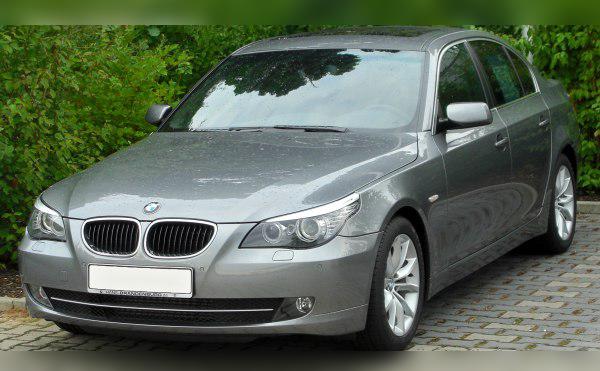
BMW M57D30 (235 hp): Experiences, issues, fuel consumption and used-car buying tips
- Extremely reliable engine block, considered one of the best diesels of its generation.
- Equipped with a timing chain located at the front, which is significantly more durable than on its successor (N57).
- Critical weak points are the swirl flaps in the intake manifold and the crankshaft pulley, which require preventive inspection.
- Offers an excellent balance of power (235 hp / 520 Nm) and reasonable fuel consumption for heavier cars such as the 5 Series and X6.
- The automatic gearboxes (ZF) are excellent, but require regular oil changes to withstand the huge torque.
- Repairs of specific parts (piezo injectors, DPF) can be expensive, so a proper diagnostic check before purchase is essential.
Contents
- Introduction: An icon of diesel engineering
- Technical specifications
- Reliability and maintenance
- Specific parts and costs
- Fuel consumption and performance
- Additional options and modifications
- Gearbox and drivetrain
- Buying used and conclusion
Introduction: An icon of diesel engineering
When someone mentions an inline six-cylinder diesel, many mechanics will first think of the BMW M57. The version we’re talking about here, technically known as the M57TU2D30, produces 173 kW (235 hp) and represents the culmination of this engine family’s development before the infamous N57 took over. It was mainly installed from 2007 onwards, primarily in the facelifted 5 Series (E60/E61 LCI) and the massive X6 (E71). This engine is a true workhorse that can easily swallow hundreds of thousands of highway kilometers, but like any complex powerplant, it has its specific “quirks” that can cost serious money if you buy a neglected example.
Technical specifications
| Engine displacement | 2993 cc |
| Power | 173 kW (235 hp) |
| Torque | 520 Nm |
| Engine code | M57D30 (M57TU2D30) |
| Injection type | Common Rail (piezo injectors) |
| Charging system | Turbocharger (VGT), intercooler |
Reliability and maintenance
This engine uses a timing chain. Unlike its successor (N57), where the chain was moved to the rear near the gearbox and is prone to failure, on the M57 the chain is located at the front of the engine and is much more robust. Chain breakage is extremely rare here, so there is no factory-specified interval for a classic major service. In practice, inspection and possible replacement are recommended after around 250,000 to 300,000 km, when stretching and slight rattling on cold start may appear.
As for the most common failures, the number one problem is the swirl flaps in the intake manifold. Over time, the area around the shafts weakens, and a flap can break off and enter the cylinder, causing total engine destruction. Many owners solve this problem by preventively removing the flaps and installing so‑called “blanking plugs”. Another common issue is the crankshaft pulley (harmonic balancer), which eventually cracks in the rubber, causing strong vibrations at idle and a strange noise from the tensioner. Attention should also be paid to the glow plug relay and the glow plugs themselves, as well as to the thermostats (main thermostat and EGR thermostat) which, when they fail, prevent the engine from reaching its operating temperature of around 90 °C, which in turn prevents DPF regeneration.
For a minor service, this engine takes about 7.5 liters of engine oil. The recommended viscosity is 5W-30 or 5W-40 with the mandatory BMW LL-04 specification due to the DPF filter. Oil must be changed every 10,000 to 15,000 km. Oil consumption between services on a healthy engine is minimal, but given the mileage these engines usually have behind them, topping up about half a liter per 10,000 km is considered completely normal. Significantly higher consumption points to a problem with the turbocharger or the oil separator (breather).
The injectors on this 235 hp generation are more modern piezo-electric units (Bosch). They are very precise and quiet, but sensitive to poor fuel quality. They can last over 250,000 km without issues, but when they fail, refurbishment is complex and very expensive (depends on the market).
Specific parts and costs
Regardless of whether it’s paired with a manual or automatic gearbox, the drivetrain and injection system are robust but come with certain costs.
Models with a manual gearbox have a dual-mass flywheel, which is prone to wear due to the high torque (520 Nm). Replacing the clutch kit and dual-mass flywheel is expensive (market-dependent), and symptoms include difficulty engaging gears and shuddering when taking off. Models with an automatic gearbox use a hydraulic torque converter (wandler), which can also fail.
The engine has a single turbocharger with variable geometry (VGT). Its lifespan is long if the engine is properly maintained (regular oil changes, letting the turbo cool down after spirited driving), typically over 250,000 km. The most common issue is the geometry actuator, which manifests as a lack of power at lower revs.
In terms of emissions systems, this version of the M57 engine is equipped with a DPF filter and an EGR valve. Due to age and mileage, these systems are often clogged. The EGR valve gets sooted up, which chokes the engine, while a clogged DPF increases exhaust backpressure and can damage the turbo. Fortunately for future owners, this specific engine generally does not use an AdBlue system, avoiding additional complexity and the costly repair of the heated AdBlue tank.
Fuel consumption and performance
Fuel consumption varies greatly depending on the vehicle in which the engine is installed (all-wheel drive, aerodynamics, weight). Real-world city driving consumption for a BMW 530d is between 9 and 11 l/100 km, while the heavier BMW X6 30d will easily use 11 to 13 l/100 km in town.
As for performance, this engine is definitely not “lazy”. With 520 Nm available from low revs, it propels the 5 Series with authority and copes very well even with the over two‑ton X6. In city driving it feels very agile, but its true home is the highway.
On the highway, this engine is brilliant. At a cruising speed of 130 km/h, in sixth gear (automatic or manual), the engine spins at a very relaxed around 2,000 to 2,100 rpm. Fuel consumption on the open road drops to an impressive 6.5 to 7.5 l/100 km, depending on the model. Cabin sound insulation is such that the engine is barely audible, and overtaking requires minimal effort.
Additional options and modifications
The M57 block is widely known for its tuning potential. This engine comes with factory components that can handle much more power than stated. A safe “chip tune” (Stage 1 remap) raises power from 235 hp to about 280 to 290 hp, while torque increases from 520 Nm to over 600 Nm.
However, before any power increase, it is crucial that the turbocharger, injectors and, above all, the gearbox are in perfect condition, because the more aggressive torque delivery will mercilessly expose any hidden weaknesses in the drivetrain.
Gearbox
This generation of the M57 engine was mostly paired with six-speed manual gearboxes and the famous ZF 6-speed automatic gearboxes (ZF 6HP26 / 6HP28).
The most common issues with the manual gearbox boil down to the aforementioned dual-mass flywheel and clutch disc, while the gear cluster itself is practically indestructible. The cost of a complete kit is high (market-dependent).
The ZF automatic gearboxes are fantastic, but they have their limits. The most common failures are related to the mechatronics (valve body inside the gearbox) and the wandler (torque converter) itself. Symptoms include harsh shifts between gears, jerking when decelerating, and fluctuating revs at a constant speed (the so‑called “rev needle oscillation”). To avoid this, it is necessary to service the automatic gearbox and change the oil every 80,000 to 100,000 km. Replacement includes the gearbox pan, which has an integrated filter.
Buying used and conclusion
Before buying a car with this engine, a diagnostic check at a serious workshop is absolutely mandatory. Here’s exactly what you need to check:
- Engine noise when cold: Listen for chain rattle during the first 2–3 seconds after startup. Also listen for a dull knocking from the front of the engine – this is a sign that the crankshaft pulley is about to fail.
- Exhaust smoke: Blue smoke indicates oil consumption and a potentially worn turbo, while a strong diesel smell or greyish smoke at idle points to a problem with the piezo injectors. Black smoke under full throttle often signals split intercooler hoses or issues with the DPF and EGR.
- Engine temperature: Using the hidden menu on the instrument cluster, check whether the engine reaches and maintains exactly 90 °C. If the temperature drops on the open road, the thermostats are faulty.
- DPF condition: Use diagnostics to read the DPF differential pressure (backpressure) and when the last regeneration was performed.
Conclusion: Who is this engine for?
The 235 hp M57D30 is aimed at buyers who travel a lot, drive mostly on open roads and want a reliable, powerful engine that won’t leave them stranded. It’s not ideal for short stop‑and‑go city trips, because the DPF and EGR systems will quickly suffer, and the high vehicle weight will increase fuel consumption. If you find a car with a proper service history where the typical “childhood diseases” such as the intake swirl flaps have been sorted, you’ll get one of the longest‑lasting diesel engines ever made.