BMW M62B44 Engine (4.4 V8): Experiences, problems, fuel consumption and used-car buying tips
- Magnificent sound and power delivery: A true naturally aspirated V8 with massive low-end torque.
- Timing system is its Achilles’ heel: It’s chain-driven, but the plastic chain guides (U-guide) crack, which requires an expensive repair.
- Very hot-running engine: Operating temperature is around 108°C, which literally “fries” all plastic and rubber parts under the hood (hoses, seals).
- High fuel consumption: In the city it rarely goes below 18 l/100 km, but on the highway it’s very civilized.
- Ideal for LPG: Thanks to port injection, LPG installation is straightforward and drastically reduces running costs.
- Maintenance: Requires deep pockets and a mechanic familiar with BMW V8 specifics. Parts prices range from expensive to very expensive (depends on the market).
Contents
- Introduction: A nineties icon
- Technical specifications
- Reliability and maintenance: Why is the mechanics a challenge?
- Specific components: What does this engine not have?
- Fuel consumption and performance: Highway king
- Extras: LPG conversion and chip tuning
- Transmissions: Manual rarity and automatic classic
- Buying used and conclusion
Introduction: A nineties icon
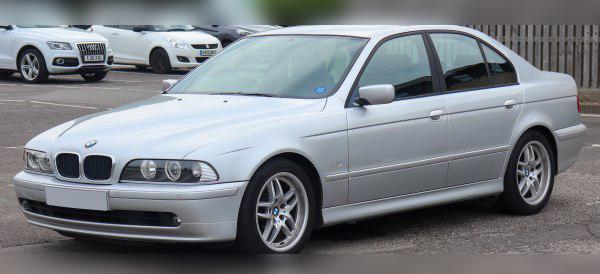
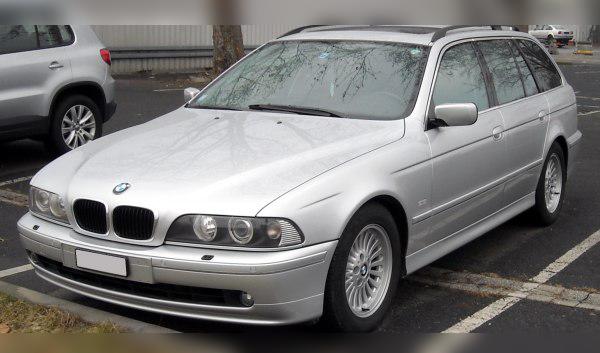
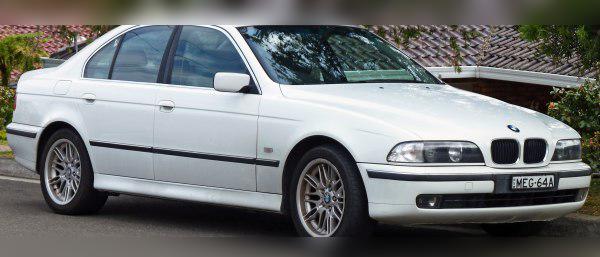
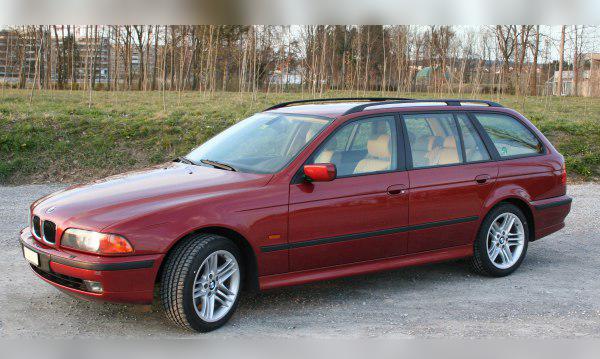
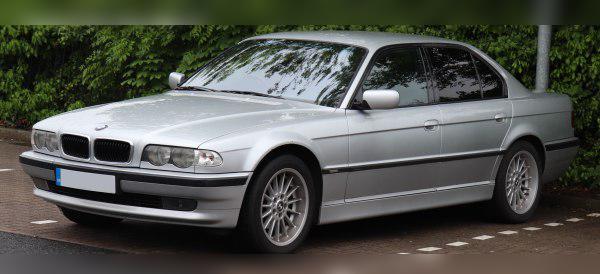
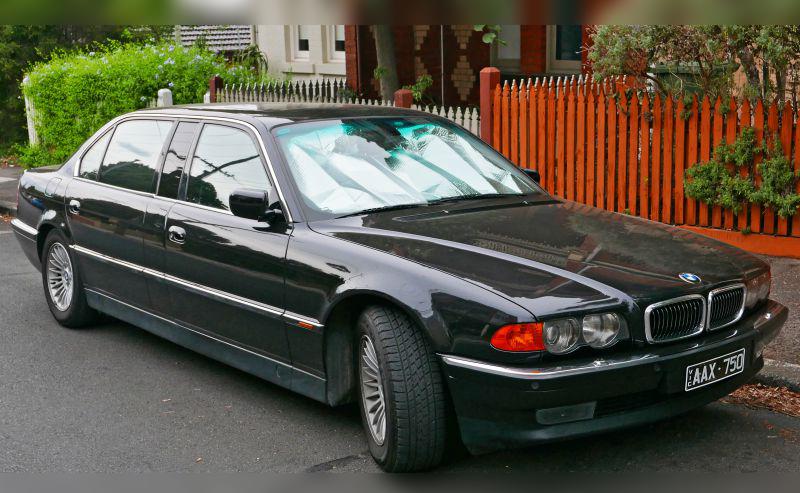
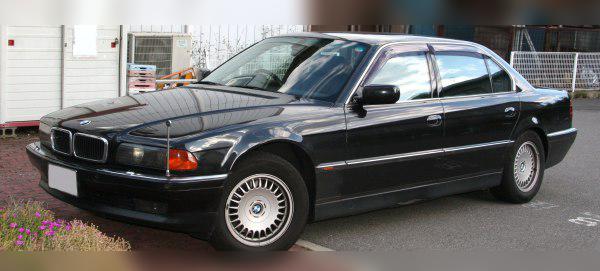
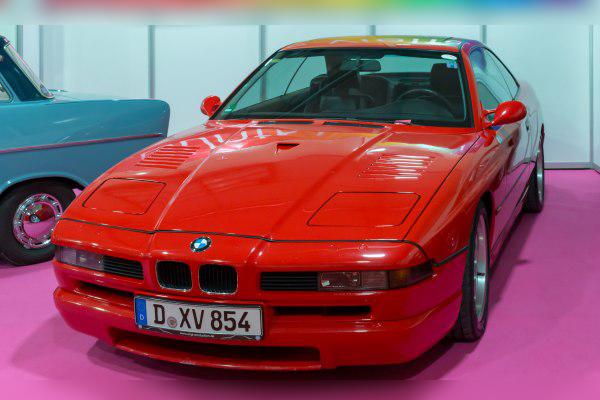
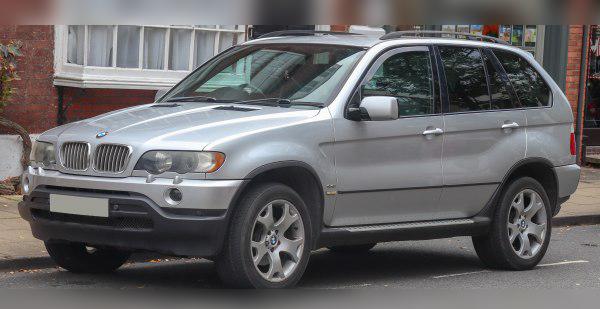
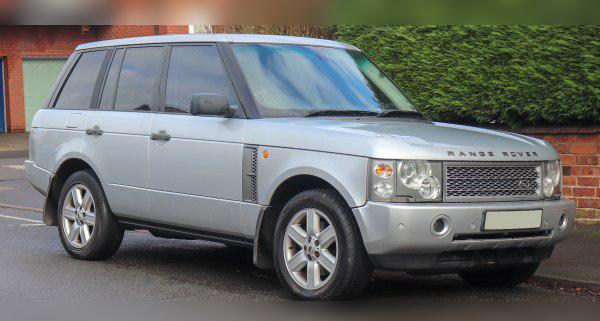
The BMW M62B44 engine represents the pinnacle of naturally aspirated V8 units from Munich from the late nineties and early 2000s. It succeeded the M60 series, bringing a larger displacement and more torque, giving the cars it was fitted to fantastic cruising ability. It was installed in legendary models such as the E39 (540i), E38 (740i), the elegant 8 Series (E31), as well as heavyweights like the first-generation X5 (E53) and the Range Rover (L322).
It should be noted that there are two main versions: M62B44 (without VANOS) and M62TUB44 (Technical Update, fitted from 1998/1999, with single VANOS on the intake camshafts and an electronic throttle body). The VANOS version offers better low-end response but also brings additional failure points.
Technical specifications
| Specification | Data |
|---|---|
| Displacement | 4398 cc |
| Power | 210 kW (286 hp) |
| Torque | 440 Nm |
| Engine codes | M62B44 (without VANOS) / M62TUB44 (with VANOS) |
| Injection type | Port fuel injection |
| Induction type | Naturally aspirated |
Reliability and maintenance: Why is the mechanics a challenge?
Timing system (Chain and guides)
This engine uses a timing chain, not a belt. However, chain reliability is its biggest weakness. The problem is not that the chain itself will just snap, but the plastic chain guides (the so‑called U-guide). Due to the extremely high operating temperature, the plastic becomes brittle over time and disintegrates. When that happens, the chain starts hitting the aluminum housing, which manifests as a loud rattling noise on cold start (as if someone is shaking a tin can full of nails).
The major timing service on this engine is not done routinely at a set mileage like with belts, but precisely because of the chain guides it is recommended to replace the entire timing set at around 150,000 to 200,000 km. This is an extremely extensive job, requires special camshaft locking tools, and parts and labor are very expensive (depends on the market).
Most common failures and “cooking” under the hood
BMW designed this engine to run at a coolant temperature of as high as 105 to 110 °C to reduce exhaust emissions and improve efficiency. The consequences are catastrophic for anything that isn’t metal:
- Cooling system: The expansion tank often cracks along the seams, hoses become rigid, and the radiator starts leaking. Coolant leaks are very common. The water pump is also replaced preventively.
- Gaskets and seals: The valve cover gaskets suffer from the heat. Oil then leaks directly onto the hot exhaust manifolds, causing a strong burnt‑oil smell in the cabin.
- Coolant leak into the “V” (valley pan gasket): Under the intake manifold there is a coolant cover. Its gasket fails and creates a pool of coolant on the engine block.
- VANOS (on M62TUB44): The VANOS gear wheels develop play over time. The symptom is an idle noise reminiscent of a diesel engine. Rebuilding is expensive (depends on the market).
- Crankcase ventilation (CCV/PCV): When the diaphragm fails, the engine creates strong vacuum, consumes huge amounts of oil and blows blue smoke from the exhaust.
Oil and spark plugs
The engine takes between 7.5 and 8 liters of oil. Fully synthetic oil of 5W‑40 or 5W‑30 grade (meeting BMW LL‑01) is recommended. The oil change interval should not exceed 10,000 km.
Does it burn oil? Absolutely. Due to its design, large (factory‑tolerated) clearances and frequent issues with valve stem seals, consumption of 1 liter per 2,000 to 3,000 km is considered completely normal at this age. BMW officially tolerates up to 1 liter per 1,000 km, although that usually points to worn valve stem seals.
Since it’s a petrol engine, the spark plugs (there are eight) should be replaced every 60,000 km. If misfires occur, the ignition coils themselves are often to blame, as they suffer from the heat in the cylinder heads.
Specific components: What does this engine not have?
- Fuel injection system: This is a classic port‑injection setup into the intake manifold. The system is extremely reliable. Injectors are generally not problematic; after many years they may only need to be removed and cleaned in an ultrasonic bath. They are not expensive to refurbish.
- Turbocharger: It doesn’t have one. This is a naturally aspirated “breathing” engine, which means one (very expensive) component less to worry about compared to modern turbo units.
- DPF, EGR, AdBlue: As an older‑generation petrol engine, it has no DPF filter, no AdBlue system and no conventional EGR valve that clogs with soot like on diesels (on TU models, VANOS partially covers the role of exhaust gas recirculation).
Fuel consumption and performance: Highway king
Do not fool yourself – this engine drinks a lot of fuel.
- City driving: Real‑world consumption is between 16 and 20 liters per 100 km. In heavier bodies such as the BMW X5 or Range Rover (which also have 4x4), winter and stop‑and‑go driving can easily push it over 22 l/100 km.
- Performance and weight: The engine is definitely not “lazy”. With 440 Nm of torque available at just 3,600 rpm (and an excellent torque curve from as low as 1,500 rpm), it pulls from the basement. In the 5 Series (E39) it delivers acceleration on par with sports cars, while in the Range Rover it allows smooth and effortless movement of more than two tons without the engine breaking a sweat.
- Highway: This is where it shines. At 130 km/h the engine is completely relaxed, at about 2,400 to 2,600 rpm (depending on final drive ratio and gearbox type). In steady‑state cruising, consumption drops to a very acceptable 10 to 12 liters per 100 km.
Extras: LPG conversion and chip tuning
LPG conversion: This is one of the best BMW V8 engines for installing a sequential LPG system. Thanks to classic port injection, installation is straightforward. The only challenge is finding an experienced installer who will route the wiring neatly and position the vaporizer (or two, given the engine’s power) so they don’t interfere with cooling. With LPG, the running costs of this V8 monster become comparable to those of an average 2.0 diesel.
Chip tuning (Stage 1): As this is a naturally aspirated engine, it is not worth it. A Stage 1 remap can bring at most 15 to 20 hp and maybe 20–30 Nm of torque. You will feel a slightly sharper throttle response (especially on TU models with electronic throttle), but the real‑world difference in power is negligible.
Transmissions: Manual rarity and automatic classic
The M62B44 was paired with fantastic 6‑speed manual gearboxes (Getrag 420G) and 5‑speed automatic gearboxes (most commonly the ZF 5HP24).
Manual gearbox (Getrag 420G)
They are very rare and sought after (mostly in the E39 540i). The gearbox itself is extremely robust, but over the years the synchros (especially for 2nd and 3rd gear) can wear out, causing stiff shifting while the oil is cold.
Dual‑mass flywheel: Yes, manual versions have a massive dual‑mass flywheel. Considering it has to tame 440 Nm and is rarely in demand, replacing the clutch kit and flywheel is very expensive (depends on the market).
Automatic gearbox (ZF 5HP24)
This is by far the most common option. The automatic uses a torque converter, which means it does not have a dual‑mass flywheel.
Automatic gearbox failures: The biggest weakness of this gearbox is cracking of the so‑called “A” clutch drum. The symptom is a sudden loss of drive when moving forward (the gearbox “slips” and goes into safe mode), while reverse usually still works normally. Rebuilding the gearbox is quite expensive (depends on the market).
Servicing the gearbox: Ignore the old “lifetime fluid” recommendations. To make the gearbox last, you must replace the oil, pan with integrated filter and mechatronic seals every 60,000 to 80,000 km.
Buying used and conclusion
What to check when buying?
- First, completely cold start: Ask the seller to keep the engine stone cold before you arrive. Listen carefully from the moment you crank it. Any knock or metallic rattle from the front of the engine in the first two seconds is a sign that the timing system is on its last legs.
- Diesel‑like noise: If a warm engine at idle sounds overly “tappy” (like an old diesel), the VANOS units are most likely worn.
- Smells under the hood and smoke: Check for oil smell around the exhaust manifolds. Let the car idle for 5–10 minutes, then stab the throttle. If it throws out a cloud of blue smoke, the valve stem seals and/or CCV are due for replacement.
- Cooling system: Squeeze the hoses. If they are over‑pressurized and rock‑hard while the engine is running, the system is building excessive pressure.
- Front suspension: The M62 is a very heavy engine. The front suspension (ball joints, tie rods, control arm bushings) on models like the E39 and E38 is under huge stress and wears quickly on bad roads.
Who is this engine for?
The BMW M62B44 is not an engine for penny‑pinchers, nor is it a car for someone who just needs transport from A to B with minimal investment. Maintaining it requires enthusiasm and an understanding that you are repairing serious high‑end mechanicals. However, if you find a well‑maintained example (with timing and cooling already sorted), you will be rewarded with one of the best‑sounding V8s, incredibly smooth operation and a commanding sense of power on the highway. An LPG conversion makes it rational for daily use, and models like the E38 740i and E39 540i with this heart are already becoming valuable and sought‑after modern classics.