BMW N20B20A engine: Experiences, issues, fuel consumption and used-car buying tips
In short (TL;DR)
- The timing chain is the biggest flaw: Known for stretching and guide failure, especially on models produced before 2015.
- Performance and remapping: Extremely capable engine for a Stage 1 remap, as it shares a lot of hardware with the more powerful 28i version.
- Direct injection: Excellent power delivery, but LPG (CNG) installation is not cost-effective and is technically complicated.
- Transmission reliability: The ZF 8-speed automatic gearbox is brilliant, provided the oil is changed on time.
- Fuel consumption: Acceptable in lighter models (Z4), but in heavier SUVs (X3, X4) it uses over 11 liters in city driving.
- Oil consumption: Due to the design and turbocharger, moderate oil consumption is a normal occurrence.
Contents
- Introduction: The downsizing era
- Technical specifications
- Reliability and maintenance
- Specific parts and costs
- Consumption and performance
- Additional options and modifications
- Gearbox: Manual and automatic
- Buying used and conclusion
Introduction: The downsizing era
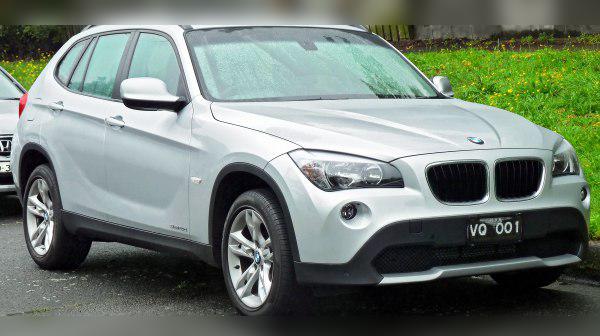
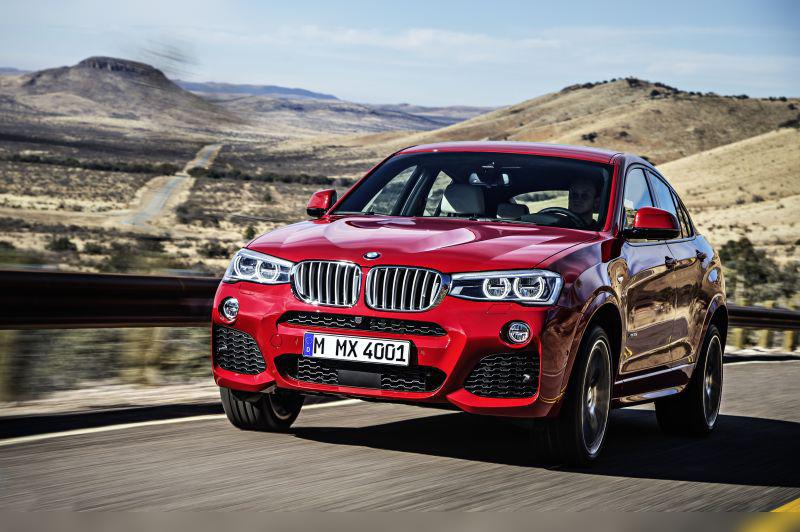
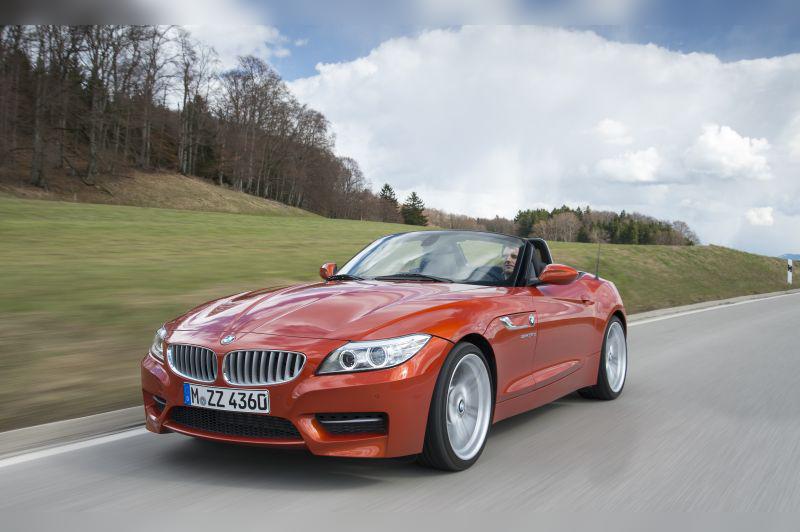
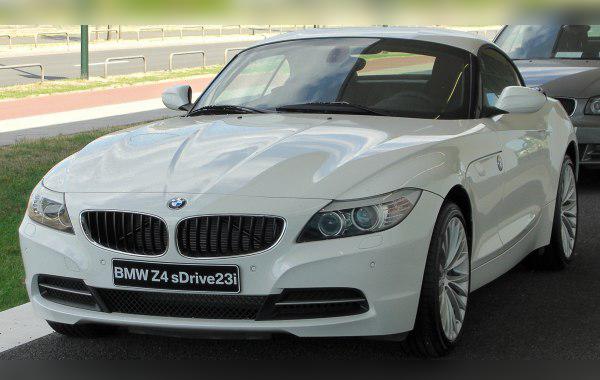
When BMW decided to retire its famous naturally aspirated inline-six engines (such as the N52), the stage was set for the N20B20A. This two-liter turbocharged four-cylinder petrol engine brought direct injection, TwinPower Turbo technology (twin-scroll turbocharger) and advanced systems such as Valvetronic and Double VANOS. It was installed in a wide range of vehicles, from the nimble Z4 roadster, through the compact X1, all the way to larger SUV models like the X3 and X4. The goal was clear: to offer diesel-like torque at low revs while retaining the smoothness and rev range of a petrol engine.
Technical specifications
| Parameter | Data |
|---|---|
| Displacement | 1997 cc |
| Power | 135 kW (184 hp) at 5000–6250 rpm |
| Torque | 270 Nm at 1250–4500 rpm |
| Engine code | N20B20A |
| Injection type | Direct injection (High Precision Injection) |
| Intake type | Twin-scroll turbo with intercooler |
Reliability and maintenance
Does this engine have a timing belt or a chain?
The BMW N20B20A uses a timing chain to drive the camshafts. Unfortunately, this is also its biggest weakness. The problem is not only in the chain itself, but also in the plastic chain guides, which become brittle due to high operating temperatures and crack. In addition, the chain that drives the oil pump is known to stretch. Because of this, the major service (replacement of the chain set, sprockets and guides) is not something you do only when you start hearing noise; a preventive replacement at 100,000 to 150,000 km is strongly recommended. The cost of this intervention is high to very high (depends on the market).
What are the most common failures?
Besides the mentioned chain, the most common issues include oil leaks at the valve cover gasket and the oil filter housing. Due to the direct injection system, carbon buildup on the intake valves is inevitable. Drivers usually notice rough idle (shuddering) and a slight drop in performance. Cleaning the valves (most often using the "walnut blasting" method) is recommended every 80,000 to 100,000 km.
Oil and oil consumption
The engine takes about 5.0 liters of engine oil, and the recommended viscosity is usually 5W-30 or 5W-40 (with BMW LL-01 or LL-04 specification). Given how sensitive the turbocharger and timing components are, the oil change interval should be strictly shortened to a maximum of 10,000 to 12,000 km. As for oil consumption, the N20B20A tends to use some oil between services. A loss of 0.5 to 1 liter per 5,000 km is considered acceptable. If consumption rises drastically, the most common causes are a clogged crankcase ventilation separator (PCV valve), worn valve stem seals or an issue with the turbocharger itself.
Spark plugs and ignition
Since this is a high-performance turbocharged petrol engine with direct injection, the spark plugs are under heavy load. It is recommended to replace them every 50,000 to 60,000 km. Worn spark plugs can lead to coil damage (which are otherwise commonly replaced after 100,000+ km).
Specific parts and costs
Injection system, turbo and related systems
The engine uses a high-pressure fuel pump (HPFP) and piezo injectors. The injectors are more durable than on the first generations of direct injection, but they are sensitive to poor fuel quality. Failure of the high-pressure pump results in long cranking when starting, loss of power and error codes on diagnostics. Replacing these parts falls into the expensive to very expensive category (depends on the market).
The engine has a single twin-scroll turbocharger (usually manufactured by Mitsubishi). Its service life is excellent and it can easily go beyond 200,000 km, provided the oil has not been changed irregularly. A common but harmless issue is wastegate rattle, which can be heard when lifting off the throttle.
Since this is a petrol engine, it does NOT have a DPF filter nor does it use AdBlue. It also does not have the typical problematic EGR valve we see on diesels (the recirculation function is partially controlled by the variable valve timing system and the PCV system, which does require maintenance).
Consumption and performance
Fuel consumption and agility depend primarily on the body style. The N20B20A delivers 184 hp and a very usable 270 Nm of torque from just 1250 rpm, which makes it feel similar to a diesel in everyday driving.
- City driving: In lighter models such as the BMW Z4 (E89) or BMW X1 sDrive, real-world city consumption ranges from 9 to 11 l/100 km. However, in heavier models with xDrive, such as the BMW X3 and X4 (F25/F26), expect 11.5 to 13.5 l/100 km in stop-and-go traffic.
- Is the engine "lazy"? In the BMW Z4 and X1 the engine offers perfectly adequate, even sporty performance. However, when this unit is in a BMW X3 or X4, with all-wheel drive and a couple of passengers, it noticeably "struggles" during sudden overtakes on uphill sections, even though it performs quite adequately for average driving.
- On the highway: The engine is a fantastic cruiser. Thanks to excellent sound insulation and pairing with the 8-speed automatic gearbox, at 130 km/h the engine spins at a relaxed 2,100 to 2,300 rpm (depending on the final drive ratio for the specific model). Highway consumption is around 7 to 8 l/100 km.
Additional options and modifications
Is this engine suitable for LPG (CNG)?
The short answer is: It is not recommended. Due to the direct fuel injection system into the cylinder, the petrol injectors are cooled by the petrol itself. Installing a conventional sequential LPG system would burn the injectors. It is necessary to install expensive liquid-phase systems or systems that use a "mix" of gas and petrol. Because of the high cost of installing such systems (which is very expensive, depending on the market) and potential mapping issues, most owners avoid LPG on this engine.
Remapping (Stage 1)
This is where the N20B20A absolutely shines. This engine is essentially an electronically "detuned" version of the more powerful model (badged as 28i and producing 245 hp). Although there are minor mechanical differences (in compression and piston design), this unit can be remapped completely safely. A Stage 1 map easily and safely raises power to 240–260 hp, with torque exceeding 380 Nm. The difference in driving after the remap is dramatic, especially in the heavier X3 and X4 models.
Gearbox: Manual and automatic
Types of gearboxes and maintenance
BMW offered a 6-speed manual gearbox and the excellent 8-speed ZF automatic gearbox (ZF 8HP) with the N20 engine (often listed as the Steptronic option in the specs).
- Manual gearbox: Very robust. The most common failures are not in the gearbox itself, but in the wear items. This model with a manual gearbox has a dual-mass flywheel (DMF). Due to the high torque at low revs, if the driver regularly floors the throttle from low rpm, the dual-mass flywheel wears out quickly. Symptoms are shuddering when taking off and knocking at idle. Replacing the clutch kit and dual-mass flywheel is expensive to very expensive (depends on the market).
- Automatic gearbox (ZF 8HP): One of the best automatics on the market. It is extremely quick and smooth. It does not have a dual-mass flywheel in the classic sense, but a hydraulic torque converter. However, it is not maintenance-free as some dealers claim. The transmission oil and the pan (which contains the integrated filter) must be changed at 80,000 to 100,000 km. If this is ignored, you will get harsh shifts, delayed gear changes and potentially mechatronic failure, which is an extremely expensive repair (depends on the market).
Buying used and conclusion
What must be checked before buying?
If you are buying a used BMW with the N20B20A engine, here is what you should pay special attention to:
- Cold start: The engine must be completely cold at the first start in front of you. Listen carefully. If you hear a high-pitched rattle ("scratching") in the first few seconds, or a sewing-machine-like noise coming from the front of the engine, the timing chain is due for replacement.
- Whining at certain revs: A characteristic "howling" sound that increases with throttle input (similar to a siren) indicates a worn oil pump chain.
- Exhaust smoke: Have someone rev the engine while you stand behind the car. Bluish smoke indicates oil consumption due to worn valve stem seals or the turbocharger itself. Black smoke under full throttle indicates carbon buildup or injector issues.
- Service history: Ask for proof of oil changes at a maximum of 15,000 km intervals. If the oil was changed according to BMW’s flexible interval (which was often up to 30,000 km), there is a high chance the engine is full of deposits and that the chain has suffered damage.
Who is this engine for?
The BMW N20B20A is an excellent engine, but it is not for drivers who want a car on a "fill up and drive" basis and who skimp on maintenance. It is intended for enthusiasts who understand what it means to drive a modern turbocharged petrol engine and who are willing to invest preventively in timing chain replacement and regular changes of high-quality oil. If you find a well-maintained example (or you replace the chain right after buying it), you will get a great platform, strong acceleration and a fantastic base for Stage 1 remapping. If you are buying a heavier X3 or X4 and expect low fuel costs, the better choice would be the diesel counterpart (20d), but if you are driving a Z4 roadster, this petrol engine is a perfect match.