BMW N20B20A (245 HP): Experiences, problems, fuel consumption and used car buying tips
- Performance and power: With 245 HP and 350 Nm, this engine offers performance on par with older straight-sixes, with better everyday flexibility thanks to the turbocharger.
- Biggest weak point – Timing chain: Models produced before March 2015 have a factory defect with the chain guides and the oil pump drive, which can lead to complete engine failure.
- Fuel injection system: Direct injection requires high-quality fuel. Injectors and the high-pressure fuel pump are more prone to failure at higher mileage.
- Fuel consumption: Quite economical on the open road, but in city driving it can easily exceed 11 l/100 km due to the weight of the body styles it is installed in.
- Gearbox: The 8-speed ZF automatic gearbox is a masterpiece, but it requires regular oil changes to remain reliable.
- Used car verdict: An excellent choice only if you have clear proof that the timing system (chain) has been replaced with the revised version, or if you buy it cheaper and immediately factor that cost in.
Contents
- Introduction: Farewell to six-cylinders and the arrival of the turbo era
- Technical specifications
- Reliability, maintenance and service intervals
- Specific parts and costs (Turbo, Injection, Dual-mass flywheel)
- Real-world fuel consumption and performance
- Extras: LPG conversion and remapping
- Gearbox: Manual vs Automatic (ZF8)
- Buying used and final thoughts
Introduction: Farewell to six-cylinders and the arrival of the turbo era
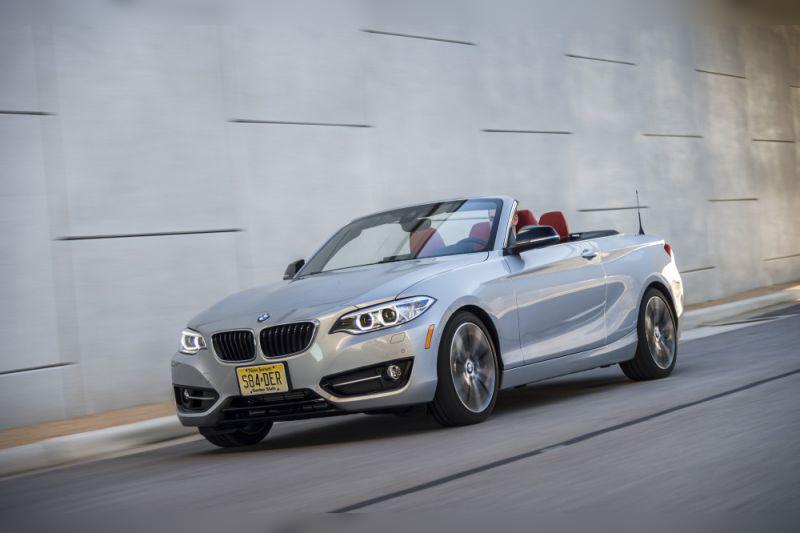
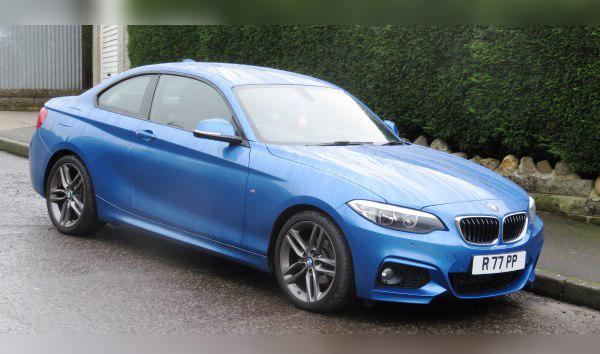
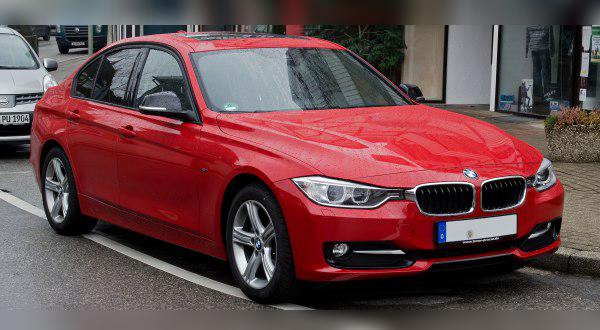
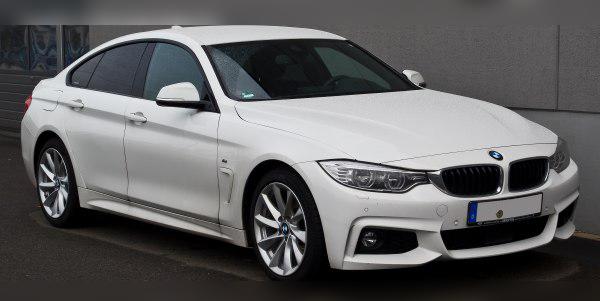
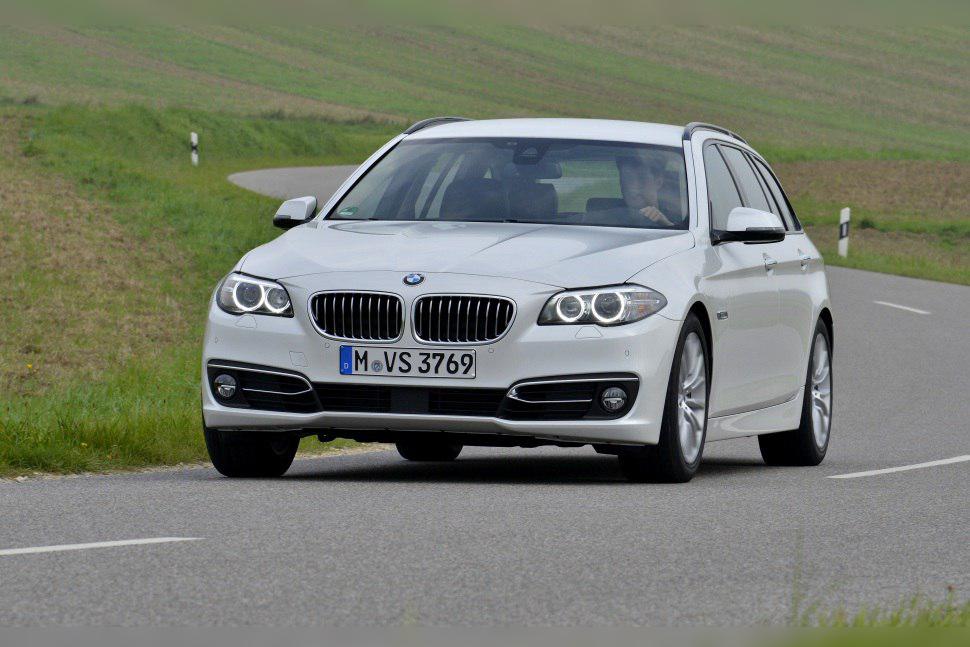
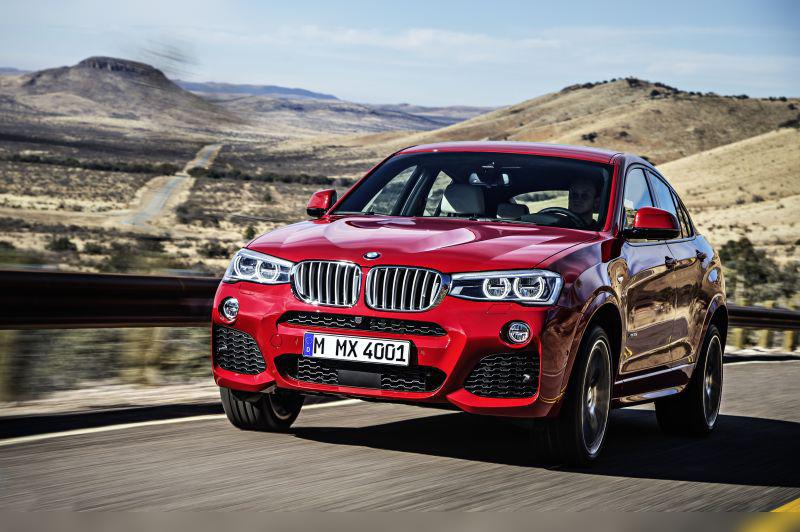
When BMW introduced the engine with the code N20B20A, the automotive world was divided. This 2.0-liter four-cylinder turbo petrol engine had a tough task: to replace the legendary naturally aspirated straight-sixes (such as the N52 and N53) in models bearing the "28i" badge (even though the displacement is 2.0, the badge suggests power equivalent to the old 2.8 or 3.0 engine). It was installed in an incredibly wide range of models – from the compact 2 Series (F22), the popular 3 Series (F30), the elegant 5 Series (F10), all the way to SUVs like the X1, X3, X4, and even the hybrid X5 (F15). Thanks to Twin-Scroll turbo technology, Valvetronic and Double VANOS systems, the N20 delivers linear power, but its complexity brings specific challenges for owners on the European market.
Technical specifications
| Parameter | Value |
|---|---|
| Engine code | N20B20A |
| Displacement | 1997 cc |
| Power | 180 kW (245 HP) at 5000 - 6500 rpm |
| Torque | 350 Nm at 1250 - 4800 rpm |
| Injection type | Direct injection (High Precision Injection) |
| Charging system | Twin-power turbo (twin-scroll), intercooler |
| Fuel | Petrol (Recommended 98 RON) |
Reliability, maintenance and service intervals
Problematic timing system (chain)
The most important question every buyer asks is: does this engine have a timing belt or a chain? The N20B20A uses a timing chain. Unfortunately, this is also its biggest flaw. On models produced before March 2015, the plastic chain guides are made of poor material that becomes brittle over time and cracks. In addition to the main chain, a huge problem is caused by the chain that drives the oil pump. Symptoms the driver may notice are pronounced whining (similar to turbo whistle at idle) or metallic rattling on cold start. If the oil pump drive weakens, the engine is left without lubrication, which leads to catastrophic failure and a seized crankshaft. Because of this, a preventive replacement of the chain, guides and tensioners (essentially a major service) is recommended no later than between 100,000 and 120,000 km, even though the manufacturer has not specified an exact interval. This procedure is very expensive (depends on the market).
Engine oil and regular servicing
The N20 engine takes exactly 5.0 liters of oil (including the filter). BMW recommends fully synthetic oil of 5W-30 or 5W-40 grade that meets LL-01 or LL-04 specifications. Although factory intervals suggest changes at 30,000 km, this is disastrous for this engine due to carbon buildup and oil degradation caused by the high temperatures of the turbocharger. The oil should be changed strictly every 10,000 to a maximum of 15,000 km.
As for oil consumption between services, the N20 is quite "thirsty" compared to older generations, but this largely depends on the condition of the engine. Factory tolerance is up to 0.7 liters per 1000 km, which is absurdly high. In reality, a healthy engine should not consume more than 0.5 to 1 liter per 10,000 km. If it consumes more, the cause usually lies in hardened valve stem seals, a faulty PCV valve (oil separator integrated into the valve cover, and its replacement is expensive), or a worn turbocharger. Piston ring issues are not common if the oil has been changed regularly.
Spark plugs and ignition system
Since this is a modern turbo petrol engine with high-pressure direct injection, the spark plugs are under huge stress. It is recommended to replace them every 60,000 km. If this is neglected, symptoms such as hesitation under acceleration, rough idle (misfires) and the "Check Engine" light will appear, which soon leads to coil failure (each cylinder has its own ignition coil).
Specific parts and costs (Turbo, Injection, Dual-mass flywheel)
Injection system: Injectors and carbon buildup
The engine uses a direct injection system into the cylinders, which means that the fuel does not wash over the intake valves. The consequence of this (a known issue with all DI engines) is carbon buildup on the intake valves and in the intake runners. After 100,000 km the engine may start to lose power, become harder to start in the morning and run unevenly. The solution is walnut blasting (cleaning with crushed walnut shells), which is a regular maintenance item. The injectors are piezo-electric and generally robust, but sensitive to poor fuel quality. If an injector starts to leak, it can wash the oil film off the cylinder wall and destroy the engine. The high-pressure fuel pump (HPFP) can also fail, with symptoms such as long cranking before start and the car going into limp mode (safety mode).
Turbocharger and wastegate issue
The N20 uses a single twin-scroll turbocharger (made by Mitsubishi), not two, although the "TwinPower Turbo" label often confuses buyers. The life span of the turbo is quite good (often over 200,000 km with regular oil changes), but there is one specific fault: wear of the wastegate actuator shaft. The symptom is an irritating metallic rattle when lifting off the throttle or on cold start. Fixing this problem ranges from repairing the actuator itself to replacing the entire turbo housing, which is expensive (depends on the market).
DPF, EGR and AdBlue
Since the N20B20A is strictly a petrol engine, it does not have a DPF (Diesel Particulate Filter) nor does it use AdBlue – these are components reserved for diesels (such as the N47 or B47). The engine has conventional catalytic converters that last a long time, but they can fail if the engine consumes excessive oil for a prolonged period or is driven with faulty spark plugs/injectors (unburnt fuel enters the exhaust and melts the catalyst substrate). The engine has a crankcase ventilation system, but does not suffer from the typical problematic diesel EGR valve.
Real-world fuel consumption and performance
City vs highway driving
Real fuel consumption largely depends on the body style. In lighter models (2 Series, 3 Series F30), the N20 uses between 10.5 and 12 l/100 km in pure city driving with constant stop-and-go traffic. In heavier vehicles such as the 5 Series (F10) or SUVs (X3, X4), city consumption easily exceeds 13 liters per 100 km. Although it has 245 HP, vehicle weight takes its toll in urban conditions.
Is the engine "lazy"? Absolutely not. With 350 Nm of torque available from just 1250 rpm (a diesel-like characteristic!), the engine pulls linearly and strongly across the rev range. Even in a hefty BMW F10 or X3, performance is impressive and overtaking is effortless.
On the motorway, this engine is in its element. Thanks to excellent aerodynamics and the superb ZF8 gearbox, at a cruising speed of 130 km/h the engine runs at a relaxed around 2100 to 2300 rpm. Noise insulation is excellent at that point, and fuel consumption drops to a very acceptable 6.5 to 8 l/100 km, depending on the model.
Extras: LPG conversion and remapping
Should you install LPG?
Theoretically yes, practically it is not worth it. Since the N20 has high-pressure direct fuel injection, classic sequential LPG systems are not applicable. It requires the installation of special liquid-phase systems (which use the factory petrol injectors) or systems that constantly inject a certain percentage of petrol to cool the injectors. Such systems are very expensive (depends on the market) and, due to the sensitivity of the electronics and HPFP, often cause more headaches than savings. For this engine, LPG is best avoided.
Remapping (Stage 1)
The N20B20A has huge tuning potential. The stock 245 HP can, with a software remap (Stage 1), very easily, without any hardware changes, be raised to 280 to 290 HP, with torque increasing to over 420 Nm. However, before remapping you must know two things: first, the timing chain must be in perfect condition (preferably already replaced with the new revision), because higher torque creates more stress on the components. Second, the plastic charge pipe that runs from the intercooler to the intake manifold is weak from the factory and under increased turbo pressure is almost guaranteed to crack. If you are doing a Stage 1 tune, it is strongly recommended to replace this pipe with an aluminium one.
Gearbox: Manual vs Automatic (ZF8)
This engine was paired with either a 6-speed manual gearbox or an 8-speed Steptronic automatic (the famous ZF 8HP). Around 80% of cars on the market are equipped with the automatic.
Manual gearbox and dual-mass flywheel
If you opt for the manual version, be aware that this model is equipped with a dual-mass flywheel (DMF). Given the high torque of 350 Nm, the flywheel and clutch are under heavy load, especially in city driving. Symptoms of wear are vibrations when setting off, body shudder when switching the engine off, and a heavy clutch pedal. The clutch kit and dual-mass flywheel are expensive (depends on the market).
Automatic gearbox (ZF 8HP) and maintenance
Versions with the ZF automatic do not have a conventional dual-mass flywheel and clutch, but use a torque converter. This gearbox is considered one of the best and most reliable in the world, with fast and smooth gear changes. However, its reliability depends entirely on maintenance. Although BMW often states in the manuals that the oil is "lifetime", the gearbox manufacturer (ZF) explicitly requires an oil and pan change (the filter is integrated in the pan) every 80,000 to 100,000 km. If this is neglected, the gearbox starts to "jerk" when shifting from second to first, delays shifts and eventually requires a complete and very expensive overhaul (depends on the market).
Buying used and final thoughts
What to check before buying?
- Cold start: The engine must be completely cold. Listen carefully for the first 10–20 seconds. Any scraping, chain rattling or unusual "howling" (like a siren) means there is an issue with the chain and oil pump.
- Service history: Ask to see the BMW electronic service record. If the oil was changed every 30,000 km, there is a high chance the engine is full of carbon deposits and the piston rings have started to stick.
- Rattling when lifting off the throttle: While driving, at low revs next to a wall, lift off the throttle and listen for metallic rattling – this is a sign that the turbo wastegate has play.
- Diagnostics: Always read out fault codes. Monitor fuel pressure values on the HPFP and turbo boost pressure while driving.
- Checking for leaks: Look around the valve cover and oil filter housing, as these are the most common places for oil seepage due to worn gaskets.
Final verdict: Who is the N20B20A for?
The 245 HP BMW N20B20A is a fantastic engine to drive – fast, flexible and surprisingly economical on open roads. However, it is not cheap to maintain. It is aimed at drivers who want performance but are aware that owning a modern premium turbo petrol engine requires commitment. If you are buying a model produced before March 2015, be prepared to carry out a preventive replacement of the complete chain and oil pump immediately after purchase, thereby eliminating its biggest flaw. With regular oil changes every 10,000 km and timely servicing of the ZF gearbox, this engine can provide many thousands of kilometres of carefree and dynamic driving.