BMW N20B20B (184 HP) – Experiences, problems, fuel consumption and used car buying tips
In short, the most important (TL;DR)
- Notorious timing chain: The timing chain and the oil pump chain are the biggest weak points of this engine, especially on models produced before March 2015. Replacement is absolutely mandatory if you hear the characteristic “whining” noise.
- Fuel injection system: Direct injection requires high-quality fuel. Common issues include carbon buildup on intake valves and failure of the high-pressure fuel pump (HPFP).
- Performance and fuel economy: With 184 HP and 270 Nm, the engine offers an excellent compromise. It’s not a race car, but in everyday driving it doesn’t feel “sluggish”, not even in the heavier 5 Series (F10).
- Avoid LPG conversions: Due to the specifics of direct injection and the Valvetronic system, LPG installation is extremely expensive and not cost-effective.
- Top-notch gearbox: The automatic transmission (ZF 8HP) is probably the best part of the drivetrain, provided the oil has been changed on time.
- Tuning potential: Although it’s “detuned” from the factory, this engine responds very well to remapping, but it first requires a mechanically flawless condition.
Contents
- Introduction to the N20B20B world
- Technical specifications
- Reliability and maintenance
- Specific parts and costs
- Fuel consumption and performance
- Additional options and modifications
- Transmissions and power delivery
- Buying used and conclusion
Introduction to the N20B20B world
When BMW started phasing out its legendary naturally aspirated inline-sixes (such as the N52 and N53 engines) and replacing them with turbocharged four-cylinders, many purists were unhappy. The N20B20B engine represents exactly that transition. With a displacement of two liters and TwinPower Turbo technology, this engine was designed to deliver six-cylinder torque with the fuel consumption of a smaller engine.
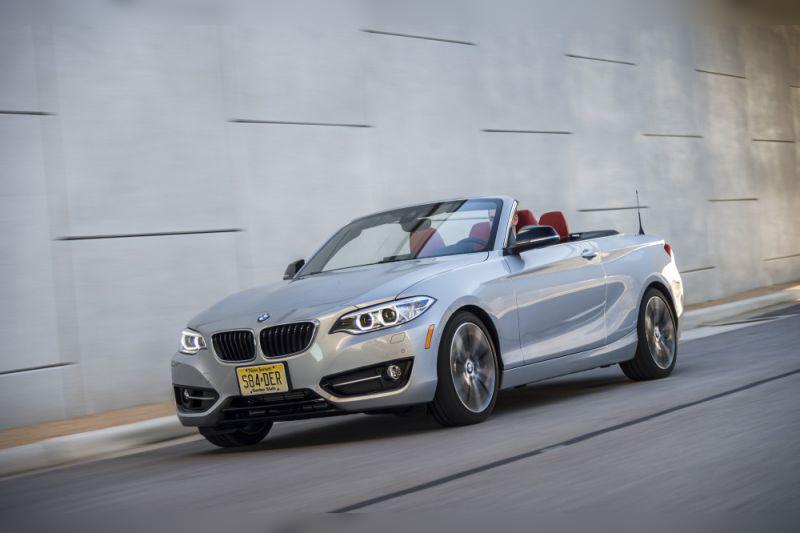
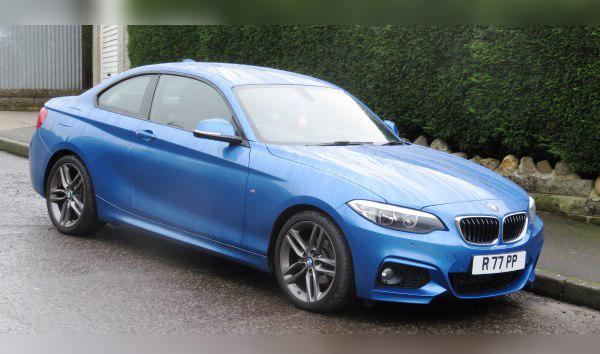
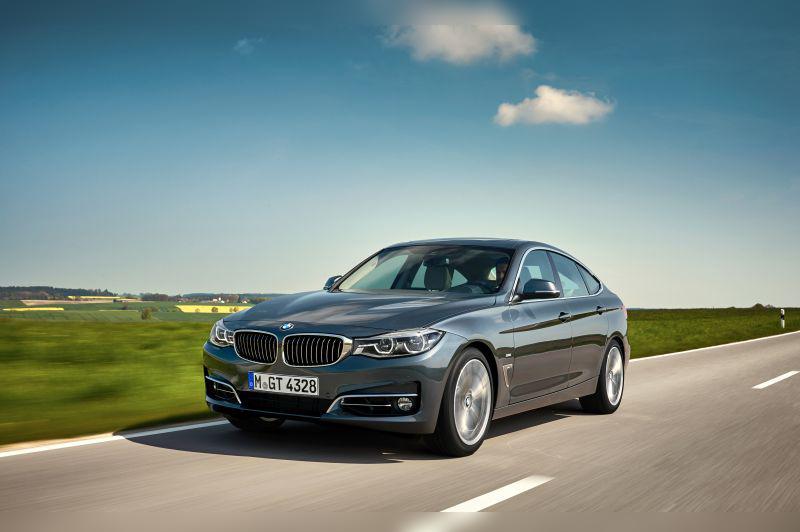
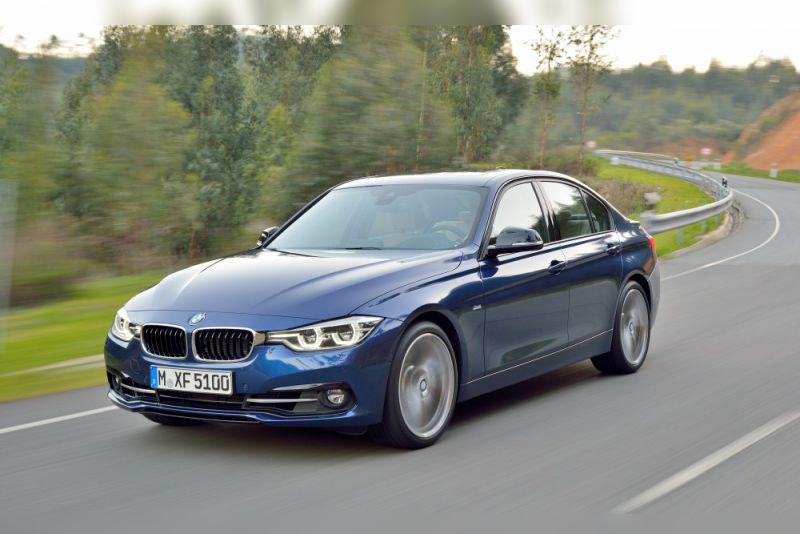
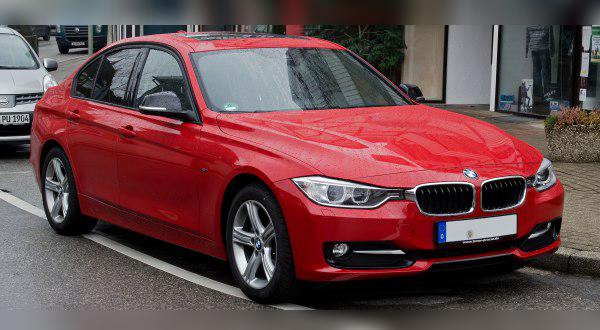
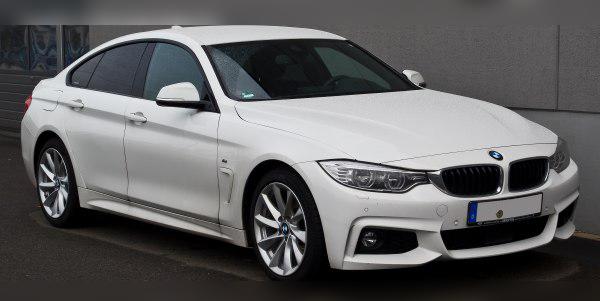
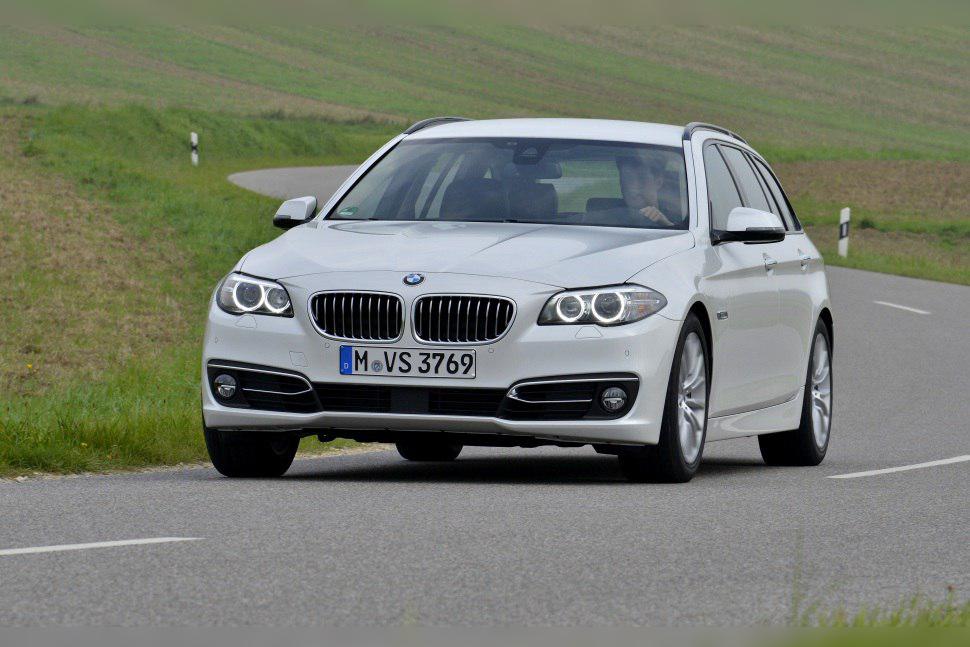
It found its way into a very wide range of models – from the nimble 2 Series (F22/F23), through the hugely popular 3 Series (F30/F31/F34) and the elegant 4 Series (F32/F33/F36), all the way to the business sedan 5 Series (F10/F11). It often carries the 20i badge (e.g. 320i, 520i). Whether you’re looking at rear-wheel-drive models or those with xDrive, this engine was the backbone of petrol sales in that period, so there are plenty of them on the used market. However, its reliability record is not spotless.
Technical specifications
| Specification | Data |
|---|---|
| Engine displacement | 1997 cc (2.0L) |
| Engine power | 135 kW (184 HP) |
| Torque | 270 Nm (available from 1250 rpm) |
| Engine code | N20B20B |
| Injection type | Direct injection (High Precision Injection) |
| Charging system | Twin-scroll turbo (with intercooler) |
Reliability and maintenance
This is probably the section you’re here for. The N20B20B engine does not use a timing belt to drive the camshafts, but a chain. On paper, that should mean peace of mind, but in practice, the chain is the biggest weakness of this unit.
Timing issues and the notorious plastic guides
The most common and most expensive failure on this engine is related to the timing chain and the chain that drives the oil pump. Models produced before March 2015 (most pre-facelift F30 and F10 models) had a factory defect with plastic chain guides that become brittle over time and break. The consequences are chain stretch, timing skipping, and in the worst case – pistons hitting valves (catastrophic engine failure). Symptoms manifest as a specific “whining” or high-pitched noise (like an old sewing machine or a turbine) that follows engine rpm and comes from the front of the engine. The major timing service (replacement of both chains, guides and tensioners) is not done at a fixed interval, but in practice it should be planned at around 120,000 to 150,000 km. If you’re buying a model older than 2015, be sure to check the service history to see if this intervention has already been done.
Lubrication and service intervals
The oil pan of this engine holds 5 liters of oil. The recommended viscosity is 5W-30 or 5W-40, and the oil must meet BMW Longlife-01 or Longlife-04 specifications. Although the manufacturer optimistically specifies an interval of 30,000 km, that is a direct road to disaster for the turbo and the chain. The oil must be changed every 10,000 to 15,000 km or once a year. As for oil consumption, due to the design of the PCV valve (oil separator) and the turbocharger itself, it is normal for the engine to consume about 0.5 liters of oil per 5,000 km. If it consumes more than a liter per 1,000 km, prepare for serious repairs (valve stem seals, piston rings or turbocharger overhaul).
Spark plugs and ignition coils
Since this is a modern turbo petrol engine with direct injection, operating temperatures are high and the load on the spark plugs is significant. It is recommended to replace the spark plugs every 60,000 km. If you stretch this interval, you will feel “jerking” under acceleration, which further leads to overheating and failure of the ignition coils. Replacing coils and spark plugs is routine and considered regular, not overly expensive maintenance (depends on the market).
Specific parts and costs
Maintaining a BMW with an N20 engine is never in the same league as an average city hatchback, and certain components require special attention.
Direct injection system
The engine uses a direct injection system where the injectors “fire” fuel straight into the combustion chamber under enormous pressure. Injector lifespan heavily depends on fuel quality. Symptoms of bad injectors include rough idle (especially on cold start), the smell of raw fuel from the exhaust and black smoke. A common failure is also the high-pressure fuel pump (HPFP), which results in loss of power and engine stalling. Injectors and the HPFP are classified as very expensive parts (depends on the market).
One of the side effects of direct injection is carbon buildup on the intake valves. Since fuel no longer washes over the valves on its way to the cylinder, soot sticks to them, which over time narrows the intake path, causes power loss, “knocking” (detonation) and rough running. It is recommended to perform intake valve cleaning (the so-called “walnut blasting”) every 80,000 to 100,000 km.
Dual-mass flywheel and turbocharger
Yes, if the car is equipped with a manual gearbox, it does have a dual-mass flywheel. Replacing the clutch kit and dual-mass flywheel is an expensive job (depends on the market). Models with automatic transmission do not have a classic dual-mass flywheel, but use a torque converter.
The turbocharger is of the twin-scroll type (most often supplied by Mitsubishi). The lifespan of the turbo itself is generally good and easily exceeds 200,000 km, provided the oil has been changed regularly. However, a known issue is wastegate rattle. The driver will hear this as an annoying metallic rattling when revs drop or on cold start. Sometimes it is necessary to replace the entire turbo or overhaul the housing due to this mechanical play.
DPF, EGR and AdBlue
Since we’re talking about a pure petrol engine, this engine has no DPF filter or AdBlue system, so you are spared those typical diesel headaches. As for exhaust gas recirculation, the system on this petrol engine is not as prone to clogging as on diesels, although it does have catalytic converters whose lifespan depends on the condition of the injectors and spark plugs (unburned fuel quickly destroys the catalyst’s honeycomb).
Fuel consumption and performance
Many drivers make the mistake of too easily assuming that a “small” 2.0 engine will use 6 liters per 100 km. In reality, things are different.
Is the engine sluggish?
Although 184 HP doesn’t sound monstrous, the key figure is the 270 Nm of torque available from just 1250 rpm. Thanks to the small twin-scroll turbo, the engine pulls practically from idle, with no “turbo lag”. In lighter models such as the 2 Series and 3 Series, this engine offers serious dynamism. Even in the heavier 5 Series (F10) weighing around 1.7 tons, the engine does not struggle and is not “lazy” for everyday use and overtaking, although on steep uphill sections under full load it shows its limitations compared to more powerful six-cylinders.
Real-world consumption and motorway driving
In heavy city traffic (“stop-and-go”, frequent cold starts), you should expect real-world consumption of 9.5 to 11.5 l/100 km. If the car has xDrive, add another liter to that figure.
On the motorway, the situation becomes much more favorable. BMW’s aerodynamics and long gearbox ratios come into play. At 130 km/h with the ZF automatic, the engine “cruises” in eighth gear at a very relaxed around 2,200 to 2,400 rpm. In this mode, fuel consumption drops to an excellent 6.5 to 7.5 l/100 km. Engine noise in the cabin at these speeds is minimal.
Additional options and modifications
LPG installation – a strict NO
The question of fitting LPG to this engine often comes up, but mechanics always give the same answer: It is not recommended. Due to the complex direct injection system where the injectors also act as combustion chamber seals (and are cooled by the fuel passing through them), classic sequential LPG systems are not an option. You need expensive systems that periodically inject petrol or systems for direct liquid-phase gas injection. Such setups are extremely expensive (depends on the market) and require top-notch specialists for calibration. Additionally, the Valvetronic system and the engine’s precise maps rarely play nicely with LPG ECUs. Simply put – whoever buys an N20 engine must accept that it runs on petrol only.
Tuning potential (remapping)
On the other hand, this engine is a “golden goose” for tuners. The N20B20B (184 HP) shares most of its mechanical components (block, crankshaft) with the more powerful 28i version (245 HP), although there are minor differences in piston crown compression ratio depending on the exact revision. Still, without any hardware changes, a typical Stage 1 software tune can raise power to an impressive 240–260 HP and around 400 Nm of torque. The driving feel changes dramatically. WARNING: Before any power increase, the timing chain must be in perfect condition and spark plug replacement is mandatory.
Transmissions and power delivery
Two completely different worlds were offered with the N20B20B when it comes to gearboxes:
Manual gearbox (6-speed)
The manual Getrag gearbox is mechanically very robust. The biggest cost here, as mentioned, is replacing a worn clutch and dual-mass flywheel at higher mileages (usually between 150,000 and 200,000 km). Symptoms of failure include a heavy clutch pedal, juddering when taking off and characteristic knocking at idle. Replacement is expensive (depends on the market).
Automatic gearbox (ZF 8HP)
If you can choose, definitely go for the automatic. The famous eight-speed ZF Steptronic (ZF 8HP45) is probably the best conventional automatic transmission in the automotive industry. It shifts smoothly, incredibly quickly and matches the character of the turbo engine perfectly. Failures of the gearbox itself are rare, BUT only if it has been properly maintained.
Although BMW claims for some models and markets that the transmission oil is “lifetime” (never needs changing), the engineers at ZF themselves recommend a complete oil change every 80,000 to 100,000 km at most. The procedure includes replacing the entire plastic transmission pan with its integrated filter, as well as the associated bolts and oil. This service is one of the more expensive regular maintenance items (depends on the market), but it saves the gearbox from a failure that can cost several thousand euros.
Buying used and conclusion
Buying a used BMW with the N20B20B engine can be a great joy, but also a huge money pit if you go in unprepared. Here is what you absolutely must check:
- Cold start is crucial: Arrange with the seller not to start the car before you arrive. When starting a cold engine, listen carefully. Any scraping, knocking or siren-like whining from the front of the engine means the chain needs urgent replacement.
- Idle behavior: If, after the revs drop from the initial high idle, you feel irregular vibrations in the cabin, it’s possible that the intake valves are covered in carbon, the injectors are worn or there are issues with the ignition coils.
- History check: The best model years to buy are LCI (facelift) cars produced after summer 2015 (e.g. F30 LCI), as they received redesigned, more durable chain guides. If you’re buying an F10 or an early F30 (2012–2014), plan for the cost of timing chain replacement as soon as you buy the car, unless you have solid proof (invoice) that it has already been done.
- All-wheel drive (xDrive): Check behavior when the steering wheel is turned fully and you start moving. If the car shudders, the transfer case is likely in trouble, most often due to unevenly worn tires or lack of maintenance.
Who is this engine for?
A BMW with the N20B20B engine is ideal for drivers who want the agility and driving dynamics that the Bavarian brand offers, but don’t cover 40,000 km a year on the motorway where a diesel would make more sense. It’s excellent as a powerful daily driver, capable of easy and safe overtakes, and in combination with the ZF eight-speed gearbox it delivers a true premium-car feel. However, it demands premium maintenance. It does not tolerate cheap oils, delayed services or poor mechanics. If you are willing to invest in it, it will pay you back many times over with the smile it puts on your face behind the wheel.