BMW N43B20A (143 hp): Experiences, issues, fuel consumption and used-car buying tips
Key points in short (TL;DR)
- Timing chain, not belt: The engine uses a timing chain that is prone to stretching and guide failure. Mandatory check before purchase.
- Sensitive injectors: The direct injection system uses piezo injectors that are very expensive and often cause rough idle issues.
- Notorious NOx sensor: Since the engine runs on a lean mixture to save fuel, the NOx system is extremely prone to failure.
- Not ideal for LPG: Due to direct injection, LPG installation is very expensive and technically complicated, and generally not worth it.
- Oil consumption: Older and poorly maintained units often burn oil due to worn valve stem seals and clogged oil control rings.
- Performance: Decent for the 1 Series, but quite sluggish and “out of breath” in heavier models like the 3 Series Touring or convertible.
Contents
- Introduction: Meet the N43B20A
- Technical specifications
- Reliability and maintenance
- Specific components (costs)
- Fuel consumption and performance
- Additional options and modifications
- Gearbox and drivetrain
- Buying used and conclusion
Introduction: Meet the N43B20A
When BMW decided in the mid‑2000s to refresh its range of four‑cylinder engines, the N43 generation saw the light of day. The specific version, N43B20A, brought a radical change compared to its predecessor (N46) – the complex Valvetronic system was removed and replaced with high‑pressure direct fuel injection (High Precision Injection).
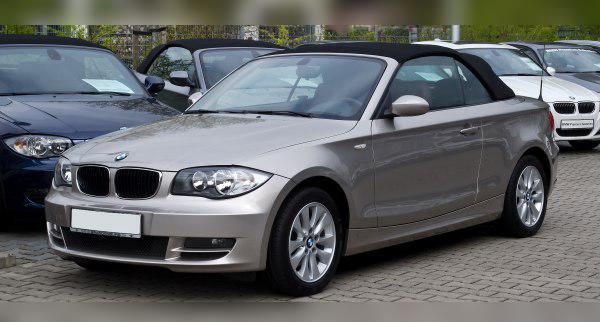
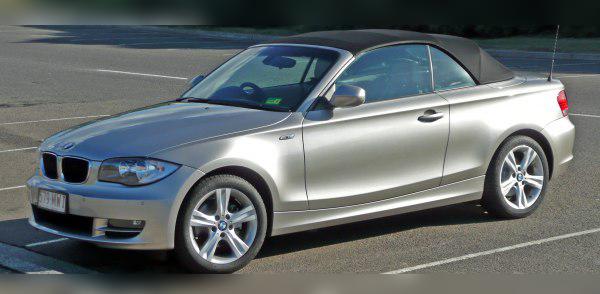
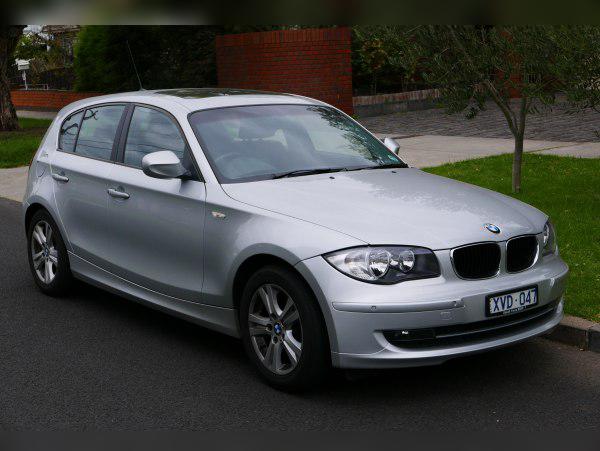
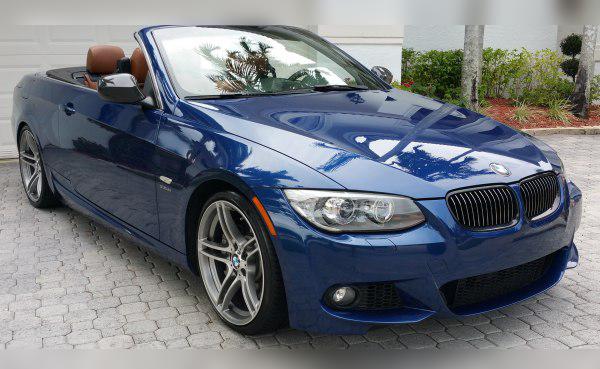
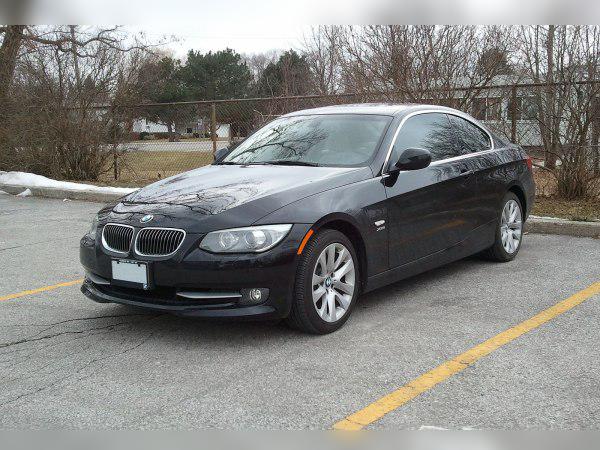
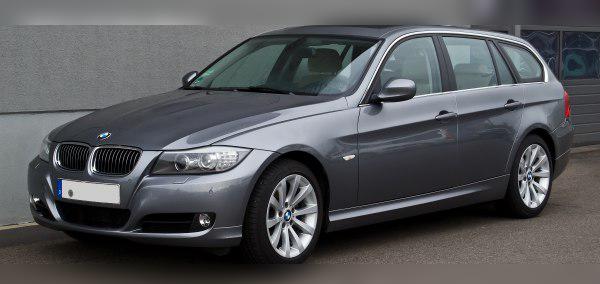
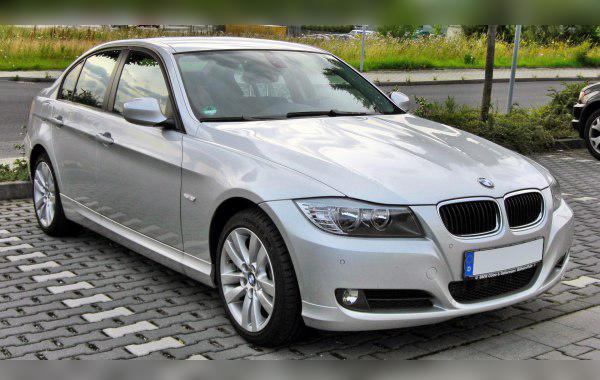
This engine was widely used in the facelift (LCI) models of the 1 Series (E81, E87, E88) and 3 Series (E90, E91, E92, E93). Although the engineering idea was to offer better throttle response and lower fuel consumption by running on a lean mixture, in practice this technology brought a number of “teething problems” that now give used‑car buyers serious headaches.
Technical specifications
| Parameter | Data |
|---|---|
| Engine code | N43B20A |
| Displacement | 1995 cc |
| Power | 105 kW (143 hp) at 6000 rpm |
| Torque | 190 Nm at 4250 rpm |
| Injection type | Direct injection (Piezo) |
| Aspiration | Naturally aspirated |
| Timing drive | Chain |
Reliability and maintenance
Does this engine have a timing belt or chain, and when is the major service due?
The N43B20A uses a timing chain. On older BMW engines a chain used to mean “no worries for the life of the engine”, but with the N43 that is absolutely not the case. The chain, its plastic guides and the hydraulic tensioner are weak points. Due to a design flaw, the guides become brittle from high temperatures and crack. Pieces of plastic then fall into the oil pan, clog the oil pump and can lead to total engine failure (seizure) due to oil pressure loss.
In theory, the major service is not done until the chain starts making noise (symptoms: metallic rattling at cold start or scraping noise around 2000 rpm). However, in practice, preventive replacement of the entire timing set is done every 100,000 to 150,000 km. The cost of this job is high (varies by market).
Oil, capacity, grade and consumption
This engine takes exactly 4.25 litres of oil. Due to the NOx catalyst and specific combustion system, only fully synthetic oil of grade 5W‑30 or 5W‑40 that meets the BMW LL‑04 specification is recommended (Low SAPS oils that produce less soot). Shorten the oil change interval to 10,000 km; by ignoring the factory interval of 25,000+ km you will save the engine from premature wear.
Does it burn oil? Yes, often. BMW tolerates consumption up to 0.7 litres per 1000 km, which for experienced mechanics is a clear sign that something is wrong. The main causes of increased oil consumption are hardened valve stem seals and clogged, stuck oil control rings on the pistons. If the engine needs more than 1 litre of oil every 3000–4000 km, a more serious engine teardown and “refresh” is on the horizon.
Spark plugs and ignition coils
Since this is a petrol engine with direct injection, the ignition system is under huge stress. Spark plugs should be replaced every 40,000 to 50,000 km, and they must be strictly specific (OEM NGK or Bosch). The coils are extremely prone to failure. The symptoms are obvious: the engine shakes, runs on three cylinders, loses power and lights up the “Check Engine” warning.
Specific components (costs)
Fuel injection system: injectors and HPFP
This is the most painful point of the N43 engine. Unlike older port‑injection engines, the N43 uses piezo injectors that spray fuel directly into the cylinder. These injectors are notorious for failing. Symptoms of faulty injectors include unstable idle, difficult cold starts, a strong smell of raw petrol from the exhaust and jerking while driving. Replacing the injectors is very expensive (varies by market), and the problem is that they often have to be replaced as a set.
In addition to the injectors, the high‑pressure fuel pump (HPFP) also often fails. When it weakens, the car loses power, struggles to start and goes into limp mode (protective operating mode).
Does it have a turbo, DPF and EGR?
This is a naturally aspirated engine (no turbocharger), which is good news because that’s one expensive potential failure less. Also, since it’s a petrol engine, it does not have a DPF filter or AdBlue system.
However, the N43B20A does have an EGR valve, which is rare for older petrol engines. It is used to reduce combustion temperature and lower nitrogen oxide (NOx) emissions. In addition to EGR, this engine also has a NOx sensor and NOx catalyst. This system causes huge problems. Due to poorer fuel quality, the NOx catalyst becomes saturated, and the NOx sensor fails very early. The price of an original sensor is extremely high. Owners often resort to software disabling and removal of this system (NOx delete), although this can cause issues at the emissions test during technical inspection.
Fuel consumption and performance
Real‑world fuel consumption
Although direct injection was supposed to reduce fuel consumption, in real‑world conditions it looks like this: city driving requires between 9.5 and 11.5 l/100 km, depending on vehicle weight and driving style. On open roads and highways, consumption can drop to a reasonable 6.5 to 7.5 l/100 km.
Performance and motorway cruising
With its 143 hp and relatively modest 190 Nm of torque, the N43B20A is not a sports engine. In the light 1 Series (E81/E87) it copes quite well. However, in heavier body styles such as the BMW 3 Series Touring (E91) or convertible (E93), the engine feels sluggish and “lazy”. To extract any power from it, you have to rev it high, and at that point any illusion of low fuel consumption disappears.
On the motorway, at 130 km/h in sixth gear, the engine cruises at around 3000 to 3200 rpm (varies slightly depending on the final drive ratio of the specific model). Sound insulation in a BMW is excellent, but above 130 km/h you will start to hear the engine, given that there is no turbocharger that would allow longer gear ratios and lower revs.
Additional options and modifications
LPG conversion
A question that many European drivers ask: Can it run on LPG? The answer: extremely difficult and not cost‑effective. Due to direct injection, conventional sequential LPG systems do not work. A special system is required that injects liquid gas directly through the petrol injectors so they don’t burn out (as they are normally cooled by petrol). Such systems are very expensive (varies by market) and almost never pay off through fuel savings, especially considering how sensitive the piezo injectors themselves are.
Chip tuning (Stage 1)
Is it worth “chipping” the N43B20A? Absolutely not. Because this is a naturally aspirated engine, by optimising the maps (Stage 1) you will gain at most 10 to 12 hp and a few Nm of torque. You won’t even feel that difference in everyday driving, but you will spend money. Chip tuning only really makes sense on turbo engines.
Gearbox and drivetrain
Manual and automatic gearboxes
This engine was paired with six‑speed manual gearboxes and six‑speed Steptronic automatics (mostly ZF 6HP).
Manual gearbox: The gearbox itself is mechanically almost indestructible. However, it always comes together with a dual‑mass flywheel. Over time, the springs in the flywheel weaken, which manifests as jerking when taking off in first gear and a dull thud when switching the engine off. The cost of replacing the clutch kit and dual‑mass flywheel is high (varies by market).
Automatic gearbox: The ZF 6HP has proven reliable, under one condition – proper maintenance. The most common issues with the automatic are jerks when shifting from second to first gear or harsh engagement into D (Drive). This happens due to worn‑out oil or leaks from the gearbox pan (which also serves as the filter). Servicing the gearbox (oil and pan‑filter replacement) is recommended every 80,000 to 100,000 km. If the car has over 200,000 km and the oil has never been changed, the risk of mechatronic failure is high.
Buying used and conclusion
What must you check before buying?
- Cold start: The engine must be completely cold when you come to see the car. If you hear a diesel‑like rattle for 2–3 seconds when starting, the chain is stretched.
- Idle behaviour: The N43 should idle smoothly. If the revs fluctuate and the engine slightly “stumbles”, the problem lies with the injectors, coils or spark plugs.
- Exhaust tip (soot test): Wipe the inside of the exhaust tip with your finger. If it’s completely sooty and black, it means the engine is running a rich mixture (bad injectors) or burning too much oil.
- Diagnostics are mandatory: Do not buy this car without a proper BMW‑specific diagnostic scan (e.g. ISTA). Almost every second car on the market has a stored fault related to the NOx sensor or fuel pressure.
Conclusion: Who is this car for?
A BMW with the N43B20A engine offers a refined drive and access to the premium segment. However, buying this engine comes with risk. This is not a simple “run‑it‑and‑forget‑it” petrol engine. Due to the complex direct injection system, sensitive timing chain and problematic NOx system, maintaining an N43 often reaches, and sometimes exceeds, the maintenance costs of modern turbo diesels.
This engine is intended for people who value the driving dynamics provided by BMW’s chassis, who drive moderately and who have a prepared financial buffer for sudden injector failures or preventive chain replacement. If you buy a neglected example under the assumption that “it’s a petrol, maintenance is cheaper”, the N43B20A will prove you wrong very quickly.