BMW N43B20A (170 HP): Experiences, problems, fuel consumption and used-car buying tips
Key points (TL;DR)
- Naturally aspirated petrol engine with direct injection that requires extremely meticulous maintenance.
- Timing chain is a weak point; it must be replaced as soon as you hear rattling on a cold start.
- Piezo injectors, ignition coils and NOx sensor are among the most common and at the same time most expensive failures on this engine.
- Installation of LPG is not recommended due to the specific direct injection system.
- Automatic ZF Steptronic gearboxes are reliable, provided the oil has been changed regularly.
- In the 1 and 3 Series it offers solid performance, while in the heavy 5 Series (E60) it is quite anaemic and “lazy”.
Contents
- Introduction: Meet the N43B20A
- Technical specifications
- Reliability and maintenance
- Specific parts and failures
- Fuel consumption and performance
- Additional options and modifications
- Transmission and drivetrain
- Buying used and conclusion
Introduction: Meet the N43B20A
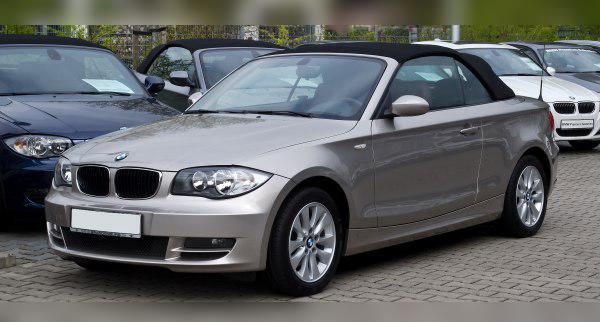
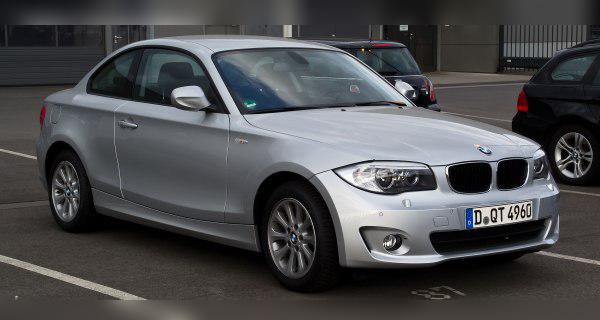
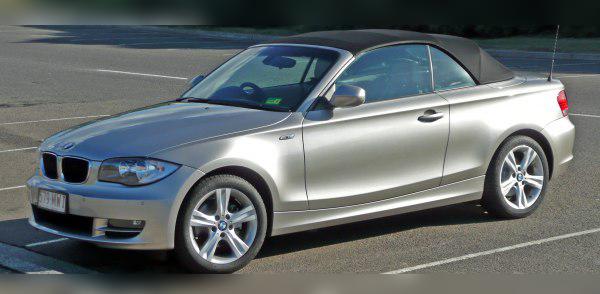
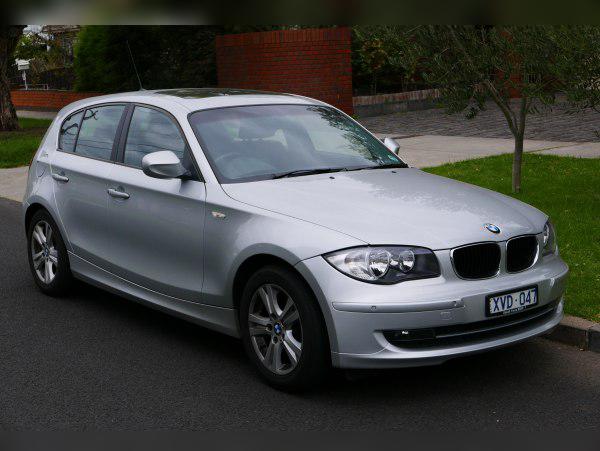
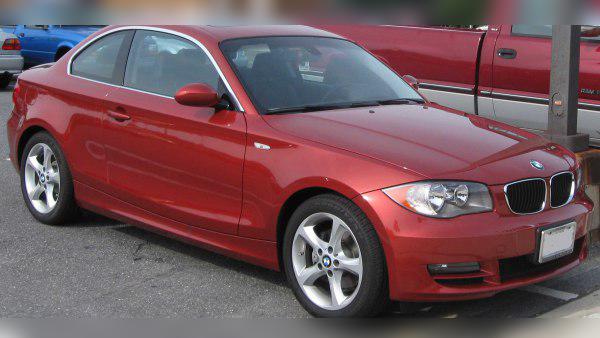
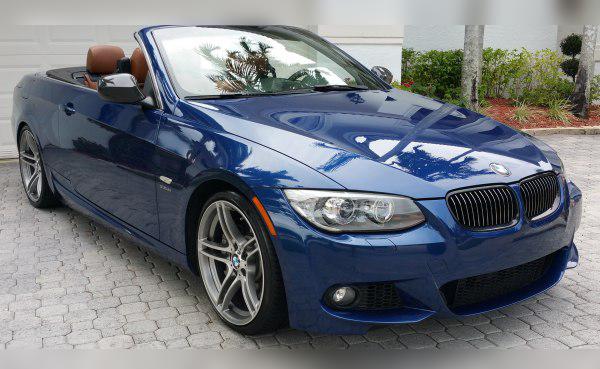
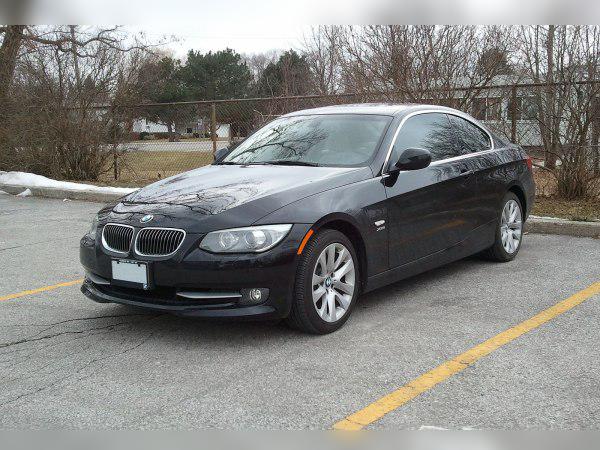
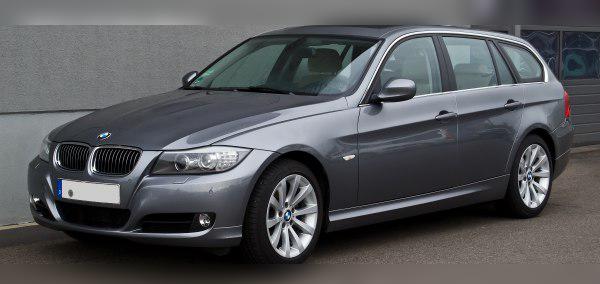
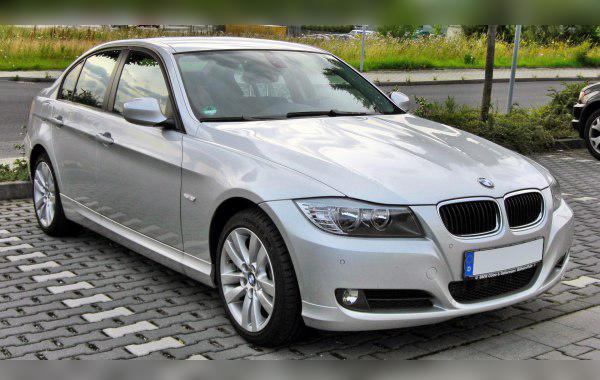
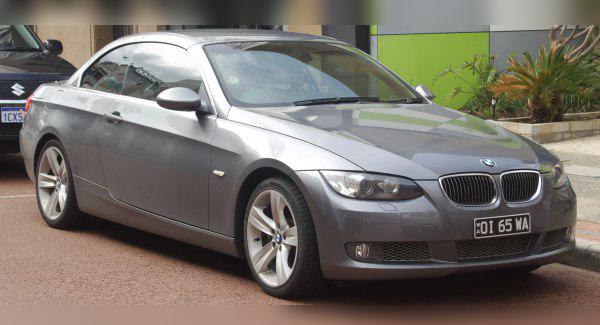
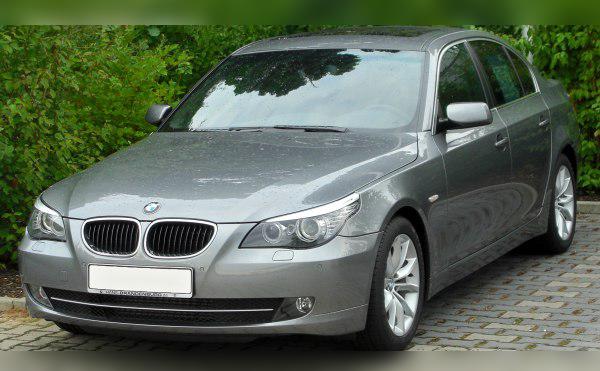
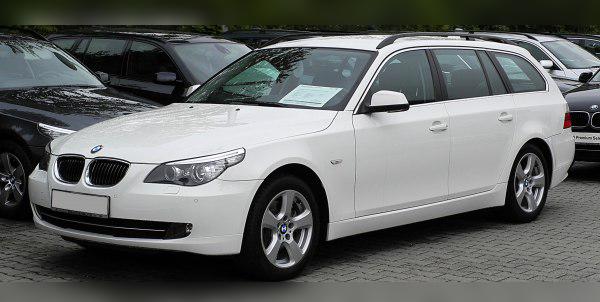
The N43B20A engine is BMW’s attempt to build an efficient, naturally aspirated four‑cylinder petrol engine that meets strict emission standards while still offering the brand’s characteristic driving dynamics. Introduced as the successor to the N46 engine (the Valvetronic system was removed), the N43 brings direct injection (High Precision Injection). It was mainly installed in “facelift” (LCI) models of the 1 Series (E81, E87, E82, E88), 3 Series (E90, E91, E92, E93) and 5 Series (E60, E61).
Although on paper it looks great – it delivers 170 horsepower from just under two litres of displacement with promised low fuel consumption – real‑world experience and mechanics’ feedback show that this is a very technologically complex unit that does not tolerate poor maintenance and demands a deep pocket when repairs are due.
Technical specifications
| Specification | Data |
|---|---|
| Displacement | 1995 cc |
| Power | 125 kW (170 HP) at 6700 rpm |
| Torque | 210 Nm at 4250 rpm |
| Engine code | N43B20A |
| Injection type | Direct injection (Piezo) |
| Induction | Naturally aspirated (No turbocharger) |
| Camshaft drive | Chain |
Reliability and maintenance
Timing system: timing belt or chain?
This engine uses a timing chain. Unfortunately, as with many BMW engines from that era, the chain is a major weak point. It usually stretches, and the plastic guides become brittle and crack. A major service in the classic sense (with a fixed interval) does not exist in the factory recommendations, but in practice the timing chain set is replaced between 100,000 and 150,000 km. The first symptom is a metallic “rattle” and scraping noise from the engine bay on a cold start. If ignored, the chain can jump, which leads to catastrophic engine failure and contact between valves and pistons. The cost of chain replacement is quite high (depends on the market).
Oil: quantity, grade and consumption
The engine takes approximately 4.25 litres of oil. It is recommended to use fully synthetic oil of grade 5W-30 or 5W-40 that meets the BMW LL-04 specification. The oil must be changed every 10,000 to 15,000 km; ignoring this rule directly kills the chain and the VANOS system.
As for oil consumption between services, the N43 tends to “sip” oil. The manufacturer tolerates up to 0.7 l per 1000 km, but in reality, consumption up to 0.5 litres per 1000 km is considered normal for older examples. If it uses more than that, the problem usually lies in hardened valve stem seals or worn piston rings, and fixing this is very expensive (depends on the market).
Spark plugs and ignition system
Since this is a petrol engine that runs with a lean mixture, the ignition system is under heavy load. Spark plugs should be replaced every 40,000 to 60,000 km. In addition to the plugs, ignition coils commonly fail. If the car starts to misfire at idle, jerk under acceleration and turns on the “Check Engine” light, one of the coils has most likely failed. It is advisable to always keep a spare coil in the trunk.
Specific parts and failures
Fuel injection system: injectors and pump
This is probably the most sensitive point of the N43B20A engine. It uses High Precision Injection with piezo injectors. These injectors are extremely sensitive to poor fuel quality; over time they start to leak or lose spray precision. Symptoms of a leaking injector include long cranking in the morning, a strong smell of raw petrol from the exhaust, and black smoke when you press the throttle. Replacing the injectors is very expensive (depends on the market), and since they cannot be reliably refurbished, buying new ones is the only proper solution. Also, the high‑pressure fuel pump (HPFP) can fail, which puts the car into limp mode (safety mode).
Turbo and emissions (EGR, DPF, NOx)
Since this is a naturally aspirated engine, it has no turbocharger (or two of them), so you don’t have to worry about turbo overhauls. Also, as a petrol engine, it has no DPF filter or AdBlue system that could clog or cause problems.
However, the N43 has its own version of an emissions nightmare: the NOx system. To be efficient, the engine runs with a very lean mixture in certain modes, which creates high levels of nitrogen oxides (NOx). That is why it has a special NOx catalytic converter and NOx sensor. The sensor fails very often, which increases fuel consumption and causes jerking. The original NOx sensor is very expensive (depends on the market), and software deletion (“NOx delete”) has become a popular alternative among owners, although this can be legally problematic depending on the technical inspection regulations in your country.
Fuel consumption and performance
Fuel consumption
The direct injection system provides decent economy when everything is working properly. In city driving you can expect real‑world consumption of 9 to 11 l/100 km, depending on driving style and vehicle weight. On open roads and highways it can drop to around 6.5 l/100 km.
Performance and cruising
Is the engine “lazy”? It depends on which car it is in. In the 1 Series (E81, E87) and 3 Series (E90), 170 HP is perfectly adequate for everyday driving and even for more aggressive overtaking. However, the 210 Nm of torque is available only at a rather high 4250 rpm. This means that if you want brisk acceleration, you have to drop one or two gears and rev it close to the redline. In the 5 Series (E60/E61), this engine is definitely underpowered (“lazy”), as the weight of the saloon easily “swallows” the modest torque.
On the motorway, at 130 km/h in sixth gear (with a manual gearbox), the engine usually spins at around 3000 to 3200 rpm. It’s not the quietest, but it cruises steadily with fuel consumption of about 7 to 8 l/100 km.
Additional options and modifications
Is this engine suitable for LPG?
Short answer: No. The N43B20A has direct injection, which means the injectors are located directly in the combustion chamber. A classic sequential LPG system would burn out these expensive piezo injectors because they are normally cooled by the flow of petrol. There are special LPG systems for direct liquid‑phase injection, or systems that inject a certain amount of petrol together with LPG to protect the injectors, but these setups are very expensive and hardly pay off unless you are doing taxi mileage. Advice: avoid LPG on this engine.
Potential for “chipping” (Stage 1)
Since this is a naturally aspirated engine, forget about huge gains. A Stage 1 remap (ECU remapping) on this engine can add at best 10 to 15 HP and about 15 Nm of torque. The difference in driving will be minimal (perhaps a slightly better throttle response). Most mechanics consider remapping the N43 engine a waste of money.
Transmission and drivetrain
Types of gearboxes and common issues
This model mainly comes in two variants:
- 6‑speed manual gearbox: Very reliable and precise, it provides the typical “BMW” sporty feel thanks to short shifter throws. It does not fail on its own.
- 6‑speed automatic (Steptronic) by ZF: One of the best automatics of its time. It shifts smoothly and rarely leaves you stranded. Issues are mostly limited to harsh gear changes (jerking), usually caused by dirty oil or worn solenoids in the mechatronics unit.
Dual‑mass flywheel and clutch
Yes, all versions with a manual gearbox have a dual‑mass flywheel (DMF) that protects the crankshaft from vibrations. Over time, the springs in the flywheel wear out. Symptoms of wear include strong vibrations at idle, knocking when switching the engine off, and jerking when setting off (especially uphill). Replacing the complete clutch and dual‑mass flywheel is expensive (depends on the market), but the new set will last another 150,000+ km with normal driving.
Transmission maintenance
Although BMW once advertised the oil in automatic gearboxes as “lifetime”, the gearbox manufacturer (ZF) explicitly denies this. The oil in the automatic gearbox must be changed every 80,000 to 100,000 km. Usually the entire sump is replaced because the oil filter is integrated into the plastic sump housing. On manual gearboxes, changing the oil at around 100,000 km is a cheap preventive measure that extends the life of the synchros.
Buying used and conclusion
What to look out for when buying?
When buying a used BMW with the N43B20A engine, do not rely on “good visual condition”. A mechanical inspection is mandatory:
- Ask for a cold start: The engine must be completely cold (not started that day). Listen carefully during the first 3–5 seconds after starting. Any scraping or rattling means the chain is due for replacement.
- Smell from the exhaust: If at idle, with the engine at operating temperature, you can smell a strong odour of unburnt petrol or the engine occasionally “stumbles”, prepare for an expensive injector or coil replacement.
- Diagnostics: NEVER buy a car without first connecting it to dedicated (BMW) diagnostics. A basic OBD scanner will not always show the history of NOx faults, lean mixture errors and HPFP pressure issues.
Who is this engine for?
A BMW with the N43B20A engine is intended exclusively for informed drivers who know what they are getting into. It offers an excellent compromise of handling, power (especially in lighter bodies such as the E87) and fuel consumption (when everything is in order). However, if you are looking for a car that you will just drive, refuel and service cheaply – steer well clear of it. The costs of replacing the chain, piezo injectors and NOx sensor can quickly exceed the value of the car itself if you buy a neglected example.