BMW N47D20C (116 hp) – Experiences, problems, fuel consumption and used car buying tips
In short (TL;DR)
- Biggest drawback: The timing chain is located at the rear of the engine, and replacing it is very expensive because the engine or gearbox has to be removed.
- Durability: Since this is a “detuned” version of the 2.0-liter block, the engine is under significantly less stress, so the pistons, crankshaft and turbo last longer than on the more powerful versions.
- Emissions systems: The EGR valve and EGR cooler are problematic, and the DPF clogs quickly if the car is driven exclusively in the city.
- Fuel consumption: Extremely low, especially on the open road and with the automatic transmission.
- Performance: Excellent for the 1 Series (F20/F21), but rather “sluggish” in the heavier 3 Series (F30/F31) and the X1.
- Tuning potential: Fantastic! With a remap you can easily and safely reach power equivalent to stronger models (18d, and even 20d).
- Gearbox: The automatic ZF 8HP is one of the best in the world, but it requires regular oil changes.
Contents
- Introduction: Meet the weakest 2.0 diesel
- Technical specifications
- Reliability and maintenance
- Specific parts and costs
- Fuel consumption and performance
- Additional options and modifications
- Transmissions: manual and automatic
- Buying used and conclusion
Introduction: Meet the weakest 2.0 diesel
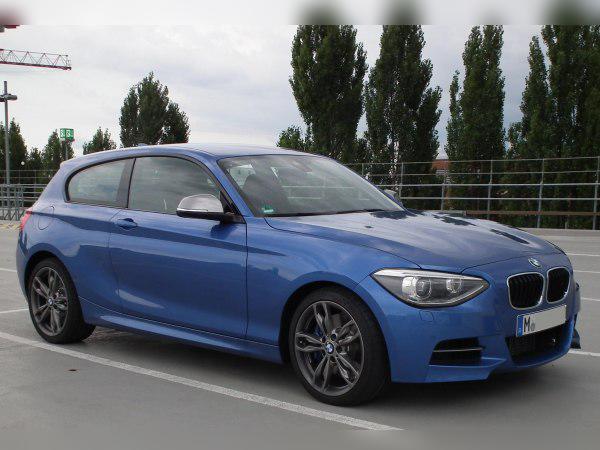
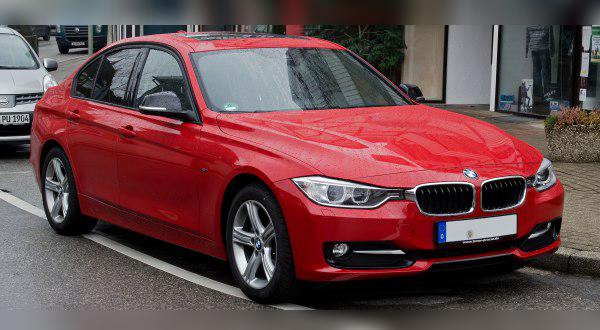
The BMW engine designated N47D20C in the 85 kW (116 hp) version has a very specific reputation. On the one hand, it belongs to the notorious N47 family, followed by stories of timing chain failures. On the other hand, it is a 2.0-liter block (1995 cc) whose power has been reduced to a minimum by software (and sometimes by a smaller turbo). It was installed in the 1 Series (E81, F20, F21), 3 Series (F30, F31) and X1 (E84). Why does this matter? Because this engine actually has huge longevity potential, as the mechanical components are not subjected to the maximum pressures and temperatures seen in the 184 hp and more powerful versions.
Technical specifications
| Engine code | N47D20C |
| Displacement | 1995 cc |
| Power | 85 kW (116 hp) |
| Torque | 260 Nm |
| Fuel type | Diesel (Common Rail injection) |
| Induction | TwinPower Turbo (variable geometry turbo), intercooler |
Reliability and maintenance
Timing chain problem
This engine uses a timing chain, and not just one, but three (together with sprockets and tensioners). The issue with the N47 generation is that the chain is located at the rear of the engine, next to the firewall. The factory designed it as a “lifetime” component, but real-world use has shown otherwise. Over time the chain stretches and the plastic guides crack.
Symptoms: Rattling, rustling or “grinding” metal noise on cold start and at revs between 1500 and 2000 rpm. If the chain snaps or jumps a tooth, the valves hit the pistons and the engine is destroyed. In practice, the major service (chain replacement) is done preventively every 150,000 to 200,000 km. Due to poor accessibility, the entire engine has to be removed or the gearbox dropped, so labor is very expensive. The cost of this job ranges from expensive to very expensive (depending on the market).
Oil and regular servicing
The engine takes exactly 5.2 liters of oil. The recommended grade is 5W-30 that meets the BMW LL-04 specification (LongLife-04, mandatory because of the DPF). Although BMW specifies an oil change interval of 30,000 km, any experienced mechanic will tell you to do a minor service at a maximum of 10,000 to 15,000 km. Infrequent oil changes are the main culprit for timing chain and turbo failure. As for oil consumption, the N47C should not burn excessive amounts. A loss of up to 0.5 liters per 10,000 km is acceptable, but if the car needs a liter or more topped up, the usual causes are valve stem seals, a worn turbo or worn piston rings (although this is rare on the 116 hp version).
Injector longevity
The injectors on this engine (Bosch Common Rail) have proven to be excellent. Because the engine is detuned, injection pressure is lower than on more powerful models, so with good-quality fuel and regular fuel filter changes, the injectors can easily last over 300,000 km. If problems do occur, the symptoms are rough idle, increased black smoke or a “hammering” noise from the engine.
Specific parts and costs
Dual-mass flywheel and clutch
Yes, all versions with a manual gearbox have a dual-mass flywheel. Its service life is around 200,000 km, but it heavily depends on driving style. Driving in too high a gear at low revs and flooring the throttle wears it out faster. Symptoms are a dull thud when switching the engine off and strong vibrations in the clutch pedal. A clutch kit with dual-mass flywheel is expensive (depending on the market).
Turbocharger
This engine has a single variable geometry turbocharger (VGT). The name “TwinPower Turbo” is just BMW’s marketing term (referring to efficiency and variable geometry), not an indication of two turbos. The turbo’s lifespan is usually over 250,000 km. Because of the engine’s modest power, mechanical failure is rare, but the variable geometry can “stick” due to soot build-up if the car is not regularly driven on the open road.
DPF, EGR and AdBlue
These are weak points of every modern diesel. The EGR valve and EGR cooler are notorious on the N47 engine. The EGR cooler can crack and let coolant into the intake (symptom: loss of coolant without visible leaks under the car). BMW has also issued factory recalls due to fire risk in the intake manifold caused by a mixture of coolant and soot.
The DPF filter often clogs if the car is driven mostly in stop-and-go city traffic. Symptoms are frequent regenerations (raised idle speed, radiator fan running) and sluggish engine response.
As for the AdBlue system, the vast majority of N47 engines (especially before 2014) do not have AdBlue because they are Euro 5 engines. This is great news for used car buyers, as it saves you from issues with the urea pump and tank.
Fuel consumption and performance
This is where the 116 hp N47D20C really shines. Real-world fuel consumption in city driving is between 6.5 and 7.5 l/100 km, depending on vehicle weight and traffic conditions.
When it comes to performance, there is a big “BUT”. The engine produces 116 hp and 260 Nm of torque. For the 1 Series (F20), this is perfectly adequate for smooth driving. However, in heavier models such as the 3 Series Touring (wagon) or the BMW X1, the engine is distinctly “lazy”. Overtaking on country roads requires planning and downshifting, as it runs out of breath at higher revs.
On the motorway, however, the situation is quite different. With the 6-speed manual, and especially with the 8-speed automatic, the gear ratios are excellently matched. At a cruising speed of 130 km/h in eighth gear, the engine spins at a low ~2100 rpm in near silence. Fuel consumption on the motorway then drops to an impressive 4.8 to 5.5 l/100 km.
Additional options and modifications
Since this is a diesel engine, LPG conversion is not possible. However, this engine is the “holy grail” for Stage 1 remapping.
Given that it shares the engine block, conrods and crankshaft with more powerful versions, the 116 hp output is purely a software limitation. With a safe Stage 1 remap, this engine can very easily reach 150 hp to 180 hp and around 350+ Nm of torque (depending on the specific injectors and turbo fitted, which should be checked by VIN, as BMW has changed suppliers over time). After the remap, fuel consumption remains the same in normal driving, but the car transforms from a “lazy wagon” into a serious cruiser that overtakes effortlessly. BEFORE remapping, it is MANDATORY to replace the timing chain and check the condition of the turbo.
Transmissions: manual and automatic
The engine was paired with 6-speed manual gearboxes (Getrag/ZF) and the ZF 8HP 8-speed automatic (Steptronic).
Manual gearbox: Generally very reliable. The most common issues are not with the gearbox itself but with wear items (dual-mass flywheel and clutch disc, as explained above). Drivers sometimes report that it is harder to engage first gear when cold, which is usually solved by changing the gearbox oil at around 100,000 km.
Automatic gearbox (ZF 8HP): Considered one of the best conventional automatics in the automotive industry. It shifts lightning-fast and smoothly. However, BMW claims that the oil is “lifetime fill”, which is a big mistake. To keep the automatic running smoothly without harsh shifts, the gearbox needs servicing (replacement of the pan with integrated filter, plus oil change) every 80,000 to 100,000 km. This is an expensive service (depending on the market), but essential to avoid mechatronics and valve body failures.
Buying used and conclusion
When buying a used car with this engine, you must pay attention to the following:
- Listen to it when cold: Can you hear chain rattle coming from the direction of the windshield?
- Diagnostics: Check injector correction values and DPF load.
- Coolant: Check whether coolant is missing and whether there are black traces around the EGR cooler.
- Service history: A car that has done 200,000 km with a replaced timing chain and oil changes every 15,000 km is a far better purchase than one with “guaranteed 140,000 km” where the chain has never been touched and the oil was changed every 30,000 km.
Conclusion: Who is it for?
If you are looking for an economical city or suburban car (1 Series) and are ready to invest in a timing chain replacement immediately after purchase (if it is not already documented), this engine will reward you with reliability and laughably low fuel consumption. For heavier cars (3 Series, X1), the engine only makes sense if you drive extremely defensively, or if you plan a quality Stage 1 remap right away to unlock the potential hidden in this “sleepy” 2.0-liter block.