BMW N47D20C Engine (143 HP) – Experiences, Problems, Fuel Consumption and Used Car Buying Tips
- Notorious timing chain: The biggest weakness of this engine is the timing/drive chain located at the rear of the engine. Replacement is necessary and expensive.
- Fuel efficiency: Fuel consumption is excellent, especially on the open road and when paired with the 8-speed ZF automatic transmission.
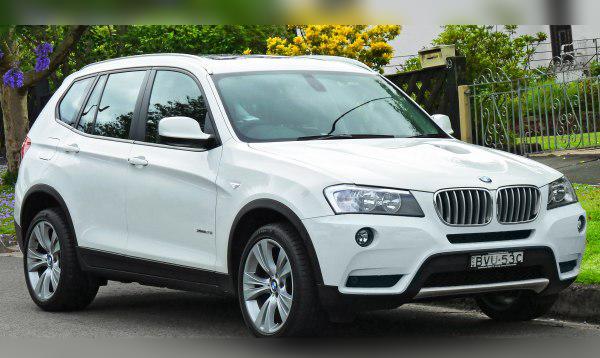
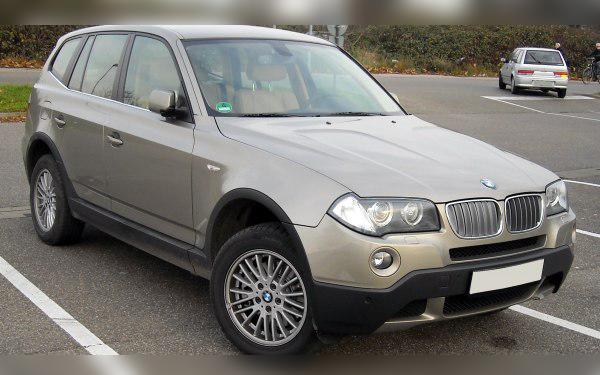
- Performance: With 143 HP and 350 Nm, the engine is ideal for the 1 and 3 Series, but struggles in heavier bodies such as the 5 Series (F10) and the X3.
- DPF and EGR systems: Due to predominantly city driving, the intake manifold (with swirl flaps) and the DPF filter are prone to clogging.
- High-pressure pump (Bosch CP4): Internal components of the pump can wear out, creating metal shavings that destroy the entire injection system.
- Golden buying rule: Do not buy without clear proof that the chain has been replaced, or include that intervention in your initial budget.
Contents
- Introduction: Get to know the N47D20C
- Technical specifications
- Reliability and maintenance
- Specific parts and costs
- Fuel consumption and performance
- Additional options and modifications (Tuning)
- Gearbox and drivetrain
- Buying used and conclusion
Introduction: Get to know the N47D20C
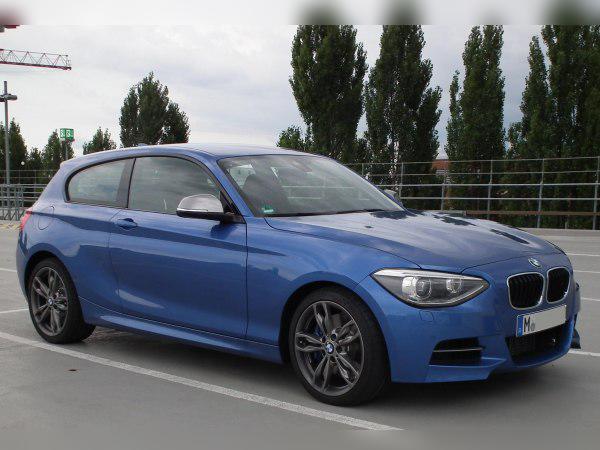
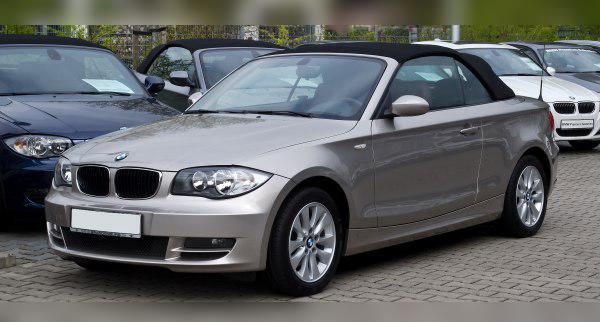
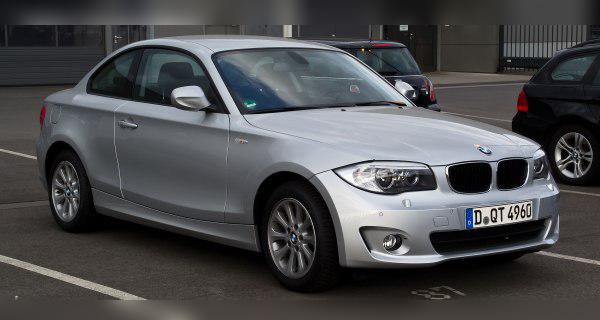
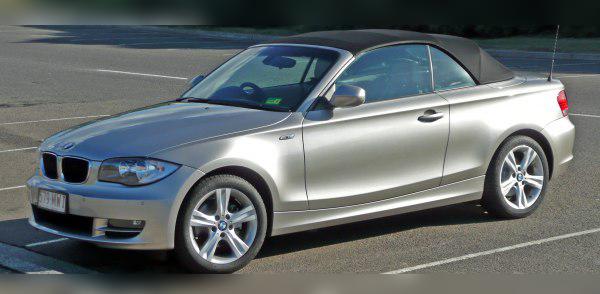
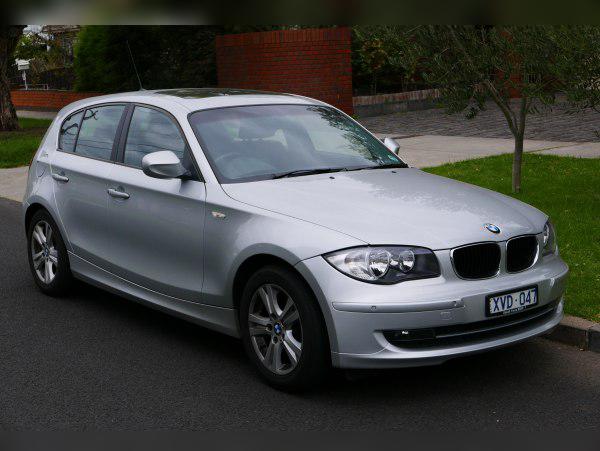
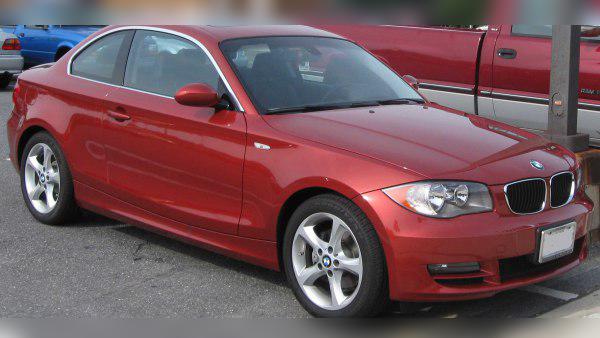
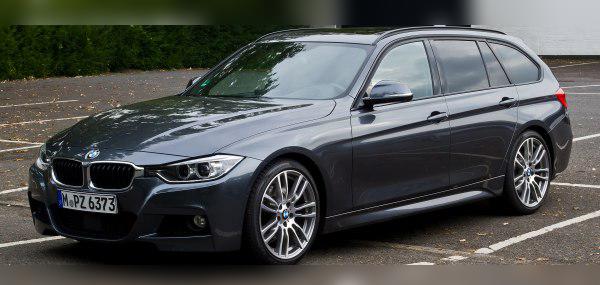
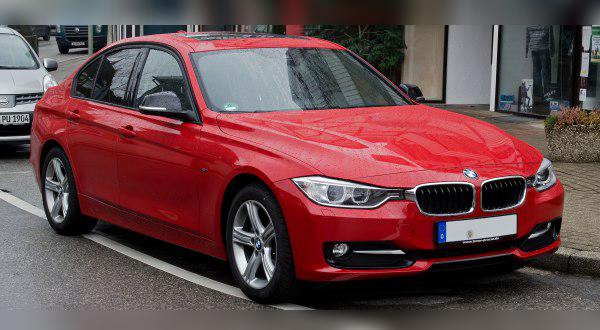
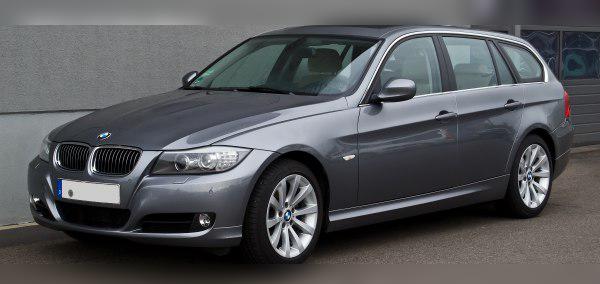
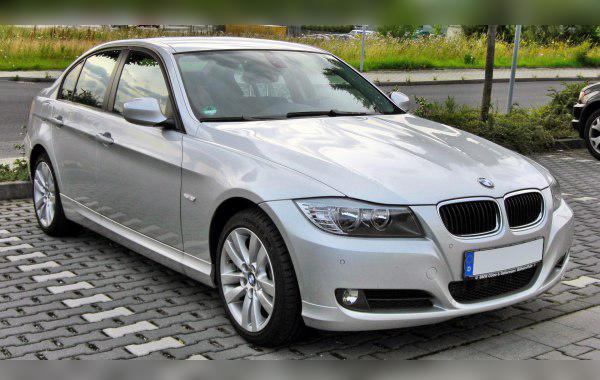
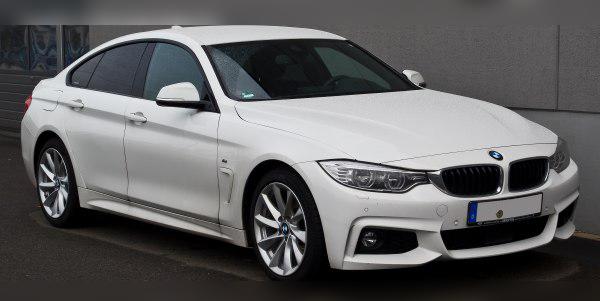
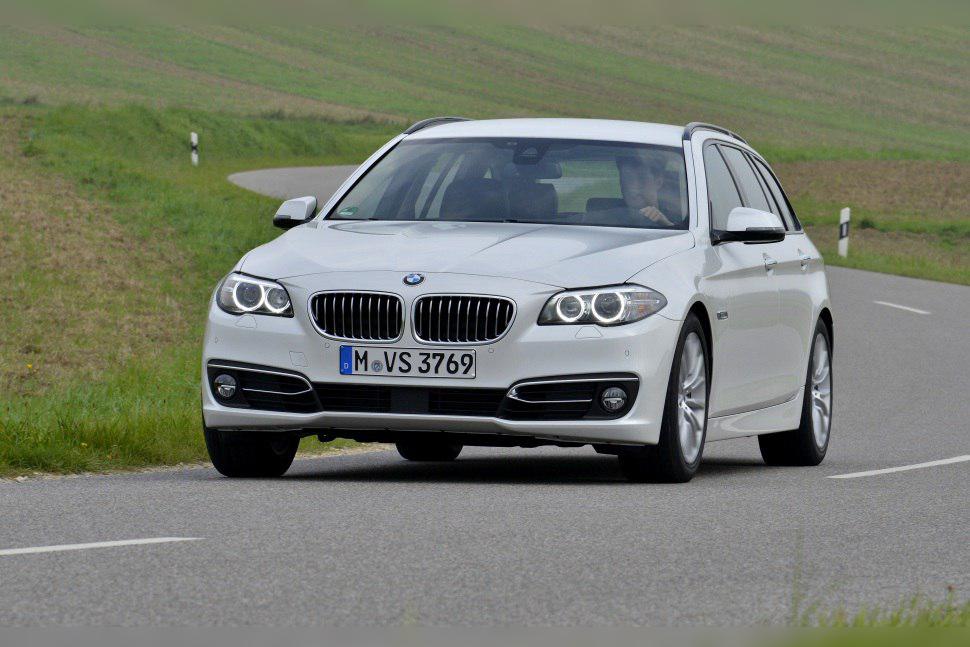
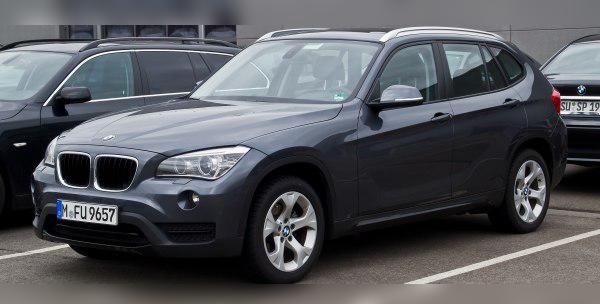
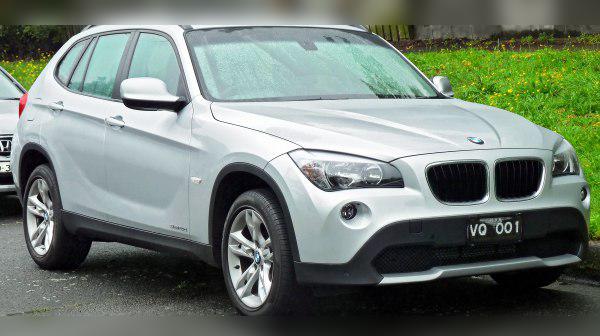
If you have ever looked at a used BMW produced between 2007 and 2015, there is a good chance that the engine under the hood was the N47. The N47D20C version with 105 kW (143 HP) carried the "18d" badge on the trunk. Although on paper this is a perfect compromise between performance, emissions and economy, in practice the N47 has gone down in history as one of BMW’s most controversial engines. The reason? The infamous timing system issue. It was installed in almost everything – from the small 1 Series hatchback (E81/F20), through the hugely popular 3 Series (E90/F30), all the way to heavyweights like the 5 Series and X models. Because of how common it is, mechanics know it inside out.
Technical specifications
| Specification | Value |
|---|---|
| Engine displacement | 1995 cc |
| Engine power | 105 kW (143 HP) |
| Torque | 350 Nm |
| Engine code | N47D20C |
| Injection type | Common Rail (Direct injection) |
| Charging system | Variable-geometry turbocharger, intercooler |
Reliability and maintenance
Timing belt or chain?
This engine uses a timing/drive chain. BMW made an engineering decision that has caused headaches for many owners – the timing system (chains, tensioners, guides) is located at the rear of the engine, right next to the cabin bulkhead and the bell housing of the gearbox. This means that when it is time for replacement, the engine has to be removed from the car or the gearbox and front subframe have to be dropped completely.
Most common failures
Besides chain stretching and snapping, the N47D20C suffers from issues with the swirl flaps in the intake manifold. Due to soot deposits from the EGR valve, the flaps can get stuck or, in the worst case, break off and fall into the cylinder, which leads to catastrophic engine damage. Another serious problem is wear of the Bosch CP4 high-pressure pump. Poor-quality fuel with insufficient lubricating properties causes friction in the pump, which then sends tiny metal shavings into the system and permanently destroys all injectors and sensors.
Major service
Since the engine uses a chain, the "major service" refers to chain replacement. Although BMW initially claimed that the chain is "lifetime" (lasts as long as the engine), real-world experience has shown otherwise. Replacement is recommended at around 150,000 to 180,000 km. If you hear a rhythmic "rustling" or metallic rattling from the rear of the engine (closer to the windshield) on a cold start, the chain must be replaced urgently. The cost of this intervention is very high (depends on the market).
Engine oil and oil consumption
The N47D20C takes 5.2 liters of oil. The recommended grade is 5W-30 that must meet the BMW LL-04 specification (LongLife-04, intended for engines with DPF filters). Although the manufacturer specifies a service interval of 30,000 km, any experienced mechanic will tell you to change the oil at 10,000 to 15,000 km at the latest, in order to extend the life of the chain and turbo. Oil consumption of up to 0.5 l per 10,000 km is considered normal. If it consumes more, the usual culprits are worn turbo seals or a clogged crankcase ventilation/oil separator (PCV valve).
Injector lifespan
Solenoid or piezo injectors are used (mostly Bosch). They have proven to be solid and rarely fail before 200,000 to 250,000 km, except in cases where they are destroyed by metal shavings from the already mentioned defective high-pressure pump. Symptoms of bad injectors are rough idle, bluish/grey smoke from the exhaust and increased fuel consumption.
Specific parts and costs
Dual-mass flywheel and clutch
Versions with a manual gearbox have a dual-mass flywheel. Replacement of the clutch kit and dual-mass flywheel is to be expected at mileages above 180,000 km. Symptoms of a worn flywheel are strong vibrations when starting and stopping the engine, as well as unpleasant "shuddering" when moving off (especially when the car is under load or on an incline). The price of the complete kit including labor is high (depends on the market).
Turbocharger
The engine has a single variable-geometry turbocharger (VGT). The life of the turbo largely depends on regular oil changes and driving style (whether the engine is shut off hot immediately after highway driving). The turbo usually lasts well over 200,000 km without major issues. Rebuilding it is not particularly complicated or expensive.
EGR, DPF and AdBlue
This is a sore point for cars driven exclusively in the city. The DPF filter (diesel particulate filter) and the EGR valve often get clogged with soot. Symptoms of a clogged DPF are loss of power, frequent radiator fan operation and a rising engine oil level (due to diesel dilution during failed regenerations). Cleaning the EGR is mandatory at every major service.
As for the AdBlue system, most of these engines with the "18d" badge in Euro 5 specification do not have AdBlue. Some of the last batches before the switch to the B47 engine (certain models produced in late 2014 and in 2015) may have BluePerformance technology. In that case, the pump in the AdBlue tank is known to cause problems, and its replacement is very expensive. A VIN check is required.
Fuel consumption and performance
Real-world fuel consumption
This is the bright side of this engine. In city traffic, lighter models such as the 1 and 3 Series (F20, F30) use around 6.5 to 7.5 l/100 km. In heavier SUV and estate versions (X1, X3, 5 Series xDrive), city consumption easily exceeds 8.5 l/100 km. On the open road and highways, consumption can drop below 5 liters.
Is the engine "sluggish"?
It depends on the model it is installed in. In the 1 and 3 Series, the 143 HP and 350 Nm engine offers perfectly adequate, even somewhat sporty performance for the average driver. However, if you choose this engine in a 5 Series (F10) or X3 (F25), the car will definitely feel "sluggish". When overtaking uphill with a full cabin of passengers, you will clearly feel the lack of power reserve due to the vehicle mass, which often exceeds 1.7 tons.
Highway driving
These cars are built for devouring highway miles. Thanks to excellently chosen gear ratios (especially with the 8-speed ZF automatic), at 130 km/h the engine spins at a relaxed 2,000 to 2,100 rpm. Cabin noise is minimal, and fuel consumption at that speed rarely exceeds 5.5 l/100 km.
Additional options and modifications (Tuning)
Like most modern turbo diesels, the N47D20C has proven to be an excellent platform for software modification, commonly known as "chipping" (Stage 1). Since it is hardware-wise very similar to its stronger "20d" brother (which has 177 or 184 HP from the factory), the power of this engine can be safely increased from 143 HP to around 180 to 185 HP, while torque rises from 350 Nm to as much as 410 to 420 Nm.
Note: Before attempting this, it is MANDATORY to check the condition of the timing chain, injectors and DPF clogging, because tuning will expose even the smallest weakness of the engine.
Gearbox and drivetrain
BMW offered several gearbox options with the N47 18d, depending on the generation and drivetrain (sDrive rear-wheel drive or xDrive all-wheel drive):
- 6-speed manual: Robust, but requires clutch kit and dual-mass flywheel replacement at higher mileages. Owners often report shuddering when cold (clutch judder) due to condensation or slight oil leakage from the crankshaft seal onto the clutch disc. It is recommended to change the oil in it at 100,000 km.
- 6-speed automatic (older E-series): A solid Steptronic gearbox (mostly GM or older ZF). Sensitive to irregular maintenance; problems manifest as harsh shifts and jolts.
- 8-speed ZF automatic (F-series and newer): One of the best automatic transmissions ever made. Incredibly fast, smooth and always keeps the engine in the optimal rev range.
Gearbox maintenance: For automatic transmissions (especially the ZF8), the gearbox manufacturer recommends changing the oil and the integrated pan-filter every 80,000 to 100,000 km, even though BMW officially claims that the oil is "lifetime". Do not skip this service, because rebuilding an automatic gearbox is an extremely expensive repair.
Buying used and conclusion
What exactly should you check before buying?
- Sound test (cold start): Make sure the seller does not start the car before you arrive. The first start of the day is crucial. Listen to the rear of the engine. If you hear even a second of metallic rattling or knocking – the chain needs to be replaced.
- Diagnostic check: Be sure to check injector corrections, the number of failed DPF regenerations and the status of exhaust gas recirculation (EGR).
- Fuel filter inspection: Some experienced mechanics will open the fuel filter during inspection. If there are "sparkles" (metal shavings) in it, skip the car, because the high-pressure pump is done.
- Exhaust tip: Run your finger inside the exhaust tip. On a car with a healthy DPF filter, the exhaust must be completely clean, without a trace of black soot. If there is soot, the DPF has been removed or is cracked internally.
Who is this engine for?
BMW’s N47D20C (143 HP) is an engine of extremes. If you buy a neglected example with a real 300,000 km, driven in the city and maintained on a "fix it when it breaks" basis, prepare for financial disaster. Timing chain, DPF and injection system failures will wipe out all the money you saved on low fuel consumption.
However, if you buy a well-maintained example and immediately replace the timing chain (thus solving it for the next 150,000 km), you get a fantastic, extremely economical engine that is a true cruiser on the highway. It performs best in the 1 and 3 Series models, paired with the superb 8-speed automatic transmission. It is not an engine for exclusive stop-and-go city driving from one traffic light to the next.