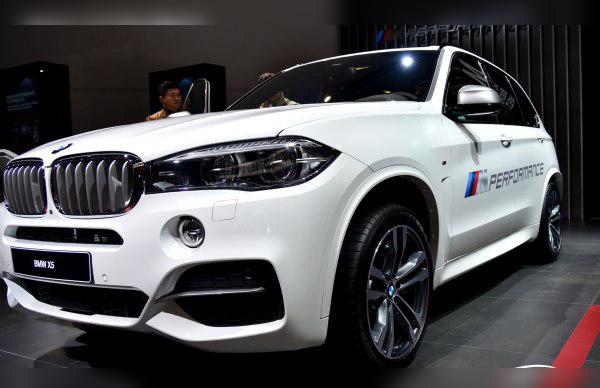
BMW N47D20D (218 HP) – Experiences, problems, fuel consumption and used-car buying tips
Key points (TL;DR)
- Powerful and efficient: Combines fantastic performance (218 HP, 450 Nm) with relatively low fuel consumption.
- Timing system: The engine uses a timing chain located at the rear of the engine, which requires attention and an expensive replacement once it stretches.
- Two turbochargers: The use of a small and a large turbo eliminates turbo lag, but doubles the potential failure costs.
- EGR and DPF system: Predominantly city driving will inevitably lead to clogging and potentially dangerous failures of the EGR cooler.
- Gearbox: The 8-speed ZF automatic gearbox is by far the best option, provided the oil has been changed regularly.
- Who it’s for: Drivers who spend a lot of time on the highway and want six-cylinder-like performance with four-cylinder registration and fuel costs.
Contents
- Introduction: A star among 2.0‑liter diesels
- Technical specifications
- Reliability and maintenance
- Specific components (costs)
- Fuel consumption and performance
- Additional options and modifications
- Gearbox and drivetrain
- Buying used and conclusion
Introduction: A star among 2.0‑liter diesels
BMW’s engine designated N47D20D represents the pinnacle of development of the well-known N47 family. Delivering a strong 218 HP and 450 Nm of torque from just two liters of displacement, this engine has taken over the role once held by smaller six‑cylinder units. BMW’s goal was clear: to offer a downsized engine that provides top‑class acceleration while significantly reducing weight over the front axle (which improves handling and steering response) and, of course, lowering emissions.
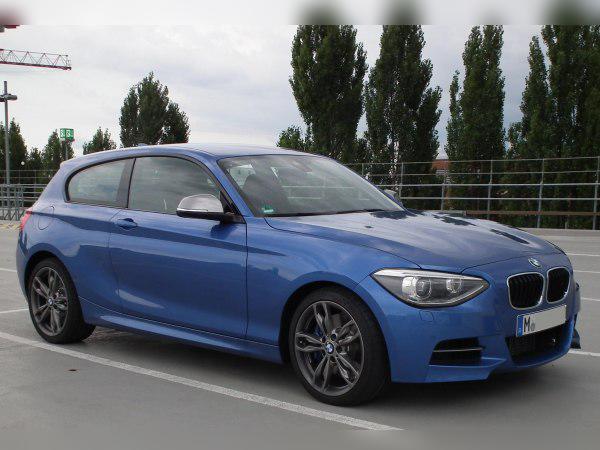
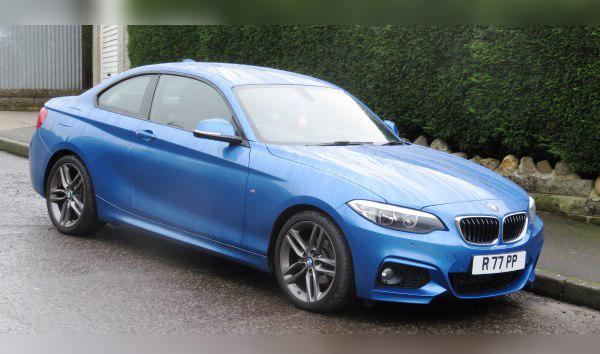
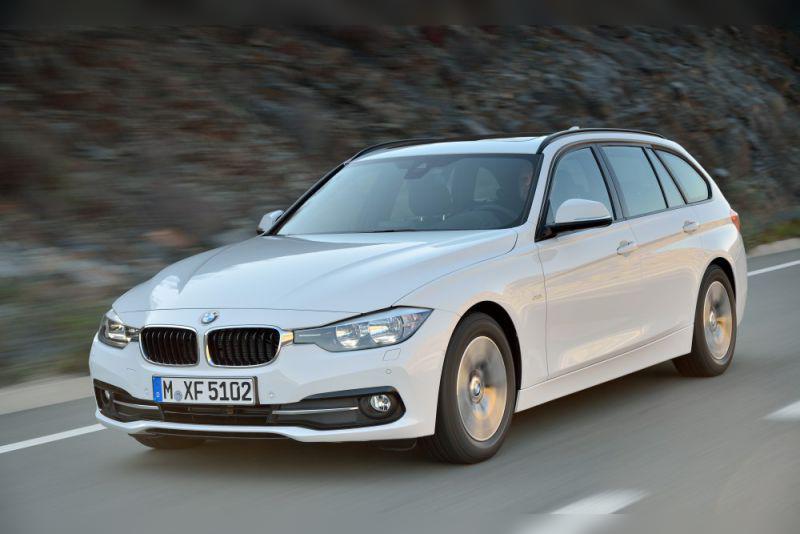
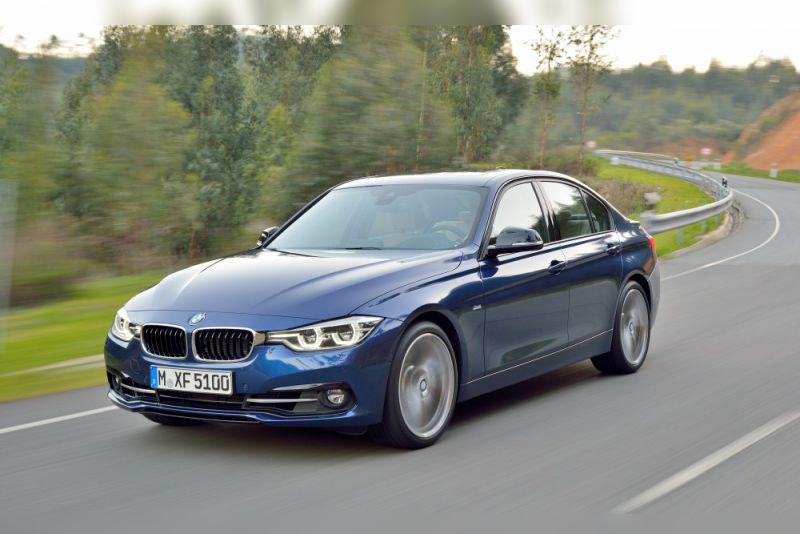
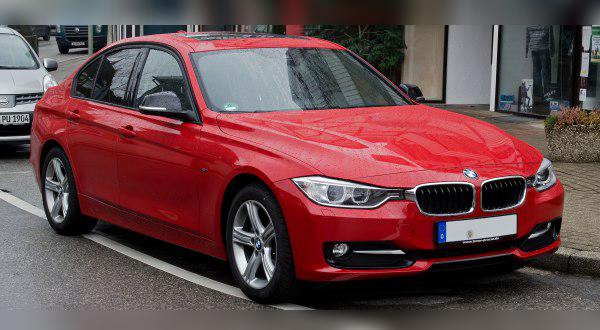
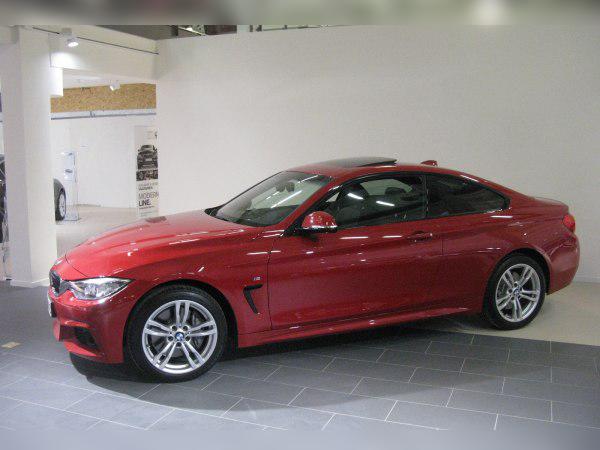
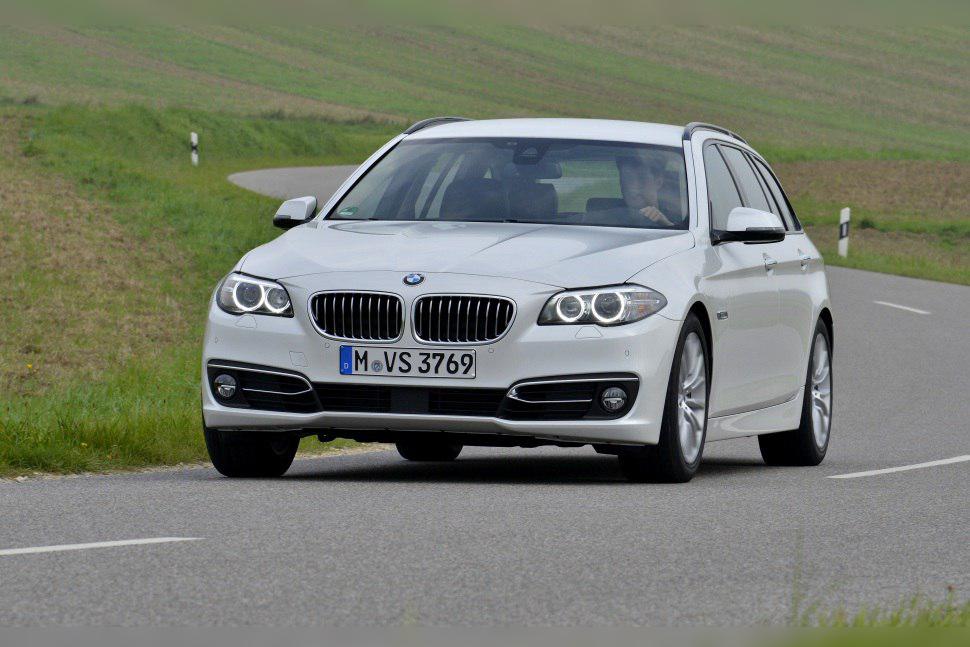
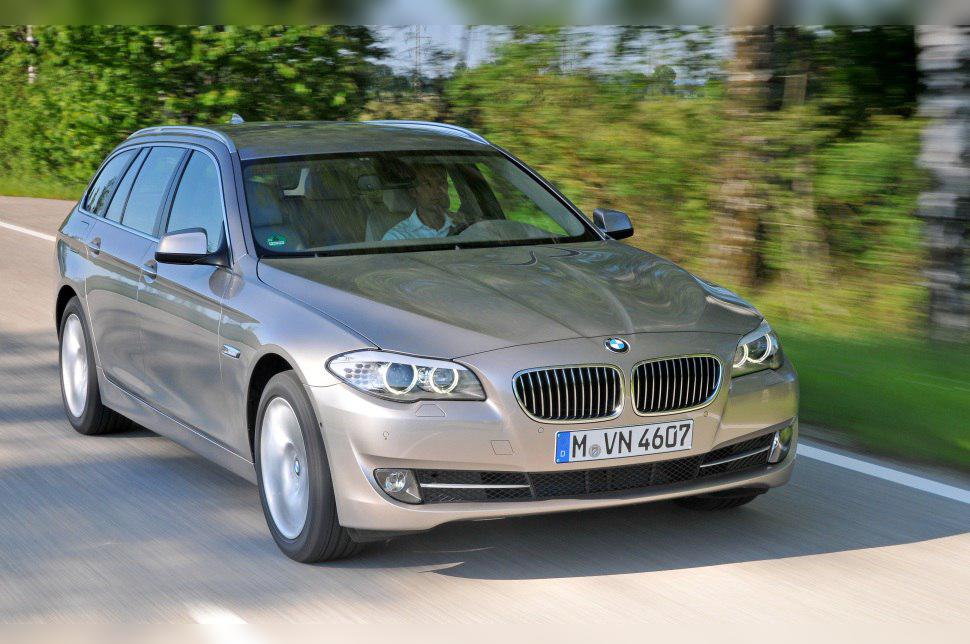
It was installed in a very wide range of vehicles – from the small and agile 1 Series (F20/F21), through the 3 and 4 Series, the iconic business 5 Series (F10/F11), all the way to SUVs such as the X1 and the heavy X5 (F15). Because of this versatility, its durability and behavior largely depend on which body style it spent its life in and how it was driven.
Technical specifications
| Parameter | Specification |
|---|---|
| Displacement | 1995 cc |
| Power | 160 kW (218 HP) |
| Torque | 450 Nm |
| Engine code | N47D20D |
| Injection type | Common Rail (Direct injection) |
| Aspiration | Twin-turbo (Two turbochargers – small and large), intercooler |
| Fuel | Diesel |
Reliability and maintenance
The main topic in any discussion about the N47 engine is its timing system. This engine uses a timing chain, not a belt. However, the engine architecture is such that the chain is located at the rear, facing the gearbox and the cabin. This makes the job much more difficult for mechanics. The chain on N47 engines tends to stretch. The symptoms of a stretched chain are quite specific: on a cold start (and later even at operating temperature) the driver will hear a metallic rattling, “hissing” sound that follows engine revs. If the chain snaps, the pistons and valves collide, which means catastrophic engine damage.
The manufacturer has not specified an exact interval for the major service (replacement of the chain, tensioners, guides and sprockets), but in practice it is necessary to do this preventively between 150,000 and 200,000 km. The cost of this service is very high (depends on the market), because it often requires removing the engine from the car or taking out the entire gearbox.
For regular maintenance, the engine takes approximately 5.2 liters of engine oil, and the recommended grade is 5W‑30 that meets the BMW LL‑04 specification. Although the factory states long service intervals, the experienced advice is to change the oil every 10,000 to 15,000 km at most, in order to protect the turbochargers and the chain. Normal oil consumption is considered to be around 0.2 to 0.5 liters per 5,000 km, but this heavily depends on driving style. If the engine consumes more than 1 liter over a couple of thousand kilometers, it usually points to worn piston rings or failed bearings in one of the turbochargers.
Specific components (costs)
Injection system and high-pressure pump
The engine uses a Common Rail system with highly precise piezo injectors. The injectors are extremely durable and, with good-quality fuel and regular fuel filter changes, can last well over 250,000 km. However, they are sensitive to water and contaminants, and refurbishing piezo injectors is complicated and expensive (depends on the market). The worst-case scenario in the fuel system is failure of the high-pressure pump (the infamous Bosch CP4 pump). As it wears, it creates metal shavings that circulate through the entire system and destroy the injectors and fuel lines. The symptoms are the engine stalling while driving and not being able to restart.
Two turbochargers
Unlike the lower-output versions of the N47 engine, the N47D20D features a sequential twin‑turbo system. This means it has a small turbo that works at low revs for quicker throttle response, and a large turbo that takes over at higher revs. Their lifespan is around 200,000 km, but they can fail much earlier if the oil is not changed on time. Repairing or replacing such a system is very expensive (depends on the market). Whistling when you press the accelerator or black smoke under acceleration are clear signs that the turbos are nearing the end of their life.
DPF, EGR and AdBlue
This engine in every iteration is equipped with a DPF filter and an EGR valve with a cooler. The biggest issue is the EGR cooler, which can start leaking over time. Besides the loss of coolant (antifreeze), the danger lies in the antifreeze mixing with hot exhaust gases and soot, which in some cases has led to intake manifold fires and even vehicle fires (BMW issued major recalls because of this). If you notice the coolant level dropping without visible traces under the car, check the EGR cooler immediately.
As for the AdBlue system, it is mostly found on newer model years with Euro 6 standards (such as the BMW X5 F15). The system can be troublesome; NOx sensors, the heater in the tank or the AdBlue pump often fail. Repairing these components is expensive (depends on the market). Maintenance involves regularly topping up high-quality AdBlue fluid and occasionally using additives that prevent fluid crystallization.
Fuel consumption and performance
One of this engine’s strongest points is the balance between fuel consumption and performance. Real‑world city fuel consumption varies depending on the chassis: in the lighter 1 Series (125d) it is around 7.5–8.5 l/100 km, while in a heavy SUV like the X5 (25d) it can exceed 10 l/100 km.
Is the engine “lazy”? Absolutely not. With 450 Nm of torque available from very low revs, in the 1, 2, 3 and 4 Series it behaves like a sports car. In the 5 Series (525d) it is the ideal choice for a business sedan, while only in the BMW X5 can you feel some strain during sudden uphill overtakes, purely due to the vehicle’s weight and aerodynamic drag.
On the highway it is brilliant. When paired with the 8‑speed automatic, at 130 km/h the engine cruises at a very relaxed ~1800–2000 rpm (depending on the differential ratio specific to the model). Highway fuel consumption can drop below 6 l/100 km in more aerodynamic saloons.
Additional options and modifications
Since this is a diesel unit with high potential, it is very popular for “chipping” (remap / Stage 1). It leaves the factory with 218 HP, and with a basic software tune it can safely be raised to 260–270 HP and over 500 Nm of torque.
However, before any power increase, it is MANDATORY to check the condition of the chain, DPF and injection system. More torque puts additional stress on the dual‑mass flywheel and the automatic gearbox, so it is recommended to optimize the gearbox software as well (the so‑called xHP flash) so it can handle the higher load without clutch slip inside the transmission.
Gearbox and drivetrain
The N47D20D can be found paired with a 6‑speed manual or an 8‑speed ZF automatic gearbox, and with rear‑wheel drive (sDrive) or all‑wheel drive (xDrive).
Manual gearboxes are robust, but they use a dual‑mass flywheel that is subjected to huge loads due to the 450 Nm of torque. Symptoms of wear include strong vibrations when moving off from a standstill and jolts when switching the engine off. A complete clutch kit with a dual‑mass flywheel is quite expensive (depends on the market).
The automatic gearbox (ZF 8HP) is an engineering masterpiece and is highly recommended with this engine. It is extremely fast and smooth. It does not have a conventional dual‑mass flywheel that fails like on the manual (it uses a torque converter instead). However, BMW often claims that the oil in it is “lifetime”, which is a big mistake. The oil in the automatic gearbox, together with the filter (oil pan), needs to be changed every 80,000 to 100,000 km. If this is neglected, the “mechatronics” (valve body) fails, and the symptoms are jerks during gear changes, especially from second to first when coming to a stop. Repairing this is very expensive (depends on the market).
Note for xDrive: On models with all‑wheel drive, it is essential to change the oil in the transfer case (VTG) regularly and to use tyres of identical circumference, otherwise the transfer case will fail very easily.
Buying used and conclusion
When buying a used BMW with the N47D20D engine, you need to be extremely careful and pragmatic. What exactly should you check?
- Cold start: Ask the seller not to start the car before you arrive. Listen to the first 5–10 seconds of operation. Any rattling from the rear of the engine means you are in for an expensive major service (chain).
- Diagnostics: Read injector values, boost pressure and, most importantly, the condition of the DPF filter (when the last regeneration was performed and what the pressure before the filter is).
- Visual inspection and driving noise: Whistling while driving indicates a problem with the small or large turbo. Jerking at steady throttle can point to a clogged EGR. A feeling of hesitation from the gearbox on the highway means an issue with the ZF unit.
- VIN check: Ask an authorized dealer to check whether the car was subject to the EGR cooler recall and whether the issue was resolved.
Final verdict: The 218 HP N47D20D is an incredibly fun and efficient engine. However, it is not a cheap engine to maintain. Because of the two turbochargers, the specific timing chain setup and the sensitive fuel system, buying a poorly maintained example will turn into a financial nightmare. If you find a car with a proper service history, where the chain and gearbox oil have already been replaced, you will get a perfect cruiser that can match much more powerful engines in performance, while still putting a smile on your face at the fuel station.