BMW N55B30A (320 hp): Experiences, problems, fuel consumption and used-buying tips
- Key points (TL;DR):
- Successor to the famous N54 engine, switching from two turbos to a single TwinScroll turbo for better reliability, while keeping serious performance.
- The plastic high-pressure charge pipe is a factory weak point and must be replaced with an aluminum one, especially if the car is being tuned.
- The timing drive uses a chain. It is not prone to frequent failure, but should be checked after 150,000 km.
- Common issues include oil leaks (valve cover, oil filter housing) and sudden failures of the electric water pump.
- The phenomenal 8-speed ZF gearbox paired with this engine offers a perfect balance for daily driving and highway cruising.
- Not recommended for LPG (autogas) conversion due to the complex direct injection system.
Contents
- Technical specifications
- Reliability and maintenance
- Specific parts (costs)
- Fuel consumption and performance
- Additional options and modifications
- Gearbox
- Buying used and conclusion
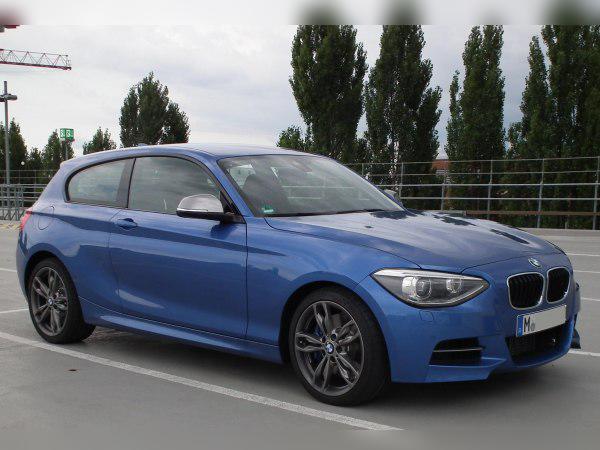
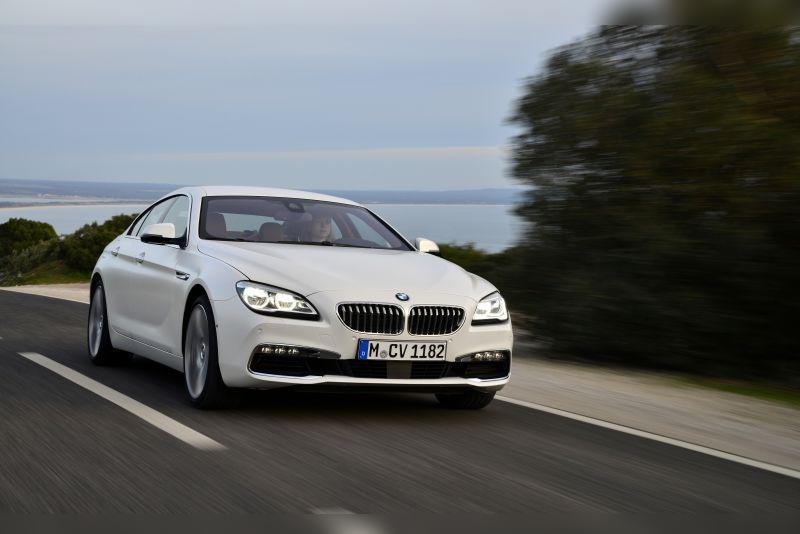
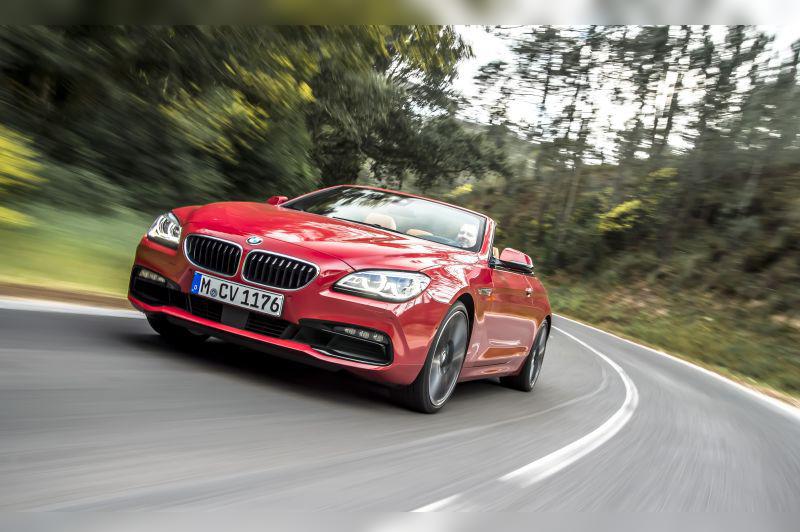
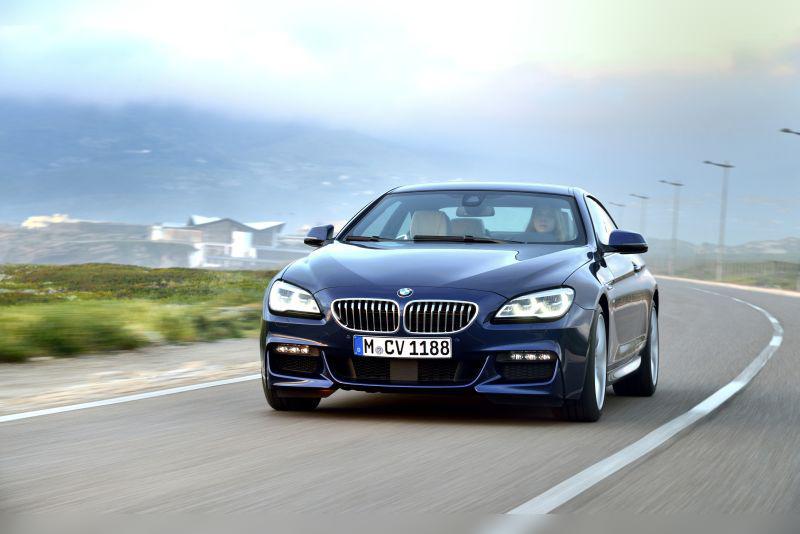
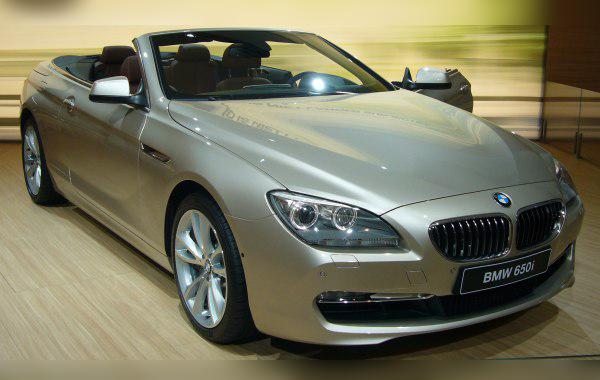
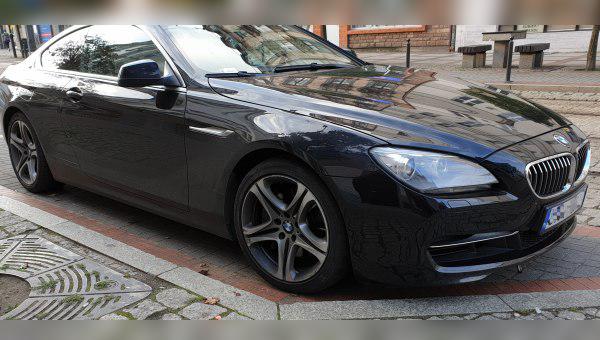
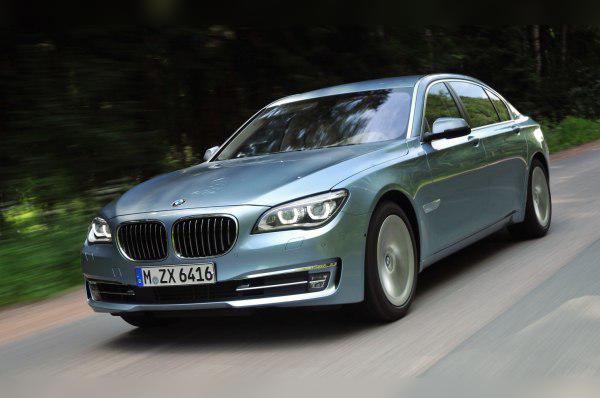
The BMW N55B30A engine is an inline six-cylinder gem that bridges the gap between regular engines and true “M” powerplants. It was installed in a very wide range of body styles – from the compact and aggressive M135i (F20/F21), through the elegant 6 Series (F06, F12, F13), all the way to the luxurious 7 Series (F01/F02). BMW’s goal with the N55 generation was clear: fix the reliability issues of its predecessor (the twin-turbo N54 with piezo injectors) while keeping the brutal power. The result is an engine that drives beautifully, sounds great, but like every modern high-performance Bavarian unit, it demands meticulous maintenance.
Technical specifications
| Parameter | Data |
|---|---|
| Engine code | N55B30A |
| Displacement | 2979 cc (3.0L) |
| Power | 235 kW (320 hp) |
| Torque | 450 Nm |
| Fuel type | Petrol (Gasoline) |
| Injection type | Direct (solenoid injectors) |
| Intake and boost | TwinPower Turbo (TwinScroll) + intercooler |
Reliability and maintenance
Timing chain or timing belt?
This engine uses a chain to drive the camshafts, located at the front of the engine. Unlike the notorious N47 diesels, the chain on the N55 is much more robust. There is no classic “major service” at a fixed mileage. The condition of the chain, guides and tensioner is checked visually and via diagnostics (camshaft angles). If you hear rattling from the engine bay on a cold start, that’s a symptom of a stretched chain and replacement is then mandatory, usually at mileages above 150,000–200,000 km. The cost of this job is high (depends on the market).
Most common failures and symptoms
Although better than its predecessor, the N55 has its own “childhood diseases” every owner should know about:
- Charge pipe (boost pipe) failure: The factory plastic pipe that carries air from the intercooler to the intake is extremely brittle. Over time, due to heat and pressure, it simply cracks. Symptoms are a sudden loss of power, a loud hissing sound under throttle, and a “Drivetrain malfunction” warning on the screen.
- Electric water pump and thermostat: They typically last between 100,000 and 130,000 km. The problem is that the water pump usually fails suddenly, without warning, causing immediate overheating (first a yellow, then a red temperature warning light). They are always replaced as a pair and this represents a serious expense – very expensive (depends on the market).
- Oil leaks: The N55 loves to seep oil from three places: the valve cover gasket, the oil filter housing, and the oil pan. A leak at the oil filter housing is particularly dangerous because oil can drip onto the accessory belt, which can then slip, get pulled under the crankshaft pulley and into the engine – causing total engine failure.
- Valvetronic system: The eccentric shaft and electric motor that control valve lift can wear out. Symptoms include rough idle, hesitation and loss of power.
Oil and service intervals
The engine takes 6.5 liters of oil. The recommended viscosity is 5W-30 or 5W-40 (with BMW LL-01 or LL-04 specification). The LL stands for Long-Life, but if you want this engine to last, forget the factory 30,000 km interval! Oil must be changed every 10,000 to 15,000 km at most, especially for proper turbo lubrication and cooling.
Oil consumption: Direct injection and turbocharging take their toll. It is normal for this engine to consume up to 1 liter of oil per 5,000 km. If it uses more than that, the problem is usually the oil separator (PCV valve integrated into the valve cover, meaning the entire cover must be replaced), or, more rarely, worn piston rings.
Spark plugs and ignition
Since this is a highly turbocharged petrol engine, the spark plugs are under heavy load. They should be replaced every 50,000 to 60,000 km. If the car is tuned, the interval is shortened to 30,000 km, and one heat range colder plugs are often installed (e.g. from M models). Ignition coils often fail together with the plugs; symptoms are misfires and jerking under full throttle.
Specific parts (costs)
Dual-mass flywheel and clutch
Yes, versions with a manual gearbox do have a dual-mass flywheel. Its job is to dampen the large torsional vibrations of the 450 Nm inline-six. When it starts to fail, you will feel shuddering when taking off from a standstill and hear metallic rattling when shutting the engine off. Replacing the clutch kit together with the flywheel is expensive (depends on the market).
Fuel injection system
The engine uses high-pressure direct injection (HPFP). The N55 is equipped with Bosch solenoid injectors. They are significantly more reliable than the piezo injectors in the older N54 engine, but after 150,000+ km they can start to “dribble” fuel (not sealing properly), which leads to cylinder wash, rough running and dilution of engine oil with petrol.
Turbocharger
Even though the name says “TwinPower”, this is not a twin-turbo system. The N55 has a single large turbocharger with TwinScroll technology (the turbine housing has two exhaust gas channels for quicker response). Its lifespan is excellent if you change the oil regularly – it will usually last between 150,000 and 200,000 km without issues. When the turbo bearing fails, it starts consuming oil, blowing bluish smoke from the exhaust and losing power. Rebuilding or replacing it is very expensive (depends on the market).
Emissions (DPF, EGR, AdBlue)
Since this is a petrol engine, it has no DPF filter and no AdBlue system. It also doesn’t have a classic EGR valve like diesels, because internal exhaust gas recirculation is handled via the Valvetronic and VANOS systems (valve overlap). However, the engine has a sensitive PCV system (oil vapor separator) and catalytic converters in the downpipe which, over time (200,000+ km), can lose efficiency and trigger a Check Engine light.
Fuel consumption and performance
City driving
Real-world city fuel consumption depends heavily on the body style. In the lighter BMW M135i, consumption will be between 12 and 14 l/100 km. However, if this engine is pulling a heavy 7 Series (740Li xDrive), in stop-and-go city traffic you can easily expect 15 to 17 l/100 km.
Response and power (Is it lazy?)
There is nothing lazy about it. With 450 Nm of torque available from an incredible 1,300 rpm (practically from idle), the N55 pulls like a diesel from low revs, yet sings and builds power all the way to 7,000 rpm like a proper petrol engine. In the 1 Series (M135i), this engine turns the car into a rocket on wheels. In a heavy 7 Series or 6 Series Gran Coupe, it is more than adequate, providing luxurious and very strong acceleration, although of course it loses some of the brutal agility it has in the “1er”.
Highway behavior
On the open road this engine really shines. Paired with the 8-speed automatic, it cruises at 130 km/h at a very low ~2,000 to 2,200 rpm in 8th gear. In this mode, fuel consumption drops significantly to a very acceptable 7.5 to 9 l/100 km, and the cabin remains quiet with the engine barely working.
Additional options and modifications
LPG (autogas) conversion
Strongly not recommended. Due to the high-pressure direct injection and Valvetronic system, a classic sequential LPG system is not an option. You would need a liquid-phase LPG injection system that uses the petrol injectors, which is technologically complex and extremely expensive (very expensive, depends on the market), so the investment simply doesn’t pay off given the risks and loss of reliability.
Chip tuning (Stage 1 remap)
The N55 is an excellent platform for modifications. Without opening the engine, with just a software remap (Stage 1), power can easily be raised from 320 hp to 360–380 hp and over 520 Nm of torque. However, there is a golden rule: Before any tuning, you MUST replace the factory plastic charge pipe with a reinforced aluminum one, because the plastic pipe will explode under increased turbo pressure within the first few days of driving!
Gearbox
Types of gearboxes and failures
Two excellent gearboxes were offered with the N55:
- 6-speed manual: Mostly reserved for M135i enthusiasts. The gearbox itself is virtually indestructible, provided the oil is changed. Failures are related to wear items: clutch kit and dual-mass flywheel.
- 8-speed ZF automatic (8HP45 / 8HP70): This is probably the best automatic gearbox in the industry. It shifts quickly, smoothly and is extremely intelligent. Failures occur only if the gearbox is not maintained. Symptoms of a neglected automatic are jerks when shifting from P to R or D, and harsh downshifts when coming to a stop (e.g. from 3rd to 2nd gear).
Gearbox service
Do not believe the stories about “lifetime fill” oil. The ZF automatic gearbox requires servicing every 80,000 to 100,000 km. Proper maintenance includes replacing the entire oil pan (with integrated filter) and using the specific ZF oil. The cost of this service is similar to a more expensive regular service, but it saves a gearbox that costs a small fortune if it fails (not cheap, depends on the market).
Buying used and conclusion
What to check before buying?
- Cold start: The engine must be completely cold when you come to see the car. Listen under the hood for the first 5 seconds. Metallic rattling points to the chain, while irregular and choked running until the idle settles can indicate injector issues or valve carbon build-up.
- Checking for leaks: Reach your fingers or a mirror around the oil filter housing. If you see fresh oil there, be cautious – it must be fixed immediately so the belt doesn’t carry oil into the engine.
- Water pump: Always connect BMW-specific diagnostics (ISTA). The electric pump often stores “shadow” codes (hidden communication loss errors) before it completely fails.
- Test drive: Watch the tachometer at idle – the needle must be rock steady. If it fluctuates, Valvetronic or a vacuum leak may be the cause. Then, under full throttle, the car must pull linearly without any hesitation.
Who is this engine for?
The 320 hp BMW N55B30A is an engine for connoisseurs and enthusiasts of serious driving who understand that owning top-tier German engineering comes at a cost. It is not for someone who just wants to “fill up and drive”. It needs quality oil, timely attention to seals and hoses, and a good mechanic who knows Bavarian engines. If you provide that, it will reward you with sound, elasticity and acceleration that take your breath away, especially when installed in a light and playful model like the M135i.