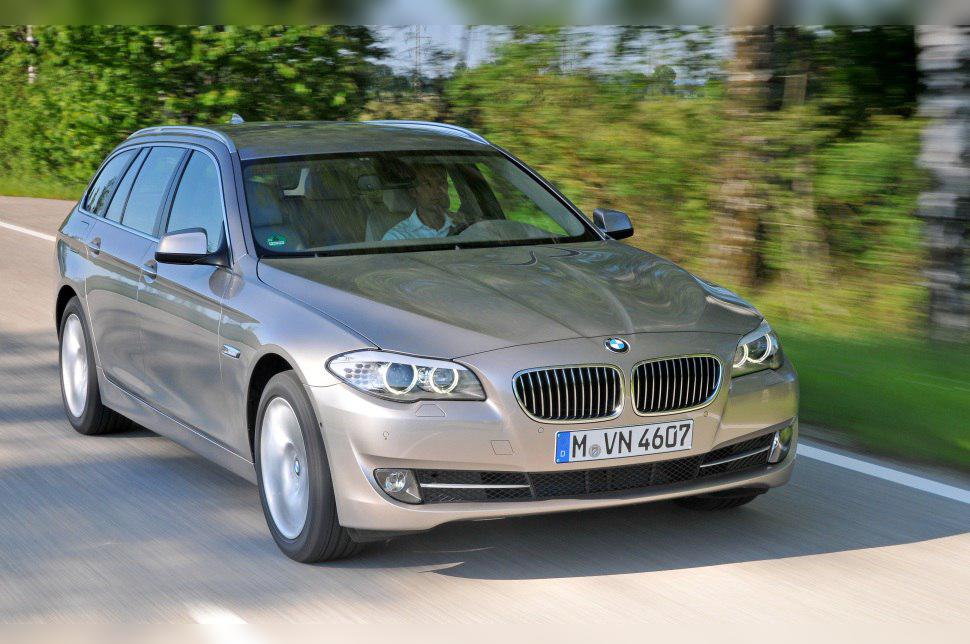
BMW N57D30A (204 HP) engine: Experiences, problems, fuel consumption and used car buying tips
Key points (TL;DR)
- Performance and longevity: A refreshed, “detuned” version of the famous 3.0-liter inline-six that is under significantly less stress than the more powerful variants.
- Timing chain: The engine uses a chain located at the rear side of the engine, towards the gearbox, whose replacement is complex and very expensive (Depends on the market).
- Emissions systems: DPF and EGR systems are sensitive to exclusively city driving, which leads to soot buildup in the intake manifold.
- Tuning potential: A fantastic engine for a Stage 1 remap, as it mechanically shares its base with much more powerful 30d versions.
- Transmissions: ZF automatic gearboxes (especially the 8-speed in the F series) are excellent, but require regular oil changes every 80,000 to 100,000 km.
Contents
- Introduction: Successor to a legend and a hidden gem
- Technical specifications
- Reliability and maintenance
- Specific components and costs
- Fuel consumption and performance
- Additional options and modifications
- Transmission and drivetrain
- Buying used and conclusion
Introduction: Successor to a legend and a hidden gem
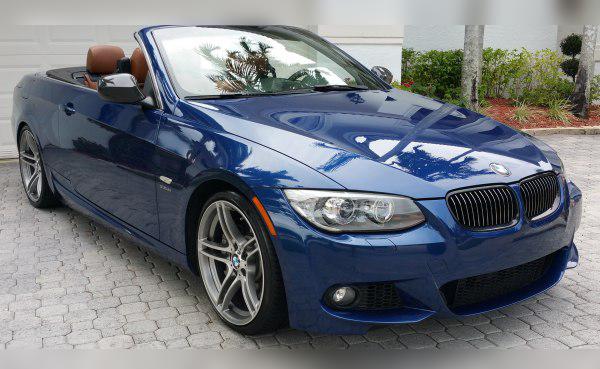
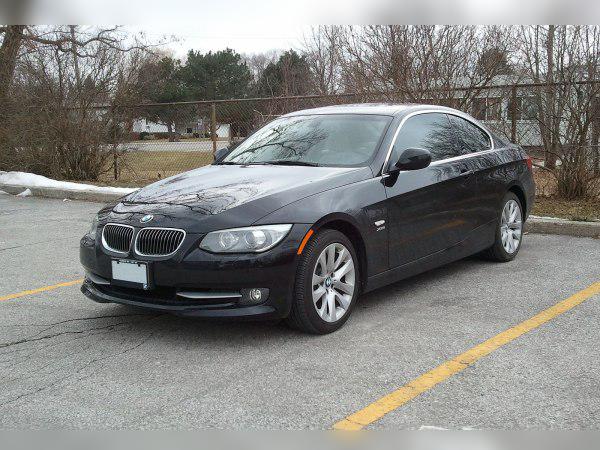
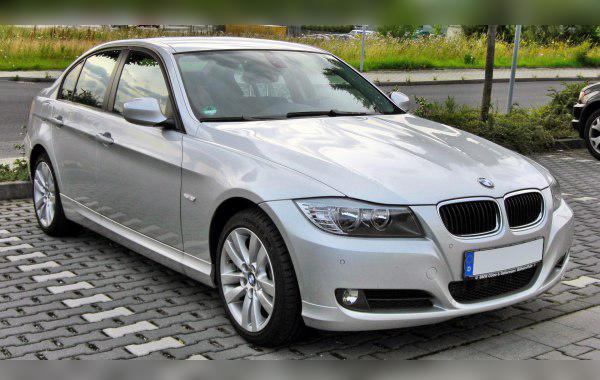
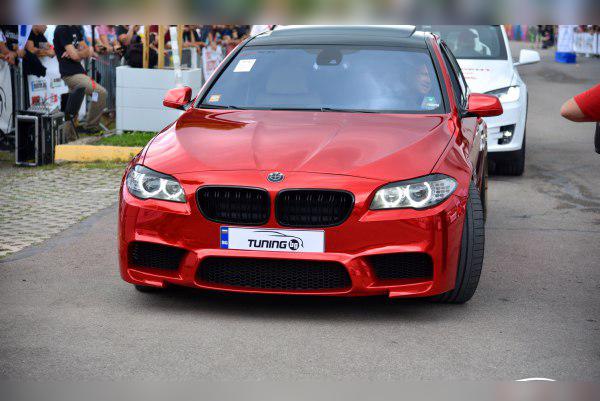
When BMW transitioned from the legendary M57 engine to the newer N57 generation, engineers focused on reducing weight, improving efficiency and meeting stricter emissions standards. The engine block is made of aluminum, and operation became significantly more refined. The engine designated N57D30A in the 150 kW (204 HP) version is specific in that it was installed under the badges 325d (E90/E92/E93 facelift) and 525d (F10/F11). Although it carries the “25d” badge, under the hood hides a full-blooded three-liter inline-six. This is exactly what makes it one of the most desirable choices for drivers who want longevity – an engine with this displacement and relatively low “factory” output runs completely unstressed.
Technical specifications
| Parameter | Value |
|---|---|
| Displacement | 2993 cc |
| Power | 150 kW (204 HP) |
| Torque | 450 Nm |
| Engine code | N57D30A |
| Injection type | Common Rail (Piezo injectors) |
| Aspiration | Variable-geometry turbocharger (VGT), intercooler |
Reliability and maintenance
One of the main questions for every buyer is the camshaft drive. This engine uses a timing chain, not a timing belt. The problem with the N57 generation (as well as the smaller N47) is that the chain is located at the rear of the engine, next to the firewall. Because of this, replacing the chain requires removing the engine from the car or lowering the entire front subframe with the gearbox, which significantly increases labor cost. A rattling noise from the chain at cold start is the first symptom of stretching. If the chain snaps while driving, the consequences for valves and pistons are catastrophic. Replacement of the so‑called “major timing service” (chain set, guides and tensioners) is done preventively at around 150,000 to 200,000 km.
For a regular minor service you need approximately 7.2 liters of engine oil. A 5W-30 or 5W-40 grade that meets BMW LL-04 specification is recommended (Low SAPS oils due to the DPF filter). The oil change interval should by no means follow the factory 30,000 km; experienced mechanics recommend changing it every 10,000 to 15,000 km to protect the turbocharger and chain. Oil consumption of up to 0.5 liters per 10,000 km is considered normal. Anything above that may indicate worn piston rings, excessive oil vapors (oil separator) or leakage at the turbocharger shaft.
As for the injectors, the engine uses sophisticated Piezo injectors. Their service life is usually over 200,000 km, depending on fuel quality. The first symptoms of failing injectors are rough idle, increased exhaust smoke and difficult cold starts.
Specific components and costs
Like every modern diesel, this engine is equipped with a dual-mass flywheel, regardless of whether it is paired with a manual or automatic gearbox (although in automatics it is integrated differently within the torque converter, manual gearboxes definitely have it as a separate and sensitive component). Replacing the dual-mass flywheel together with the clutch kit is very expensive (Depends on the market), and the symptoms of wear are strong vibrations when starting/stopping the engine and “kicking” of the clutch pedal halfway through its travel.
The injection system uses the well-known Bosch CP4 high-pressure pump. Unfortunately, this pump is sensitive to poor diesel quality. If it runs without adequate lubrication (e.g. driving “on reserve” or with bad fuel), the pump can start producing metal shavings that travel through the entire fuel system, destroying the injectors. Repairing this failure is very expensive (Depends on the market).
The engine has a single variable-geometry turbocharger. Turbo lifespan is excellent if you change the oil regularly and let the engine idle for a couple of minutes after spirited driving so the shaft can cool down. A DPF filter and EGR valve are mandatory components on this engine. Driving exclusively in the city will inevitably lead to DPF clogging and soot buildup in the EGR and intake manifold. Symptoms include loss of power, the engine going into limp mode (safety mode) and rising oil level in the sump due to failed regenerations. Regarding the AdBlue system, this specific 204 HP variant in earlier E90/F10 model years most often does not have an SCR system installed, which is a major relief for owners. However, the presence of an AdBlue system varies depending on production year and the strictness of local emissions regulations – a VIN check is required.
Fuel consumption and performance
In purely urban driving conditions, you can expect real-world consumption between 8 and 10 l/100 km. Body weight plays a major role – the F11 Touring is a fairly heavy car, so consumption will be at the upper end of that range. Many people wonder whether 204 HP is “lazy” for such a heavy car. The answer is: absolutely not. Thanks to the huge torque of 450 Nm available already at low revs, the engine pulls strongly, linearly and effortlessly.
Its true home is the open road. On the motorway, at a cruising speed of 130 km/h, the engine hums along at very low revs (especially when paired with the 8-speed ZF gearbox, where revs drop below 2000 rpm in eighth gear). Highway fuel consumption can drop to around 5.5 to 6.5 l/100 km, which makes this engine a fantastic “mile eater”.
Additional options and modifications
If there is an engine made for tuning (Stage 1), it is this one. The 204 HP N57D30A shares almost all of its mechanical components with the more powerful 245 HP models. This means it is software-limited from the factory. With a simple remap, this engine can safely reach between 280 and 300 HP, with torque exceeding 600 Nm. The difference in driving after the modification is dramatic, but you must pay attention to the condition of the timing chain and automatic gearbox before doing this.
Transmission and drivetrain
This engine was paired with 6-speed manual gearboxes, older 6-speed automatic gearboxes (Steptronic in the E series) and the brilliant 8-speed automatic gearbox (ZF 8HP) in the newer F series. Manual gearboxes are mechanically durable, but maintenance costs fall on the clutch disc and dual-mass flywheel. The most common manual gearbox issue is difficulty engaging first gear when cold.
When it comes to automatic gearboxes, ZF transmissions are a benchmark in the automotive industry. However, they are not maintenance-free as dealers once claimed. The gearbox may start to jerk when shifting or to slip if the oil and filter (integrated into the gearbox pan) have not been changed. Regular servicing of the automatic gearbox, which includes changing the oil and the gearbox pan, should be done every 80,000 to 100,000 km. If this is respected, the ZF gearbox will outlast the body shell.
Buying used and conclusion
Buying a used BMW with the N57D30A engine requires a cool head and a thorough inspection. Before you hand over your money, make sure to do the following:
- Cold start: The engine must be completely cold. Listen carefully to the rear of the engine immediately after starting; any rattling or scraping noise indicates a stretched chain.
- Diagnostics: Connecting to factory-level diagnostics is mandatory. Check injector corrections and the degree of DPF clogging (exhaust backpressure).
- Visual inspection for oil leaks: Sweating around the valve cover or oil filter housing is common.
Who is this engine for? This powerplant is ideal for drivers who cover high mileages on the open road and appreciate the refinement of a six-cylinder engine, but want lower fuel consumption and cheaper registration (in countries where power determines the price). It is an extremely durable engine, provided you buy it from an owner who has serviced it regularly. If you find a well-maintained example, proactively replace the chain set if you have no proof of previous replacement, refresh the oil in the gearbox and you will have one of the most well-balanced BMW drivetrains of the last decade.