BMW N57D30A (258 HP) – Experiences, problems, fuel consumption and used-car buying tips
- TL;DR – The most important points in brief:
- One of the most versatile and desirable 3.0 diesel engines in BMW’s recent history, offering an excellent balance of performance and fuel economy.
- It uses a timing chain mounted at the rear of the engine, which makes replacement labor-intensive.
- The most serious factory flaw concerns the EGR cooler (risk of coolant leaks and fire) – it is essential to check whether the factory recall has been carried out.
- The intake manifold suffers from soot build-up and issues with the swirl flaps.
- Pairs excellently with the ZF 8-speed automatic transmission, which is an industry benchmark for reliability.
- Maintenance is very expensive (Depends on the market), so this is not an engine for buyers on a tight budget.
Contents
- Introduction and basic information
- Technical specifications
- Reliability and maintenance
- Specific components and costs
- Fuel consumption and performance
- Additional options and modifications
- Transmission and power delivery
- Buying used and conclusion
Introduction and basic information
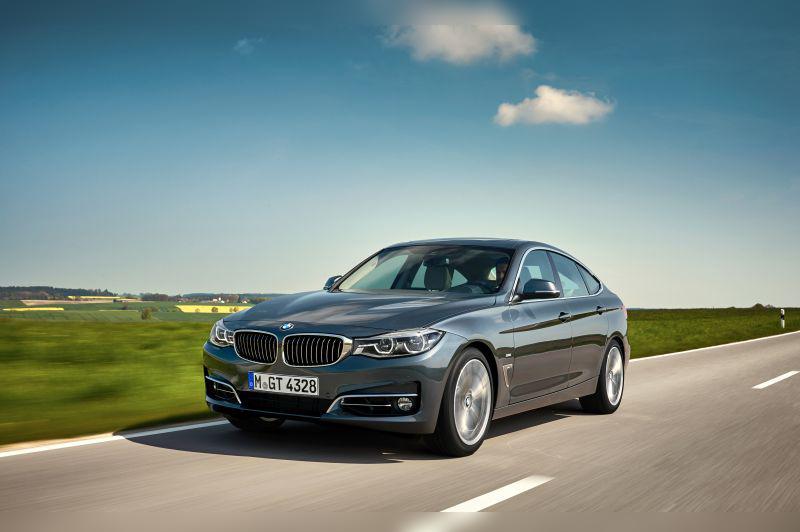
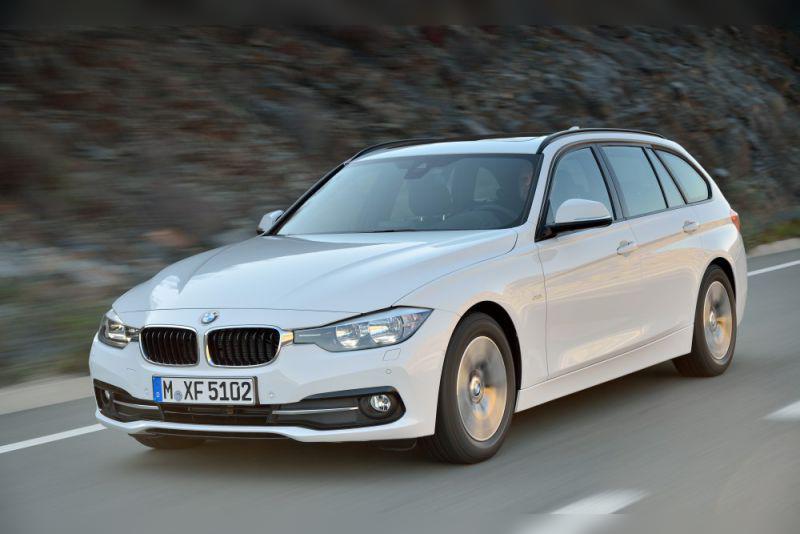
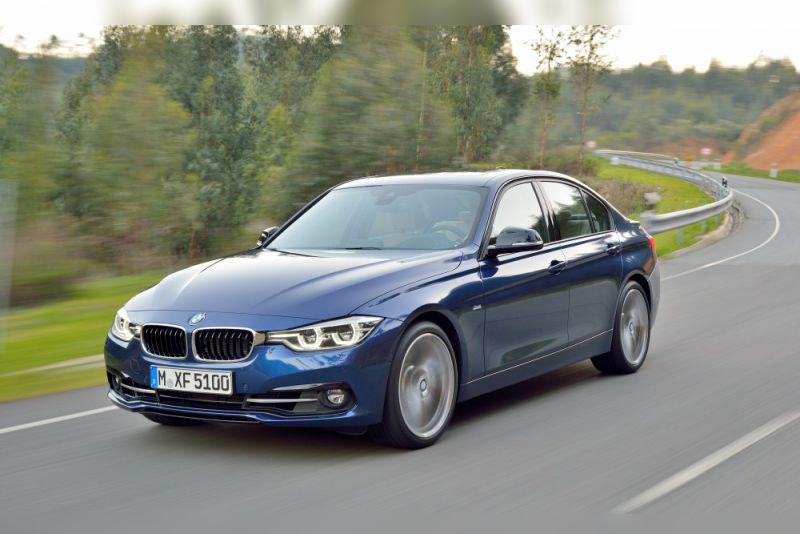
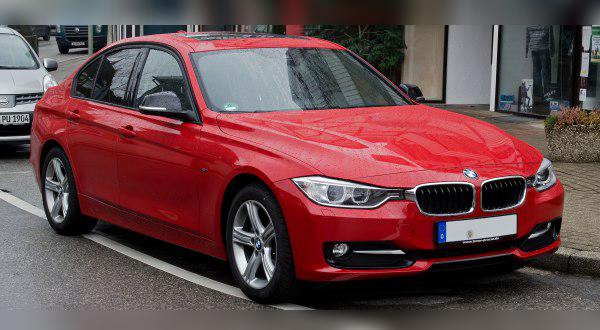
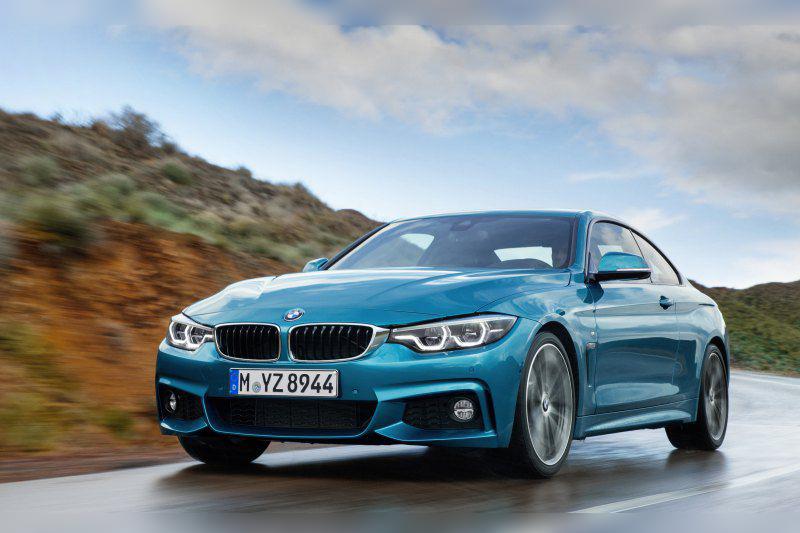
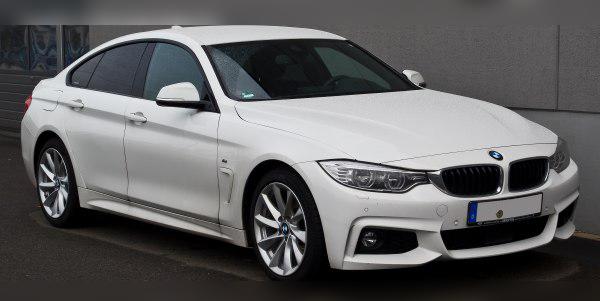
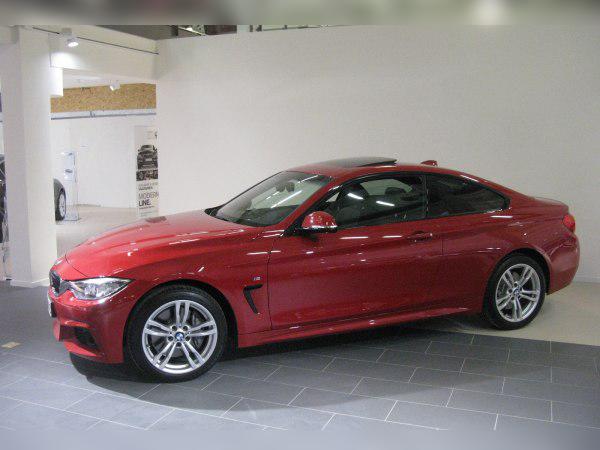
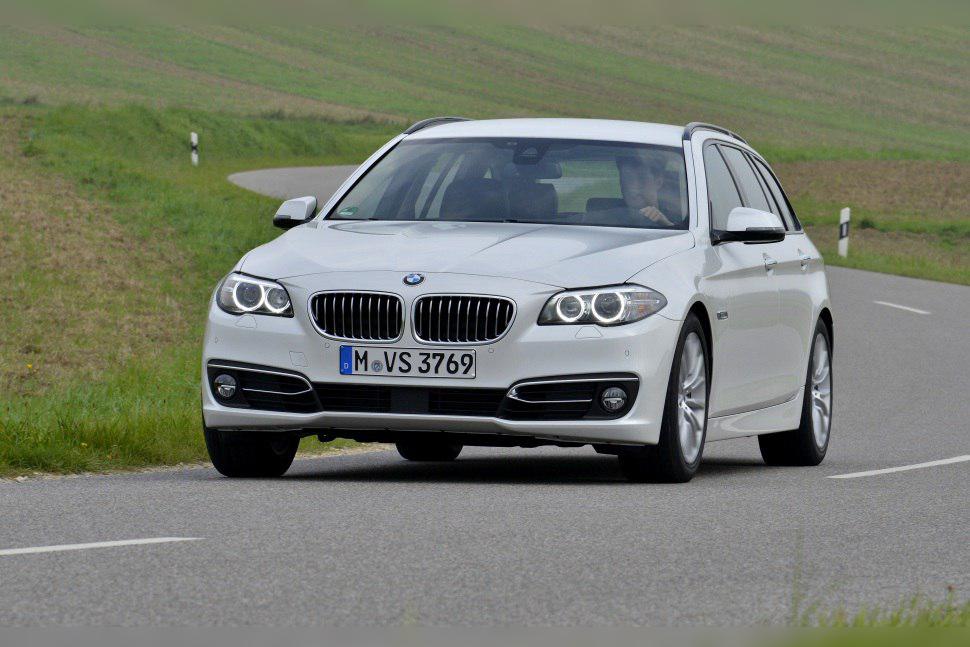
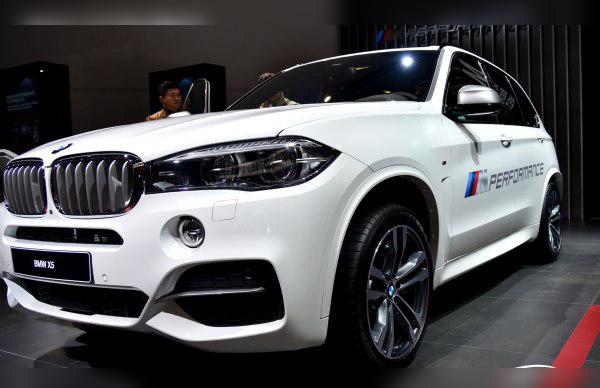
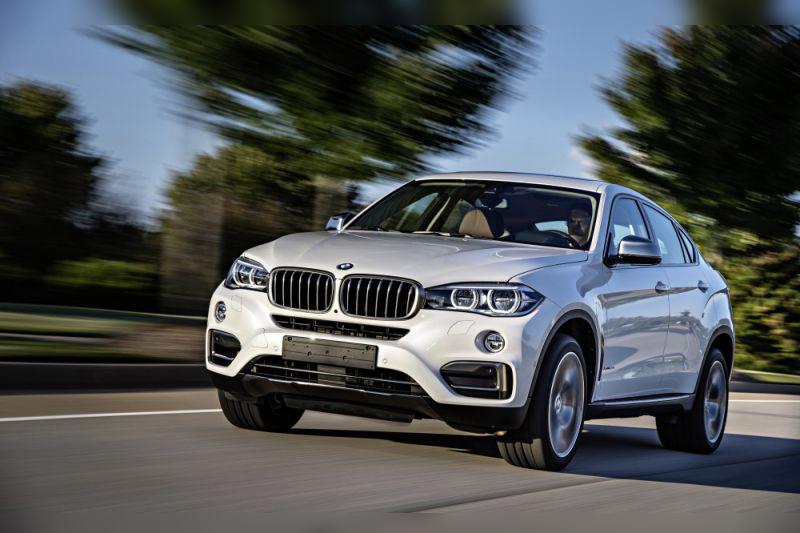
BMW’s inline six-cylinder diesel engine designated N57D30A, in its 190 kW (258 HP) version, is the backbone of the “F” generation of BMW vehicles produced between 2011 and 2018. It was installed in almost everything – from the sporty 3 and 4 Series, through the business-oriented 5 Series, all the way to large SUVs like the X5 and X6, as well as the luxury 7 Series. Its popularity lies in the fact that it offers massive torque with refined operation and surprisingly low fuel consumption for a three-liter engine. However, like any modern, complex diesel, it requires meticulous maintenance and does not tolerate improvisation.
Technical specifications
| Parameter | Value |
|---|---|
| Engine displacement | 2993 cc |
| Power | 190 kW (258 HP) at 4000 rpm |
| Torque | 560 Nm at 1500–3000 rpm |
| Engine code | N57D30A (N57T) |
| Injection type | Common Rail direct injection (Bosch Piezo) |
| Turbo system | Single turbo with variable geometry (TwinPower Turbo) + intercooler |
| Emissions standard | Euro 5 / Euro 6 (depending on model year) |
Reliability and maintenance
Timing system: Chain or belt?
This engine uses a timing chain to drive the camshafts and high-pressure fuel pump. What every mechanic and owner needs to know is that the chain is located at the rear of the engine (towards the firewall). This means that for a “major service”, i.e. preventive chain replacement, the engine has to be removed from the car or the transmission has to be completely taken out.
Most common failures
Although more robust than its smaller 2.0 N47 sibling, the N57D30A has several well-known “issues”:
- EGR cooler and valve: This is the biggest weak point. Over time, the EGR cooler develops micro-cracks and allows coolant to leak into the intake manifold. Combined with hot exhaust gases and soot, this has led to intake manifold fires and even complete vehicle fires. There is a large-scale factory recall for this problem.
- Intake manifold swirl flaps: They accumulate a thick layer of soot, get stuck, and in extreme and neglected cases can break off and enter the cylinder, causing total engine failure.
- Crankshaft pulley (harmonic balancer): Due to the high torque, the rubber damper in the crankshaft pulley cracks over time and can separate. Symptoms include a strong burning rubber smell and rough idle, along with loss of alternator drive.
- Crankshaft rod bearings: On engines that were driven hard when cold or where oil was changed at the factory (and absurd) 30,000 km intervals, rod bearings could spin.
Service intervals and oil
A classic “major service” (belts) is not performed, but timing chain replacement is recommended between 150,000 and 200,000 km for peace of mind. The first sign of a stretched chain is a characteristic metallic rattle on cold start or a scraping noise coming from the transmission area at around 1500–2000 rpm. The system holds between 6.5 and 7 liters of oil (depending on whether the car is rear-wheel drive or xDrive). Only fully synthetic oil of grade 5W-30 or 5W-40 that meets the BMW LL-04 specification is recommended. An oil service should be done strictly every 10,000 to a maximum of 15,000 km. As for oil consumption, a healthy engine practically does not consume oil. A loss of up to 0.5 liters between services is normal (it mostly evaporates through the crankcase ventilation/oil separator), but higher consumption points to worn piston rings or a turbocharger problem.
Injector lifespan
The fuel system uses advanced Bosch Piezo injectors. The injectors are generally excellent and very reliable, usually lasting over 250,000 km. However, they are sensitive to water contamination and poor fuel quality. Symptoms of bad injectors include rough idle, “clicking” under load, and black smoke under full throttle (if the DPF is not functioning).
Specific components and costs
Injection system and turbocharger
BMW markets this engine under the “TwinPower Turbo” name. It is important to clarify: this does not mean that the engine has two turbochargers. The 258 HP version (unlike the 40d/313 HP models) has a single turbocharger with variable geometry vanes (VGT) and a twin-scroll exhaust manifold design. Typical turbo lifespan is around 200,000 to 250,000 km. Turbocharger overhaul or replacement falls into the category – expensive (Depends on the market).
Dual-mass flywheel
Yes, this engine is equipped with a dual-mass flywheel from the factory. However, since over 95% of models with this engine are paired with an automatic transmission, instead of a classic dual-mass flywheel and clutch they use a torque converter, which is part of the transmission itself and is incomparably more durable.
Emissions: DPF, EGR and AdBlue
The DPF (diesel particulate filter) and EGR valve are standard. The EGR system is extremely problematic due to the aforementioned cooler. The DPF itself has a large capacity and rarely causes issues if the car is regularly driven on open roads. Problems arise when a 3.0 diesel is bought for city traffic – then the DPF clogs quickly. Newer models with this engine (Euro 6, from around 2014) are equipped with an AdBlue (SCR) system. It often causes headaches. The NOx sensors (there are two of them) frequently fail, as does the heater in the AdBlue tank. Repairing these emissions systems is very expensive (Depends on the market), so many irresponsible owners opt for software deletion, which is illegal.
Fuel consumption and performance
City vs. highway driving
For a six-cylinder three-liter engine, fuel consumption is impressively low, but don’t expect miracles in city traffic. Real-world consumption in pure city driving ranges from 8.5 to 11 l/100 km, depending on body style (a lighter 3 Series uses less than a heavy X5) and the xDrive system, which adds about 0.5 to 1 liter to average consumption.
On-road behavior and highway cruising
This engine is absolutely not sluggish. With 560 Nm available from just 1500 rpm, every body style it’s fitted to feels lively. In a BMW 330d F30 it delivers sports-car performance, while in a heavy X5 it enables safe and rapid overtaking on inclines. Its natural habitat is the highway. Thanks to the perfectly matched ZF 8-speed transmission, at 130 km/h in 8th gear the engine cruises at an unrealistically low 1700 to 1800 rpm. At that point, fuel consumption is around 6.0 to 6.5 l/100 km, and engine noise in the cabin is practically nonexistent.
Additional options and modifications
Tuning potential (Stage 1)
The engine block and injection system on the N57D30A are extremely robust and form an excellent platform for safe remapping. A typical software-only “Stage 1” remap, without any hardware changes, safely raises power from 258 HP to around 310 to 320 HP, while torque increases from 560 Nm to an impressive 650 to 680 Nm. If the engine has been properly maintained and the transmission and turbo are healthy, such a modification does not drastically shorten lifespan, but it will certainly require more frequent oil changes.
Transmission and power delivery
Types of transmissions and failures
Almost all models with this engine are paired with the automatic ZF 8HP 8-speed transmission. Manual 6-speed gearboxes are extremely rare at this power level and are usually found only in the earliest 3 Series versions.
- Automatic ZF8 transmission: Considered one of the best transmissions in the world. It shifts as quickly as a dual-clutch gearbox while being as smooth as a traditional automatic. The most common problems arise due to lack of maintenance. If the oil is not changed, the solenoids in the mechatronics unit fail, which manifests as harsh shifts from 1st to 2nd gear or a strong jolt when engaging “R” (reverse).
- Manual transmission: Failures are rare, but replacement of the clutch kit and dual-mass flywheel is very expensive (Depends on the market) because the engine produces enormous torque.
Transmission service
BMW officially claims that the oil in the automatic transmission is “lifetime”, but the transmission manufacturer (ZF) insists on regular servicing. The oil, pan (with integrated filter) and seals must be replaced every 80,000 to 100,000 km. Only with this kind of maintenance will the transmission outlast the engine.
Buying used and conclusion
What to look out for when buying?
When inspecting a used car with this engine, you must leave emotions aside and be as critical as possible:
1. Cold start: Ask the seller not to start the car before you arrive. At the first cold start of the day, listen carefully. Any sound of “scraping” from the chain or metallic rattling means an expensive timing chain replacement is ahead.
2. EGR and coolant: Check the coolant level and ask whether the BMW factory recall for the EGR cooler has been carried out. This can be checked free of charge at an authorized dealer using the VIN.
3. Diagnostics (Mandatory!): DPF parameters (backpressure and ash content), injector corrections and turbo pressure must be read with dedicated BMW diagnostics while driving.
4. Check for leaks: The engine tends to weep oil from the valve cover and intercooler pipe joints.
5. Transmission test: Accelerate gently, then suddenly apply more throttle. The transmission should shift imperceptibly. Jerks indicate a problem in the mechatronics unit.
Who is this engine for?
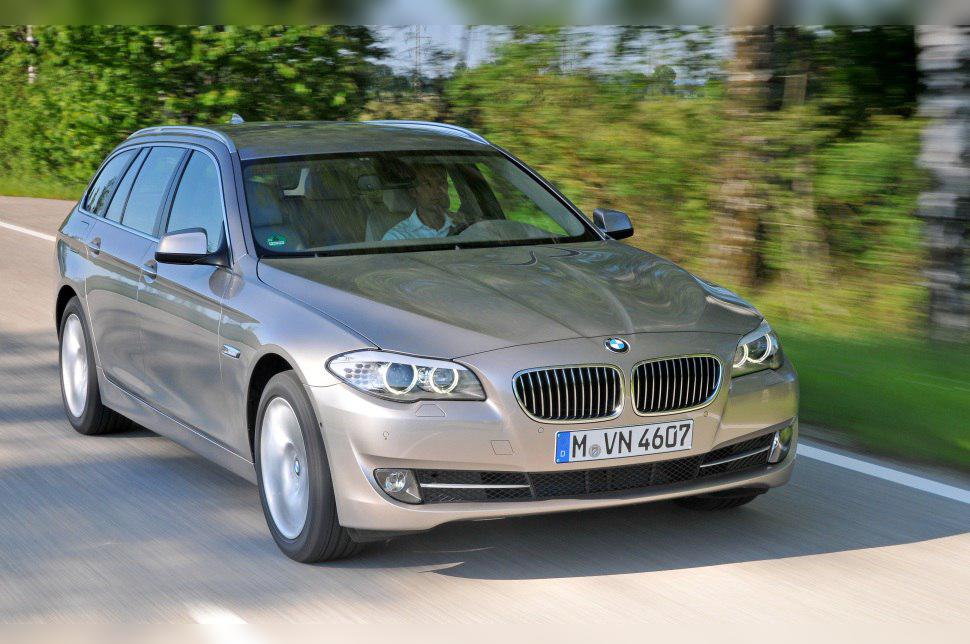
The 258 HP BMW N57D30A is a perfect choice for drivers who cover serious mileage on open roads and need high power with reasonable fuel consumption. It is ideal for family estates (Touring), heavy SUVs and long highway journeys. On the other hand, if you plan to drive the car exclusively in city traffic, on short commutes to work and back, this engine will become a source of frustration, as the DPF will clog, the EGR system will fail, and the high cost of regular and unscheduled maintenance will become a serious burden on your budget.