BMW N57D30B Twin-Turbo (313 HP): Real-world experience, common issues, fuel consumption and used-buying advice
Key points (TL;DR)
- Beast on the road: Inline six with two turbos offers a fantastic balance of brutal performance and reasonable fuel consumption.
- Timing chain drive: The chain is located at the back of the engine (by the gearbox), which makes the major service dramatically more expensive.
- EGR cooler: One of the most critical weak points of this engine, which led to massive recalls due to the risk of intake manifold fires.
- DPF and city driving: Not designed for short trips. City driving quickly clogs the DPF and causes carbon build-up (coking) in the intake.
- Top-notch gearbox: Paired almost exclusively with the legendary ZF 8HP 8-speed automatic, which is extremely reliable if serviced regularly.
- Expensive maintenance: Parts are expensive (depends on market), and the engine does not forgive skipped oil changes or cheap oil.
Contents
- Introduction
- Technical specifications
- Reliability and maintenance
- Specific components (costs)
- Fuel consumption and performance
- Additional options and modifications
- Gearbox
- Buying used and conclusion
Introduction
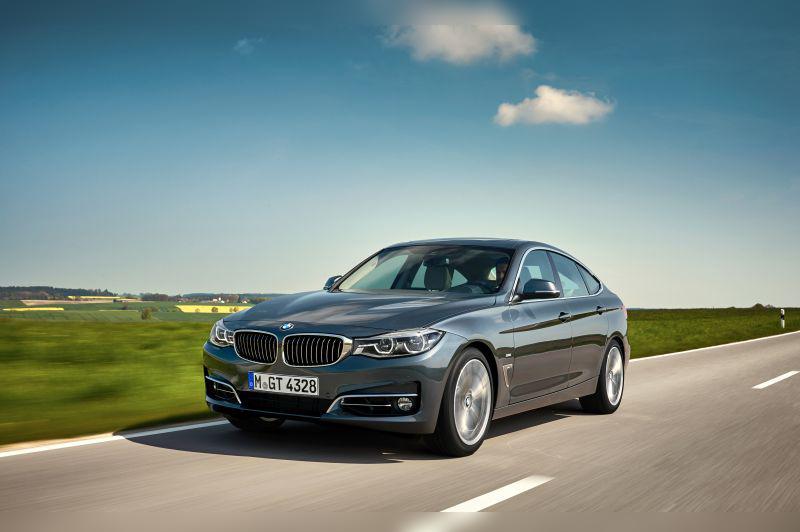
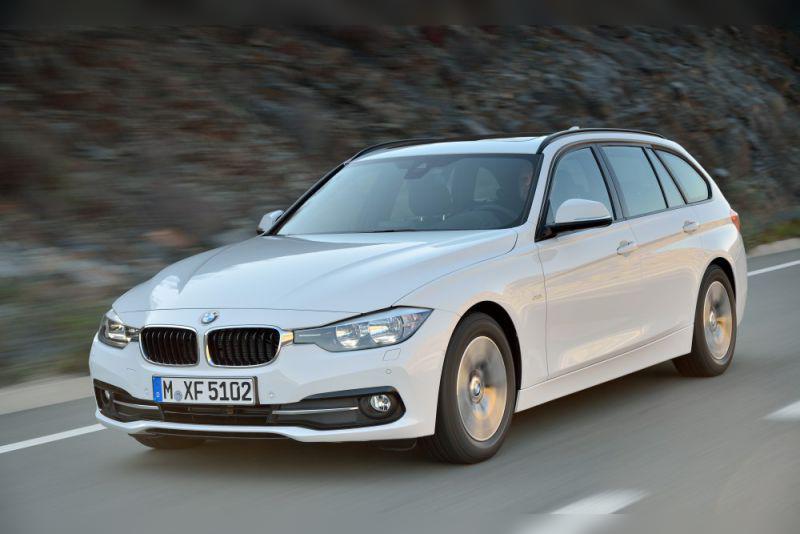
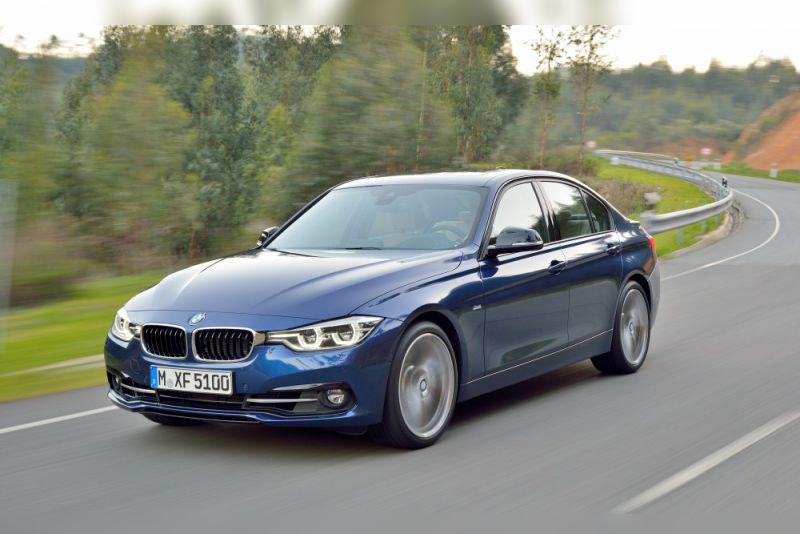
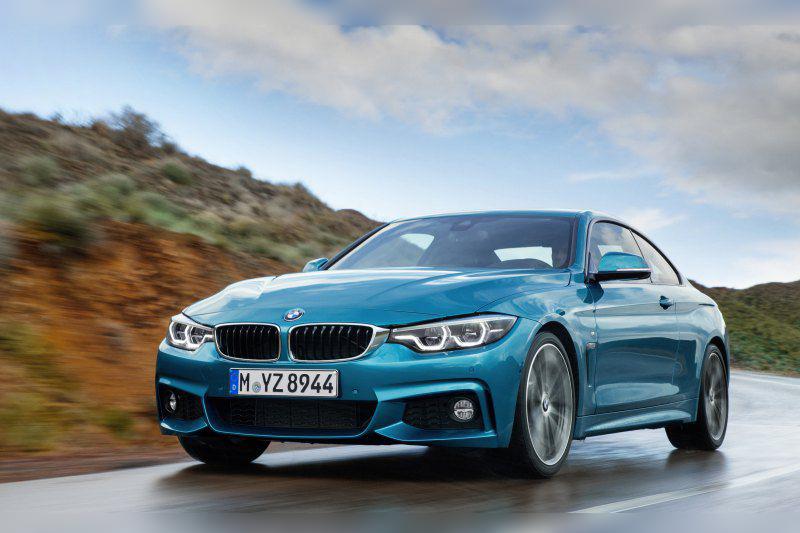
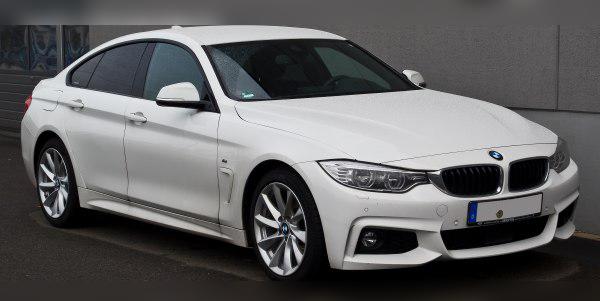
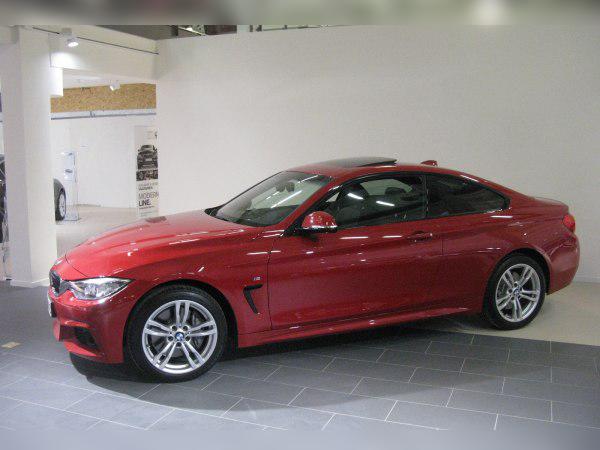
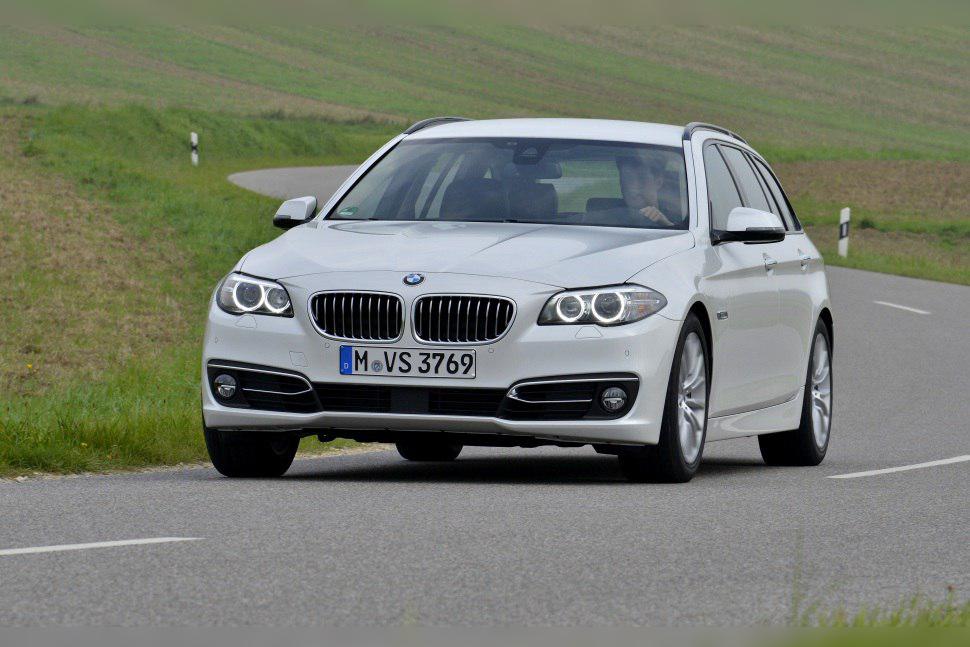
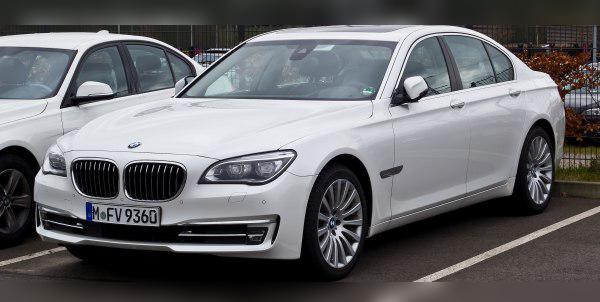
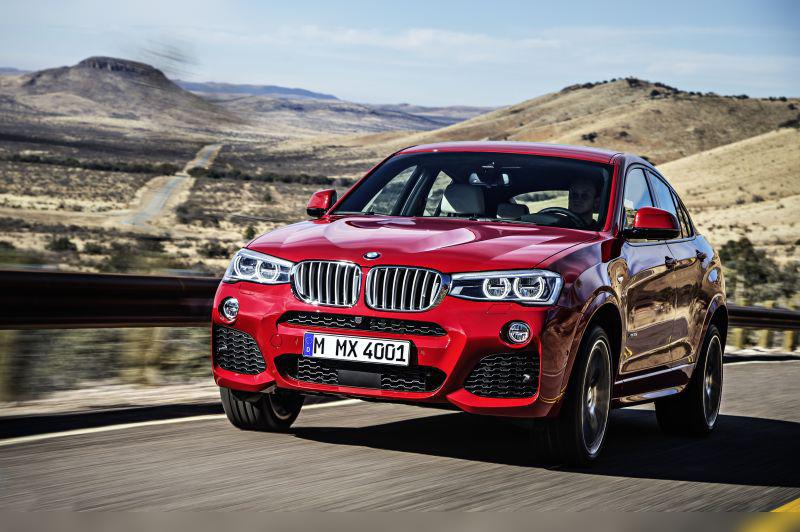
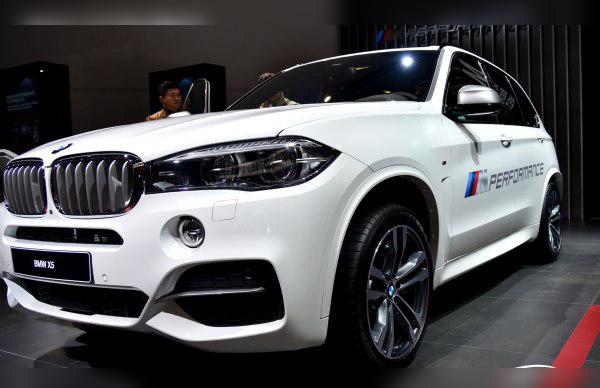
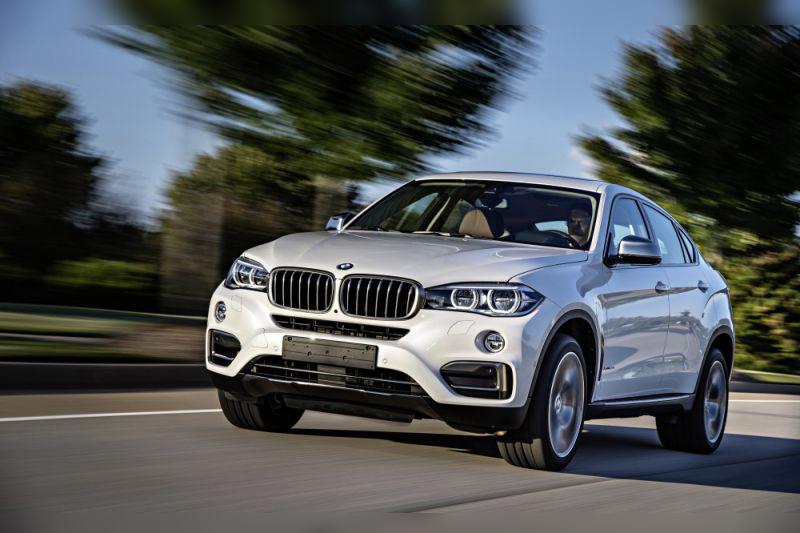
If you’re looking for the “holy grail” of diesel performance in the modern BMW lineup, you’re probably eyeing models badged 35d or 40d. Behind these badges sits the famous N57D30B engine. It’s a 3.0‑liter inline-six with TwinPower Turbo technology (two sequential turbochargers) that delivers a serious 313 HP and as much as 630 Nm of torque. It was installed in a wide range of cars, from sporty 3 and 4 Series (F30, F32), through luxury cruisers like the 5, 6 and 7 Series (F10, F06, F01), all the way to heavyweights from the X family (X3, X5, X6). This engine is an engineering masterpiece, but like any complex machine, it demands attention, a deep wallet and an excellent mechanic when things go wrong.
Technical specifications
| Parameter | Data |
|---|---|
| Displacement | 2993 cc |
| Power | 230 kW (313 HP) |
| Torque | 630 Nm |
| Engine code | N57D30B (N57T) |
| Injection type | Common Rail (direct injection) |
| Air assistance | Twin-turbo (two different-size turbochargers) + intercooler |
Reliability and maintenance
Let’s clear up the biggest dilemma right away: this engine uses a timing chain, not a belt. The problem? The engineers placed the timing system at the back of the engine, right up against the firewall, i.e. towards the gearbox. This means that to replace the chain you have to pull the entire engine out or remove the gearbox, which sends labor costs through the roof.
Most common failures: The biggest weak point of the N57 engines is the EGR cooler. It tends to leak coolant internally, which then mixes with soot from the exhaust. The result is a highly flammable sludge in the intake manifold, which can lead to melting of the intake swirl flaps and even an engine bay fire. Because of this, BMW issued massive recalls. On top of that, there are failures of the CP4 high-pressure fuel pump (if you use poor-quality fuel, the pump wears out and sends metal shavings through the entire system), as well as stretching of the aforementioned timing chain.
Major service: There is no fixed factory interval for chain replacement (BMW calls it “lifetime”), but experienced mechanics generally recommend a major timing service (replacement of chain, tensioners and guides) between 150,000 and 200,000 km. The typical symptom is a metallic rattling noise on cold start or in the 1500–2000 rpm range. The job is very expensive (depends on market).
Oil and servicing: This engine takes between 6.5 and 7.2 liters of oil (depending on whether it’s xDrive or rear-wheel drive, and on the sump design). Recommended viscosity is 5W‑30 or 5W‑40 with BMW LL‑04 approval. Forget the factory 30,000 km interval. To protect the crankshaft and rod bearings, which are sensitive to poor lubrication, change the oil strictly every 10,000 to 12,000 km. Some oil consumption between services is normal, but on a healthy engine it shouldn’t exceed 0.5 to 1 liter per 10,000 km. If it uses more, the problem is usually in the turbos, the PCV (crankcase ventilation) valve or, less often, in the piston rings.
Injectors: The engine uses sophisticated piezo injectors. They’ve proven to be quite durable and typically last over 200,000 to 250,000 km without issues, provided you use quality fuel and change the fuel filter regularly. When they start to fail, symptoms include rough idle, increased black smoke from the exhaust, higher fuel consumption and harsher engine operation under load. Rebuilding piezo injectors is complex and expensive (depends on market).
Specific components (costs)
Since this 313 HP engine is paired exclusively with automatic transmissions, a traditional dual-mass flywheel and clutch disc are not used in the same way as on manuals. Instead, it uses a torque converter, which is generally more durable than a dual-mass flywheel but requires clean oil in the gearbox.
The air system relies on a twin-turbo setup. This means the engine has one smaller turbo (variable geometry – VGT) responsible for low revs and quick response, and one larger turbo (fixed geometry) that takes over at higher revs. They work flawlessly, but the small turbo is usually the first to fail due to the enormous thermal and mechanical stress. Their life expectancy is around 200,000 km. Overhauling or replacing both turbos is an extremely expensive repair (depends on market).
DPF filter and EGR valve are present and regularly cause headaches for drivers who mainly use the car in city traffic. The DPF clogs up because it doesn’t get the conditions needed for regeneration (you need constant speed on an open road and exhaust temperatures around 600 °C). The EGR valve gets clogged with soot and sticks, while the intake manifold narrows due to carbon deposits, which makes the engine “choke”.
Does it have AdBlue? Yes, newer models (from Euro 6 onwards) are equipped with an SCR system and use AdBlue. The AdBlue system can cause serious issues: from heater failure in the tank itself, through pump failures, to NOx sensors that die due to moisture and age. Replacing the module or sensors is quite expensive (depends on market).
Fuel consumption and performance
Despite the power, fuel consumption is shockingly low for what this engine delivers. In heavy models like the BMW X5 (F15), real-world city consumption is around 10 to 12 l/100 km, while a lighter 3 Series (F30) will use about 8.5 to 10 l/100 km in town. This is an outstanding result for 313 HP.
Is the engine “lazy”? Absolutely not! With 630 Nm of torque available from just 1500 rpm, the N57D30B rips up the tarmac even when installed in massive SUVs weighing over 2 tons. Throttle response is brutal thanks to the small turbo.
On the motorway, this engine is in its natural habitat. At 130 km/h in eighth gear, it spins at a barely noticeable 1800 to 2000 rpm, providing near-total cabin silence and fuel consumption dropping to an incredible 6.0 to 7.5 l/100 km, depending on the vehicle’s aerodynamics.
Additional options and modifications
This diesel engine is extremely popular for tuning. The engine block and internal components are robust, and the automatic gearbox is overbuilt to handle a lot of torque. A safe Stage 1 remap (software only) usually raises power to around 360 to 380 HP, with torque jumping to over 700 Nm. Acceleration becomes truly sports-car level, but be careful: before any tuning, the timing chain, crankshaft bearings, turbos and gearbox must be in perfect condition, otherwise you can literally destroy the engine.
Gearbox
For the 313 HP versions (35d and 40d), BMW completely dropped manual gearboxes. These engines come exclusively with the automatic ZF 8HP 8-speed gearbox (Steptronic). xDrive (all-wheel drive) is standard on most models, while rear-wheel drive could be found only rarely on some markets for the 5 Series.
Gearbox failures: The ZF 8HP is considered one of the best and most reliable automatic transmissions ever made. Mechanical failures are almost non-existent, and problems arise almost exclusively due to poor maintenance. You can get oil leaks from the plastic oil pan (which has an integrated filter), or harsh shifting from first to second gear, which indicates an issue with the mechatronics unit or damaged valves inside the valve body.
Gearbox service: Although many car manufacturers claim that the gearbox oil is “lifetime fill”, the gearbox manufacturer ZF strictly prescribes changing it! Gearbox service must be done every 80,000 to 100,000 km. The procedure includes replacing the complete plastic oil pan with integrated filter and filling with the special ZF oil. This service is not cheap (depends on market), but it is incomparably cheaper than rebuilding the entire gearbox and torque converter.
Buying used and conclusion
When buying a used BMW with the N57D30B (313 HP) engine, you have to be extremely careful. What should you check?
- Cold start: The most important thing. Ask the seller not to start the car before you arrive. When starting a cold engine, listen carefully around the back of the engine and the front left wheel. A rattle lasting a few seconds means the timing chain is due.
- Service history at an authorized dealer: Make sure the recall campaign for the EGR cooler replacement has been carried out. If not, this must be the first thing you sort out so the car doesn’t catch fire.
- Diagnostics: Do not buy without proper BMW (ISTA) diagnostics. Check the ash mass in the DPF, injector correction values and pre-boost pressure of the turbos.
- xDrive system: The all-wheel-drive transfer case (VTG) is sensitive to differences in tyre circumference. Check if the car jerks under acceleration. Tyres must always be evenly worn.
- Oil leaks: Oil often leaks from the valve cover and around the oil filter housing. It’s not critical, but it requires more expensive labor to strip everything down and reseal it properly.
Conclusion: Who is the N57D30B with 313 HP for? This is not a car for short trips, runs to the grocery store or daily stop‑and‑go city traffic. That will kill it very quickly (DPF, swirl flaps, EGR). This engine is meant for real drivers – for constant open-road cruising, fast autobahn runs and decisive overtakes. If you service it with top-quality oil every 10,000 km, replace the chain on time and keep the intake clean, you’ll have one of the most impressive diesel engines in the history of the automotive industry. Be prepared for somewhat higher service bills, and it will pay you back many times over every time you floor the throttle.