BMW N57D30OL (245 hp): Experiences, issues, fuel consumption and used-car buying tips
- Great performance: With 520 Nm of torque, this engine easily handles any body style it’s installed in.
- Fuel consumption: Extremely economical for a 3.0-liter engine, on the highway it uses as little fuel as smaller engines.
- Timing chain at the back: Chain replacement is mandatory and expensive because it requires removing the engine or taking down the gearbox.
- More reliable than its predecessor and smaller brother: Far fewer issues with cracked blocks or chain failure compared to the N47, but it still requires regular maintenance.
- EGR and DPF: Sensitive to city driving, which leads to DPF clogging and carbon buildup in the intake.
- Tuning potential: An excellent base for Stage 1, but only if the gearbox and timing system are in perfect condition.
Contents
- Introduction: Get to know the N57D30OL
- Technical specifications
- Reliability and maintenance
- Specific parts and costs
- Fuel consumption and performance
- Additional options and modifications
- Gearbox and drivetrain
- Buying used and conclusion
Introduction: Get to know the N57D30OL
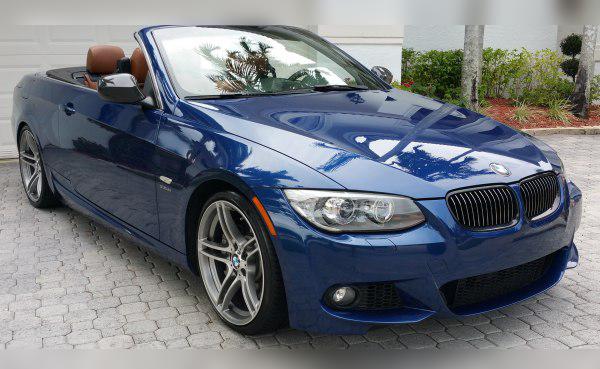
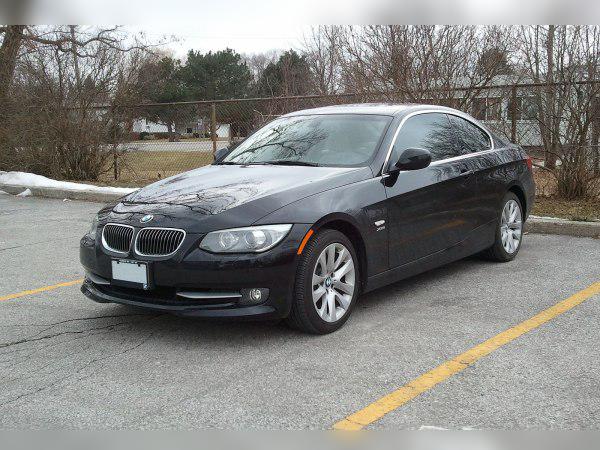
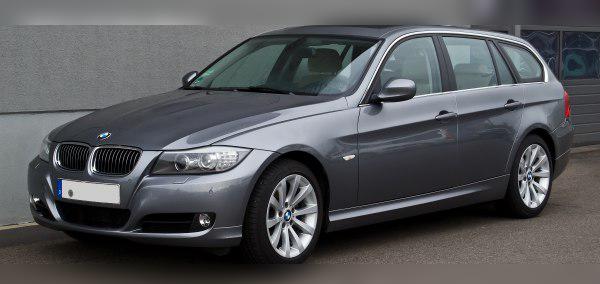
The N57D30OL engine (where "OL" stands for Obere Leistung – higher output) is one of the most desirable newer-generation BMW diesel units. It replaced the legendary M57 and brought a completely new architecture with an aluminum block, an improved injection system and a timing drive moved to the rear of the engine. It was mainly installed in the E9x generation (E90, E91, E92, E93) in their facelift (LCI) versions from 2008 to 2013, under the 330d badge.
This three-liter inline-six is important because it represents the perfect compromise between brutal power and reasonable fuel consumption. For many drivers and enthusiasts, it is the pinnacle of diesel technology of that era, but its transition into the camp of modern, highly optimized engines also brought certain technical compromises that every potential buyer must be aware of.
Technical specifications
| Specification | Data |
|---|---|
| Engine code | N57D30OL (N57D30A) |
| Displacement | 2993 cc |
| Power | 180 kW (245 hp) at 4000 rpm |
| Torque | 520 Nm at 1750–3000 rpm |
| Engine type and fuel | Inline 6-cylinder, diesel |
| Injection type | Common Rail direct injection (Bosch) |
| Forced induction | Single turbocharger with variable geometry (VGT) + intercooler |
Reliability and maintenance
Timing system: Chain instead of belt
The N57D30OL uses a chain to drive the camshafts, not a timing belt. The problem (and the owners’ biggest nightmare) is that the engineers moved the chain to the rear of the engine, right next to the gearbox. Because of this, the term “major service” here means replacing the complete set of chains, guides and tensioners, which requires either removing the engine from the car or completely dropping the gearbox. The replacement is expensive: it ranges from 800 to 1500 euros (depending on the market).
The replacement interval is not strictly specified by the factory, but in practice it has proven that the major service should be done between 150,000 and 200,000 km. Symptoms of a stretched chain include a specific rattling or scraping noise from the gearbox area during cold start or at around 1500–2000 rpm. Ignoring these sounds leads to the chain skipping teeth and catastrophic engine failure.
Oil and regular servicing
This engine takes exactly 7.2 liters of engine oil. High-quality synthetic oil of grade 5W-30 or 5W-40 that meets the BMW Longlife-04 (LL-04) standard is recommended, as this is crucial for DPF longevity. The factory once specified 30,000 km oil change intervals, which is disastrous for the chain and turbo. Any experienced mechanic will tell you to do an oil service every 10,000 to 15,000 km at most.
Oil consumption between services is generally not an issue on N57 engines that are in good condition. It is considered completely normal for it to use about 0.2 to 0.5 liters per 10,000 km. If the engine consumes more than 1 liter, the cause should be sought in a worn turbocharger, the crankcase ventilation system (PCV valve) or worn piston rings.
Injectors and fuel injection
Since this is a diesel, the engine uses an advanced Common Rail system. Bosch piezo and solenoid injectors (depending on the exact month of production) have proven to be extremely good. Unlike some older generations, here the injectors rarely cause problems before 250,000 to 300,000 km, provided that quality fuel is used and the fuel filter is changed regularly. Symptoms of bad injectors include rough idle, increased black or gray smoke from the exhaust (if the DPF has been removed) and difficult cold starting.
Specific parts and costs
Turbocharger
The N57D30OL has a single turbocharger with variable vane geometry (VGT). Its lifespan is closely linked to regular oil changes. On average it will last over 250,000 km before a rebuild is needed. Whistling under load or loss of power (along with oil in the intake pipes) are the main signs of wear. Turbocharger rebuilding is moderately expensive (depending on the market).
EGR valve and intake manifold (Key weaknesses)
Emissions systems are this engine’s biggest enemy. The EGR valve often clogs, and its cooler can crack, which leads to slight coolant leakage into the intake or outside. The engine also suffers from massive soot and oil vapor buildup (carbon deposits) in the intake manifold and on the valves. On top of that, there are the infamous “swirl flaps” in the intake manifold. Although they were redesigned compared to the older M57 (they don’t fall into the cylinders as easily), they can still jam due to dirt, which triggers the “Check Engine” light and causes a loss of power. It is recommended to remove the intake manifold and clean it (or remove the swirl flaps) preventively every 100,000 km.
DPF and AdBlue
The engine is of course equipped with a DPF filter (diesel particulate filter). The DPF lifespan is around 200,000 km, but this varies greatly depending on driving style. City driving on short trips prevents the engine from reaching its operating temperature of about 90 °C and starting regeneration, which causes the DPF to clog quickly. When that happens, the car loses power, the turbo is choked and the oil level in the sump rises (because excess fuel used for regeneration runs down the cylinder walls). Cleaning the DPF is highly recommended instead of removing it.
As for the AdBlue system (SCR catalyst), most N57D30OL engines (245 hp) with Euro 5 emissions standard in the E9x series do not have AdBlue. However, certain models with the so-called “BluePerformance” package (aimed at Euro 6 compliance) may be equipped with it. The system is known to cause issues with the tank pump and NOx sensor, and repairs are very expensive (depending on the market). If this is important to you, the presence of an AdBlue system must be checked using the VIN.
Fuel consumption and performance
Considering it develops 245 hp and an impressive 520 Nm of torque, calling this engine “lazy” would be a huge lie. Power is available from just 1750 rpm, and the engine pushes you firmly into the seat even in heavier body styles such as the 3 Series Cabrio (E93) or Touring (E91) with xDrive.
Fuel consumption:
- City driving: Real-world consumption ranges from 8.5 to 10.5 l/100 km, depending on how heavy your right foot is and whether it’s paired with xDrive.
- Open road: This is where the N57 shines. On country roads it can go down to an unreal 5.5 l/100 km.
- Motorway: At a cruising speed of 130 km/h, consumption is around 6.5 l/100 km.
On the motorway it behaves like a true cruiser. In sixth gear at 130 km/h, the engine spins at a very relaxed ~2000 rpm. Inside the cabin it’s barely audible, and with a press of the throttle at any moment there is huge power in reserve for overtaking without the need to downshift.
Additional options and modifications
Remapping (chiptuning)
The N57 block is extremely strong and robust. The stock 245 hp and 520 Nm are just the beginning. Without any hardware changes (a safe Stage 1 remap), this engine can reliably be taken to 290 to 310 hp and an incredible 600 to 650 Nm. The turbo and injectors can handle this without issues. However, the key thing before tuning is that the chain must be replaced (or at least checked) and the gearbox fully serviced, because the huge torque will first destroy a worn clutch (on manuals) or the clutch packs in the automatic gearbox.
Gearbox and drivetrain
Manual and automatic gearboxes
With the N57D30OL (in the E9x series) two types of gearboxes were installed:
- Manual gearbox (6-speed): Very robust, but it comes with one expensive wear item – the dual-mass flywheel. With the engine’s strong torque, especially combined with xDrive, the dual-mass flywheel and clutch kit usually last between 150,000 and 200,000 km. Symptoms that it needs replacement are strong vibrations when setting off, knocking when switching the engine off, or clutch slip (revs rise but speed doesn’t). Replacing the flywheel and clutch is very expensive (depending on the market).
- Automatic gearbox (Steptronic – ZF 6HP28): This is a 6-speed conventional automatic with a torque converter. It does not have a dual-mass flywheel. It has proven to be a fantastic and reliable unit, provided it is serviced regularly. The F series later received the 8-speed ZF (8HP), but the E9x facelift uses the tried-and-tested 6HP.
Servicing and gearbox failures
BMW officially claimed that the oil in the automatic gearbox is “lifetime fill”, which led to a pile of failures and dead gearboxes all over Europe. The gearbox manufacturer (ZF) clearly states: Automatic gearbox servicing is mandatory every 80,000 to 100,000 km. At that point the oil and the sump pan (which has an integrated filter) must be replaced. The most common issues with these automatics at such mileage are jerks when downshifting and oil leaks. Leaks usually come from worn seals on the mechatronics unit and the so-called “bridge seal”, both of which are strongly recommended to be replaced during every minor gearbox service.
Buying used and conclusion
What to check when buying?
- Timing chain noise: The car must be started completely cold. Listen carefully to the rear of the engine (towards the cabin/gearbox). Any rustling, chain rattling or scraping means you’re immediately facing the cost of a major service.
- Crankshaft pulley: The large rubber-metal pulley at the front of the engine often cracks with age. If the car has rough vibrations at idle, check the pulley. Replacement is relatively expensive.
- DPF and EGR condition: Don’t buy blindly. Always hook the car up to diagnostics, check pressure values and when the last regeneration was performed. The car must not smoke.
- Suspension and xDrive: Models with xDrive (E92, E91) are significantly heavier and wear out the front suspension, bushings and driveshafts faster. Pay attention to jerks under acceleration – this can be a sign of transfer case issues.
Conclusion
The BMW N57D30OL with 245 hp is a fantastic engine intended exclusively for drivers who know what they want and who regularly cover long distances on open roads. This is not an engine for daily stop‑and‑go commuting from traffic light to traffic light in morning rush hour, because the emissions systems will soon choke it, and your repair bills will go through the roof.
However, if you give it regular maintenance, quality oil, replace the chain on time and service the ZF gearbox regularly, you will get a car with sports-car performance and family-car fuel economy. When looking for a used example, the golden rule is: It’s better to buy a more expensive, well-maintained car with a replaced chain and verifiable history than a suspiciously cheap one on which you’ll learn how every single component of the drivetrain works.