BMW N63B44A 4.4 V8 engine: Experiences, issues, fuel consumption and used-car buying tips
- Impressive performance and power delivery (407 hp / 600 Nm), but with huge maintenance costs.
- Turbochargers placed between the cylinder banks (“Hot-V”) cause extreme heat that literally melts plastic parts and hoses.
- Terrifying oil consumption is a common issue, most often due to worn-out valve stem seals.
- Timing chain stretch and problems with high-pressure piezo injectors are typical failures.
- Real-world city fuel consumption rarely drops below 18 l/100 km.
- Buying one used is very risky – it’s only for drivers with deep pockets ready for expensive repairs.
Contents
- Introduction: Revolutionary, but problematic V8
- Technical specifications
- Reliability and Maintenance: Chain, oil and pain points
- Specific Parts and Costs: Injectors and “Hot-V” turbos
- Fuel Consumption and Performance: Heavyweight with a sports heart
- Additional Options and Mods: Remapping and LPG
- Gearbox: Automatic and power delivery
- Buying used and Conclusion: How to avoid a money pit?
Introduction: Revolutionary, but problematic V8
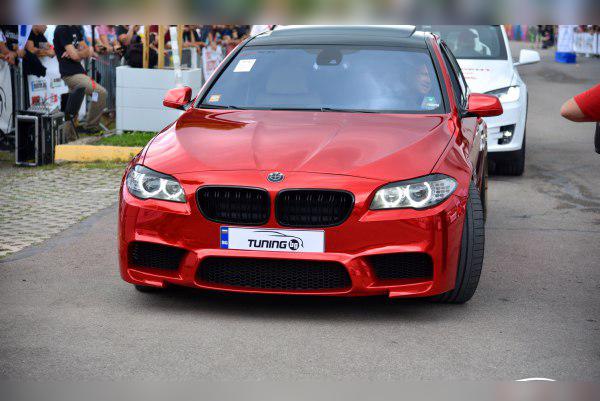
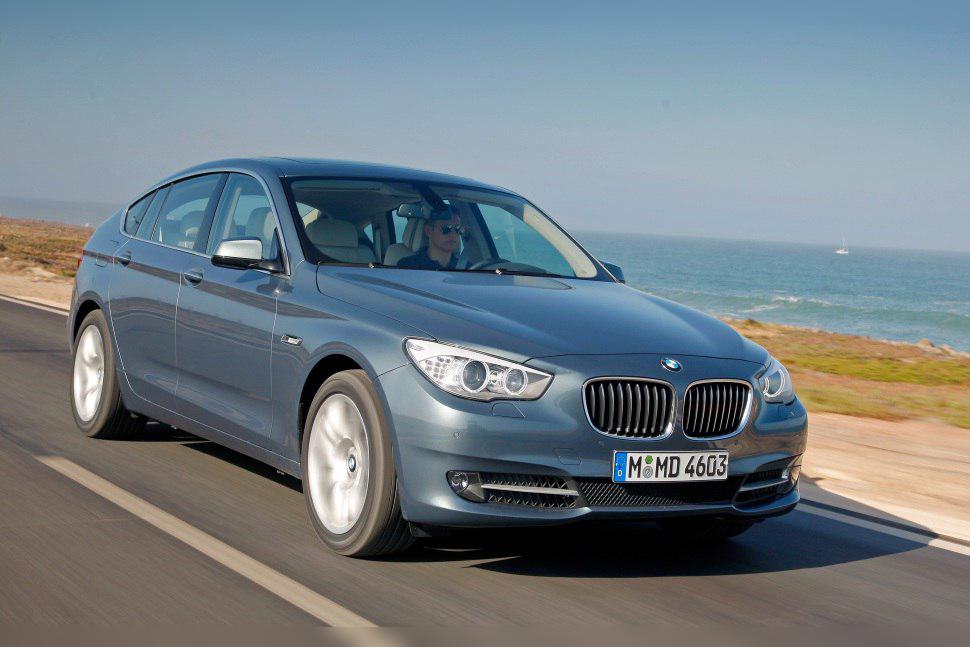
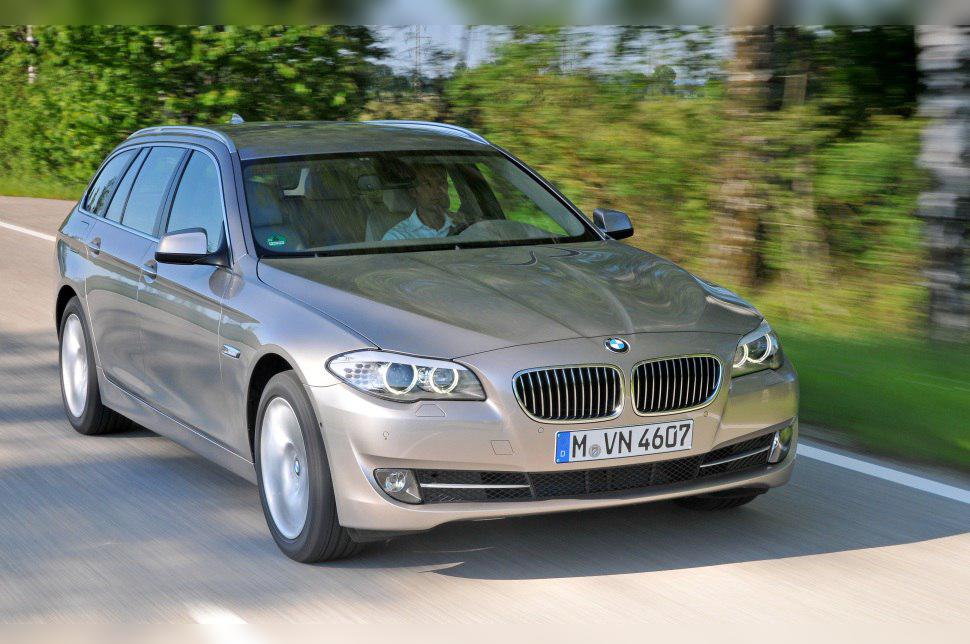
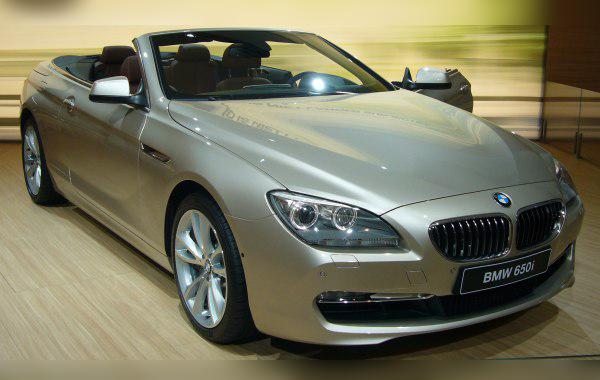
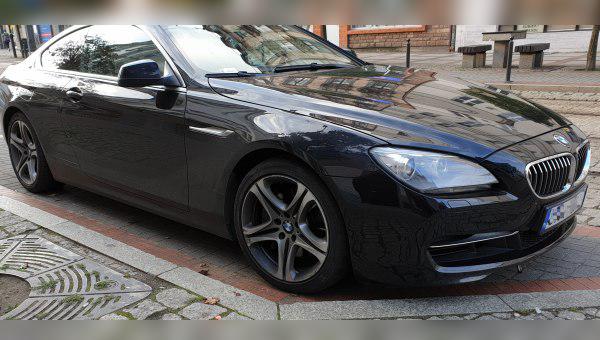
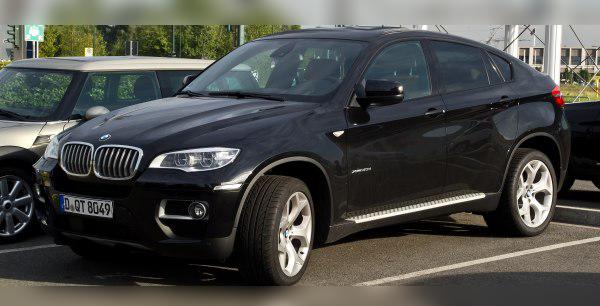
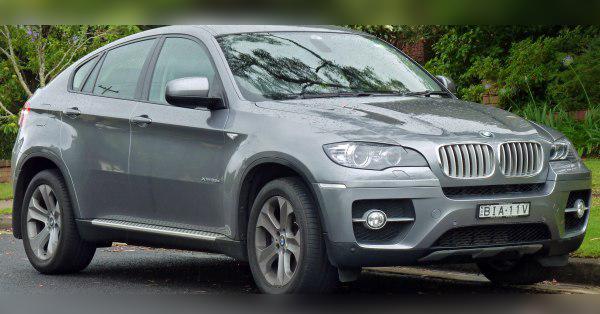
When BMW introduced the N63B44A engine, the automotive world was impressed. It was the first mass-produced engine in the world to use the “Hot-V” design – an architecture where the two turbochargers are placed in the valley of the engine (between the V banks), instead of on the outside. This engineering feat enabled fantastic throttle response, reduced turbo lag and huge power. It was installed in heavy cruisers such as the 5 Series (F10, F07, F11), 6 Series (F12, F13), as well as luxury SUVs X5 (E70 LCI) and X6 (E71).
However, what looked like genius on paper turned out to be an engineering misstep in terms of longevity. Extreme temperatures in the central part of the engine mercilessly destroy everything that isn’t metal. Because of this, owning a car with this engine requires meticulous, regular and above all extremely expensive maintenance.
Technical specifications
| Parameter | Data |
|---|---|
| Displacement | 4395 cc |
| Power | 300 kW (407 hp) |
| Torque | 600 Nm |
| Engine codes | N63B44A (early version of the N63 series) |
| Injection type | Direct injection (HPI) |
| Charging type | Twin-power turbo (two turbochargers), intercooler |
Reliability and Maintenance: Chain, oil and pain points
The basic timing architecture of this engine relies on a chain (actually, several chains). The factory intended the chain to last as long as the engine itself, but real life proved otherwise. Due to extreme temperatures, material fatigue and poor oil change intervals, the chains stretch. A major service, which includes a complete replacement of the timing system, usually has to be done between 100,000 and 150,000 km. The procedure requires removing the engine from the car, which makes this job very expensive (depends on the market).
Oil consumption and oil changes
The engine takes about 8.5 liters of oil, and fully synthetic, high-quality 5W-30 or 5W-40 oil is recommended. The most important thing an owner can do is to halve the factory change interval. Oil must be changed every 8,000 to a maximum of 10,000 km.
Oil consumption between services is almost guaranteed. The factory claims that consumption of 1 liter per 1,500 km is “normal”, but for any experienced mechanic this is a red flag. The main culprit for excessive oil consumption is hardened valve stem seals. Due to the aforementioned “Hot-V” design, the rubber loses elasticity and oil leaks directly into the combustion chambers. The symptom is thick bluish smoke from the exhaust after the car idles for a few minutes and you then blip the throttle.
Spark plugs and coils
Since this is a high-performance petrol engine with direct injection, operating temperatures and pressures are enormous. Spark plugs wear out much faster than on naturally aspirated engines, so they need to be replaced every 30,000 to 40,000 km. If this is neglected, the ignition coils will fail, and improper combustion can damage the catalytic converters and even the cylinders themselves.
Specific Parts and Costs: Injectors and “Hot-V” turbos
Fuel injection system
The N63B44A uses a sophisticated direct injection system with high-pressure piezo injectors. These injectors are extremely problematic. Early revisions (indexes below 12) are prone to leaking. When an injector stays open, unburned fuel washes the oil film off the cylinder wall, which leads to catastrophic engine seizure. Replacing all 8 injectors with the latest revision is mandatory if it hasn’t already been done, and the cost is very high (depends on the market).
Turbochargers and cooling
This engine has two twin-scroll turbochargers located, as mentioned, in the V-valley of the engine. The turbos themselves have a decent lifespan (around 150,000 km with regular oil changes), but the problem is the surrounding hardware. Plastic coolant hoses, vacuum lines and oil feed/return lines for the turbos gradually become brittle like glass and crack. Coolant leaking onto red-hot exhaust manifolds is common, so refreshing the cooling system is a regular maintenance item.
DPF, EGR and AdBlue
Since this is a pure petrol engine, it does not have a DPF filter or AdBlue system, so there are no worries there. However, it does have a crankcase ventilation system (PCV / oil separator) which, when its membranes clog, dramatically increases crankcase pressure and further encourages the engine to burn oil.
Fuel Consumption and Performance: Heavyweight with a sports heart
With a round 600 Nm of torque available very low down (from around 1,750 rpm), this engine is anything but sluggish. Even when installed in massive bodies like the BMW X5 or X6, acceleration is brutal and linear. Throttle response is fantastic thanks to the short path of exhaust gases to the turbos.
However, the laws of physics can’t be cheated, which is most obvious at the fuel pump. Real-world city fuel consumption for models like the 550i is between 17 and 20 l/100 km, while in heavier X models it easily exceeds 22 l/100 km.
On the highway, the situation is far more relaxed. Thanks to modern gearboxes with long ratios, at 130 km/h the engine cruises at a very relaxed 1,900 to 2,100 rpm (depending on the model). In this mode, fuel consumption is around a quite acceptable 10 to 12 l/100 km.
Additional Options and Mods: Remapping and LPG
LPG conversion
Although it is theoretically possible to install an LPG system on direct-injection engines, on the N63 this is strongly not recommended. The engine bay is cramped, temperatures are extreme, and the injectors must periodically spray petrol so they don’t melt. Most specialists will refuse this job, and even if you find someone, the risk of failures far outweighs the savings. This engine requires top-quality petrol (minimum 98 octane).
Remapping (Stage 1)
When it comes to remapping the ECU, the N63 offers huge power reserves. A simple Stage 1 tune can raise power to an impressive 500 hp and over 700 Nm. However, before you even think about tuning, the engine must be mechanically perfect. If you put Stage 1 on an engine that already has bad injectors, tired valve stem seals and a stretched chain, a catastrophic failure is only a matter of time. It is safe only on impeccably maintained examples.
Gearbox: Automatic and power delivery
Almost all European models equipped with this engine come exclusively with automatic gearboxes. Most commonly it’s the fantastic ZF 8HP (8-speed automatic), although in the very early cars and older X models you can also find the ZF 6HP. Manual gearboxes existed mainly for the US market, so they are practically impossible to find on our continent.
Since it uses a torque-converter automatic gearbox, this setup does not have a classic dual-mass flywheel and clutch disc as we know them from manual transmissions. Therefore, there is no clutch kit replacement cost that manual owners are used to.
The ZF gearbox itself is extremely reliable if properly maintained. The most common issues include jerking when downshifting, which indicates a problem with the mechatronics unit or a worn torque converter at high mileage. Gearbox servicing, which includes changing the oil and the pan with integrated filter, must be done every 80,000 to 100,000 km. Neglecting this service leads to gearbox failure, and rebuilding it is very expensive (depends on the market).
Buying used and Conclusion: How to avoid a money pit?
Before you hand over your money for a used BMW with the N63B44A engine, it is essential to have a detailed inspection done by a brand specialist. Here is what you absolutely must check:
- Exhaust smoke: Let the car idle for 5–10 minutes, then suddenly press the throttle. Blue smoke is a reliable sign that the valve stem seals are gone. Repair requires a lot of labor hours.
- Timing noise: Listen to the engine on a cold start. If you hear metal-on-metal rattling, the chains are due for replacement.
- Injectors and ECU check: Using factory diagnostics, you need to read cylinder balance, misfires and physically check the index number on the injectors themselves (if they are below index 12, prepare money for replacement).
- Cooling system: Use a flashlight to inspect the valley between the V banks (where the turbos are). If there are traces of dried coolant or oil, the plastic parts have already started to crack.
Who is this engine for?
The BMW N63B44A offers an incredible driving experience. The sound of the V8 and the way it pins you to the seat every time you hit the throttle are addictive. However, this is not a car for someone who counts every penny. It is a poor choice if you’re buying it with your last bit of money. It is intended exclusively for true enthusiasts who are aware of its weaknesses, have a budget set aside in advance for potentially expensive repairs (such as a full timing service and injector replacement) and are ready to provide top-notch and proactive maintenance.