BMW N63B44B (450 hp) V8: Ownership impressions, common issues, fuel consumption and used-buying tips
Key points (TL;DR)
- Brutal performance: With 450 hp and 650 Nm, this V8 turns heavy cruisers (7 Series, X5, X6) into real rockets on the road.
- Notorious “Hot-V” design: The turbos are placed between the cylinder banks, creating extreme heat that literally cooks plastic hoses, seals and rubber parts.
- Oil consumption is inevitable: Valve stem seal and piston ring issues cause oil consumption you either learn to live with (or pay for an expensive repair).
- Timing chain: Prone to stretching. A major timing service is mandatory around 120,000–150,000 km.
- Extremely high maintenance costs: This is an engine for people with deep pockets. Parts are expensive and labor times are long.
- No manual gearbox: It only comes with the excellent ZF 8HP automatic transmission. No LPG conversions.
Contents
- Introduction: A beast in a suit
- Technical specifications
- Reliability and maintenance
- Key components (costs)
- Fuel consumption and performance
- Additional options and modifications
- Transmission
- Buying used and conclusion
Introduction: A beast in a suit
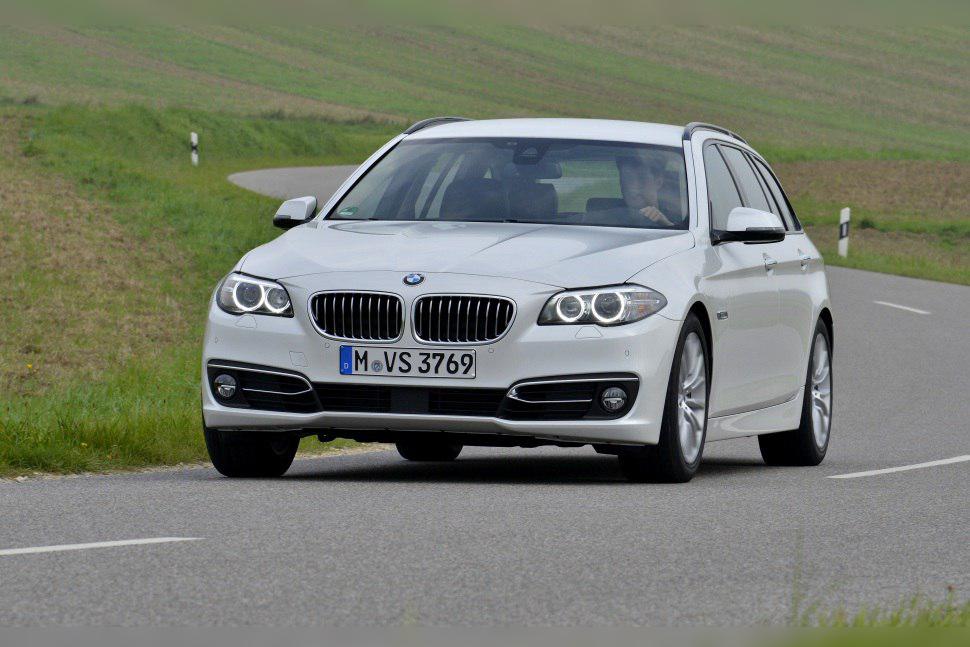
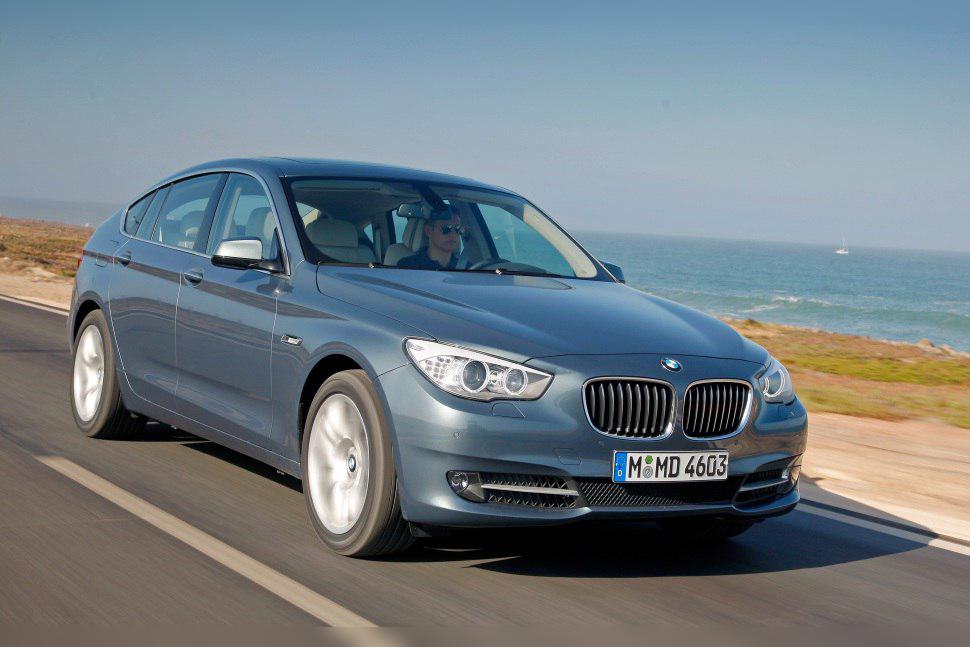
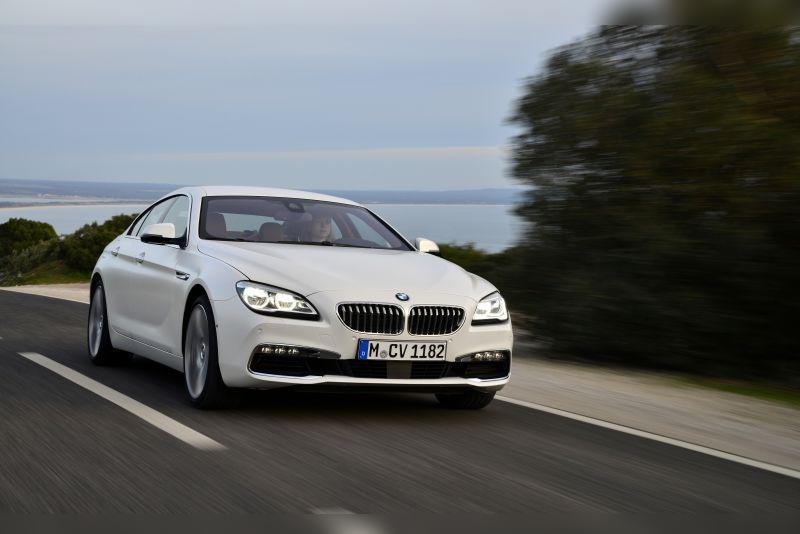
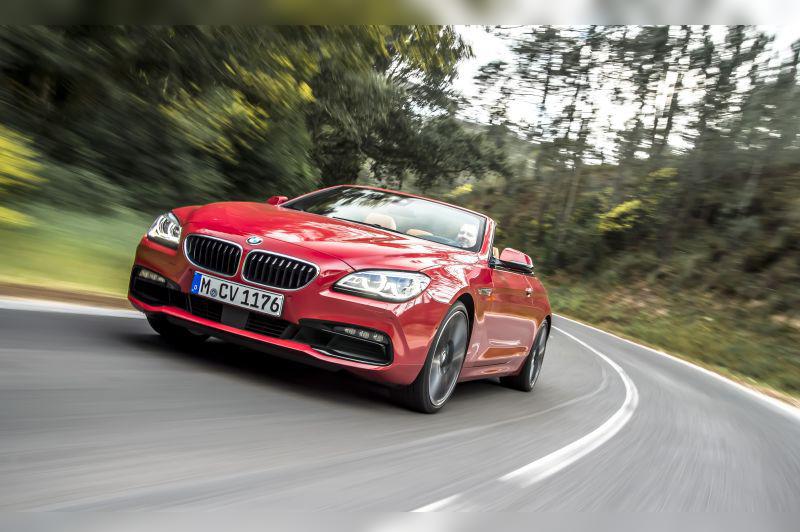
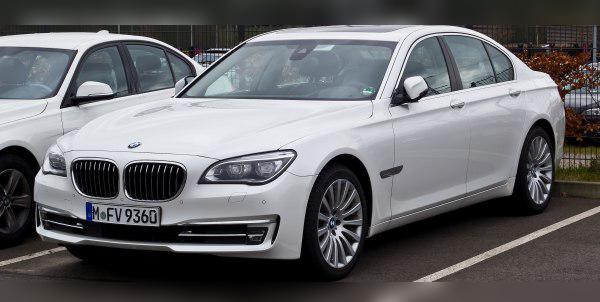
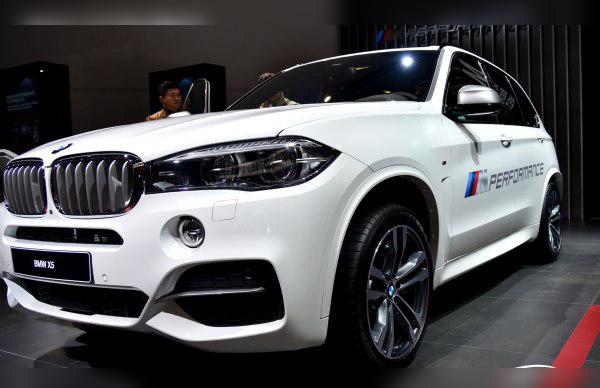
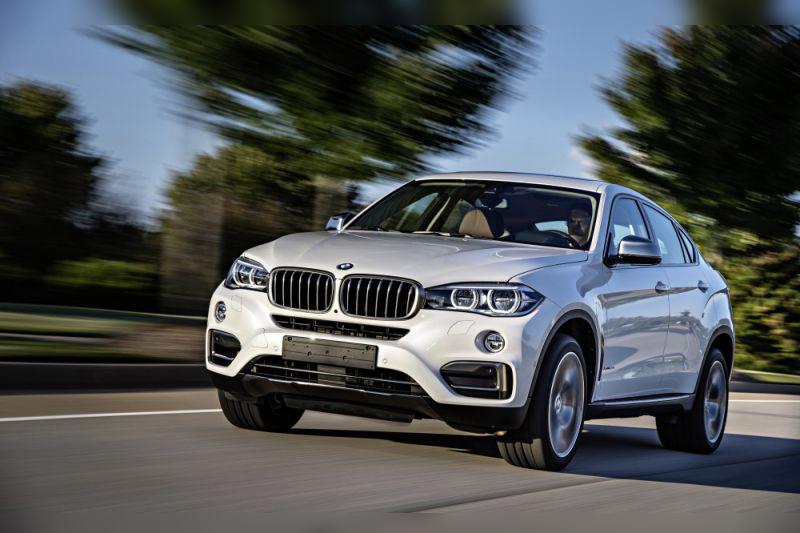
The engine with the code N63B44B (often referred to as N63TU – Technical Update) represents Bavarian engineering pride, but also a mechanic’s nightmare if neglected. Introduced as a revision of the infamous first 408 hp N63 engine, this unit brings an improved Valvetronic system and reinforced components, delivering 450 hp. It was mostly installed in facelifted F-generation models: 5 Series (F10/F11/F07), 6 Series (F06/F12/F13), 7 Series (F01/F02), as well as the heavyweights X5 (F15) and X6 (F16). If you’re looking for top-tier comfort, a refined V8 soundtrack and supercar-like acceleration, this is the engine for you. But that exclusivity comes with a bill you must be ready to pay.
Technical specifications
| Displacement: | 4395 cc (4.4 L) |
| Power: | 331 kW (450 hp) |
| Torque: | 650 Nm |
| Engine codes: | N63B44B (N63TU) |
| Injection type: | Direct injection (HPI) |
| Induction: | Twin-power turbo (two turbos in the V of the block), intercooler |
Reliability and maintenance
Timing belt or chain?
The engine uses a timing chain (more precisely, a multi-chain system driving the camshafts and oil pump). Due to extreme temperatures and massive torque, these chains – and especially the plastic guides and tensioners – suffer heavy fatigue. Chain stretch is a common problem.
Most common failures and major service
This is not an engine where you can ignore symptoms. The most frequent issues stem from the so‑called “Hot-V” design – the turbos sit right in the V of the engine. Operating temperature is around 105°C–110°C. Because of this design, the following problems occur:
- Cooling system failure: All plastic branching hoses and seals eventually become brittle like glass and crack. Coolant leaks are a regular occurrence.
- Valve stem seals: High temperatures harden them, after which oil seeps into the combustion chamber. A warning sign is a cloud of blue smoke from the exhaust when you hit the throttle after idling for a while.
- Ignition coils and spark plugs: They often fail due to overheating.
The major timing service (replacement of the complete timing drive, chains, guides, tensioners) has no fixed factory mileage interval, but in practice it is usually done between 120,000 and 150,000 km. The job often requires pulling the engine out of the bay, which makes the cost of this service very high (depends on market).
Oil and spark plugs
The engine takes about 8.5 to 9 liters of oil (depending on the capacity of the oil cooler on a given model). Although the factory recommends 5W-30, many mechanics suggest switching to 5W-40 (with mandatory BMW Longlife-01 or LL-04 specification) because it offers better protection at the high temperatures this V8 generates. The oil change interval should never exceed 10,000 to 12,000 km.
Does it burn oil? Absolutely. Due to the design of the piston rings and valve stem seals, oil consumption is to be expected. A realistic and “healthy” consumption for this unit is up to 1 liter per 3,000 km. Anything above that (e.g. 1 liter per 1,000 km) points to a serious engine problem. Since this is a petrol engine, spark plugs must be replaced every 30,000 to 40,000 km. If you postpone replacement, you increase resistance and will fry the coils.
Key components (costs)
Fuel injection system
It uses a high-pressure direct injection system. Injectors are piezo-electric on earlier versions, later replaced by revised solenoid units. Injectors can be problematic – the worst-case scenario is an injector “sticking” open. Pressurized fuel then washes the oil film off the cylinder wall and the engine can seize. New injectors are very expensive (depends on market).
Turbos and emissions equipment
The engine has two turbochargers (twin-turbo). Due to the “Hot-V” layout, they are exposed to enormous thermal stress. After shutting the engine off, oil can bake in the turbo bearings if the engine is not cooled down by gentle driving before parking. Their average lifespan is around 150,000 km. Rebuilding them is costly and demanding (depends on market), as a number of associated oil and coolant lines are replaced as well.
Since this is a petrol engine from this era, it has no DPF filter, no EGR valve (in the diesel sense) and no AdBlue system. Instead, it has catalytic converters and a crankcase ventilation system (oil separator / PCV valves). PCV valves often clog, which further increases crankcase pressure and forces the engine to push oil out everywhere (valve cover gaskets, oil pan gasket, crankshaft seals).
Fuel consumption and performance
On-road behavior and fuel economy
Is the N63B44B lazy? This engine doesn’t know the meaning of the word “lazy”. With 650 Nm of torque available from around 2,000 rpm, it catapults the heavy 7 Series (over 2 tons) to 100 km/h in under 5 seconds. Throttle response is brutal and it pulls uphill effortlessly in any gear.
However, the laws of physics can’t be cheated. Real-world consumption in city driving in heavy traffic ranges from 18 to 22 l/100 km. On the open road things are much more relaxed. On the motorway at 130 km/h, thanks to the 8-speed automatic, the engine “sleeps” at around 1,800 to 2,000 rpm, and consumption drops to a tolerable 10 to 12 l/100 km.
Additional options and modifications
LPG conversion and remapping
This engine is absolutely unsuitable for LPG conversion. Due to direct injection, the injectors sit in the combustion chamber and are cooled by the flow of petrol. If they ran dry, they would melt. Also, the V8 layout with twin turbos in the center leaves no physical space under the hood for a safe and tidy gas installation. If you can’t afford the petrol, this is not the car for you.
As for “chipping” (Stage 1 remap), the engine has incredible potential. With just a software remap, power easily rises to 520 to 550 hp, and torque goes beyond 750 Nm. Still, keep in mind: this drastically increases the already high operating temperatures and shortens the lifespan of the gearbox, turbos and engine. If the engine is not in absolutely perfect mechanical condition, a Stage 1 tune will very quickly lead to coolant hose failures or connecting rod damage.
Transmission
Reliability, torque converter and servicing
This engine is not paired with a manual gearbox. It only comes with the fantastic, proven ZF 8HP 8-speed automatic (versions 8HP70 or 8HP75 depending on the exact model/xDrive setup). This means there is no traditional dual-mass flywheel or clutch kit to replace. Instead, the transmission uses a torque converter.
The most common long-term issues with this gearbox are usually related to the mechatronics unit (control unit with valves) or wear of the torque converter itself. Symptoms include jerks when shifting from first to second gear, as well as shuddering and vibrations under light acceleration (when the converter is slipping). Repairing these components is expensive (depends on market).
For the automatic to last, regular maintenance is imperative. Although car manufacturers often claim that transmission fluid is “lifetime fill”, the transmission manufacturer (ZF) explicitly recommends replacement. The oil and pan (with integrated transmission oil filter) must be replaced every 80,000 to 100,000 km. It’s a relatively simple job, and the cost is in the range of an average minor service – not excessively expensive considering what it protects (depends on market).
Buying used and conclusion
What exactly to check before buying?
Buying an N63B44B with over 150,000 km is like walking through a minefield. When inspecting a car, make sure to insist on the following:
- Cold start: The engine must be completely cold (check the hoses by hand before starting). Ask the owner to start it while you listen with the hood open. Any rattling lasting longer than 1–2 seconds means the chain is loose.
- Valve stem seal test: Let the car idle for 5 to 10 minutes (fully warmed up). Then sit in and stab the throttle sharply up to 4,000 rpm. If bluish smoke comes out of the exhaust, the valve stem seals and rings need replacing (which means removing the cylinder heads).
- Diagnostics: Read the fault history for injectors, fuel pressure and misfires. Due to the piezo/solenoid injectors and coil issues, every misfire must be taken seriously.
- Endoscope inspection: A good BMW specialist will insert a camera through the spark plug hole to check for vertical scoring on the cylinder walls (Alusil damage), which is a death sentence for the engine.
Who is this engine for?
The BMW N63B44B is intended for car enthusiasts, executives or people for whom several thousand euros per year in maintenance is not an issue. If you’re looking for economy or a reliable workhorse to cover huge mileages – steer well clear of this V8 and look for a straight-six 3.0 diesel (N57/B57). However, if you want prestige, a spine-tingling soundtrack and supercar performance wrapped in a family saloon or SUV, and you accept the maintenance risks – this is the heart that will put a smile on your face every time you press the accelerator.