Chrysler 3.8 V6 EGH Engine: Owner Experiences, Common Issues, Fuel Consumption and Used-Buying Tips
- Robust mechanics: A traditional American naturally aspirated V6, designed to cover huge mileages without major engine overhauls.
- Timing chain drive: The timing system uses a chain that is extremely durable and rarely needs to be replaced.
- High fuel consumption: The main drawback of this powerplant. In city driving, heavy MPVs burn a substantial amount of petrol.
- Loves LPG: The engine handles autogas perfectly, which is the only way to make running costs economically acceptable.
- Cheap maintenance: No dual-mass flywheel, no turbo, no expensive high‑pressure injectors, and no modern emissions systems like a DPF.
- Sensitive automatic gearbox: Often paired with a 4‑speed automatic transmission that requires specific maintenance and strictly specified fluid.
Contents
- Introduction and engine characteristics
- Technical specifications
- Reliability and maintenance
- Specific parts and costs
- Fuel consumption and performance
- Additional options and modifications (LPG)
- Gearbox and drivetrain
- Buying used and conclusion
Introduction and engine characteristics
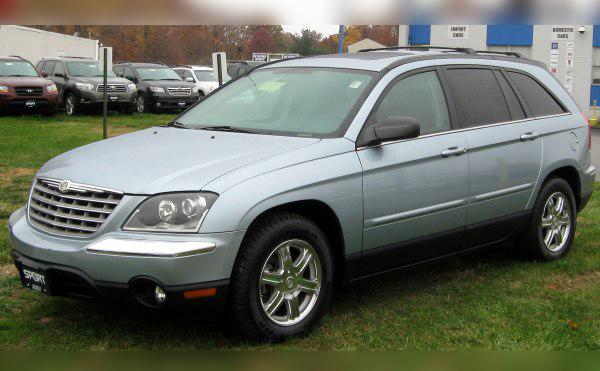
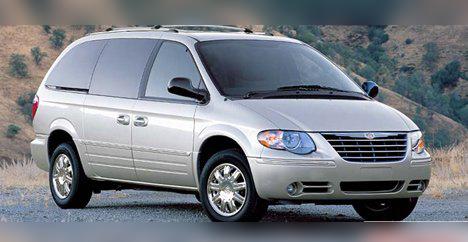
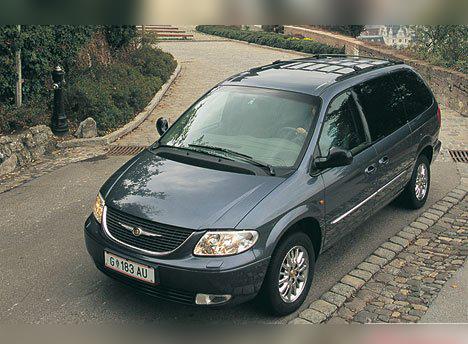
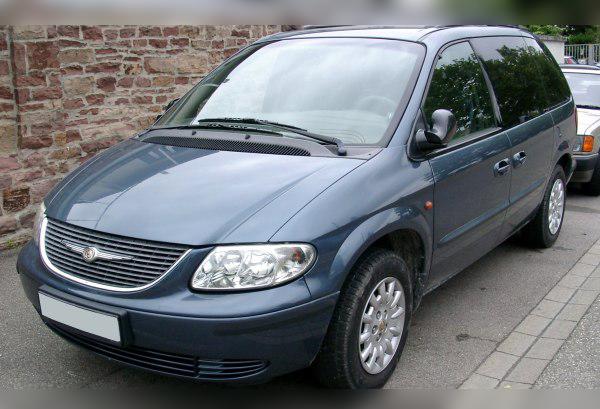
The EGH 3.8‑liter engine is one of the best‑known powerplants used in Chrysler Group vehicles. It is an old‑school engine with a cast‑iron block (in most iterations) and aluminum cylinder heads. It produces 160 kW (218 hp) and was mainly installed in heavy family cruisers – the legendary MPVs such as the Chrysler Voyager, Grand Voyager, Town & Country, as well as the sibling Dodge Caravan and the crossover Chrysler Pacifica.
This engine was designed with a focus on low‑end torque and smooth operation rather than top‑end racing performance. Its cam‑in‑block architecture (OHV – 12 valves) may sound archaic by European standards from the period when it was most popular, but that very simplicity is what earned it a reputation as an extremely durable engine.
Technical specifications
| Parameter | Data |
|---|---|
| Displacement | 3778 cc |
| Engine power | 160 kW (218 hp) |
| Torque | 332 Nm |
| Engine code | EGH |
| Injection type | MPI (Multi-Point Injection – indirect) |
| Aspiration | Naturally aspirated |
Reliability and maintenance
When it comes to the mechanical side, the EGH is a true workhorse. The engine uses a timing chain (not a belt), which is massive, short and extremely durable. Unlike modern engines where the chain stretches at 100,000 km, on this Chrysler it easily outlives the car itself. A rattling noise on cold start would indicate a weak tensioner, but that rarely happens.
Since it has a chain, a classic “major service” does not include timing replacement. However, it is recommended to replace the serpentine (PK) belt, idler pulleys, tensioner and water pump at around 120,000 to 150,000 kilometers. These parts are not expensive (depending on the market).
The oil pan capacity is about 4.7 liters of oil. The American manufacturer strictly recommends 5W‑20 or 5W‑30 grades. Due to age and mileage, these engines tend to consume some oil between changes. Consumption of 0.5 to 1 liter per 5,000 kilometers is considered normal for older examples. The main culprits for increased oil consumption are hardened valve stem seals or a clogged PCV valve (crankcase ventilation valve), which is very cheap and can solve the oil loss issue.
As for the spark plugs, they should be replaced every 100,000 kilometers if you use platinum or iridium plugs. However, there is one important practical problem: while the front bank of cylinders (three cylinders) is easily accessible from under the hood, the rear three spark plugs are crammed against the firewall. Replacement requires experience and often removal of the intake manifold or access from underneath, which increases labor cost at the workshop.
Specific parts and costs
European drivers are used to fearing expensive failures, but this 3.8 V6 is free of most of those nightmares. It does not have a dual‑mass flywheel – since these engines were almost exclusively paired with automatic transmissions, a hydraulic torque converter is used instead of a conventional clutch and flywheel.
The engine has no turbocharger, which automatically removes the risk of turbo failures and costly rebuilds. Fuel is delivered via a conventional multi‑point electronic injection system (MPI). The petrol injectors are very robust and rarely fail; sometimes they need ultrasonic cleaning due to poor fuel quality, but replacement is neither common nor financially exhausting (depending on the market).
Being a petrol engine, it does not have a DPF filter or AdBlue system. Still, emissions equipment is present in the form of an EGR valve. Over the years it can clog with soot, which shows up as rough idle, hesitation when you press the throttle and the “Check Engine” light on the dashboard. Cleaning the EGR valve is usually a quick and effective fix.
Fuel consumption and performance
This is the point that puts many buyers off. An engine of almost 3.8 liters in a body that weighs over 2 tons (such as the Grand Voyager) takes its toll at the fuel pump. Real‑world city consumption is between 16 and 18 liters per 100 km. Any promise from a seller that “it uses 12 liters in town” is physically impossible.
In terms of performance, the engine is not sluggish. Its 332 Nm of torque are available at relatively low revs, so the vehicle pulls convincingly from a standstill. However, it is not meant for aggressive acceleration; throttle response is deliberately tuned to be smooth and comfortable. Overtaking on country roads is handled routinely, accompanied by the characteristic deep V6 growl.
On the motorway it behaves like a true cruiser. Due to the old‑school 4‑speed gearbox, at 130 km/h the engine spins at around 2,600 to 2,800 rpm. Even though it lacks a fifth or sixth gear, cabin noise is minimal and highway fuel consumption drops to a more acceptable 10 to 11 liters.
Additional options and modifications
Because of the astronomical petrol consumption, the main question is: Is this engine suitable for LPG conversion? The answer is: Absolutely yes. This engine has hardened valve seats and MPI injection, which makes it an ideal candidate for a sequential LPG system. There is no need to install expensive valve lubrication systems (so‑called “valve savers”). With LPG fitted, the running cost of this massive MPV drops to the level of an average D‑segment diesel, which is the main reason for its popularity on the used‑car market.
When it comes to so‑called “chip tuning” (Stage 1), there is not much room to play. This is a workhorse, an old‑school naturally aspirated engine. By changing the fuel and ignition maps you might gain barely 10 to 15 hp, which you will not feel in a 2‑ton empty vehicle. Money earmarked for “chipping” is much better invested in a full service of the automatic transmission.
Gearbox and drivetrain
Chrysler paired the EGH 3.8 V6 exclusively with automatic transmissions (the most common is the 4‑speed 41TE transaxle, while AWD versions used the 41AE). A manual gearbox practically does not exist in combination with this engine in these vehicles.
This gearbox is the car’s Achilles’ heel. Although the unit itself is quite robust, the most common failures involve the input/output speed sensors and the solenoid pack. Symptoms include jerking when shifting from “P” into “D” or “R”, harsh shifts from second to third gear, or the gearbox going into limp mode, where it gets stuck in second gear. The cost of replacing the solenoid pack is moderate (depending on the market).
As mentioned, there is no dual‑mass flywheel. Failures of the torque converter itself are rarer, and the symptom is a slight vibration at around 60–80 km/h, similar to driving over corrugated asphalt.
Proper gearbox maintenance is critical! The fluid must be changed every 60,000 kilometers together with the filter. The most important note every owner must know: this gearbox must be filled with ATF+4 fluid only, as specified by Mopar. Using any other “universal” fluid (such as Dexron) will burn the clutches inside the gearbox within just a few thousand kilometers.
Buying used and conclusion
Before buying a used Voyager, Pacifica or Town & Country with the 3.8 engine, focus on the following points:
- Check for leaks: Inspect the oil pan and valve covers. The rear bank is hard to access, and the gaskets there tend to fail over time, causing oil to drip onto the exhaust manifold (which results in a burning smell in the cabin).
- Test the gearbox: The gearbox must shift smoothly, both when cold and after a long drive. Ask the seller for an invoice as proof of when the ATF+4 fluid was last changed.
- Engine noise (hydraulic lifters): The engine uses hydraulic valve lifters. If on a cold start you hear rhythmic ticking that does not disappear even when the engine warms up, it may mean the car has been driven with low oil level or the oil passages are clogged.
- LPG system: If you are buying a car that already has LPG installed, check the certification and what kind of vaporizer is fitted (it must be rated for over 160 kW, otherwise the engine will run lean at higher revs).
Who is this car for?
This is not a city car. If you need a vehicle for stop‑and‑go traffic and hunting for parking spaces, stay away from it because of its size and fuel consumption. However, if you have a larger family, often go on long motorway trips and are willing to install LPG, a Chrysler with the 3.8 V6 EGH engine will offer you an excellent level of comfort. It is robust, spacious, soft‑riding, and the engine’s mechanicals are old, proven and cheap to maintain compared to modern European turbo‑diesels.