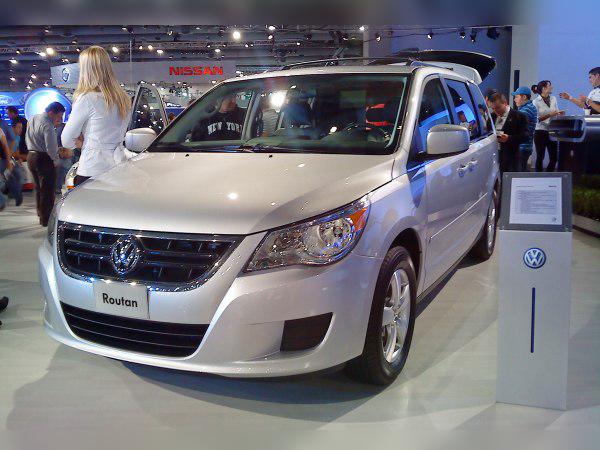
VW Routan 4.0 V6 (EGQ): Experiences, issues, fuel consumption and maintenance
Key points (TL;DR)
- Engine origin: This is not a typical Volkswagen engine. It is a Chrysler 4.0L SOHC V6 engine, because the Routan is essentially a rebadged Chrysler Town & Country.
- Timing service: The engine uses a timing belt, not a chain. Replacing it on time is critical to avoid catastrophic failure.
- Fuel consumption: Very high in city driving, expect double‑digit numbers. An ideal candidate for LPG.
- Transmission: It comes exclusively with the 62TE automatic transmission, known for its rough operation and specific failures.
- Power: With 251 hp, the engine is very potent and easily moves the heavy minivan body.
- Recommendation: An excellent choice for large families who don’t mind higher fuel consumption, but it requires regular maintenance of the cooling system and transmission.
Contents
Introduction: German badge, American heart
The engine with code EGQ is a specific “unicorn” in the Volkswagen world. It was installed primarily in the Volkswagen Routan, a model intended for the North American market, but it is often imported into Europe as a used vehicle. One thing needs to be clear right away: what’s under the hood is not a VW VR6 engine nor anything else from the VAG group.
It is a Chrysler 4.0‑liter V6 engine. This means that when you’re looking for parts or a mechanic, you’ll often find a solution more easily with Jeep, Dodge or Chrysler specialists than at an official VW service center, which may not have the tools for this specific unit. The engine is known for its linear power delivery and refined operation, but it also comes with certain American engineering quirks.
Technical specifications
| Parameter | Value |
|---|---|
| Engine code | EGQ (Chrysler 4.0 SOHC) |
| Displacement | 3952 cc (4.0 L) |
| Configuration | V6 |
| Power | 185 kW (251 hp) @ 6000 rpm |
| Torque | 351 Nm @ 4250 rpm |
| Fuel injection system | MPFI (Multi‑Point Fuel Injection) |
| Air induction | Naturally aspirated |
| Camshaft drive | Timing belt |
Reliability and maintenance
Belt or chain?
This engine uses a timing belt to drive the camshafts. This is very important information because many owners assume that large engines have a chain. This is an “interference” engine, which means that if the belt snaps, the pistons will hit the valves and cause catastrophic engine damage (bent valves, damaged cylinder head).
Major service and maintenance
It is recommended to replace the timing belt kit, together with the water pump and tensioners, every 160,000 km or 10 years (whichever comes first). However, given the age of these vehicles, many experienced mechanics advise shortening that interval to 100,000 – 120,000 km for safety. The cost of the major service falls into the “moderately expensive” category (depends on the market), because access to the engine in a minivan is often difficult.
Most common issues
Although mechanically robust, the EGQ engine has a few known weak points:
- EGR valve: One of the most common problems. It often sticks or the valve electronics fail, which leads to a “Check Engine” light, rough idle and stalling.
- Thermostat and thermostat housing: Coolant leaks from the thermostat housing or a stuck thermostat are common.
- Alternator: Alternators on these models are known to have a shorter lifespan, especially due to the high electrical load in well‑equipped trims.
- Oil leaks: Valve cover gaskets tend to harden and leak with age, so you may notice the smell of burning oil in the cabin.
Oil and spark plugs
The engine takes approximately 5.2 to 5.7 liters of oil (always check with the dipstick). The recommended grade is 5W‑30. As for oil consumption, this engine is not known as an “oil burner” if the piston rings and valve stem seals are in good condition. Consumption up to 0.5 liters per 10,000 km is acceptable; anything above that requires checking for leaks.
Spark plugs are replaced at around 100,000 km if quality iridium or platinum plugs are used. Replacing the rear three cylinders (towards the cabin) is complicated because it requires removing the intake manifold, so the mechanic’s labor is the expensive part here.
Specific parts (costs)
Dual‑mass flywheel: This engine is paired exclusively with an automatic transmission, so it does not have a dual‑mass flywheel. Instead, it uses a torque converter and a flexplate. That’s good news for your wallet, as there is no typical clutch and flywheel replacement.
Fuel injection system: It uses a classic MPFI system with port fuel injection. The injectors are very reliable, inexpensive to maintain and rarely cause problems. They are not as sensitive to poor‑quality fuel as direct‑injection systems (GDI/FSI).
Turbo and emissions equipment: The engine is naturally aspirated, with no turbocharger, which means one less (expensive) concern. Petrol engines of this type do not have a DPF filter or AdBlue system. They do have catalytic converters that can fail at high mileages, and the aforementioned EGR valve which, as mentioned, is a consumable item on this engine.
Fuel consumption and performance
Let’s be honest – this is a 4.0 V6 engine in a heavy vehicle with the aerodynamics of a brick.
- City driving: Expect consumption between 14 and 18 liters per 100 km. In heavy stop‑and‑go traffic it can go even higher.
- Highway: On the motorway things are better, with consumption dropping to around 9 to 11 liters per 100 km at speeds of 120–130 km/h.
Is the engine sluggish? Absolutely not. With 251 hp and 351 Nm, the Routan has plenty of power. Overtaking is easy, and the engine has that characteristic American V6 sound when you step on the gas. At 130 km/h the engine is relaxed, below 2500 rpm (thanks to 6th gear), which makes driving quiet and comfortable.
Additional options and modifications
Can it run on LPG?
YES! This engine is an ideal candidate for LPG conversion. Because it uses port injection, installation is standard (no need for an expensive system for direct injection) and the savings are huge considering the petrol consumption. The engine handles LPG very well, but it is important to install a quality system with a good vaporizer that can feed 250 hp. The tank is usually mounted under the vehicle or in the spare wheel well.
Chip tuning (Stage 1)
Since this is a naturally aspirated engine, chip tuning is not worth it. The gain would be only about 10 horsepower, which is barely noticeable in real driving. It’s better to invest that money in proper maintenance or an LPG system.
Transmission: Achilles’ heel?
The Routan 4.0 V6 comes exclusively with a 6‑speed automatic transmission designated 62TE (made by Chrysler).
Issues and behavior
This transmission is known for not being the most refined in the world. Typical symptoms of problems:
- Harsh gear changes (especially upshifts at low speeds).
- “Confused” shifting behavior (hesitation about which gear to select).
- Failures of the solenoid pack, which can cause the transmission to go into limp mode.
- Problems with the compounder (an additional gearset inside the transmission), which can manifest as whining noises or mechanical failure.
Transmission maintenance
Although manufacturers often claim the fluid is “lifetime fill”, for the 62TE transmission it is mandatory to change the fluid and filter every 60,000 km. This drastically extends the life of the solenoids and clutches inside the transmission. The cost of a full rebuild of this gearbox is considered “very expensive” (depends on the market), so prevention is crucial.
Buying used and conclusion
Before buying a Volkswagen Routan with the EGQ engine, pay attention to the following:
- Transmission: It should shift smoothly, without jolts when stopping and taking off. Check the color of the fluid (it should be reddish, not black).
- Fluid leaks: Look around the thermostat housing and valve covers.
- Air conditioning: These models have long A/C lines going to the rear of the vehicle, which are prone to corrosion and leaks (an expensive repair).
- Sliding doors: Check whether the power sliding doors operate without sticking, as the door motors often fail.
Conclusion: The VW Routan 4.0 V6 is a comfortable cruiser that offers huge space and a strong engine at a price often lower than that of “true” VW models (such as the Multivan). It is aimed at drivers who need space for 7 passengers and luggage, and who are willing to accept higher fuel consumption (or install LPG) and pay attention to automatic transmission maintenance. If you’re looking for a genuine “Das Auto” feeling, this is not the car for you, but if you want American comfort with a VW badge, this is the right choice.