Engine EKG 3.7 V6 (210 hp): Experiences, problems, fuel consumption and used-buying tips
- Brutally durable, but thirsty: Expect extremely high fuel consumption in city driving conditions.
- Timing chain drive: No classic major timing service, but chain replacement at high mileage is expensive (Depends on the market).
- Sensitive to overheating: Its biggest weakness is valve seat drop if the engine overheats even once.
- Naturally aspirated petrol: No turbocharger, no DPF, no AdBlue – fewer potentially expensive failures.
- LPG-friendly under one condition: It handles LPG very well, but requires careful mixture tuning and, ideally, a valve lubrication system (Flashlube).
- Performance and weight: Considering its 210 hp and the weight of the vehicles it powers, the engine feels quite sluggish on throttle.
Contents
- Introduction and basic information
- Technical specifications
- Reliability and maintenance
- Specific parts and costs
- Fuel consumption and performance
- Additional options and modifications
- Gearbox and drivetrain
- Buying used and conclusion
Introduction and basic information
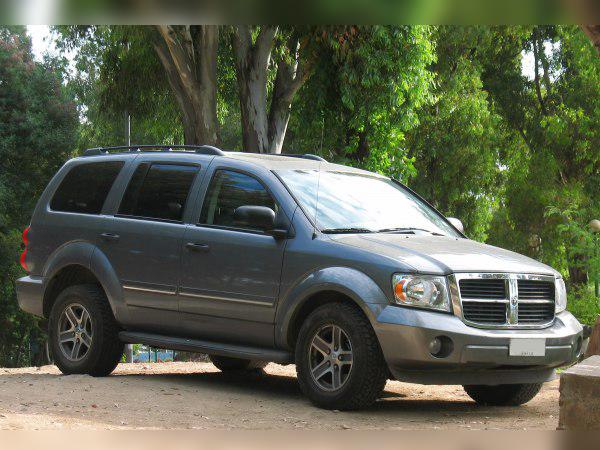
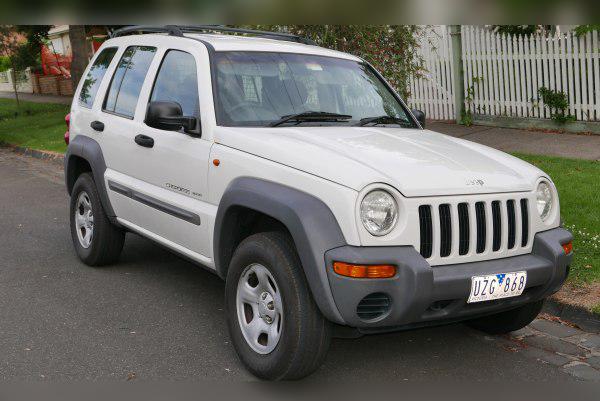
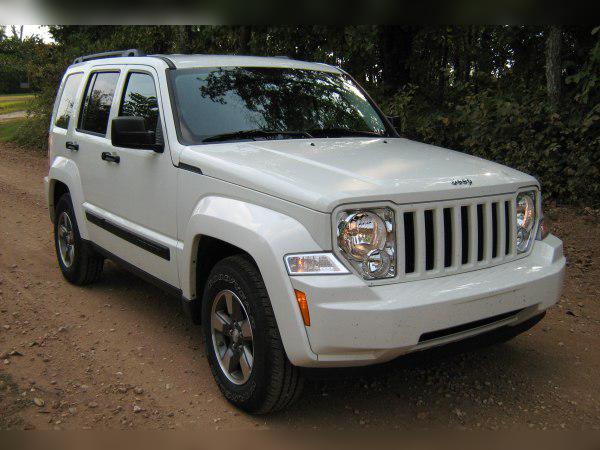
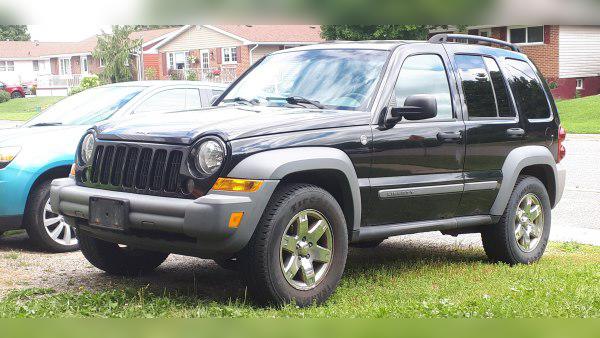
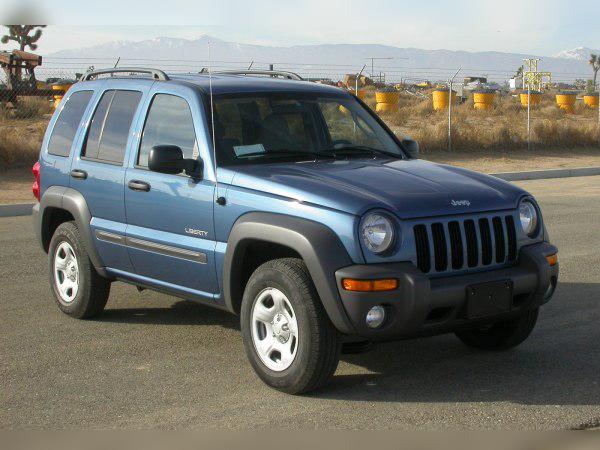
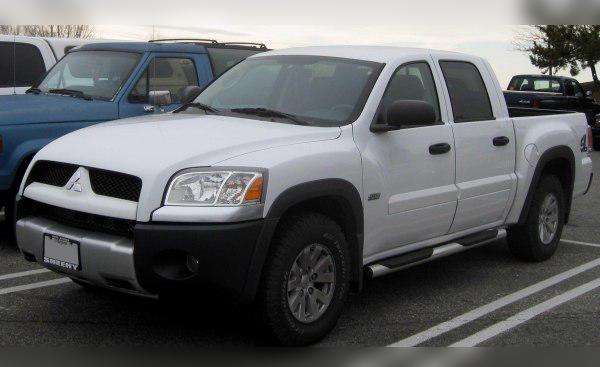
When we talk about the engine designated as EKG, we’re actually referring to the famous Chrysler 3.7L PowerTech V6 unit. This is true American “old-school” engineering. It was essentially created by engineers taking the larger 4.7 V8 and “cutting off” two cylinders. It was installed in heavy, robust vehicles in the mid-2000s, such as the Jeep Cherokee (Liberty in the US), Dodge Durango and Mitsubishi Raider.
This engine was designed to be a workhorse, not a race machine. The block is cast iron, while the cylinder heads are aluminum. That makes it extremely long-lasting if properly maintained, but due to its archaic design and the weight of the vehicles it powers, you shouldn’t expect miracles in terms of agility and fuel economy. The target group for this engine has always been drivers who value reliability over fuel consumption.
Technical specifications
| Parameter | Data |
|---|---|
| Engine displacement | 3701 cc |
| Power | 154 - 157 kW (210 hp) |
| Torque | 235 Nm |
| Engine codes | EKG (PowerTech V6) |
| Injection type | Multi-point electronic injection (MPI) |
| Turbo/NA | Naturally aspirated engine |
| Fuel | Petrol (Gasoline) |
Reliability and maintenance
Does this engine have a timing belt or chain?
The 3.7 EKG uses a timing chain (actually a system of three chains – one primary and two secondary for the camshafts). Because of this, there is no traditional “major timing service” interval at 90,000 or 120,000 km like on belt-driven engines.
At what mileage is the major timing service done?
Although the chain is not replaced on a strict schedule, in practice the chain tensioners and guides start to show signs of wear (rattling at cold start) between 200,000 km and 250,000 km. At that point it’s advisable to replace the complete timing set. The accessory belt and water pump are replaced as needed, usually around 100,000 km.
What are the most common failures on this engine?
Aside from normal wear and tear, the EKG has a few specific weak points:
- Valve seat drop: This is the most catastrophic failure. The cylinder heads are aluminum, and the valve seats are steel. If the engine overheats (due to a bad thermostat, coolant leak or faulty water pump), the aluminum expands faster than the steel, the seat comes loose from its bore, falls into the cylinder and destroys the piston, valve and cylinder head.
- Cracked exhaust manifold: Due to thermal stress, the bolts on the exhaust manifold (most often at the rear) frequently break, resulting in a characteristic ticking sound until the engine warms up.
- Clogged PCV valve: The crankcase ventilation system often clogs, which leads to sludge buildup in the engine and increased oil consumption.
- Hydraulic lifters: They are often noisy at cold start if quality oil is not used or oil change intervals are extended.
Oil, quantity and grade
This engine takes 4.7 liters of oil. The manufacturer strictly recommends 5W-30. Due to its tendency to form sludge, the oil change interval should never exceed 10,000 km, and in severe driving conditions (short city trips, towing), you should halve that interval.
Does it burn oil between services?
A healthy EKG engine should not consume much oil. However, due to vehicle weight and age, consumption of up to 0.5 liters per 1,000 km is considered acceptable according to factory specifications. If it burns more, the problem is usually the aforementioned PCV valve or stuck oil control rings.
Spark plugs and ignition system
Since this is a petrol engine, spark plugs are crucial for smooth operation. From the factory it uses copper spark plugs that need to be replaced every 40,000 to 50,000 km. If you use more modern iridium plugs, the interval can be extended, but given that the plugs are easily accessible on this engine (one coil per plug), regular replacement of copper plugs is not a major expense. Coils occasionally fail due to age (symptoms: jerking and misfire on diagnostics).
Specific parts and costs
Fuel injection system
The EKG uses a simple and extremely reliable multi-point (MPI) electronic injection. Injectors rarely cause problems, and when they do, it’s usually due to poor fuel quality. Symptoms are rough idle or extended cranking when starting. Ultrasonic cleaning usually solves the problem, and new injectors are not overly expensive (Depends on the market).
Turbo, DPF, AdBlue and EGR
This is great news for used-car buyers: The engine has no turbocharger! It is fully naturally aspirated, which eliminates one of the most expensive failures on modern vehicles. Also, since it’s a petrol engine, it has no DPF filter and no AdBlue system.
What it does have is an EGR valve, which recirculates exhaust gases to reduce emissions. Over time the EGR can clog with soot, causing rough idle (fluctuating rpm) and a Check Engine light. Cleaning is cheap, and even replacing the entire unit is not expensive (Depends on the market).
Fuel consumption and performance
Real-world consumption and chassis weight
Let’s be honest, the 3.7 V6 is a very thirsty engine. In city driving (stop-and-go, winter temperatures), consumption rarely drops below 16 to 18 l/100 km, and in heavier SUVs like the Dodge Durango it can reach a full 20 l/100 km.
Is the engine lazy? Yes, absolutely. Although 210 hp sounds decent, the torque of 235 Nm is relatively low for moving an empty vehicle weighing close to two tons. The engine has to rev higher to deliver its power, which further increases fuel consumption and creates a feeling of “struggle” during hard acceleration and overtaking.
Behavior on the highway
On the highway the situation is somewhat better, but the boxy design of the models it’s installed in (especially the Jeep Cherokee/Liberty) creates huge aerodynamic drag. At 130 km/h, the engine combined with the old automatic gearboxes cruises at around 2,500 to 2,800 rpm. Fuel consumption on the open road ranges between 11 and 13 l/100 km. Noise insulation and smoothness at these revs are acceptable, but the lack of a sixth or seventh gear on most models is clearly noticeable.
Additional options and modifications
Is this engine suitable for LPG conversion?
Due to the enormous fuel consumption, installing LPG is almost a must for owners in Europe. The engine handles LPG very well, but with one major warning: as already mentioned, the valve seats are sensitive to the higher temperatures that LPG generates. Therefore, the following is recommended:
- Precise mapping of the LPG system (it must not run on a “lean” mixture).
- Installation of an additional valve lubrication/cooling system (so-called Flashlube).
- Avoid prolonged full-throttle driving on LPG (e.g. towing a heavy trailer uphill – in such conditions switch to petrol).
Chiptuning (Stage 1)
Plain and simple: Money wasted. Due to its naturally aspirated design and focus on longevity, a Stage 1 remap can extract at most 10 to 15 hp and a negligible amount of extra torque. You won’t feel any real difference in performance, and fuel consumption will not decrease.
Gearbox and drivetrain
Types of gearboxes
The following gearboxes are most commonly found with the EKG engine:
- 4-speed automatic (42RLE): The most common choice in Jeep Liberty and Cherokee models. This gearbox is outdated, slow to shift and has long gear ratios that further choke the engine.
- 5-speed automatic (W5A580 / NAG1): Introduced in later series. This is a reliable Mercedes gearbox that makes much better use of the engine’s power and offers a more comfortable drive.
- 6-speed manual (NSG370): Less common. A very robust gearbox originating from off-road applications, with rather rough shifting that feels like driving a small truck.
Failures and clutch replacement (Dual-mass flywheel)
On versions with an automatic gearbox there is no dual-mass flywheel (they use a classic torque converter). The biggest weakness of the 4-speed 42RLE is ATF overheating under heavy use. Failure symptoms are jerking when shifting from P to R or D, and slipping between second and third gear.
On the rare models with a manual gearbox, whether the vehicle has a dual-mass or solid flywheel cannot be determined 100% without the VIN (it depends on trim level and payload rating). Most are equipped with a durable single-mass flywheel. Clutch replacement on the manual is average for off-road vehicles – noticeably expensive for the average driver (Depends on the market).
Gearbox maintenance
Regardless of which automatic gearbox your vehicle has, the factory-prescribed interval or common practice is: drain the old ATF, replace the transmission filter and pan gasket every 60,000 km. Machine flushing of the gearbox is strongly discouraged on vehicles with more than 150,000 km, as it can dislodge sludge and permanently block the valve body.
Buying used and conclusion
What exactly should you check before buying?
If you’ve set your sights on a Jeep or Dodge with the 3.7 V6 engine, these are the steps you must take:
- Cooling system: This is a matter of life and death for the EKG engine. Open the radiator cap (when the engine is cold!). The coolant must be clean. If you see rust, brown sludge or a mayonnaise-like mixture – walk away. That engine has overheated and it’s only a matter of time before a valve seat drops.
- Noise at cold start: Start a completely cold engine. Listen to the top of the engine and the front timing cover. Ticking that disappears after a couple of minutes points to lifters or a cracked exhaust manifold (fixable). A metallic rattle from the front means the chain tensioners are done – the repair is expensive (Depends on the market).
- Condition of the oil and valve cover area: Remove the oil filler cap and look inside with a flashlight. If you see thick, baked-on oil deposits, the engine has been neglected (clogged PCV system, extended service intervals).
- Gearbox test: While stationary, press the brake and shift P-R-N-D. The gearbox may make a slight bump, but it must not “slam” hard with a metallic sound. On the road, it must shift through all gears smoothly without the revs flaring up “in neutral”.
Who is this engine for?
The Chrysler 3.7 V6 EKG is not for everyone. If you’re looking for an economical SUV for city traffic and school runs, this engine will bury you in fuel bills. On the other hand, if you need a massive and simple “off-roader” that can tow, survive mud and snow, and you maintain it regularly with quality oil and clean coolant, this engine will serve you for hundreds of thousands of kilometers without the major failures typical of modern diesels. Just install a good LPG system and enjoy the cruising.