3.7 V6 EKG Engine (214 hp) – Experiences, Issues, Fuel Consumption and Used-Buying Tips
Key points (TL;DR)
- Robust and simple old-school naturally aspirated V6 without complex modern add-ons.
- The timing system uses a chain, which means there is no classic, expensive major timing-belt service.
- Extremely high fuel consumption, especially in city driving in heavy vehicles (SUVs and pickup models).
- Handles LPG installation very well, which is almost mandatory for economical running.
- No expensive failures related to turbochargers, DPF filters or sensitive high‑pressure injectors.
- When buying, pay most attention to chain noise on cold start and the operation of the automatic transmission.
Contents
- Introduction: A workhorse in the American tradition
- Technical specifications
- Reliability and maintenance
- Specific parts (costs)
- Fuel consumption and performance
- Additional options and modifications
- Transmission and drivetrain
- Buying used and conclusion
Introduction: A workhorse in the American tradition
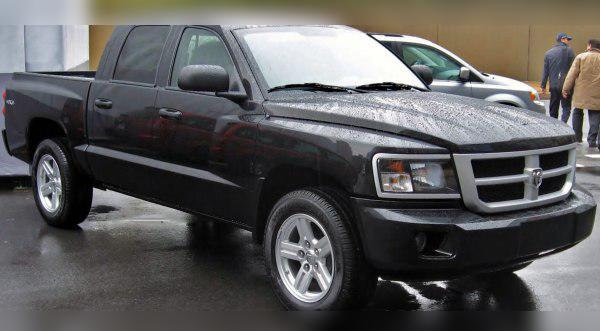
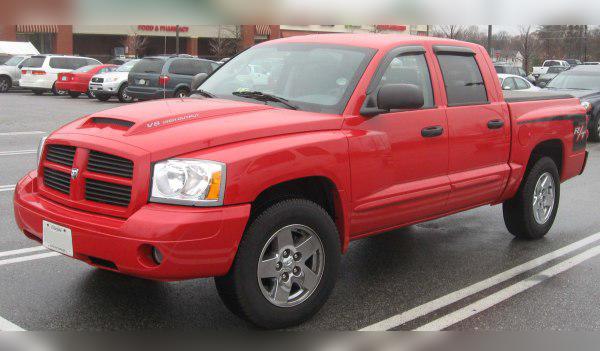
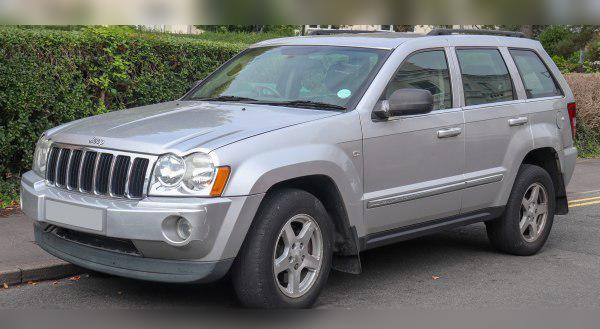
When American engineers designed Chrysler’s 3.7 V6 engine with the code EKG (part of the PowerTech family), the recipe was simple: they took their proven 4.7 V8 and “cut off” two cylinders. The result is a 3.7‑liter engine producing 157 kW (214 hp), with a cast‑iron block and aluminum heads. This engine was the backbone of the lineup for heavy duty and off‑road vehicles during the first decade of the 2000s. It was installed in workhorses such as the Dodge Dakota III, the massive Dodge Durango II, as well as the popular Jeep Grand Cherokee III (WK).
This is not an engine designed for racing and high revs, but a classic “mule” intended for reliable towing, tackling rough terrain and cruising. As such, it has specific maintenance requirements, but it rewards the owner by the absence of expensive electronics.
Technical specifications
| Specification | Data |
|---|---|
| Engine displacement | 3701 cc |
| Power | 157 kW (214 hp) |
| Torque | 319 Nm |
| Engine code | EKG (PowerTech) |
| Injection type | MPI (Multi‑Point Injection – into the intake manifold) |
| Induction | Naturally aspirated |
Reliability and maintenance
Timing belt or chain?
The 3.7 V6 EKG uses a timing chain. More precisely, the system consists of one primary and two secondary chains that drive the camshafts. Thanks to this solution, there is no classic major service with a strict replacement interval (like replacing a timing belt every 90,000 km). Still, the chain is not eternal. An inspection is recommended after 200,000 km. Rattling from the front of the engine on cold start is a clear symptom that the tensioners or chain guides are worn and that the chain set needs to be replaced, which falls into the category: expensive (depends on the market).
Most common failures and weak points
Mechanically, the engine block is virtually indestructible, but there are peripheral components that cause headaches. The most common problem is the PCV valve (crankcase ventilation valve). When it clogs, pressure in the block rises and the engine starts to push oil out through gaskets and crankshaft seals. Replacing the PCV valve is cheap and should be done preventively.
Another known weak point are the hydraulic lifters and rocker arms. If the engine is not serviced regularly or inappropriate oil is used, you will hear a characteristic ticking from the top of the engine. In rare and extreme overheating cases, earlier models (before 2006) had an issue with valve seats dropping out of their pockets, which leads to serious engine damage. That’s why maintaining the cooling system and regularly changing the coolant is critical.
Oil and minor service
This V6 takes about 4.7 liters of oil. The manufacturer strictly recommends a 5W‑30 grade (for some climates and variants the manual also lists 5W‑20). Minor service intervals should never exceed 10,000 to 12,000 km. Due to displacement and thermal load, the oil degrades quickly. Normal oil consumption between services on a healthy engine is negligible, but up to 0.5 liters per 1000 km is tolerated on older examples. Anything above that points to hardened valve stem seals or worn piston rings.
Spark plugs and ignition
Since this is a classic petrol engine with two valves per cylinder, standard copper spark plugs are used. The manufacturer requires their replacement every 48,000 to 60,000 km. Although the plugs themselves are cheap, if they stay in the block for too long, the electrode wears, resistance increases, and this directly burns out the ignition coils. The first symptom of bad plugs or coils is hesitation under acceleration and loss of power accompanied by a “Check Engine” light.
Specific parts (costs)
Dual‑mass flywheel and clutch
The vast majority of these engines are paired with automatic transmissions, and they do not have a dual‑mass flywheel, but use a hydraulic torque converter. If by any chance you find a rare version with a manual gearbox (in some Dakota or early‑production Durango models), replacing the clutch kit does not involve the cost of an expensive dual‑mass flywheel – the clutch is a classic heavy‑duty unit and the cost is: acceptable (depends on the market).
Injection, turbo and emissions
The injection system is multi‑point (MPI), which means the engine has low‑pressure injectors directly in the intake manifold. These injectors are extremely reliable and rarely fail, and even when they clog, cleaning them in an ultrasonic bath is usually all that’s needed.
This is a naturally aspirated engine – it has no turbocharger, let alone two. That frees you from the huge potential costs of turbo overhauls that are a nightmare for modern diesel owners.
Also, this engine has NO DPF filter or AdBlue system. Forget about warning lights for a clogged DPF and problems with AdBlue crystallization. However, the engine does have an EGR valve that recirculates exhaust gases to reduce NOx emissions. Over time the EGR valve gets clogged with soot, which leads to rough idle or stalling when coming to a stop. Removing and cleaning the EGR valve solves the problem and is not expensive (depends on the market).
Fuel consumption and performance
Is the engine “lazy”?
With its 214 hp and 319 Nm, this V6 sounds powerful on paper. However, peak torque is available only at higher revs (around 4000 rpm). When you put this engine in a Jeep Grand Cherokee or Dodge Durango that weighs over 2.2 tons with passengers, you get an engine that in practice feels “lazy” during sudden acceleration. It responds sluggishly to throttle inputs at low revs, so don’t expect sporty acceleration. Its strength is blunt, diesel‑like pulling power, not responsive racing agility.
Fuel consumption
This is the sorest point of the 3.7 V6 EKG. The aerodynamics of a brick combined with a heavy chassis and old‑school engine technology take their toll at the fuel pump. Real‑world consumption in city driving rarely drops below 16–18 l/100 km, and in heavy traffic it can reach up to 20 liters.
On the open road things improve. On the motorway, at 130 km/h, with a 4‑speed or 5‑speed automatic, the engine usually cruises at a relaxed 2300–2500 rpm. Consumption then is around 11–13 l/100 km. It’s clear why petrol is not an ideal choice without additional modifications.
Additional options and modifications
LPG installation
Because of the huge fuel consumption, the question of LPG installation is crucial. The good news: Yes, this engine is extremely suitable for a sequential LPG system. Due to MPI injection, installation is standard and not complex. However, there is an important warning: valve seats on Chrysler/Jeep V6 engines can be sensitive to the higher combustion temperatures of LPG. That’s why it is strongly recommended to install a valve lubrication system (so‑called drippers / flashlube) and to occasionally drive on petrol to preserve the cylinder head.
“Chipping” (chiptuning – Stage 1)
If you are planning a Stage 1 remap (chiptuning) of this engine – give up in time. Since this is a naturally aspirated petrol without a turbo, software changes to fueling and ignition parameters will at best give you a gain of 10 to at most 15 hp and about 15 Nm of torque. On a body weighing over two tons you won’t feel that in practice. Map optimization only makes sense if it is done to perfectly match the engine with a newly installed LPG system, not for performance.
Transmission and drivetrain
The 3.7 V6 most often comes with an automatic transmission. In models such as the Jeep Grand Cherokee and Dodge Dakota, the most common is Chrysler’s 42RLE (4‑speed automatic), while later versions (especially in the Jeep) also received the far superior Mercedes 5‑speed automatic (W5A580/NAG1). Manual gearboxes (six‑speed Getrag) are extremely rare on the used market in these vehicles.
Transmission failures and maintenance
The main problem of the 42RLE transmission is overheating. If the vehicle was often used for towing heavy trailers without an additional transmission oil cooler, the clutches inside the gearbox suffer. Symptoms are shuddering when shifting from first to second gear, “slipping” (revs rise, the car doesn’t accelerate) and harsh engagement into Drive or Reverse.
The rule for long life of these transmissions is ruthless pedantry in maintenance. Transmission fluid (with filter) must be changed every 60,000 km. Never believe stories about “lifetime fluid”. Special note: Chrysler/Jeep automatics must use only fluid that meets the ATF+4 specification. Filling them with universal Dexron fluids will quickly destroy the gearbox.
Buying used and conclusion
What to check before buying?
When looking at a used car with the 3.7 V6, your inspection should start with a cold start. Ask the seller not to start the vehicle before you arrive.
- Noise at start‑up: Listen to the front of the engine and the top (valve covers). Rattling for a second or two after starting indicates a stretched chain and bad tensioners. Metallic ticking that follows engine speed points to hydraulic lifters.
- Condition of fluids: Look at the coolant – it must not have traces of oil (a symptom of a blown head gasket due to overheating). Unscrew the oil filler cap; the appearance of “mayonnaise” or white sludge can be a sign of coolant entering the oil, although in winter it can also be condensation from short city trips.
- Test drive: Focus on the transmission and drivetrain (4x4). The gearbox must shift smoothly. On 4x4 models, check on grass or gravel whether the low‑range engages and whether the front driveshaft “rings”.
- Around the engine: Check for oil residue around the PCV valve and along the valve cover joints.
Final verdict: Who is this engine for?
The Chrysler 3.7 V6 EKG is not an engine you buy with your head when you look at fuel consumption; you buy it for its indestructible mechanics. It is intended for drivers who need heavy off‑road vehicles or pickups for work, towing and getting out into nature, and who are afraid of repairing modern diesel engines. With a quality LPG system, running costs of this engine drop to the level of an average diesel, but with complete peace of mind regarding turbos, dual‑mass flywheels (on automatics) and DPF filters. If you provide it with regular oil and coolant changes, this V6 will take you anywhere safely.