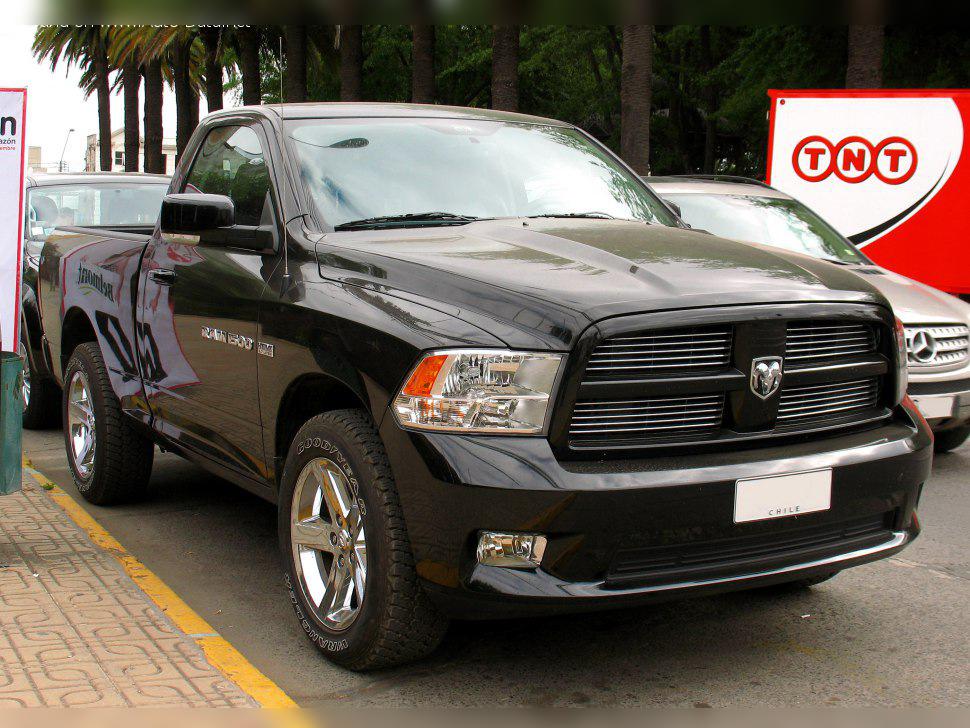
EVE 4.7 V8 Engine (310 hp): Experiences, Problems, Fuel Consumption and Used-Buying Tips
Key points in brief (TL;DR)
- This is a reliable and robust older-generation naturally aspirated V8, without sensitive turbochargers and DPF filters.
- It uses a timing chain, so it does not require the typical expensive major timing belt service.
- It has a specific ignition system with 16 spark plugs (two per cylinder), which makes maintenance more expensive.
- The main downside is high fuel consumption, but the engine is ideal for LPG (autogas) conversion.
- It is prone to oil sludge formation if services are not done regularly.
- A characteristic issue is exhaust manifold stud/bolt failure (you hear a metallic “tapping” noise on a cold start).
- It is paired with a conventional automatic transmission and does not have a dual-mass flywheel.
Contents
- Introduction: An American workhorse in European conditions
- Technical specifications
- Reliability and maintenance
- Specific parts and costs
- Fuel consumption and performance
- Extras: LPG and remapping
- Transmission: Maintenance and failures
- Buying used and conclusion
Introduction: An American workhorse in European conditions
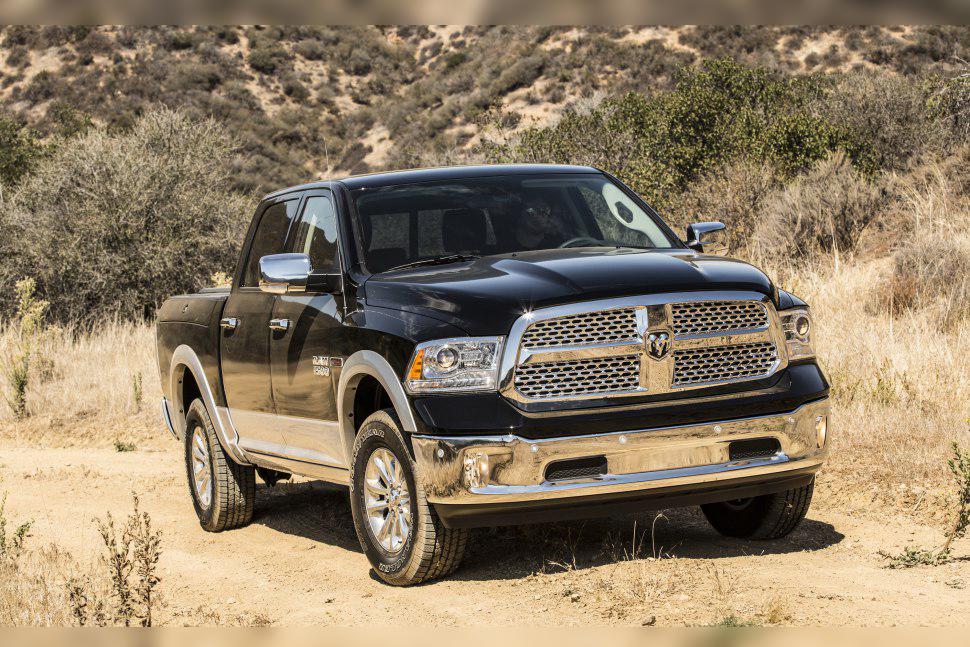
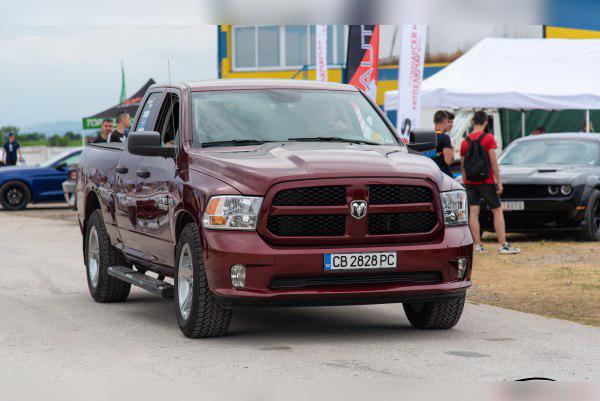
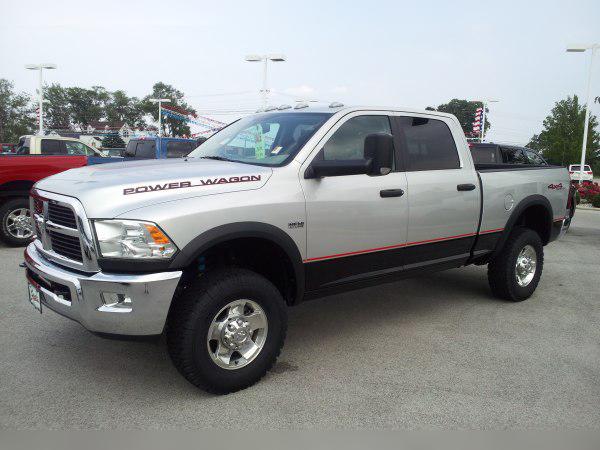
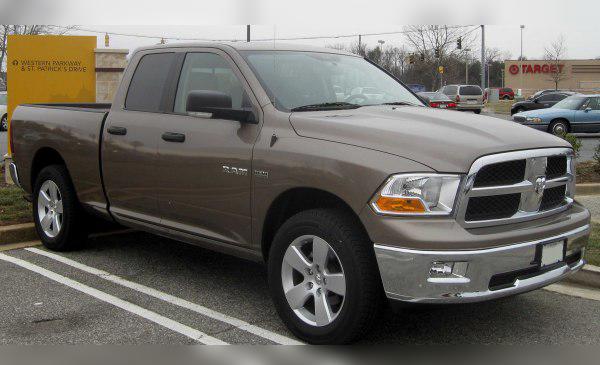
The engine with the code EVE (4.7 V8 Corsair/High Output) is the final and most powerful evolution of the well-known PowerTech V8 family. With 310 hp and 447 Nm of torque, it was designed to haul massive bodies such as the RAM 1500 (DS platform). Although in the pickup world most people always looked toward the larger 5.7 HEMI, the 4.7 V8 has proven to be an extremely dependable workhorse for daily use and hard work, without excessive electronic complications. However, it does have its own specific requirements when it comes to basic maintenance, which many owners unfortunately neglect.
Technical specifications
| Specification | Value |
|---|---|
| Displacement | 4701 cc |
| Power | 228 kW (310 hp) |
| Torque | 447 Nm |
| Engine code | EVE (PowerTech / Corsair) |
| Injection type | MPI (Multi-Point Injection) |
| Induction | Naturally aspirated |
Reliability and maintenance
Timing belt or chain?
The timing on this engine is driven by a system of three chains. This means there is no classic major service that involves replacing a timing belt every 100,000 km. The chains are long-lasting, but at around 200,000 to 250,000 km they can stretch and the plastic guides and hydraulic tensioners can wear out. Replacing the complete timing set can be quite expensive (depends on the market).
Most common failures and weaknesses
This engine is robust, but it does not tolerate poor maintenance. The main issues include:
- Oil sludge formation: This engine has narrow oil passages. If oil change intervals are extended, the notorious sludge forms, clogging the passages and leaving the lifters and camshafts without lubrication, which leads to engine failure.
- Exhaust manifold bolt/stud failure: Due to thermal stress, the bolts on the exhaust manifolds tend to break. The symptom is a sharp metallic “tapping” or “ticking” noise on a cold start, which disappears after a minute or two once the metal heats up and expands.
- Overheating and valve seats: If the water pump fails or coolant leaks occur, overheating often results in valve seats dropping out of the cylinder head, which requires machining and a full top-end rebuild.
Minor service: Oil and oil consumption
The engine takes about 5.7 liters of oil. The factory recommendation is usually 5W-20 (or 5W-30 for certain climates). It is very important to use the viscosity grade specified by the manufacturer for proper chain and lifter operation. To avoid sludge formation, the oil must be changed every 10,000 km, without compromise.
Does it burn oil? Yes, older examples usually consume some amount. Consumption of 0.3 to 0.6 liters per 1000 km is considered acceptable for its age, and the most common cause is not worn piston rings but a faulty and clogged PCV valve (crankcase ventilation valve) or worn valve stem seals.
Spark plugs – A major expense
This is the item that surprises many buyers. The EVE version (310 hp) has two spark plugs per cylinder – 16 spark plugs in total! One bank usually uses conventional copper plugs (changed at around 50,000 km), while the other bank uses iridium plugs (which can last up to 150,000 km). The cost of replacing all 16 spark plugs can be high (depends on the market).
Specific parts and costs
Flywheel and clutch
In RAM 1500 models this engine comes exclusively with automatic transmissions, which means it does not have a dual-mass flywheel. Power is transmitted via a hydraulic torque converter. This eliminates a major and expensive failure typical of modern diesels with manual gearboxes.
Fuel injection system, turbo and DPF
The injection system is good old MPI (Multi-Point Injection). Petrol injectors are extremely reliable and rarely require any intervention, apart from preventive ultrasonic cleaning on very high-mileage examples. Thanks to the nature of the MPI system, this engine is an excellent candidate for aftermarket LPG conversion. It has no turbochargers, no DPF filter and no AdBlue system, which drastically reduces ownership costs.
EGR valve
Yes, it does have an EGR valve (Exhaust Gas Recirculation). Over time it can accumulate soot mixed with oil vapors, which causes it to stick. The driver will notice this as an unstable idle, a “flat spot” when applying throttle, or even stalling when coming to a stop.
Fuel consumption and performance
Is it underpowered for such a big vehicle?
The RAM 1500 is a pickup that weighs close to 2.5 tons. With 310 hp and 447 Nm, the engine is by no means “lazy”. It has very strong low-end pulling power. However, do not expect sports-car acceleration; it delivers power linearly and is intended for cruising and towing.
Real-world fuel consumption
Let’s be honest: this is a 4.7-liter V8. The RAM’s aerodynamics are similar to those of a kiosk, and the weight is huge. City consumption ranges from 18 up to 22 liters of petrol per 100 km. On the motorway things are somewhat better. Thanks to the “long” gearing in the automatic transmission, at 130 km/h the engine cruises at a very relaxed 2000 to 2200 rpm (depending on the differential ratio on the specific vehicle). Motorway consumption is between 13 and 15 liters per 100 km.
Extras: LPG and remapping
Should you install LPG?
Absolutely YES. The MPI injection and naturally aspirated design make this 4.7 V8 a perfect candidate for a sequential LPG system. Given the fuel consumption, the investment in an LPG kit pays off very quickly. You need to find a good specialist who will correctly size the vaporizer (or install two) for the 310 hp output, so that the system runs stably under full load.
Remapping (Stage 1)
Since this is a naturally aspirated petrol engine without a turbo, a “remap” or so‑called Stage 1 is completely not worth it. By optimizing the maps you can gain at most around 15 hp, which in a 2.5‑ton vehicle you will not feel at all. It is much wiser to invest that money in regular servicing of the ignition system.
Transmission: Maintenance and failures
Which transmissions come with this engine?
In Europe and on the global market, the RAM 1500 with this engine (DS generation) was sold exclusively with automatics. Manual gearboxes are statistically negligible. You will most often encounter the 5‑speed (545RFE) or later the software‑modified 6‑speed (65RFE) conventional automatics with a torque converter.
Automatic transmission maintenance
These gearboxes are known to be massive and almost indestructible, but only if they have good cooling and clean oil. The interval for changing the ATF and the two filters (spin‑on and the flat pan filter) is around 60,000 to 80,000 km. Do not believe any claims about “lifetime fill”.
Most common transmission failures
Failures most often occur with drivers who frequently towed heavy trailers without installing an additional transmission oil cooler. Overheated oil destroys the clutch packs (friction discs). The solenoid pack (electro‑hydraulic valve body) can also be problematic; its failure manifests as harsh shifts, going into so‑called “Limp Mode” (protective mode in third gear) or an illuminated Check Engine light. Replacing the module is moderately expensive (depends on the market).
Buying used and conclusion
What exactly should you check before buying?
- Listen to the engine when cold: Before you buy, insist that the engine be completely cold when you arrive. If you hear ticking from the wheel-well area on startup, the exhaust manifold bolts/studs are broken. If you hear loud rattling from the front of the engine, the timing chain needs replacement.
- Look under the oil filler cap: Open the cap on the valve cover. If you see black sludge or clumps resembling mud, walk away from that vehicle – the engine has not been maintained and its lifespan is likely seriously compromised.
- Test the transmission: The gearbox must shift smoothly, both cold and hot. Pay special attention to the shift from 2nd to 3rd, and when you move the selector from “P” to “R” – there should be no strong, dull thumps in the driveline or suspension.
- Check the differential (if it’s 4x4): Test low range and four‑wheel drive on a loose surface, and listen for whining or knocking noises when changing drive modes.
Final verdict
The 4.7 V8 EVE (310 hp) is old-school. It is not efficient, it uses a lot of petrol and it is not equipped with modern fuel‑saving technologies. However, this is precisely where its biggest advantage as a used buy lies. There are no thousand‑euro injectors, no dual‑mass flywheel, no DPF and no turbochargers. Who is it for? It is intended for people who need a powerful work or family vehicle (RAM 1500), who are aware of the registration costs and the size of the vehicle, and who plan to install (or already have) an LPG system. With quality synthetic oil changed on time and regular coolant replacement, this American will cover hundreds of thousands of kilometers without issues.