EZC 5.7 Hemi V8 Engine (383 hp): Real-world experience, issues, fuel consumption and used-buying tips
Key points in short (TL;DR)
- Excellent naturally aspirated V8: Robust, powerful and designed for towing and heavy loads in RAM 2500/3500 models.
- Fuel consumption is massive: In city driving expect 20–25 l/100 km of gasoline.
- Ideal for LPG conversion: Because of the high fuel consumption, an LPG system is a lifesaver for your wallet, and the engine handles it very well.
- Most famous issue (“Hemi Tick”): Problems with lifters and camshaft due to poor lubrication when idling.
- Exhaust manifold bolt breakage: A common failure that causes an annoying rattling sound until the engine warms up.
- Transmission maintenance is crucial: The automatic gearboxes can handle a lot of torque, but require regular oil changes every 60,000 km.
- It has 16 spark plugs: Spark plug replacement is more expensive because there are two plugs per cylinder.
Contents
- Introduction: An icon of the American auto industry
- Technical specifications
- Reliability, maintenance and common failures
- Specific parts and costs
- Fuel consumption and performance
- Extras, LPG and modifications
- Transmission and drivetrain
- Buying used and conclusion
Introduction: An icon of the American auto industry
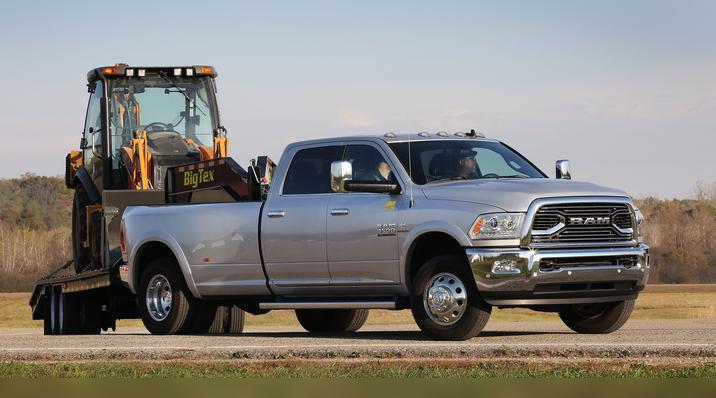
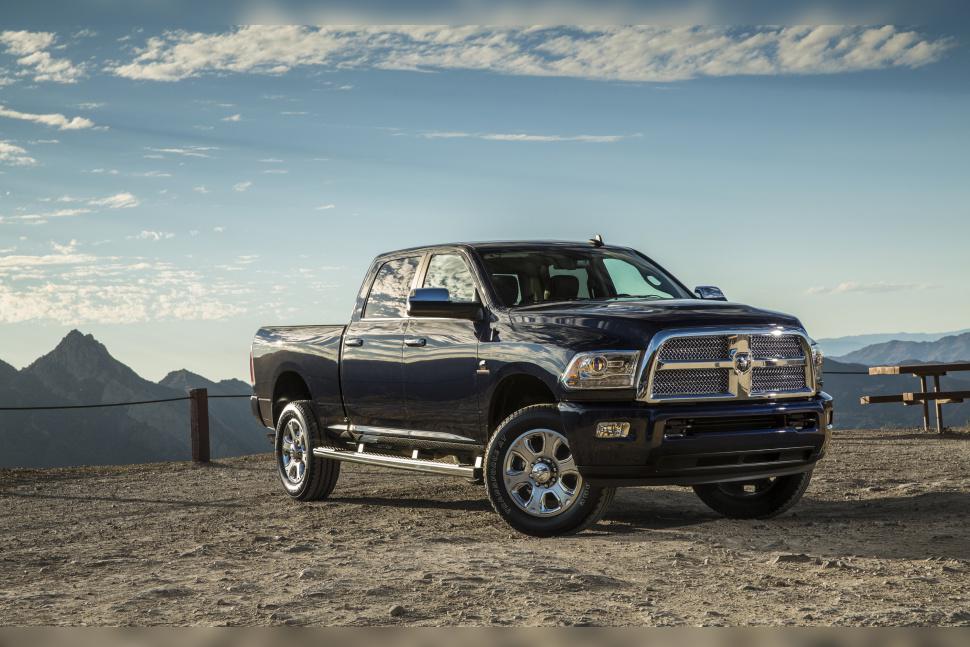
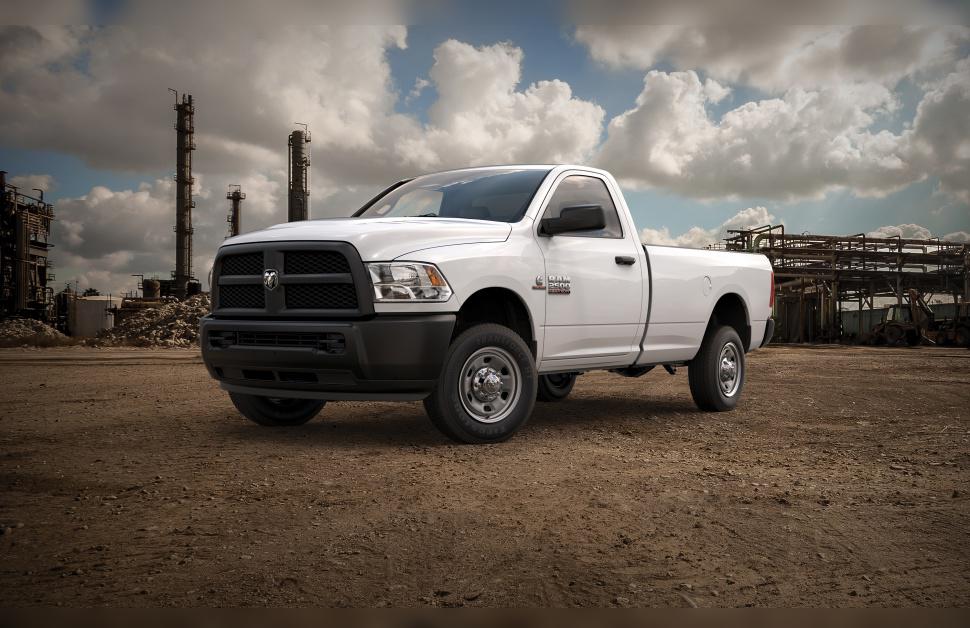
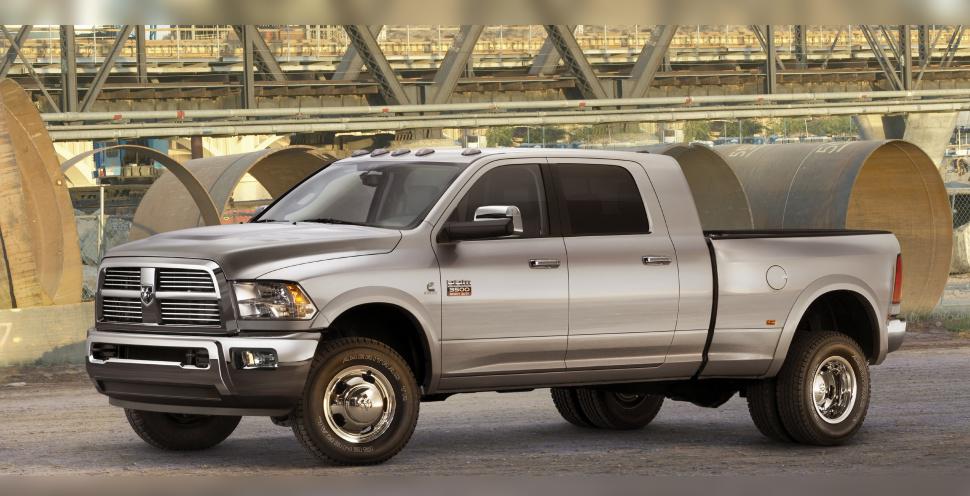
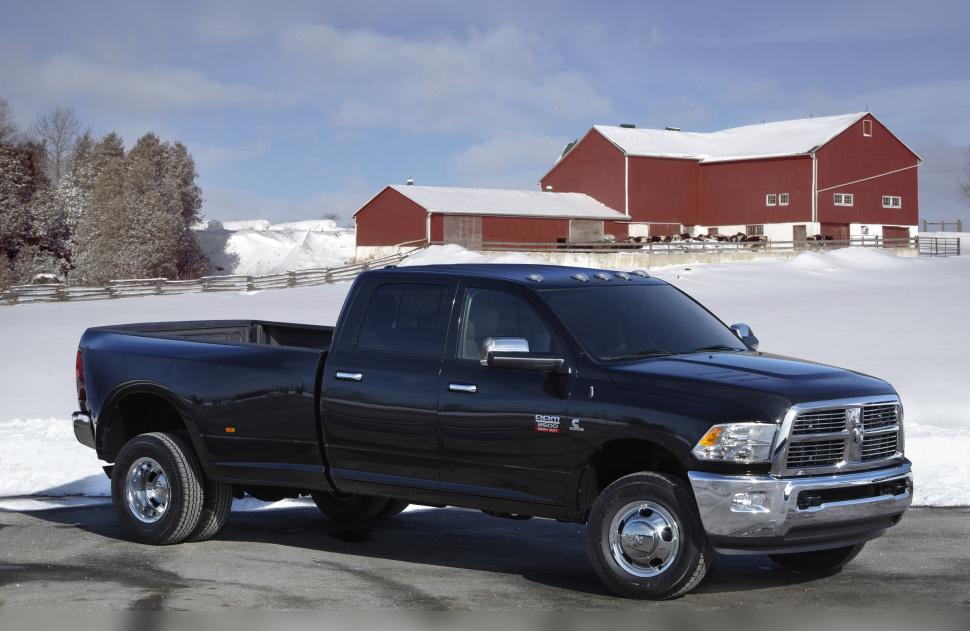
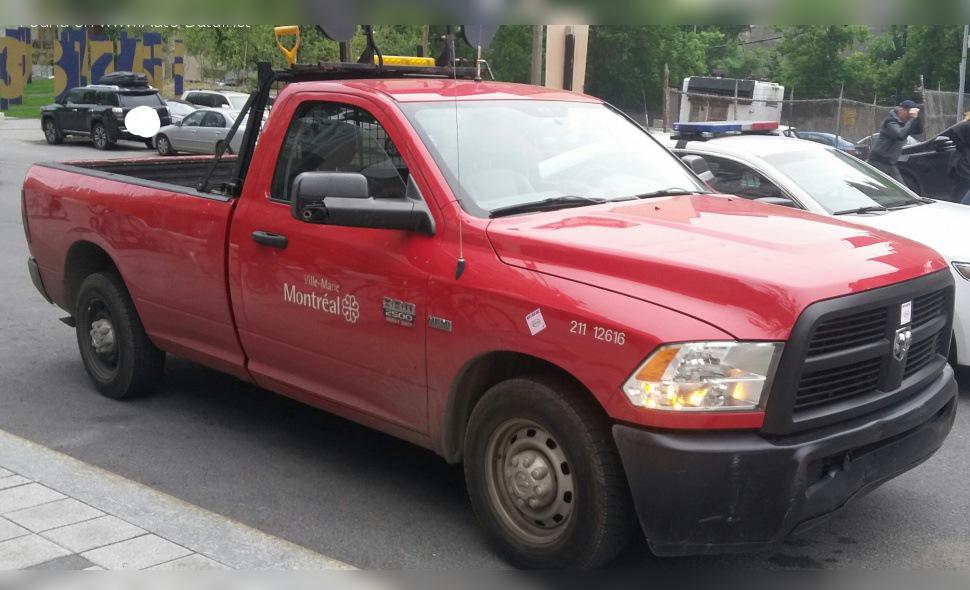
When we talk about “heavy-duty” pickup trucks, the 5.7 Hemi V8 badge commands respect. The engine with the code EZC produces an impressive 286 kW (383 hp) and was installed in the so‑called Heavy Duty (HD) RAM models – namely the RAM 2500 and 3500 series, including various cab (Regular, Crew, Mega Cab) and drivetrain (RWD or 4x4) configurations. The 2013 facelift brought minor improvements in suspension and technology, but the heart under the hood remained true to the old school: large displacement, no turbo and raw power.
This engine is not built for traffic light drag races, but for towing heavy trailers, working on construction sites and tackling serious terrain. As such, it requires a specific maintenance approach, because it is subjected to enormous loads.
Technical specifications
| Parameter | Data |
|---|---|
| Engine displacement | 5654 cc (5.7L) |
| Engine power | 286 kW (383 hp) |
| Torque | 542 Nm |
| Engine code | EZC (Hemi) |
| Injection type | Multi-point (MPI) – indirect injection |
| Aspiration | Naturally aspirated engine |
| Fuel type | Gasoline |
Reliability, maintenance and common failures
Timing system: Chain or belt?
Like any proper American V8, this Hemi uses a timing chain. The chain is very heavy-duty and extremely reliable. A “major service” in the classic sense (timing belt replacement) does not exist here. The chain usually lasts as long as the engine itself and is only replaced if it starts rattling on startup, which is rare before 300,000 km. However, at around 100,000 to 150,000 km it is necessary to replace the serpentine belt, idler pulleys, tensioners and water pump (not expensive, depends on the market).
Most common failures and the “Hemi Tick”
This engine is generally overbuilt and reliable, but it has two very well‑known weak points that the driver must recognize:
- Valve lifters and camshaft (“Hemi Tick”): This is the most serious potential issue. Due to the specific design and oiling passages, the engine suffers if it spends too much time idling. Lower oil pressure at low rpm leads to wear of the roller lifters, which then “eat” the cam lobes. Symptom: A sharp, rhythmic ticking sound (tick-tick-tick) from the top of the engine that follows engine speed. The fix is replacing the camshaft and lifters, which is expensive (depends on the market).
- Exhaust manifold bolt breakage: Because of extreme temperature cycles, the metal of the exhaust manifold expands and contracts, which “tears off” the rear bolts that hold it to the engine block. Symptom: A sound similar to an exhaust leak or ticking (often confused with lifter problems) on a cold start, which disappears once the metal heats up and expands. The repair requires extracting the broken bolt and machining the manifold (a very common issue, not too expensive if the bolt comes out easily, depends on the market).
Engine oil and oil consumption
The 5.7 Hemi EZC takes about 6.6 liters of oil (with filter). The manufacturer strictly recommends 5W‑20 (in some places 5W‑30 depending on climate and dealer recommendation, but 5W‑20 is the standard for preserving the lifters and the MDS system if active). Because of the specific lifter design, you should never experiment with thicker oils. Do the oil change at a maximum of every 10,000 km, especially if the vehicle is used for towing.
Oil consumption is a normal occurrence. Due to large tolerances and heavy-duty operation, the engine can consume 0.5 to 1 liter of oil per 5,000 km, which is considered completely normal. The driver must check the dipstick at least every second fuel fill‑up!
Spark plugs – Why are there 16 of them?
This is an important maintenance item. The Hemi 5.7 V8 uses two spark plugs per cylinder, 16 spark plugs in total. The reason is better combustion of the huge air‑fuel charge, lower emissions and more efficient engine operation. The older copper plugs were replaced every 50,000 km, but modern platinum/iridium plugs last around 100,000 km. Replacing 16 quality spark plugs is a noticeable expense (expensive, depends on the market).
Specific parts and costs
As a classic old‑school naturally aspirated gasoline engine, this unit is spared many of the expensive components that plague modern European diesels:
- Dual-mass flywheel: The engine is paired with an automatic transmission, so there is no traditional dual‑mass flywheel. It uses a torque converter (Wandler) which is long‑lasting.
- Fuel injection system: MPI (indirect injection) is incredibly reliable. The injectors are robust, don’t clog easily and rarely fail. You don’t have to worry about high‑pressure pumps like with direct injection.
- Turbocharger: The engine is naturally aspirated, it has no turbocharger, which means zero worries about the turbo, high‑pressure hoses and intercooler.
- DPF and EGR: Being a gasoline engine, there is no DPF filter. There is an EGR valve to reduce combustion temperatures, and it can occasionally trigger a Check Engine light due to carbon buildup, but it is easy to clean or replace (not expensive, depends on the market).
- AdBlue system: Does not exist.
Fuel consumption and performance
Fuel consumption
This is not a vehicle for people who count every liter. A RAM 2500 with the 5.7 engine is a truck weighing over 3 tons, with the aerodynamics of a brick.
- City driving: Expect a realistic 20 to 25 l/100 km. In winter and on short trips, the numbers go even higher.
- Highway/Mixed: With a lot of care, you can get it down to 14–16 l/100 km on country roads.
- Towing: If you hook up a 3‑ton trailer, consumption easily goes over 30 l/100 km.
Performance and driving characteristics
Is the engine “lazy”? By European pickup standards, 383 hp sounds like a rocket. However, in the RAM 2500 chassis this power is primarily there to provide stable towing capability. Acceleration from a standstill is strong, but you can’t compare it to sports sedans. The V8 produces a beautiful, deep sound. On the highway, at 130 km/h, the engine cruises relaxed at very low rpm (usually around 2,000 to 2,300 rpm, depending on the differential ratio), which makes it pleasant for long trips.
Extras, LPG and modifications
LPG conversion
This is the best possible decision you can make if you’re buying this truck outside North America. The 5.7 Hemi EZC has indirect injection and handles LPG brilliantly. You need to install a powerful vaporizer (or two) because of the 383 hp output, and it is advisable to use a system that adds a bit of gasoline at full throttle to cool the valves. With LPG, the running costs of this mastodon drop to the level of an average diesel SUV on European roads.
Engine remap (Stage 1)
Software “tuning” of a naturally aspirated gasoline engine is mostly a waste of money. A Stage 1 remap on this engine brings a modest 15 to 20 hp and barely noticeable 20–30 Nm. The real reason owners change the software is to alter the transmission shift points (to hold gears longer when towing) or to remove the electronic top‑speed limiter. So, if you’re after pure power gains – it’s not worth it.
Transmission and drivetrain
This RAM model is typically equipped with the 66RFE 6‑speed automatic transmission. Manual gearboxes are extremely rare with this engine (they were mostly reserved for Cummins diesel engines).
- Most common automatic transmission issues: The 66RFE is a robust gearbox, but it suffers if the vehicle is overloaded without adequate cooling. The most common failures include valve bodies and overheating of the oil during continuous towing in hilly terrain. Symptom: Harsh shifting, slipping or flaring between second and third gear.
- Transmission maintenance: It is crucial to change the automatic transmission fluid every 60,000 km. The gearbox usually has two filters (a main filter and a spin‑on return filter). If serviced regularly, it will last for hundreds of thousands of kilometers.
- 4x4 drivetrain: If you are buying a 4x4 version, pay attention to the transfer case and differentials. Their oil must also be changed every 60,000 to 80,000 km. A faulty front driveshaft can often cause strong vibrations in the steering wheel and body.
Buying used and conclusion
What you must check before buying
Buying a RAM 2500 with the 5.7 engine requires a cool head and a mechanic by your side. Make sure you do the following:
- Cold start: Insist that the truck is completely cold. Listen to the engine sound under the hood. If you hear a loud and irritating “tick-tick-tick”, it means the exhaust manifold bolts have snapped (smaller problem) or the camshaft and lifters are gone (big problem).
- Engine hours (idle hours): Through the instrument cluster menu, check the ratio of total engine hours to idle hours. If the truck has spent thousands of hours idling (for example, on a job site just to heat/cool the cab), walk away from that example – the camshaft is probably close to failure.
- Oil condition: Pull the dipstick. The oil must be at the maximum mark. Owners who neglect checking the oil level are the ones who destroy this Hemi the fastest.
- Front suspension inspection: The RAM 2500 is “Heavy Duty”. Check ball joints, tie rods and the steering damper. Due to the enormous weight, the front end on 4x4 models can wear out, which can cause a dangerous phenomenon known as “Death Wobble” (violent shaking of the front wheels on bumps).
Conclusion: Who is this engine for?
The 5.7 Hemi V8 (EZC) is a fantastic choice for people who need an extremely capable and robust work truck for towing, and who are wary of modern diesel technology (expensive injectors, DPF filters and sensors). This is old‑school mechanics. Whoever buys it must be prepared for extremely high gasoline consumption – or install a top‑quality LPG system right away. If you provide it with regular oil changes using quality 5W‑20, don’t let it idle for hours and service the automatic transmission on time, this V8 will take you safely and comfortably to the end of the world, with three tons on the hitch behind you.