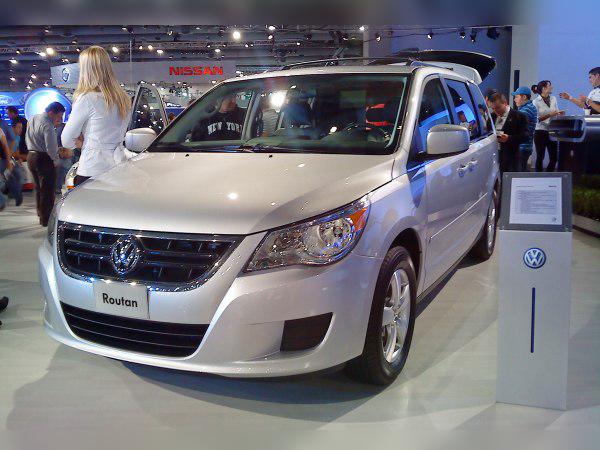
Volkswagen Routan 3.6 V6 Pentastar: Experiences, Issues, Fuel Consumption and Buying Tips
Key points (TL;DR)
- Engine origin: Although it wears a VW badge, this is a Chrysler Pentastar engine. Parts are sourced using American catalogs (Dodge/Chrysler), not standard VW ones.
- LPG (Autogas): An ideal candidate for LPG conversion. It has port (indirect) injection, which makes the installation cheaper and more reliable.
- Achilles' heel: The plastic oil filter housing that cracks, and coolant leaks at the thermostat.
- Engine noise: A ticking sound while running can indicate a serious issue with the rocker arms and camshaft.
- Gearbox: Comes exclusively with the American 62TE automatic, which requires regular oil changes to last.
- Fuel consumption: High in city driving, but acceptable on the open road considering the power and weight of the vehicle.
- Recommendation: An excellent choice for large families if you find a car with the cylinder head issue already resolved and install a quality LPG system.
Contents
Introduction: An American in German clothing
The Volkswagen Routan is a very specific beast on the market. Although it wears a German badge, underneath the sheet metal this car is actually a Dodge Grand Caravan / Chrysler Town & Country. That is a key piece of information for every owner or potential buyer. The engine we are talking about is the well‑known 3.6 V6 Pentastar, one of the most widespread American six‑cylinder engines of the last decade.
This matters because this engine has nothing to do with VW’s VR6 engines. The Pentastar is an all‑aluminum V6 with dual overhead camshafts (DOHC) and variable valve timing (VVT). It is known for its robustness and linear power delivery, but it also comes with some specific issues that are not typical for European cars. It was installed in Routan models towards the end of production (from 2011 onwards), replacing the older 3.8 and 4.0 engines.
Technical specifications
| Specification | Value |
|---|---|
| Engine displacement | 3604 cc (3.6L) |
| Power | 208 kW (283 hp) |
| Torque | 353 Nm at 4400 rpm |
| Engine code | Pentastar V6 (ERB) |
| Injection type | MPFI (Multi-Port Fuel Injection) – Port injection |
| Configuration | V6, naturally aspirated (no turbo) |
| Camshaft drive | Timing chain |
Reliability and maintenance
Chain or belt?
The Pentastar 3.6 V6 uses a timing chain. In fact, the system is quite complex and consists of several chains driving four camshafts. In general, the chains on this engine have proven durable and do not require regular replacement like belts. They are not prone to stretching at low mileage as with some European competitors, provided the oil is changed regularly. The expected service life of the chain is often over 250,000 km, but rattling at cold start is the first warning sign.
Most common failures and symptoms
Although reliable, the Pentastar has several characteristic problems you need to watch out for:
- Oil filter housing (Oil Cooler Housing): This is the most common failure. The housing is made of plastic and sits in the “V” of the engine (between the heads). Over time the plastic cracks due to heat cycles or overtightening the filter cap during service. Symptom: Oil pools in the engine valley and runs down the back of the transmission, leaving spots under the car. Replacement requires removal of the intake manifold. It is recommended to install a higher‑quality aftermarket part (there are aluminum versions on the parts market).
- Cylinder head issues (left side – Bank 2): Models produced between 2011 and 2013 had a factory defect on the cylinder head (premature valve guide wear). Symptom: The engine loses compression on an even‑numbered cylinder (usually cylinder 2, 4 or 6), the “Check Engine” light comes on and the engine runs rough. Many were repaired under warranty with a revised head.
- Rocker arms and lifters: The bearings in the rocker arms can seize, which leads to camshaft damage. Symptom: A characteristic, loud ticking noise that follows engine rpm. If ignored, it can destroy the camshaft (an expensive repair).
- Thermostat leaks: The thermostat housing is also plastic and prone to cracking.
Service intervals and oil
Minor service: Although the manufacturer in some regions specifies longer intervals, given how sensitive the VVT system and timing chain are to oil quality, it is recommended to change the oil every 10,000 to 12,000 km or once a year.
Oil quantity and type: The engine takes approximately 5.6 to 5.7 liters of oil. The commonly recommended grade is 5W‑20 (to meet CAFE fuel economy standards), but in warmer European climates and on higher‑mileage engines, 5W‑30 is often a better choice for engine protection. Always use oil that meets the Chrysler MS‑6395 specification.
Oil consumption: A healthy Pentastar engine should not consume a significant amount of oil between services. Consumption up to 0.5 liters per 10,000 km is acceptable. If it uses more, it is more likely leaking somewhere (check the filter housing) than burning it, unless the engine has very high mileage.
Spark plugs
The spark plugs are iridium and the factory replacement interval is quite long (often quoted at 160,000 km), but in practice they should be replaced at around 100,000 km to protect the ignition coils (which sit directly on the plugs). Note: To replace the spark plugs on one side of the engine, the intake manifold has to be removed, which increases labor cost.
Specific parts and costs
Fuel injection system and injectors
This engine uses a classic MPFI (Multi‑Port Fuel Injection) system, which is great news. Fuel is injected into the intake manifold, not directly into the cylinder. The injectors are very robust, cheap to clean or replace, and rarely cause problems. Also, because of this system, the intake valves are “washed” by fuel, so there is no carbon buildup issue like on FSI/TSI engines.
Dual‑mass flywheel and clutch
Since the VW Routan comes exclusively with an automatic transmission, this model does not have a dual‑mass flywheel or a conventional clutch kit. Instead, it uses a torque converter. That eliminates one of the most expensive failures on modern cars.
Turbo, DPF, EGR, AdBlue
More good news for maintenance:
- Turbo: None. The engine is naturally aspirated, which means fewer parts that can fail.
- DPF and AdBlue: None. This is a petrol engine, so it does not have these expensive emissions systems typical of diesels.
- EGR valve: Most versions of the Pentastar engine do not use a classic external EGR valve that clogs up. Instead, the “EGR effect” is achieved by smart valve timing control (via the VVT system), keeping exhaust gases in the cylinder when needed. That’s one less thing to worry about.
Fuel consumption and performance
Fuel consumption
You should not have any illusions here. The Routan is a heavy minivan (over 2 tons) with a 3.6‑liter engine.
- City driving: Real‑world consumption in the city ranges from 14 to 17 l/100 km, depending on traffic and how heavy your right foot is. In winter it can be even higher.
- Open road: Things improve here. At a steady 80–90 km/h it can drop to around 8.5–9 liters.
- Highway (130 km/h): Expect between 10 and 11.5 l/100 km.
Performance and “laziness”
With 283 hp and 353 Nm, this engine is anything but lazy. Even fully loaded with family and luggage, the Routan accelerates confidently. The Pentastar likes revs – maximum torque is available only at 4400 rpm, so the engine wants to be revved when overtaking, which the gearbox usually does (kickdown). It accelerates to 100 km/h in under 9 seconds, which is excellent for this class.
At 130 km/h the engine is relaxed, usually around 2,000–2,200 rpm (in 6th gear), which contributes to a quiet cabin.
Additional options and modifications
LPG conversion
YES, highly recommended. Thanks to the MPFI injection system, Pentastar engines are ideal for LPG conversion. There is no need for an expensive direct‑injection system. A regular sequential system works perfectly. Given the petrol consumption, the LPG investment pays off very quickly.
Tip: The tank is usually mounted in place of the spare wheel under the floor (if space allows, since the Routan has the Stow ’n Go seat system that occupies floor space, so checking tank dimensions with an installer is a must).
ECU remap (Stage 1)
On naturally aspirated petrol engines, an ECU remap does not bring dramatic gains like on turbo engines. Realistic power increase is about 10 to 15 hp and maybe 15–20 Nm. However, a remap can improve throttle response and optimize gearbox behavior, which subjectively makes the car feel livelier. It is not risky for the engine, but do not expect miracles.
Gearbox
Which gearbox is used?
With this engine, the Routan comes exclusively with a 6‑speed automatic transmission designated 62TE (made by Chrysler). There is no manual gearbox option.
Gearbox issues and maintenance
The 62TE gearbox is generally solid, but not without flaws.
- Most common issues: Harsh shifting (especially from lower to higher gears or when slowing down) can indicate a problem with the software or the solenoid pack. Oil leaks at the transmission cooler are also not uncommon. In more severe cases, the “compounder” assembly (an additional gearset for the lower gears) can fail if the car has been driven aggressively.
- Maintenance: Although many manufacturers claim the oil is “lifetime”, for the 62TE it is CRITICAL to change the oil and filter. It is recommended to service the gearbox every 60,000 to 80,000 km. Use ATF+4 fluid only. Regular changes significantly extend service life and improve shift quality.
Buying used and conclusion
Before buying a VW Routan with the 3.6 V6 engine, pay attention to the following:
- Cold start: Listen to the engine while it is cold. If you hear rattling or knocking that does not disappear after a few seconds, it is probably the lifters/rocker arms. Stay away from such a car or negotiate the price to cover the repair (which is not cheap).
- Oil leaks: Use a flashlight to look into the “V” of the engine under the intake manifold. If you see pools of oil, the filter housing is cracked.
- Test drive: The gearbox must shift smoothly, without jerks or hesitation, especially under sudden throttle input.
- Heating: Check whether the cabin heating works properly (both front and rear). Issues with blend door actuators or clogged heater cores are common on this platform.
Conclusion:
The Volkswagen Routan 3.6 V6 is an excellent choice for those who want the comfort of an American minivan with European looks. The engine is powerful, generally durable (once the oil cooler housing issue is resolved) and very suitable for LPG. Maintenance is not too expensive if you find a mechanic familiar with Chrysler/Dodge vehicles (because this is not VW mechanicals), and parts are (depending on the market) usually available and cheaper than for diesel competitors. If you are not bothered by high city fuel consumption or you plan to install LPG, this is one of the most comfortable family cruisers you can buy.