Citroen M25.659 Engine (2.5 petrol, 138 hp) – Experiences, issues, fuel consumption and used-buying guide
- Indestructible mechanics: Old-school engine design with a cast-iron block and timing chain.
- Without modern “bloodsuckers”: No dual-mass flywheel, turbocharger, DPF or EGR valve.
- Fuel consumption: The main downside. In the city it easily goes over 13–14 l/100 km.
- LPG: Handles LPG conversion very well, which is a real lifesaver for your budget.
- Failures: Mostly age-related – perished rubber hoses, vacuum lines and issues with the distributor.
- Automatic gearbox: Old 3-speed automatic strangles performance and raises fuel consumption; the manual is the better choice.
Contents
- Introduction: An icon of the French car industry
- Technical specifications
- Reliability and maintenance
- Specific parts and costs
- Fuel consumption and performance
- Additional options and modifications
- Gearbox and drivetrain
- Buying used and conclusion
Introduction: An icon of the French car industry
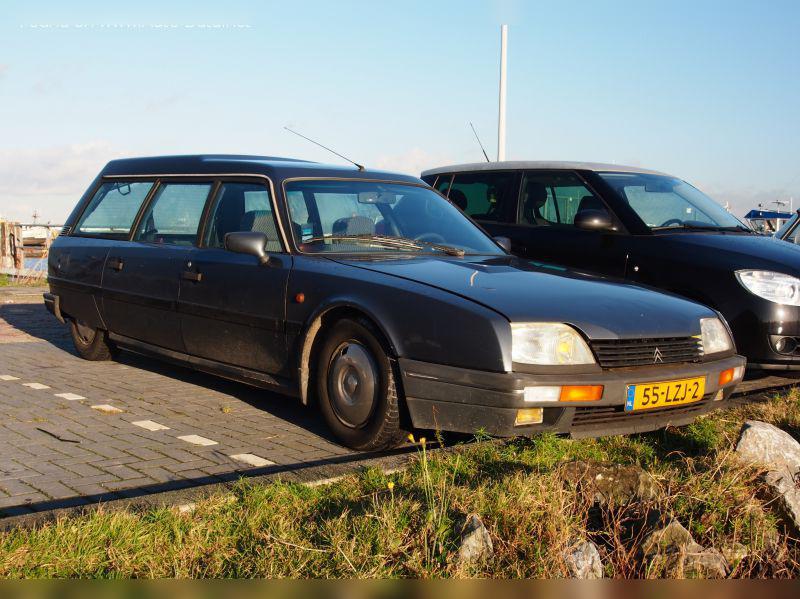
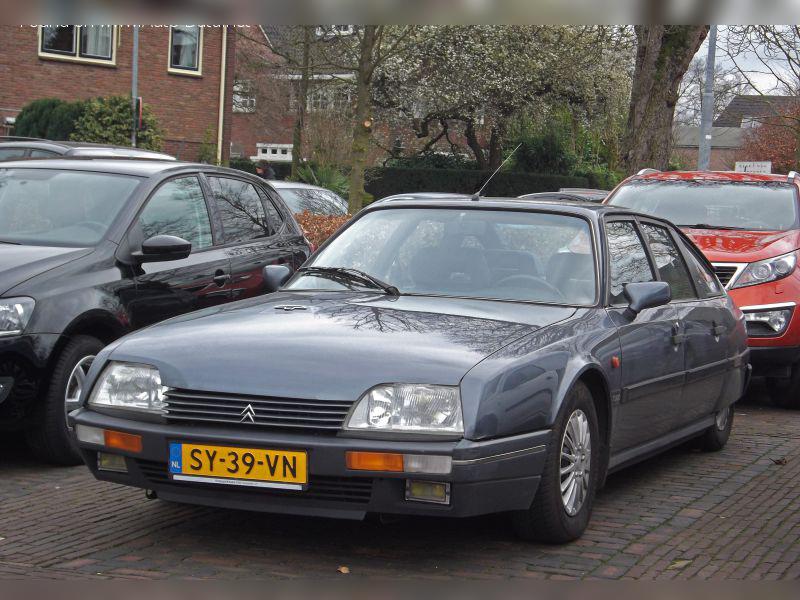
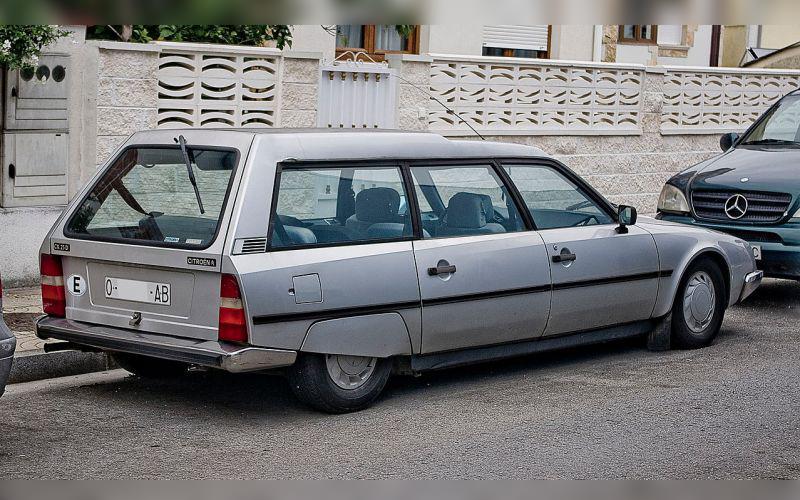
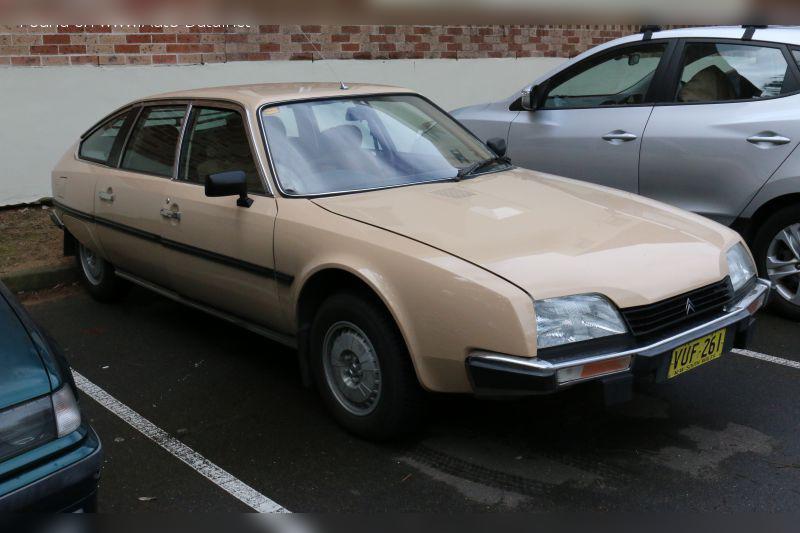
The engine with the code M25.659 is one of the most highly regarded powerplants from Citroen’s golden era. It was primarily installed in the legendary Citroen CX (Series I and II), including models such as the GTi, the long-wheelbase luxury Prestige and the spacious Break (estate). The 2.5‑liter displacement, electronic fuel injection and 138 hp made it a true “mile eater”. This is an engine designed before the era of strict emission standards, built to last and to provide exceptional smoothness on the road, combined with the trademark comfort of the hydropneumatic suspension found on the bodies it powered.
Technical specifications
| Parameter | Data |
|---|---|
| Engine displacement | 2499 cc |
| Power | 101 kW (138 hp) |
| Torque | 211 Nm |
| Engine code | M25.659 |
| Injection type | Electronic multipoint (Bosch L/LU-Jetronic) |
| Turbo/Naturally aspirated | Naturally aspirated engine |
Reliability and maintenance
In terms of architecture, this powerplant uses an old-school OHV layout (camshaft in the engine block) and a timing chain instead of a timing belt. The chain is short, massive and extremely durable. A typical “major service” in the sense of a scheduled timing belt replacement simply doesn’t exist here. However, every 80,000 to 100,000 km you should replace the auxiliary belts (alternator, high-pressure hydraulic pump, water pump) and always check the tensioners.
As for lubrication, the sump holds about 5 to 5.5 liters of oil. Considering the clearances and the age of the design, mineral or semi-synthetic oil of 15W-40 or 10W-40 grade is recommended. Oil consumption is normal – around 0.3 to 0.5 liters per 1,000 km is considered acceptable, especially due to hardened valve stem seals (a common cause of bluish smoke on cold start).
The most common failures are not related to the mechanical integrity of the block or crankshaft, but to peripheral components and age. The cooling system is its Achilles’ heel; failing radiators, cracked hoses and thermostat failure can lead to overheating, which in turn results in a blown cylinder head gasket. The old Bosch injection system also suffers from false air due to cracked vacuum hoses, which manifests as an unstable idle. Given the older ignition design, the spark plugs should be replaced every 20,000 to 30,000 km, along with an inspection of the distributor cap and leads.
Specific parts and costs
This is where owners of modern cars can only be jealous. The engine does not have a dual-mass flywheel – it uses a conventional solid flywheel that practically never fails. The injection system is electronic (Bosch L-Jetronic). The injectors are robust, but after 30+ years they can seize or start leaking due to poor fuel quality. The usual solution is ultrasonic cleaning, which gives excellent results and is very cheap (depends on the market). If an injector has to be replaced, used ones are easy to find, while new ones can be expensive.
Since this is a classic naturally aspirated petrol engine from the eighties, it has no turbocharger, DPF filter, EGR valve or AdBlue system. The costs of maintaining specific and expensive components simply don’t exist here. Your biggest enemy will be sourcing specific airflow meters (flap-type MAF) if they get damaged.
Fuel consumption and performance
With 138 hp and, more importantly, 211 Nm of torque available at relatively low revs (for a petrol engine), this engine is anything but sluggish. It has no trouble hauling the heavy body of a Citroen CX Prestige or Break. It behaves much like a diesel – it pulls well from low revs and is very smooth and flexible.
However, the price of that flexibility is paid at the fuel pump. Real-world city consumption is between 13 and 15 liters per 100 km. On the open road things are much better. On the motorway, at 130 km/h, the engine cruises at a relaxed 3,200 to 3,500 rpm (depending on the gearbox type) and uses between 9 and 10 l/100 km. The car’s aerodynamics help a lot at higher speeds.
Additional options and modifications
Is this engine suitable for LPG? Absolutely yes. Due to the very high petrol consumption, an LPG conversion is common practice. The valves and valve seats are of excellent quality and cope very well with the higher combustion temperature of gas. A classic (Venturi) system can be installed, although a sequential LPG system is recommended because of the electronic injection, in order to avoid so‑called “backfires” in the intake manifold that can destroy the airflow meter.
As for “chipping” (Stage 1), in short: don’t waste your money. Software tuning of an old naturally aspirated engine from this era, with a mechanical distributor and a basic injection ECU, is pointless. You might gain 5 to 8 hp at best, which you won’t really feel in everyday driving. Keep it in factory condition – that’s its greatest value.
Gearbox and drivetrain
Two types of gearboxes were offered with this engine: a 5-speed manual and a 3-speed automatic (ZF 3HP22).
Manual gearbox
The 5-speed manual gearbox is mechanically very durable. The most common issues are worn synchros (especially second and third gear, grinding when engaging) and excessive play in the shift linkages, which makes it feel “imprecise”. Replacing the clutch kit (remember, no dual-mass flywheel) is not too expensive (depends on the market) and boils down to the cost of the disc, pressure plate and release bearing. The oil in the manual gearbox should be changed every 60,000 km.
Automatic gearbox
The 3-speed automatic drastically changes the character of the car. It makes it sluggish under acceleration and increases fuel consumption by 1.5 to 2 liters in city driving. Although the ZF 3HP22 is known to be reliable, it does not tolerate neglect. The most common failures are clutch pack slippage inside the gearbox and harsh shifts due to a contaminated valve body. The oil (ATF) and filter in this gearbox must be changed every 40,000 km. Overhauling such a gearbox is expensive and it is increasingly difficult to find a specialist (depends on the market).
Buying used and conclusion
Before buying a Citroen with the M25.659 engine, forget about modern OBD2 diagnostics – you won’t be able to plug it in here. The inspection is done the old-fashioned way: by listening and visual checks. What should you definitely inspect?
- Cooling system: Check whether the hoses are under excessive pressure when the engine is hot and whether there are any traces of emulsion (“mayonnaise”) on the oil filler cap, which indicates a blown head gasket.
- Idle smoothness: If the engine shakes and the revs fluctuate, it is usually due to false air (cracked hoses) or a damaged airflow meter.
- Bluish exhaust smoke: On the first cold start and when you blip the throttle, this points to worn valve stem seals.
- Gearbox–engine junction: Oil leaks at the rear crankshaft seal are a classic issue and require removal of the gearbox.
Who is this engine for? This is not an engine for someone looking for a cheap everyday runabout (unless you install LPG). This is a powerplant for true classic-car enthusiasts who appreciate the smoothness of a large petrol engine and its linear acceleration. Maintaining the mechanicals themselves is not expensive, parts are available on the classic-car market, but fuel consumption is high. If you find a sound example with a healthy cooling system, it will provide an unforgettable cruising experience that modern cars can hardly replicate.